Boat Database » Bay Craft Bone Skiff 162
Bay Craft Bone Skiff 162
Outboard four-stroke, Unleaded, 1x 50 HP
Power Boats 2020 Bay Craft Bone Skiff 162: A Practical Guide to Getting More from a Small Flats Skiff
If you’re interested in the 2020 Bay Craft Bone Skiff 162, chances are you already know the appeal: simple layout, shallow-water capability...
Discover
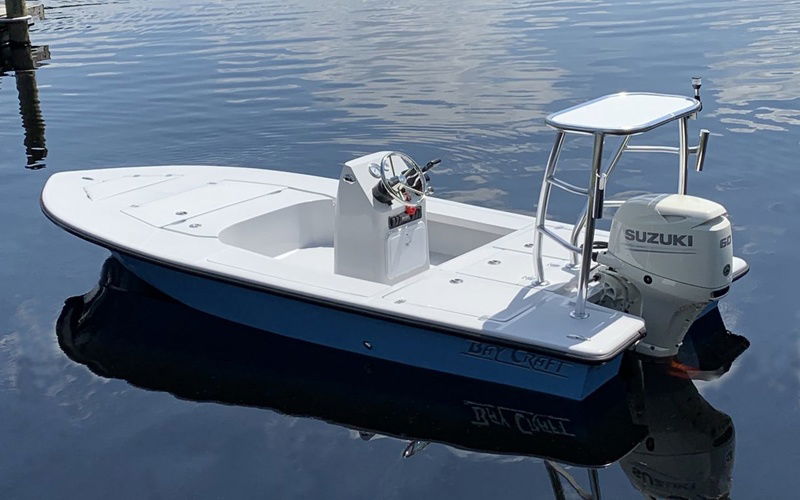


Images have been gathered from various sources and belong to their respective owners.
Review - Bay Craft Bone Skiff 162

MarineBroker
09/15/2024, 2:56 AM
2020 Bay Craft Bone Skiff 162: A Practical Guide to Getting More from a Small Flats Skiff
If you’re interested in the 2020 Bay Craft Bone Skiff 162, chances are you already know the appeal: simple layout, shallow-water capability, easy trailering, and the kind of no-fuss boating that makes a day on the water feel easy. But like a lot of compact skiffs, the real challenge isn’t just owning one — it’s figuring out how to get the most out of it without running into the common frustrations that come with a small, lightweight boat.
For many owners and shoppers, the problem usually shows up in the same ways: limited storage, balance issues, figuring out the right setup for shallow water, and making sure the boat fits the kind of fishing or cruising they actually want to do. A skiff like the 2020 Bay Craft Bone Skiff 162 can be a great solution, but only if it’s matched to the right use, rigged smartly, and maintained with a little attention to detail.
In this article, we’ll break down what makes this style of boat useful, where people often struggle, and how to solve those issues in a practical way.
- What Makes the 2020 Bay Craft Bone Skiff 162 Stand Out
The 2020 Bay Craft Bone Skiff 162 is the kind of boat that appeals to people who want simplicity without giving up utility. At around 16 feet, it sits in a sweet spot for anglers, inshore boaters, and anyone who wants a manageable skiff that’s easier to launch, tow, and store than a larger center console.
Its biggest strengths usually come from the skiff design itself:
- Shallow draft for skinny-water access
- Lightweight build for easier towing and launching
- Straightforward deck layout
- Practical size for solo or two-person use
- Lower operating complexity compared with larger boats
That said, a compact skiff is not a do-everything boat. The same features that make it easy to use can also create limitations if you expect it to behave like a much larger vessel. Understanding those tradeoffs is the first step toward solving the common ownership headaches.
- The Most Common Problem: Making a Small Skiff Work for Real-World Use
The main issue people run into with a boat like the 2020 Bay Craft Bone Skiff 162 is figuring out how to balance its strengths with its limits. A small skiff is great in calm, shallow water, but it can feel cramped or less stable if overloaded, poorly rigged, or used outside its intended environment.
Here are the most common pain points:
- Not enough storage for gear and tackle
- Weight distribution problems that affect handling
- Limited comfort for longer outings
- Difficulty choosing the right motor size and setup
- Less confidence in rougher water or windy conditions
In other words, the boat itself usually isn’t the problem. The problem is expecting a compact skiff to perform well without adapting your approach.
- Why the 2020 Bay Craft Bone Skiff 162 Is Best Used with a Smart Setup
A small skiff becomes much more useful when the setup matches the mission. For example, if you’re mainly fishing creeks, back bays, marshes, or shallow flats, the 2020 Bay Craft Bone Skiff 162 can be a very efficient boat. But if you load it with too much gear or choose equipment that’s too heavy, you can quickly lose the performance that makes it appealing.
A smart setup usually means:
- Keeping gear lightweight and organized
- Choosing a motor that fits the boat’s intended use
- Avoiding unnecessary add-ons
- Managing passenger count realistically
- Prioritizing stability and balance over extra features
This is where a lot of owners get better results. Instead of trying to turn the skiff into something it’s not, they optimize it for the kind of water they actually run.
- How to Solve Storage and Space Limitations
One of the most common complaints about small skiffs is that they run out of space fast. Rods, coolers, safety gear, tackle boxes, anchor equipment, and personal items can make the deck feel crowded quickly.
The solution is to think vertically and modularly.
Practical ways to improve storage:
1. Use compact tackle storage
- Choose smaller tackle bags instead of hard cases when possible.
- Keep only the lures and tools you need for the day.
2. Add secure under-deck or console storage if available
- Any built-in compartment should be used for the heaviest or least-used items.
- Keep frequently used gear easy to reach.
3. Use rod organizers
- Rod holders or simple deck-mounted storage can reduce clutter.
- Keeping rods secured also helps prevent damage.
4. Pack for the trip, not the “just in case” scenario
- Overpacking is one of the biggest reasons small boats feel unusable.
- Bring the essentials and leave the extras behind.
A clean deck is more than just convenient. It improves safety, movement, and fishing efficiency.
- Weight Distribution: The Hidden Factor That Changes Everything
If a small skiff feels unstable or sluggish, weight distribution is often the reason. Even a few extra heavy items in the wrong place can affect how the boat sits in the water and how it handles.
On a boat like the 2020 Bay Craft Bone Skiff 162, balance matters a lot. A stern-heavy setup can cause the bow to ride high, while too much weight forward can make the ride feel awkward and reduce efficiency.
Simple weight distribution tips:
- Keep the heaviest items low and centered
- Avoid stacking gear all at one end of the boat
- Balance passenger positions when possible
- Store fuel, batteries, and coolers thoughtfully
- Re-check the boat’s trim after adding new equipment
If you’re not sure whether the boat is balanced properly, watch how it behaves at idle and on plane. A boat that trims poorly, takes longer to get on plane, or feels overly sensitive in turns may simply need better weight placement.
- Choosing the Right Motor Setup for a 2020 Bay Craft Bone Skiff 162
For small skiffs, the motor choice is a huge part of the overall experience. Too little power and the boat may feel underwhelming. Too much weight or too much motor can hurt the boat’s shallow-water advantages and handling.
The goal is not maximum power. The goal is the right power for your use.
When evaluating a setup, consider:
- Typical load: solo, two people, or more
- Water conditions: calm flats vs. open bay chop
- Distance traveled
- Need for quick hole shot
- Fuel efficiency priorities
A well-matched engine should let the skiff get on plane smoothly, maintain reasonable cruising speed, and still preserve the shallow draft qualities people want in the first place. If you’re shopping or repowering, it’s smart to compare engine weight, not just horsepower.
- How to Make the 2020 Bay Craft Bone Skiff 162 More Comfortable
Comfort is another area where expectations matter. A 16-foot skiff is never going to feel like a big offshore boat, but it can still be comfortable enough for long days if you set it up correctly.
Ways to improve comfort:
- Use cushioned seating if the layout allows it
- Add shade when possible
- Bring lightweight dry storage for personal items
- Keep the deck uncluttered so movement is easy
- Plan shorter runs if the weather turns choppy
Comfort on a small boat is often about reducing fatigue. Less clutter, better organization, and smarter trip planning can make a big difference.
It also helps to be realistic about conditions. A skiff like this shines in protected water and moderate conditions. If the forecast changes, the most comfortable decision may simply be to stay within the boat’s strengths.
- Maintenance Habits That Keep a Small Skiff Running Smoothly
A practical boat is only practical if it stays reliable. The good news is that a skiff like the 2020 Bay Craft Bone Skiff 162 is usually easier to maintain than a more complex vessel, but it still benefits from routine care.
Basic maintenance priorities:
- Flush and inspect the engine after use
- Check fuel lines and fittings regularly
- Rinse salt and debris from the hull and hardware
- Inspect the trailer, tires, and lights
- Look for loose fasteners or worn hardware
- Keep batteries charged and terminals clean
Small boats often get used hard because they’re easy to launch and retrieve. That makes maintenance even more important. A few minutes of attention after each trip can prevent bigger issues later.
- Best Use Cases for the 2020 Bay Craft Bone Skiff 162
This skiff works especially well for people who want a boat that’s easy to manage and suited to shallow-water environments. It’s not trying to be everything to everyone, and that’s part of the appeal.
It’s a strong fit for:
- Inshore fishing
- Marsh and creek running
- Sandbar hopping in calm conditions
- Solo or two-person outings
- Weekend use with minimal setup
- Owners who want easier storage and trailering
If your boating style is more about getting out often and keeping things simple, this type of boat makes a lot of sense. The smaller footprint also means less hassle at the ramp, which is a major bonus for casual boaters.
- When a Small Skiff Might Not Be the Best Fit
Even a good boat has limits. The 2020 Bay Craft Bone Skiff 162 may not be ideal if you regularly need more room, more range, or more protection from rough water.
You may want to look at a larger boat if you:
- Often boat with a bigger group
- Need more storage for long trips
- Run in open water frequently
- Want a more cushioned ride in chop
- Carry heavy fishing or diving gear
This isn’t a drawback so much as a reminder to match the boat to the mission. The right boat for shallow, simple use can be the wrong boat for long, crowded, or rough-water trips.
- Practical Buying and Ownership Tips for Interested Shoppers
If you’re looking at the 2020 Bay Craft Bone Skiff 162, focus on how the boat was used and maintained, not just on cosmetics. Small boats can look clean while hiding issues, especially if they’ve been stored outdoors or used heavily in saltwater.
What to check:
- Hull condition, especially around the keel and chines
- Transom strength
- Deck firmness and any soft spots
- Engine hours and service records
- Trailer condition
- Wiring, switches, and pumps
- Signs of corrosion or water intrusion
A clean inspection checklist can save a lot of trouble. For a compact skiff, even small problems can have a noticeable effect on performance and safety.
- Simple Upgrades That Actually Help
Not every upgrade is worth it, especially on a small skiff. The best improvements are the ones that make the boat easier to use without adding too much weight or complexity.
Useful upgrades often include:
- Quality rod holders
- Better navigation lights
- A reliable bilge or drain setup
- Battery monitoring
- Non-slip deck additions
- Storage organizers
- A well-matched trolling motor, if fishing is the goal
The key is to avoid over-accessorizing. Every added item should solve a real problem, not just take up space.
- Final Thoughts on Getting the Most from the 2020 Bay Craft Bone Skiff 162
The 2020 Bay Craft Bone Skiff 162 makes the most sense for boaters who value simplicity, shallow-water access, and easy handling. The main challenge with a boat this size is not performance alone, but how well the setup matches the way you actually use it.
If you solve the common issues — storage, balance, motor matching, and maintenance — the boat becomes much more enjoyable and practical. That’s the real secret with small skiffs: they work best when you keep them lean, organized, and purpose-built. If you’re considering one, focus on how it fits your boating style rather than trying to force it into a bigger-boat role.
For anyone exploring this model further, it’s worth comparing setup options, inspecting used examples carefully, and thinking through how you’ll use the boat on an average day, not just on the best day.
Specifications
General
Boat Type: Power Boats
Class Type: Centre Console
Specifications
Length: 16.17
Beam: 6.66
Draft: 0.46
Hull Material: GRP
Build
First Built: 2020
Propulsion
Fuel Type: Unleaded
Engines: 1
Power: 50 HP
Brand: Suzuki
Accomodation
PROS & CONS
What we appreciated
 Lightweight and easy to trailerShallow draft ideal for bonefishing and shallow watersDurable construction with a sturdy hullSimple, user-friendly layoutGood fuel efficiency with smaller outboard engines
What we didn’t appreciate
 Limited space for passengers or gearMinimal amenities and comfort featuresNot suitable for rough or open water conditionsBasic electronics and equipment optionsLower resale value compared to larger, more versatile boats
Upkeep Costs
Fuel: Approximately $500 - $1,000 per year depending on usage
Insurance: Around $200 - $400 annually
Maintenance and Repairs: Estimated $300 - $600 per year
Storage: $500 - $1,200 per year depending on location and type
Registration and Licensing: $50 - $150 per year
Rating
4.7
User
Score
Score
Driveability
Technology
Interior
Design
Similar Boats


MarineBroker
Download now for an immersive boat experience like never before! ⛵✨ Your journey begins with a simple click. 🌊📲
#SetSailSmart #DownloadNow
#SetSailSmart #DownloadNow

Subscribe
Copyright 2017 - 2026, Marinebroker.net, All Rights Reserved