Boat Type: Power Boats
Boat Class: Cuddy Cabin
Length: 23 ft
Berths: 2
Cabins: 1
Bathrooms: 1
Max Persons: 6
2010 Baja 24 Outlaw: What Buyers Should Know Before They Hit the Water
If you’ve been looking at the 2010 Baja 24 Outlaw, you probably already know the appeal. It’s got that classic Baja attitude: aggressive styling, strong perfo...
Discover

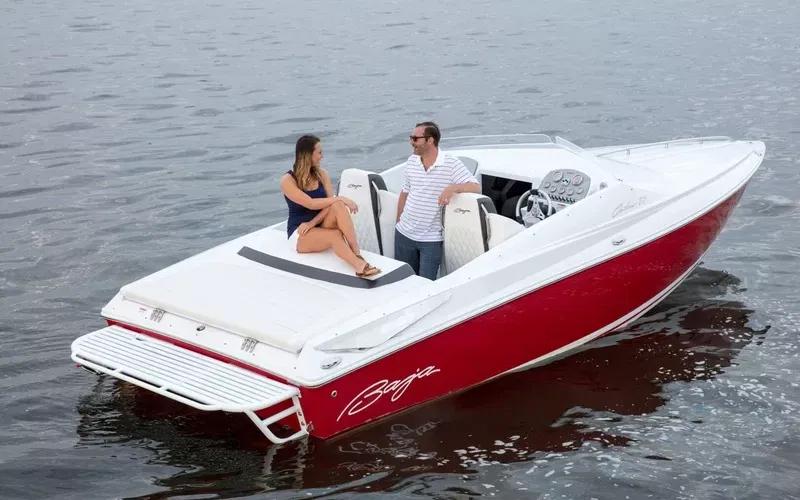
Images have been gathered from various sources and belong to their respective owners.
Latest Market Trends (Latest Available Year Model)
Price: $99,995
Review - Baja 24 Outlaw

MarineBroker
07/09/2024, 3:12 PM
2010 Baja 24 Outlaw: What Buyers Should Know Before They Hit the Water
If you’ve been looking at the 2010 Baja 24 Outlaw, you probably already know the appeal. It’s got that classic Baja attitude: aggressive styling, strong performance potential, and a reputation that makes it stand out at the dock. But if you’re shopping for one today, the real challenge isn’t just finding a clean example—it’s figuring out whether the boat has been cared for well enough to still deliver the kind of ride you want.
That’s the problem with older performance boats in general. They can look great on the surface while hiding expensive issues underneath. A boat like the 2010 Baja 24 Outlaw may still be a fantastic choice, but only if you know what to inspect, what to ask, and what to budget for after the purchase.
The good news? You don’t need to be a marine mechanic to make a smart decision. With a little know-how, you can separate a solid buy from a money pit. In this article, we’ll walk through what makes this boat appealing, the most common things to watch for, and how to evaluate one the right way before you commit.
- Why the 2010 Baja 24 Outlaw Still Gets Attention
The Baja 24 Outlaw sits in that sweet spot between sporty day boat and serious performance machine. It’s compact enough to trailer and store without too much hassle, but still big enough to offer a thrilling ride for people who want more than a basic runabout.
For many buyers, the attraction is simple:
- Sharp styling that still looks modern
- Strong performance heritage
- A layout that works well for fun cruising and lake days
- A size that’s manageable compared with larger performance boats
The 24-foot performance category has always been popular because it gives you speed and excitement without jumping into the complexity of a much larger offshore boat. That makes the 2010 Baja 24 Outlaw especially interesting for buyers who want a used performance boat that feels exciting but doesn’t become a full-time maintenance project.
Still, performance boats are not like standard family cruisers. They tend to be driven harder, maintained inconsistently, and modified more often. That means condition matters a lot more than the badge on the side.
- The Main Problem: Used Performance Boats Can Hide Expensive Issues
Here’s the real issue with shopping for a used 2010 Baja 24 Outlaw: the boat may look clean, but performance boats often carry wear that isn’t obvious during a casual walkthrough.
Some of the most common hidden problems include:
- Engine wear from hard use
- Outdrive or lower-unit issues
- Stress cracks in the hull or transom
- Electrical gremlins from aftermarket modifications
- Upholstery and interior damage from sun exposure
- Trailer corrosion or neglected maintenance
A lot of buyers focus on speed, appearance, and brand reputation. Those things matter, sure, but they don’t tell you whether the boat has been serviced regularly or stored properly.
The solution is not to avoid the boat. It’s to inspect it like a buyer who knows where the trouble usually starts.
- What Makes the 2010 Baja 24 Outlaw Worth Considering
Before diving into inspection tips, it helps to understand why people still chase this model.
The Baja 24 Outlaw is known for delivering a sporty experience in a relatively practical package. It’s the kind of boat that works for:
- Weekend lake runs
- Sandbar trips
- High-speed cruising
- Small-group fun on the water
Depending on the engine setup and condition, this boat can offer lively acceleration and a confident top-end feel. That’s a big part of the appeal. For buyers who want a performance-first boat without moving into a much larger and more expensive offshore class, it’s easy to see the attraction.
But the real value of a used performance boat comes down to condition, service history, and how the previous owner used it. A well-kept example can still be a blast. A neglected one can become a headache fast.
- 2010 Baja 24 Outlaw Inspection Checklist
If you’re serious about buying one, use a systematic inspection process. Don’t just do a quick walkaround and call it good.
Here’s a practical checklist to follow.
- Hull and Exterior
Start with the hull, because structural issues are the most expensive to fix.
Look for:
- Gelcoat cracks or spider cracking
- Signs of impact damage
- Uneven repairs or mismatched paint
- Soft spots around stress areas
- Any evidence of previous grounding or collision
Pay close attention around the chines, transom area, and any spots where hardware is mounted. Performance boats can take a beating over time, especially if they’ve been trailered a lot or driven hard in rough conditions.
- Transom and Stringers
These are critical on any older boat, especially a performance model.
Check for:
- Flexing around the engine mount area
- Water intrusion
- Discoloration or swelling
- Cracks around transom hardware
- Unusual movement when pressure is applied
If the transom or stringers are compromised, you’re looking at major repair costs. That’s why this step matters so much.
- Engine Condition
The engine is where a lot of buyers either win or lose.
Ask for:
- Service records
- Compression test results
- Maintenance intervals
- Recent repairs
- Storage history
During inspection, watch for:
- Hard starting
- Excessive smoke
- Rough idle
- Unusual noises
- Leaks around the engine bay
- Corrosion on components
A clean engine compartment is nice, but documentation is better. A boat that has been serviced on time will usually tell a better story than one that just looks shiny.
- Outdrive or Drive System
If the boat uses a stern drive, this is a major area to inspect.
Look for:
- Corrosion
- Fluid leaks
- Damaged propellers
- Excessive play
- Shifting issues
- Water intrusion in the gear oil
Outdrive repairs can get expensive quickly, so don’t skip this part. Even small signs of neglect can hint at bigger problems.
- Electrical System
Older performance boats often have electrical issues, especially if accessories were added over time.
Test:
- Navigation lights
- Bilge pump
- Gauges
- Horn
- Stereo
- Trim controls
- Battery condition and charging system
Wiring that’s been modified poorly can become a constant annoyance. If you see a lot of random splices, loose connections, or corroded terminals, expect troubleshooting later.
- Interior and Upholstery
The interior matters more than people think. It’s not just cosmetic.
Check for:
- Cracked vinyl
- Mildew
- Torn seats
- Water stains
- Weak hinges or latches
- Soft decking or floor areas
Sun damage is common, especially if the boat lived outdoors. A worn interior doesn’t always mean the boat is bad, but it does affect value and may signal how the boat was stored.
- Trailer Condition
A lot of buyers forget the trailer until the last minute. That’s a mistake.
Inspect:
- Tires
- Bearings
- Lights
- Brakes
- Frame rust
- Winch and straps
- Bunks and rollers
A neglected trailer can turn a good boat into a frustrating ownership experience. If you plan to trailer the 2010 Baja 24 Outlaw, the trailer needs to be roadworthy and matched properly to the boat’s weight.
- Common Red Flags to Watch For
Some warning signs are easy to overlook if you’re excited about the boat.
Be cautious if you notice:
- No maintenance records at all
- Fresh paint covering suspicious areas
- Strong fuel smell in the bilge
- Water in the engine compartment
- Mismatched interior panels
- Excessive corrosion on hardware
- A seller who avoids detailed questions
None of these automatically kill the deal, but they should make you slow down and investigate further. A good seller usually has no problem talking through the boat’s history.
- How to Solve the Buyer’s Problem: Buy the Boat Like a Mechanic, Not a Tourist
The smartest way to approach a used 2010 Baja 24 Outlaw is to inspect it with a checklist and budget for the unexpected.
Here’s the practical solution:
- Get a marine survey if possible
- Perform a compression test on the engine
- Test drive the boat on the water
- Review maintenance records carefully
- Inspect the trailer as closely as the boat
- Set aside a repair budget after purchase
That last part is important. Even a solid used performance boat can need attention after purchase. Things like impellers, fluids, belts, batteries, and minor electrical fixes are common. Planning for that upfront makes ownership much easier.
If you’re not comfortable evaluating the boat yourself, bring someone who is. A marine mechanic or surveyor can spot issues that most buyers miss in the first five minutes.
- What a Good 2010 Baja 24 Outlaw Example Looks Like
A well-kept example usually has a few things in common:
- Clean service records
- No major structural repairs
- Dry bilge
- Smooth engine operation
- Responsive shifting and trim
- Presentable, original, or well-done upholstery
- A trailer in usable condition
You’re not necessarily looking for perfection. You’re looking for evidence that the boat has been cared for consistently. That’s the difference between a fun used performance boat and one that becomes a weekend project.
- Budgeting Beyond the Purchase Price
One of the biggest mistakes buyers make is spending everything on the boat itself and leaving nothing for ownership costs.
When buying a 2010 Baja 24 Outlaw, think about these expenses too:
- Initial service and tune-up
- Replacement batteries
- Safety gear
- Trailer maintenance
- Insurance
- Winterization or storage
- Unexpected repairs
Even if the boat runs well on day one, used boats often need a little catch-up maintenance. That’s normal. What matters is whether the total package still makes sense for your budget.
A lower purchase price on a neglected boat can easily disappear into repair bills. Sometimes paying more for a better-maintained example is the smarter move.
- Is the 2010 Baja 24 Outlaw Right for You?
This boat makes the most sense if you want:
- A performance-oriented ride
- A manageable trailerable size
- Strong visual appeal
- A used boat with personality
- A platform that can still deliver fun if properly maintained
It may not be the best choice if you want the lowest-maintenance boating experience possible. Performance boats usually ask more from their owners than simple fishing boats or pontoon boats.
That said, if you go in with realistic expectations and choose carefully, the 2010 Baja 24 Outlaw can still be a very rewarding boat to own.
- Smart Buying Tips for First-Time Performance Boat Shoppers
If this is your first time shopping for a boat like this, keep these tips in mind:
1. Don’t rush the deal
A clean-looking boat can still hide expensive problems.
2. Verify everything
Titles, hours, service records, and ownership history all matter.
3. Sea trial if possible
How the boat behaves on the water tells you far more than a dockside inspection.
4. Trust evidence over promises
“It was always serviced” means little without paperwork.
5. Walk away if needed
There will always be another boat. A bad purchase can follow you for years.
- Why Research Matters More Than Hype
The boating world is full of opinions, especially around performance models. Some people buy based on brand loyalty, while others chase top speed or styling alone. But the best buyers focus on facts.
For the 2010 Baja 24 Outlaw, the facts that matter most are:
- Mechanical condition
- Structural integrity
- Maintenance history
- Storage history
- Trailer condition
- Realistic ownership costs
That’s the formula for making a smart decision. The boat’s reputation is only part of the story. The actual condition is what determines whether you’ll enjoy it or spend your weekends fixing it.
- Conclusion
The 2010 Baja 24 Outlaw can be a great choice for buyers who want a sporty, eye-catching performance boat with a strong personality. But like any used performance boat, the real key is condition. A careful inspection, good maintenance records, and a realistic budget will do more for your ownership experience than any sales pitch ever could.
If you’re considering one, take your time, check the important systems, and don’t ignore the trailer or service history. That approach gives you the best chance of finding a boat that’s fun on the water and manageable off it. For anyone serious about buying, learning the details first is the smartest move you can make.
Specifications
General
Boat Type: Power Boats
Class Type: Cuddy Cabin
Specifications
Length: 23
Beam: 7.97
Draft: 3.25
Hull Material: GRP
Build
First Built: 2010
Propulsion
Fuel Type: Diesel
Engines: 1
Power: 0 HP
Brand: sterndrive Mercruiser 6.2L Bravo
Accomodation
Berths: 2
Cabins: 1
Bathrooms: 1
PROS & CONS
What we appreciated
 Powerful engine options providing high performance and speedSporty and aggressive design with sleek linesSpacious cockpit with comfortable seating for passengersWell-suited for both cruising and watersports activitiesGood build quality with durable materials
What we didn’t appreciate
 Limited storage space compared to larger boatsFuel consumption can be high due to powerful enginesMay have a rough ride in choppy waters because of hull designOlder model, so some features might be outdatedMaintenance costs can be higher due to performance parts
Upkeep Costs
Fuel: Approximately $3,000 - $5,000 per year, depending on usage
Maintenance and Repairs: Around $1,000 - $2,000 annually
Insurance: Typically $500 - $1,200 per year
Storage: $500 - $2,000 per year depending on location and type
Registration and Taxes: $100 - $300 per year

Rating
6.1
User
Score
Score
Driveability
Technology
Interior
Design
Similar Boats


MarineBroker
Download now for an immersive boat experience like never before! ⛵✨ Your journey begins with a simple click. 🌊📲
#SetSailSmart #DownloadNow
#SetSailSmart #DownloadNow

Subscribe
Copyright 2017 - 2026, Marinebroker.net, All Rights Reserved