Boat Database » Bayliner Element XL
Bayliner Element XL
Outboard four-stroke, Unleaded, 1x 115 HP
Power Boats 2014 Bayliner Element XL: What Owners Should Know Before Buying, Upgrading, or Troubleshooting
If you’ve been looking at the 2014 Bayliner Element XL, you’re probably doing what most smart boat shoppers do: trying to figure out w...
Discover


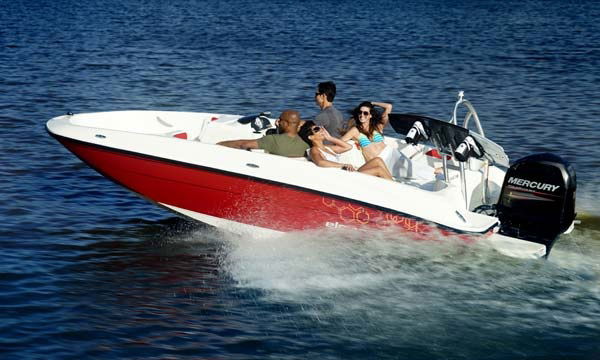
Images have been gathered from various sources and belong to their respective owners.
Review - Bayliner Element XL

MarineBroker
09/16/2024, 3:22 PM
2014 Bayliner Element XL: What Owners Should Know Before Buying, Upgrading, or Troubleshooting
If you’ve been looking at the 2014 Bayliner Element XL, you’re probably doing what most smart boat shoppers do: trying to figure out whether it’s actually the right fit for your kind of boating. Maybe you’re comparing used deck boats, maybe you’ve already seen one for sale, or maybe you own one and want to get more out of it without wasting money on the wrong upgrades. Either way, the real challenge is the same: how do you know what to look for, what to avoid, and how to make sure the boat performs the way you expect?
That’s where a little practical guidance goes a long way. The 2014 Bayliner Element XL is known for its easy handling, family-friendly layout, and value-focused design, but like any used boat, condition matters more than brochure specs. A clean-looking boat can still hide maintenance issues, while a well-kept one can be a great buy. In this article, we’ll walk through the most common concerns buyers and owners have, what to inspect, and how to solve the usual problems in a simple, realistic way.
- What Makes the 2014 Bayliner Element XL Stand Out
The 2014 Bayliner Element XL is part of Bayliner’s Element series, which was designed to make boating feel less complicated. It’s a deck boat layout, so you get a wide, stable platform and a social cockpit area that works well for cruising, tubing, fishing, or just hanging out on the water.
For a lot of people, the appeal is straightforward:
- Easy entry into boating without a huge learning curve
- Stable ride for casual family use
- Open seating plan that feels roomy for its size
- Reasonable ownership costs compared with larger, more complex boats
That said, the boat’s value depends heavily on how it was used and maintained. A well-cared-for 2014 Bayliner Element XL can still be a very practical boat today. But if you’re shopping used, the biggest mistake is focusing only on appearance.
What matters more is how the boat was stored, serviced, and driven.
- The Main Problem: Used Boat Uncertainty
The biggest issue with a 2014 Bayliner Element XL isn’t usually the model itself. It’s uncertainty.
Used boats can look fine in photos and still have hidden problems like:
- Neglected engine maintenance
- Corrosion from poor storage
- Soft spots in flooring or decking
- Electrical issues from moisture exposure
- Trailer wear that affects towing safety
For buyers, that creates a real headache. You want a boat that’s ready to enjoy, not one that becomes a money pit after the first season.
For owners, the concern is different but related. You may already like the boat, but you want to avoid surprise repairs, improve reliability, and keep resale value strong.
The good news is that most of these problems can be spotted early with a careful inspection and a few simple checks.
- 2014 Bayliner Element XL: What to Inspect Before You Buy
If you’re considering a used 2014 Bayliner Element XL, start with the basics. A boat inspection doesn’t need to be complicated, but it should be thorough.
Here’s what to focus on:
- Engine and running gear
Check whether the engine starts easily, idles smoothly, and shifts without hesitation. Listen for unusual knocking, rough idle, or overheating signs. If the boat has been sitting, ask when it was last serviced.
- Hours and service records
Engine hours matter, but they don’t tell the whole story. A boat with moderate hours and solid maintenance records is usually a better bet than a lower-hour boat with no paperwork.
- Hull condition
Look for cracks, deep scratches, repairs, or signs of impact. Small cosmetic marks are normal on a used boat, but structural damage is a red flag.
- Deck and flooring
Step around the boat and pay attention to any soft areas, spongy spots, or uneven surfaces. These can hint at water intrusion or hidden rot issues.
- Upholstery and hardware
Seats, hinges, latches, and rails should all be in decent condition. Sun damage is common, but cracked vinyl and rusted fittings can add up quickly.
- Electrical systems
Test navigation lights, bilge pump, gauges, stereo, and switches. Electrical gremlins are one of the most annoying used-boat problems because they can be time-consuming to trace.
- Trailer condition
Don’t forget the trailer if one is included. Check tires, bearings, lights, brakes, bunks, and winch operation. A bad trailer can turn a good boat purchase into a towing problem.
A simple rule: if several small issues are present, assume there may be more hidden ones.
- Common 2014 Bayliner Element XL Problems and How to Handle Them
No boat is perfect, and the 2014 Bayliner Element XL is no exception. The trick is knowing which issues are common and which ones are deal-breakers.
Here are some of the problems owners and buyers should watch for.
- 1. Moisture-related wear
Like many used boats, moisture can be the enemy. If the boat was stored outside without proper cover, you may see mildew, faded upholstery, corrosion, or water intrusion in storage compartments.
Solution:
Inspect compartments, under-seat areas, and flooring carefully. Look for musty smells, staining, or signs of standing water. If the issue is minor, deep cleaning and resealing may be enough. If there’s structural damage, factor repair costs into your decision.
- 2. Battery and charging issues
A boat that sits unused for long periods often develops battery problems. Weak batteries, corroded terminals, or poor charging performance can cause frustrating no-start situations.
Solution:
Replace old batteries proactively if their age is unknown. Clean terminals, check cable connections, and confirm the charging system is working properly. A battery tender is a smart investment for seasonal storage.
- 3. Upholstery deterioration
Sun exposure can take a toll on vinyl seats and cushions. Cracking, fading, and seam separation are common on boats that spend a lot of time uncovered.
Solution:
Use marine-grade cleaners and protectants regularly. If the vinyl is already damaged, repair kits may help for small spots, but badly worn upholstery may need replacement. A full seat reupholstery job can be expensive, so it’s best to catch damage early.
- 4. Trailer wear
Many buyers focus on the boat and forget the trailer. Worn tires, rusty hardware, or bad bearings can create safety issues and lead to costly roadside trouble.
Solution:
Check the trailer before every trip. Grease the bearings, inspect the lights, and replace tires that show cracking or age-related wear. If the trailer has been sitting unused, don’t assume it’s road-ready.
- 5. General storage neglect
Boats that weren’t winterized or covered properly often show the same pattern: grime, corrosion, brittle hoses, and neglected fluids.
Solution:
Ask direct questions about storage and winterization. If you buy the boat, create a maintenance checklist right away so you can reset the boat’s condition and prevent future issues.
- How to Judge Whether the 2014 Bayliner Element XL Is a Good Buy
This is the part most shoppers really want to know: is it worth it?
The answer depends on condition, not just the model name. The 2014 Bayliner Element XL can be a solid choice if it checks the right boxes.
A good candidate usually has:
- A clean service history
- No major hull damage
- A healthy engine that starts and runs properly
- Dry storage areas with no lingering water damage
- A trailer in safe towing condition
- Decent upholstery and no major electrical issues
A questionable candidate often has:
- Missing maintenance records
- Heavy oxidation or corrosion
- Signs of water intrusion
- Soft flooring or structural concerns
- Engine problems that haven’t been diagnosed
- A trailer that needs immediate work
If you’re unsure, it’s worth paying for a marine survey or at least a professional mechanic inspection. That upfront cost can save you from a very expensive mistake.
- Ownership Tips for Getting More Out of the 2014 Bayliner Element XL
If you already own the boat, the goal shifts from buying smart to keeping it reliable and enjoyable.
A few habits make a big difference.
- Rinse after use
Saltwater, algae, and grime can all shorten the life of your boat’s surfaces and hardware. A quick rinse after each outing helps a lot.
- Cover it properly
A quality cover protects upholstery, gauges, and storage areas from UV damage and moisture.
- Keep up with fluids and filters
Routine engine maintenance is one of the easiest ways to avoid major problems later. Follow the manufacturer’s schedule and don’t stretch service intervals.
- Check the bilge and drain plugs
It sounds simple, but water management matters. Make sure the bilge pump works and that drain plugs are handled correctly every time.
- Store the boat smartly
If possible, keep the boat under cover or indoors during long off-seasons. Proper storage is one of the best ways to preserve value.
Small habits like these often make the difference between a boat that feels dependable and one that becomes a constant project.
- Practical Upgrade Ideas That Make Sense
A lot of owners want to upgrade their 2014 Bayliner Element XL, but not every upgrade is worth the money. The best improvements are the ones that boost comfort, safety, or usability.
Good upgrades include:
- New marine battery or batteries
- Better bilge pump setup
- Quality cover or mooring protection
- GPS/chartplotter for easier navigation
- Bluetooth stereo upgrade
- LED navigation lights
- Non-slip deck mats or flooring improvements
- Dock lines, fenders, and safety gear
If you’re thinking about performance upgrades, be careful. The Element XL is generally better suited to practical improvements than aggressive modifications. Most owners get more value from reliability and comfort upgrades than from chasing speed.
A good boating rule: spend money where you’ll feel it every trip.
- What Buyers Often Overlook
People shopping for a 2014 Bayliner Element XL usually compare price, condition, and appearance. That makes sense, but there are a few overlooked details that can matter just as much.
- Storage access
Is it easy to get to batteries, pumps, and service points? If maintenance is awkward, routine care may get skipped.
- Seating layout for your real use
A boat can look roomy, but the question is whether the layout fits how you actually boat. Do you cruise with family? Fish? Tow tubes? The right layout matters more than a generic “roomy” label.
- Launch and retrieval ease
A stable deck boat is nice, but if you trailer often, you’ll want a setup that’s easy to launch, load, and tow.
- Resale potential
Even if you plan to keep it for years, a well-maintained boat with records and clean presentation will hold value better.
- A Simple Inspection Checklist for the 2014 Bayliner Element XL
Before you buy, use this quick checklist:
- Start engine cold if possible
- Check for smooth idle and clean acceleration
- Inspect hull for cracks or repairs
- Test all electrical systems
- Open storage compartments and smell for mildew
- Walk the deck for soft spots
- Inspect upholstery for sun damage
- Check trailer tires, lights, and bearings
- Review maintenance records
- Ask about storage and winterization history
If you can’t verify the basics, don’t rush the purchase. Boats reward patience.
- Why This Model Still Appeals to Casual Boaters
The 2014 Bayliner Element XL remains interesting because it fills a practical niche. It’s not trying to be a luxury cruiser or a hardcore fishing machine. Instead, it offers an approachable boating experience for people who want simple fun on the water.
That makes it appealing for:
- First-time boat owners
- Families who want an easy day boat
- Buyers looking for a budget-conscious used deck boat
- Owners who prefer comfort and simplicity over complexity
In other words, it works best for people who want boating to feel easy.
That’s also why the condition of the specific boat matters so much. A clean, well-kept example can be a great way into boating. A neglected one can feel frustrating fast.
- Conclusion
The 2014 Bayliner Element XL can be a smart, enjoyable boat when it’s in good condition and properly maintained. For buyers, the key is to look beyond the model name and inspect the engine, hull, trailer, and storage areas carefully. For owners, the best solution is simple: stay ahead of maintenance, protect the boat from moisture and sun, and make practical upgrades that improve reliability.
If you take the time to inspect it properly and keep up with basic care, this boat can deliver exactly what many casual boaters want: easy, relaxed days on the water without unnecessary hassle. If you’re still comparing options, use the checklist above and keep learning before you buy. That extra patience usually pays off on the water.
Specifications
General
Boat Type: Power Boats
Class Type: Cuddy Cabin
Specifications
Length: 18.01
Beam: 6.99
Draft: 0.66
Hull Material: GRP
Build
First Built: 2014
Propulsion
Fuel Type: Unleaded
Engines: 1
Power: 115 HP
Brand: Mercury
Accomodation
PROS & CONS
What we appreciated
 Affordable price point for a new or used boatSpacious deck layout suitable for family and friendsEasy to operate and beginner-friendlyLightweight and easy to towGood fuel efficiency for a 17-foot boat
What we didn’t appreciate
 Limited storage space compared to larger boatsBasic features and amenities, lacking luxury optionsModest engine power may limit high-speed performanceOpen bow design offers less protection from weatherNot ideal for rough water conditions or offshore use
Upkeep Costs
Fuel: Approximately $800-$1,200 per year depending on usage
Maintenance and Repairs: Around $500-$1,000 per year
Insurance: Typically $300-$600 annually
Storage and Docking: $600-$1,200 per year depending on location
Registration and Taxes: $50-$200 per year depending on state
Rating
6.0
User
Score
Score
Driveability
Technology
Interior
Design
Similar Boats


MarineBroker
Download now for an immersive boat experience like never before! ⛵✨ Your journey begins with a simple click. 🌊📲
#SetSailSmart #DownloadNow
#SetSailSmart #DownloadNow

Subscribe
Copyright 2017 - 2026, Marinebroker.net, All Rights Reserved