Boat Database » Bayliner 245 Cruiser
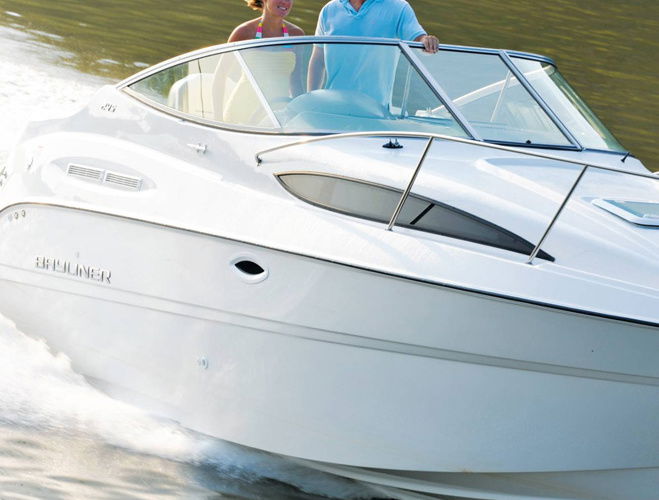
Bayliner 245 Cruiser
Outboard four-stroke, Unleaded, 1x 260 HP
Power Boats 2003 Bayliner 245 Cruiser: What Owners Need to Know Before Buying, Maintaining, or Upgrading
If you’re looking at a 2003 Bayliner 245 Cruiser, you’re probably trying to answer a pretty common question: is it still a smart boat to...
Discover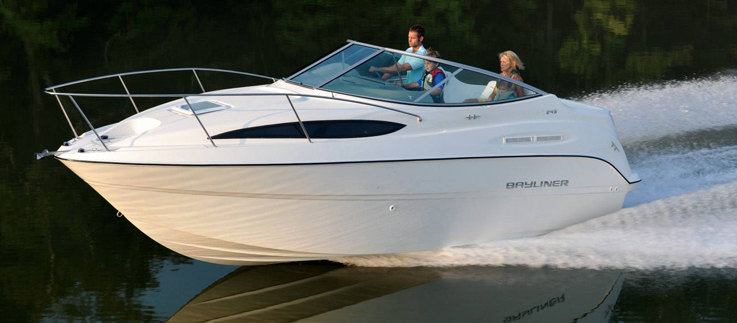

Images have been gathered from various sources and belong to their respective owners.
Latest Market Trends (Latest Available Year Model)
Price: $15,064
Review - Bayliner 245 Cruiser

MarineBroker
09/17/2024, 1:03 PM
2003 Bayliner 245 Cruiser: What Owners Need to Know Before Buying, Maintaining, or Upgrading
If you’re looking at a 2003 Bayliner 245 Cruiser, you’re probably trying to answer a pretty common question: is it still a smart boat to own, and what should you watch out for before spending time or money on one? That’s a fair question, especially with a cruiser that’s now old enough to have a few decades of wear behind it.
The good news is that the 2003 Bayliner 245 Cruiser can still be a very enjoyable family cruiser, weekend boat, or entry-level cabin boat if it’s been maintained properly. The tricky part is that age changes everything. What once looked like a simple used-boat purchase can turn into a long list of surprises if you don’t know where to inspect, what tends to fail, and which upgrades make the biggest difference.
In this guide, we’ll walk through the most common issues, what makes the 245 Cruiser appealing, and how to evaluate one the right way. Whether you’re shopping for your first cruiser or trying to improve one you already own, the goal here is simple: help you make a smarter, more confident decision.
- Understanding the 2003 Bayliner 245 Cruiser
The 2003 Bayliner 245 Cruiser is a compact express cruiser designed for day trips, overnights, and casual coastal or inland water use. It’s popular because it offers a usable cabin, a small galley, basic sleeping space, and enough cockpit room for relaxed cruising without jumping into a much larger and more expensive boat category.
For many buyers, the appeal is value. You get a boat that feels more like a mini weekend cabin than a simple runabout, but without the operating costs of a bigger cruiser. That makes it attractive to families, first-time cruiser owners, and boaters who want comfort without going too far up the size ladder.
That said, the age of the boat matters more than the brand name. A well-kept 245 Cruiser can be a solid buy. A neglected one can quickly become a project with hidden costs.
- Why the 2003 Bayliner 245 Cruiser Still Attracts Buyers
A lot of boaters keep coming back to this model for a few practical reasons.
First, it offers a manageable size. At around 24 feet, it’s easier to trailer, dock, and handle than larger cruisers. That’s a big deal for owners who want cabin comfort without needing a huge slip or advanced handling skills.
Second, it has a layout that works for casual cruising. You typically get:
- A small enclosed cabin
- Sleeping space for a couple or small family
- Basic galley features
- A head compartment
- A cockpit area that’s usable for relaxing or entertaining
Third, the used-boat market often prices the 2003 Bayliner 245 Cruiser in a way that feels accessible compared with newer cruisers. For buyers willing to inspect carefully and maintain it well, that can be a real advantage.
But the same things that make it attractive can also create the main problem: buyers often focus on price and layout, then underestimate the cost of restoring older systems.
- The Real Problem: Age-Related Wear and Hidden Maintenance
The biggest issue with a 2003 Bayliner 245 Cruiser usually isn’t one single failure. It’s the combination of age-related wear across multiple systems.
On an older cruiser, you may be dealing with:
- Engine and drivetrain wear
- Aging hoses, belts, and clamps
- Soft spots in flooring or deck areas
- Old upholstery and canvas
- Electrical corrosion
- Water intrusion around fittings and windows
- Fuel system components that no longer feel trustworthy
This is where many buyers get caught off guard. A boat can look decent in photos and still need thousands in mechanical, cosmetic, and safety-related work.
The solution is not to avoid the model entirely. The solution is to inspect it like an older machine, not like a weekend toy. A careful evaluation can tell you whether the boat is a good value or a money pit.
- What to Inspect First on a 2003 Bayliner 245 Cruiser
If you’re considering one, start with the systems that are most expensive or risky to repair.
- Engine and outdrive
This should be your first stop. Ask for service records, not just verbal reassurance. Look for signs of:
- Hard starting
- Excessive smoke
- Overheating
- Oil leaks
- Coolant or water intrusion
- Corrosion around the outdrive
If the boat has a sterndrive setup, inspect the bellows, gimbal bearing, U-joints, and trim system. These parts age out even if the boat hasn’t seen heavy use.
A compression test and sea trial are worth it. If the engine runs rough at idle, struggles under load, or the drive sounds noisy, that’s a red flag.
- Hull and deck condition
Walk the deck slowly and feel for soft spots. Pay special attention to:
- Around the engine hatch
- Near the transom
- Around cleats and rail mounts
- Under the cockpit flooring
- Around the cabin entry and windows
Water intrusion often starts in small places and spreads quietly. A soft deck can mean hidden rot or delamination, which is much more involved than a cosmetic repair.
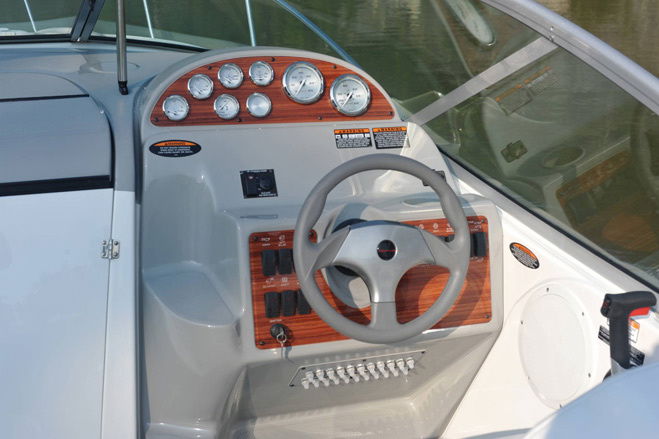
- Electrical system
Older boats often have electrical issues that are more annoying than dramatic, but they can still be dangerous. Check:
- Battery condition and age
- Wiring cleanliness
- Corrosion at terminals
- Operation of lights, pumps, and switches
- Shore power setup, if equipped
If you see a lot of twisted wires, household connectors, or messy repairs, assume the system needs attention.
- Plumbing and sanitation
Cabin cruisers often suffer from neglected plumbing. Test:
- Freshwater pump
- Sink faucet
- Head operation
- Holding tank system
- Bilge pump function
A strong odor, slow drainage, or visible leaks usually means maintenance has been delayed. That’s not unusual on an older boat, but it should affect your budget and decision.
- Common Issues Owners Run Into
The 2003 Bayliner 245 Cruiser can be a capable boat, but owners often report similar trouble spots after years of use.
- Aging canvas and vinyl
Upholstery, bimini tops, curtains, and cabin cushions often wear out faster than the hull itself. Sun exposure takes a toll, especially if the boat lived outdoors.
If the cushions are cracked or the canvas is brittle, that’s not just a comfort issue. It usually means UV damage has been happening for years.
- Fuel system aging
Fuel lines, tanks, filters, and fittings all deserve close attention. Old fuel systems can create performance issues, starting problems, or safety concerns.
If the boat has been sitting unused, stale fuel and clogged filters are common. In some cases, the tank may need a deeper inspection or cleaning.
- Moisture intrusion
This is one of the most important concerns on older cruisers. Water can enter through window seals, deck hardware, hatches, or poorly sealed fittings.
Once water gets into the structure, it can damage wood core areas, insulation, and interior materials. A small leak today can become a major repair later.
- Cosmetic fatigue
Faded gelcoat, tired carpet, worn cushions, and stained headliners are common. These issues may not affect operation, but they do affect resale value and enjoyment.
The good news is that cosmetic wear is often easier to manage than structural or mechanical problems.
- How to Decide If a 2003 Bayliner 245 Cruiser Is Worth It
A used cruiser should be judged by total condition, not just asking price. A lower-priced boat can end up costing more than a cleaner example if it needs major repairs.
Here’s a simple way to think about it:
- Good buy: strong engine, clean maintenance records, dry cabin, solid deck, minor cosmetic wear
- Fair buy: some cosmetic issues, but mechanical systems are sound and water intrusion appears limited
- Risky buy: unknown service history, soft spots, electrical corrosion, fuel concerns, or signs of repeated leaks
One helpful rule is to estimate your first-year cost before buying. Include:
- Survey and inspection
- Mechanical servicing
- Safety gear replacement
- Battery replacement
- Canvas or upholstery repairs
- Unexpected fixes
If the first-year total pushes too close to the cost of a better example, it may be smarter to keep shopping.
- Practical Maintenance Tips for Owners
If you already own a 2003 Bayliner 245 Cruiser, the best thing you can do is stay ahead of aging systems. Preventive maintenance is much cheaper than reactive repair.
- Service the engine regularly
Change oil, filters, impellers, and gear lube on schedule. Don’t wait for performance problems. A well-maintained engine is the difference between reliable cruising and weekend frustration.
- Inspect the transom and drive components
Check for corrosion, play, leaks, and worn rubber parts. Sterndrive systems reward regular attention.
- Keep water out
Seal any suspect fittings and inspect windows, hatches, and deck hardware annually. Dry boats age better than damp ones.
- Protect upholstery and canvas
Use covers when possible and clean vinyl with marine-safe products. UV protection helps extend life.
- Flush and test systems often
Even if you don’t use the boat every week, run the plumbing, bilge pump, and electrical systems periodically. Boats that sit too long tend to develop more issues.
- Upgrade what matters most
You don’t need to modernize everything at once. Focus on the areas that improve safety and comfort:
1. Batteries and charging setup
2. Bilge pump reliability
3. Navigation lights
4. Cabin ventilation
5. Updated marine stereo or electronics
6. Better cockpit covers or enclosure pieces
These upgrades make the boat more enjoyable without turning it into an endless project.
- Smart Buying Tips for First-Time Cruiser Shoppers
If you’re new to boats, the 2003 Bayliner 245 Cruiser can be a good learning platform, but only if you buy carefully.
- Always sea trial the boat
A dockside inspection is not enough. You need to see how it starts, idles, accelerates, and handles. Listen for vibration, overheating, or unusual noises.
- Bring a marine surveyor if possible
A surveyor can catch issues you may miss, especially with moisture, structural wear, and hidden damage.
- Check storage history
A boat stored indoors or under proper cover usually ages better than one left exposed year-round.
- Ask about winterization
Improper winter storage can damage engines, plumbing, and drive systems. Good winterization records are a strong sign of responsible ownership.
- Don’t ignore paperwork
Service logs, title history, and receipts can tell you a lot about how the boat was treated. A clean paper trail often matters as much as a clean interior.
- Best Use Cases for the 2003 Bayliner 245 Cruiser
This boat makes the most sense for owners who want practical cruising rather than luxury yachting.
It’s a good fit if you want to:
- Spend weekends on the water
- Take short overnight trips
- Cruise inland lakes, bays, or protected coastal waters
- Enjoy a cabin without moving into a much larger boat
- Keep ownership costs relatively controlled
It may not be the best choice if you want a high-end finish, large living space, or a boat that feels nearly new without much maintenance. Older cruisers always ask for some involvement from the owner.
- What Makes This Model a Better Buy Than Some Alternatives
The 2003 Bayliner 245 Cruiser often competes well on value because it gives you a lot of usable boat for the money. If your priorities are comfort, simplicity, and affordability, it can make sense compared with larger or more expensive cruisers.
Where it stands out:
- Manageable size
- Cabin comfort for its class
- Lower entry cost than many larger cruisers
- Easier handling for newer owners
Where buyers need to be realistic:
- It’s old enough to need careful inspection
- Some components may be dated or worn
- Cosmetic refreshes may be necessary
- Maintenance discipline matters a lot
In other words, it can be a solid boat, but only if you treat it like an older cruiser with age-related needs, not a turnkey new purchase.
- Conclusion
The 2003 Bayliner 245 Cruiser can still be a practical and enjoyable boat, especially for buyers who want a compact cruiser with real cabin value. The key is understanding that age brings maintenance, and the best purchase is usually the one with strong mechanicals, dry structure, and honest service history.
If you’re shopping for one, focus on the engine, deck, electrical system, and signs of water intrusion. If you already own one, stay ahead of wear with regular inspections and targeted upgrades. That approach keeps the boat safer, more reliable, and much more enjoyable on the water.
A little patience upfront can save a lot of money later. And if you’re serious about one, it’s worth learning as much as you can before making the final call.
Specifications
General
Boat Type: Power Boats
Class Type: Cruiser
Specifications
Length: 24.08
Beam: 8.43
Draft: 2.76
Hull Material: GRP
Build
First Built: 2003
Propulsion
Fuel Type: Unleaded
Engines: 1
Power: 260 HP
Brand: Mercruiser
Accomodation
Berths: 4
PROS & CONS
What we appreciated
 Spacious cabin with sleeping accommodations for up to 4 peopleGood value for a cruiser with comfortable amenitiesEasy to handle and maneuver for a boat of its sizeDecent fuel efficiency for a 24-foot cruiserPopular model with readily available parts and service
What we didn’t appreciate
 Aging design with outdated electronics and systemsLimited storage space compared to newer modelsSmaller engine options may lack power for heavier loadsSome reports of water intrusion and maintenance issuesLess advanced hull design affecting ride comfort in rough water
Upkeep Costs
Fuel: $1,200 - $2,000 per year
Maintenance and repairs: $1,000 - $2,500 per year
Insurance: $300 - $700 per year
Storage (marina or dry storage): $1,000 - $3,000 per year
Registration and taxes: $100 - $300 per year

Rating
5.8
User
Score
Score
Driveability
Technology
Interior
Design
Similar Boats


MarineBroker
Download now for an immersive boat experience like never before! ⛵✨ Your journey begins with a simple click. 🌊📲
#SetSailSmart #DownloadNow
#SetSailSmart #DownloadNow

Subscribe
Copyright 2017 - 2026, Marinebroker.net, All Rights Reserved