Boat Type: Power Boats
Boat Class: Cruiser
Length: 33.53 ft
Berths: 4
Cabins: 2
Bathrooms: 1
Max Persons: 8
Boat Database » Beneteau Antares 30 S
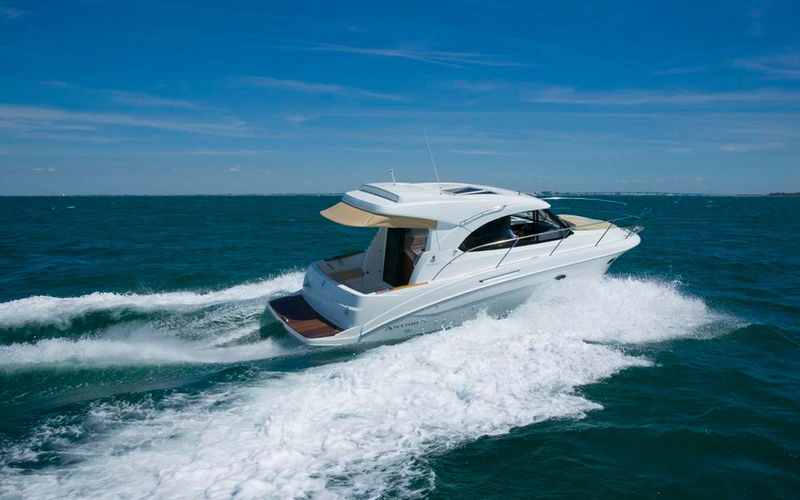
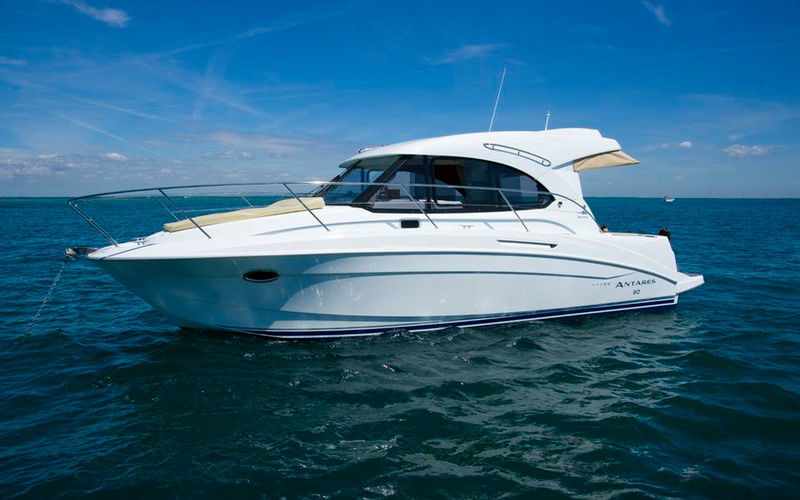
Beneteau Antares 30 S
Inboard Direct-Drive, Diesel, 1x 370 HP
Power Boats 2013 Beneteau Antares 30 S: What to Know Before You Buy, Cruise, or Upgrade
If you’re looking at the 2013 Beneteau Antares 30 S, chances are you’re trying to figure out whether it’s the right boat for real-world cruising, family ...
Discover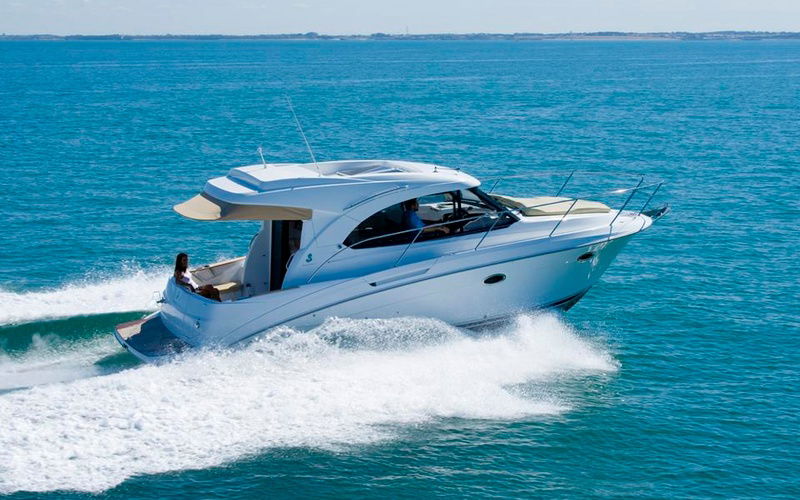
Images have been gathered from various sources and belong to their respective owners.
Latest Market Trends (Latest Available Year Model)
Price: $129,192
Review - Beneteau Antares 30 S

MarineBroker
09/27/2024, 11:39 PM
2013 Beneteau Antares 30 S: What to Know Before You Buy, Cruise, or Upgrade
If you’re looking at the 2013 Beneteau Antares 30 S, chances are you’re trying to figure out whether it’s the right boat for real-world cruising, family weekends, or a step up from a smaller cabin cruiser. That’s a smart question to ask, because boats in this size range can look perfect on paper but feel very different once you start using them for actual trips, dockside living, and rougher water.
The Antares 30 S has a lot going for it: practical layout, good visibility, easy handling, and the kind of versatility that appeals to owners who want comfort without moving into a much larger vessel. But like any used boat, the big challenge is not just finding one—it’s knowing what to inspect, what compromises to expect, and how to make sure it fits your boating style.
That’s where this guide helps. We’ll break down the boat’s strengths, the common concerns buyers should watch for, and the simple steps that can help you decide whether the 2013 Beneteau Antares 30 S is a smart choice for your needs.
- Why the 2013 Beneteau Antares 30 S still gets attention
The 2013 Beneteau Antares 30 S sits in a very popular sweet spot. It’s large enough to feel like a proper cruising boat, but compact enough to remain manageable for many owners.
For people moving up from a smaller open boat or day cruiser, that matters a lot. You get a real cabin, enclosed head, a usable galley, and a helm position that feels protected without making the boat feel oversized.
A lot of buyers are drawn to boats like this because they want:
- Weekend cruising with family
- A boat that can handle overnight stays
- Easy docking compared with larger flybridge cruisers
- Good fuel efficiency relative to bigger cabin boats
- A layout that works for both relaxing and practical use
The challenge is that used boats are rarely “perfect.” Even a well-designed model can have wear, outdated electronics, or maintenance items that affect your ownership experience. So the real question is not just whether the boat is good, but whether it’s good for your expectations.
- The main problem buyers face with the 2013 Beneteau Antares 30 S
The biggest issue for most people is uncertainty.
When someone searches for the 2013 Beneteau Antares 30 S, they’re usually trying to answer one of these questions:
- Is it seaworthy enough for my waters?
- Is the layout too small or just right?
- What should I inspect before buying?
- Are there hidden maintenance costs?
- Is this boat better for day use or overnight cruising?
That uncertainty is normal, especially with used boats. Photos can make any vessel look clean and ready to go, but the value is in the details: engine condition, service history, moisture intrusion, electronics age, and how the boat was actually used.
The practical solution is to evaluate the boat in layers:
1. Start with the design and layout.
2. Check the mechanical systems.
3. Inspect the structure and moisture-prone areas.
4. Compare the boat’s condition to your actual use case.
That approach helps you avoid buying based on appearance alone.
- 2013 Beneteau Antares 30 S layout: what works well
One of the reasons the Antares line is so popular is that the layout is designed around usability. The 2013 Beneteau Antares 30 S typically offers a smart cabin arrangement that makes the most of the available space.
Common strengths include:
- A protected helm with good sightlines
- A saloon area that can be used for dining or relaxing
- A compact galley for basic cruising meals
- A forward cabin that gives privacy for overnighting
- A head compartment that makes longer trips more realistic
- A cockpit that works well for socializing and fishing alike
This kind of layout is especially useful for owners who don’t want a boat that feels like a floating compromise. It’s not a massive yacht, but it gives you enough comfort to enjoy a long weekend without constantly feeling cramped.
That said, buyers should be honest about space expectations. If you want a boat for extended living aboard, the Antares 30 S may feel limited. If your goal is coastal cruising, family overnights, and easy day trips, it can be a very practical fit.
- Performance expectations for the 2013 Beneteau Antares 30 S
A lot of people shopping for this boat want to know how it performs, and the answer depends partly on engine setup and load. In general, the Antares 30 S is known more for sensible cruising than for sporty behavior.
What that means in practice:
- It should feel stable and predictable at cruising speeds
- It’s usually easier to handle than larger cabin boats
- It’s not designed to be a high-speed thrill machine
- Fuel economy can be a major plus compared with bigger cruisers
For many owners, that’s exactly the point. A boat like this is about comfortable movement from one place to another, not chasing top-end speed.
If you’re evaluating one, pay attention to:
- Engine hours
- Service records
- Gearbox condition
- Propeller wear
- Steering response
- Whether the boat reaches expected cruising RPM
- Any vibration or unusual smoke under load
A smooth sea trial tells you a lot. If the boat feels strained, slow to plane, or noisy in ways that don’t match the engine age, that’s a sign to investigate further.
- Common concerns to check on a used 2013 Beneteau Antares 30 S
This is where many buyers can save themselves a headache. Used boats often look fine until you inspect the things that matter most.
Here are the main areas to check on a 2013 Beneteau Antares 30 S:
- Engine and drivetrain
- Review service logs
- Inspect belts, hoses, filters, and coolant
- Check for leaks around the engine bed and shaft area
- Ask when the last impeller, oil change, and major service were done
- Moisture and water intrusion
- Look for soft spots, staining, or musty odors
- Check around windows, hatches, deck fittings, and the windshield
- Inspect the cabin sole and any hidden corners under cushions
- Electrical systems
- Test pumps, lights, gauges, VHF, and battery charging
- Look for amateur wiring or corrosion
- Confirm the batteries are in good condition and properly secured
- Electronics
- Older chartplotters and radar units may still work, but they may be outdated
- Budget for upgrades if you want modern navigation tools
- Canvas and exterior wear
- Enclosures, covers, and seat cushions often show age first
- UV damage can add up quickly on boats of this size
- Hull and deck condition
- Look for repairs, gelcoat cracks, or evidence of grounding
- Check cleats, rails, and fittings for movement
The goal isn’t to scare you off. It’s to help you buy with open eyes. A well-maintained example can be a great boat. A neglected one can become expensive fast.
- The best use cases for the 2013 Beneteau Antares 30 S
This boat makes the most sense for people who want flexibility. It’s not a one-trick design.
It tends to work well for:
- Weekend cruising
- Short coastal trips
- Family outings
- Couples who want a manageable overnight boat
- Owners stepping up from a smaller cabin cruiser
- Light fishing and social boating
It may be less ideal if you want:
- A lot of interior space for long-term living
- High-speed performance
- A super-luxurious feel with large entertaining areas
- Heavy offshore use in demanding conditions
That doesn’t mean the boat is limited. It means it’s designed with a specific kind of owner in mind: someone who values comfort, control, and practicality more than size or flash.
If that sounds like you, the Antares 30 S is worth a close look.
- How to inspect a 2013 Beneteau Antares 30 S before buying
A smart inspection process can make the difference between a good purchase and an expensive mistake.
Use this simple checklist:
1. Start with the paperwork
- Confirm title and registration
- Review maintenance history
- Ask for receipts for engine work, upgrades, and repairs
2. Inspect the boat on land
- Look under cushions, in lockers, and around fittings
- Check for corrosion, cracking, and staining
- Open every hatch and cabinet
3. Test all systems
- Bilge pumps
- Freshwater system
- Toilet/head
- Shore power
- Batteries and charging
- Navigation electronics
- Cabin lighting and cabin fans
4. Sea trial the boat
- Observe acceleration and cruising speed
- Listen for vibration or knocking
- Check steering response
- Test trim and handling in turns
- See how the boat behaves in chop
5. Hire a marine surveyor
- This is one of the best investments you can make
- A survey can reveal issues you won’t notice as a buyer
- It also helps with insurance and negotiation
Even if the boat looks “clean,” a professional inspection can uncover problems that affect value and safety.
- What makes the 2013 Beneteau Antares 30 S a practical solution
If your problem is finding a boat that feels manageable, comfortable, and versatile, the 2013 Beneteau Antares 30 S can be part of the solution.
It solves a very common boating dilemma: many owners want more comfort than a small day boat offers, but they don’t want the complexity and cost of a much larger cruiser. That’s where this model fits in.
Why it works for many buyers:
- It offers enough cabin space for real weekend use
- It’s easier to handle than larger boats
- It gives you a protected helm and practical layout
- It can support a mix of cruising and casual entertaining
- It often represents a more affordable entry into cabin boating than newer, larger models
In other words, it’s a boat that can make boating feel more accessible. That matters, because the best boat is often the one you’ll actually use regularly.
- Tips for getting the most from ownership
Once you buy a used boat, the goal is to keep it reliable and enjoyable. A little routine care goes a long way.
Here are a few practical ownership tips:
- Change engine oil and filters on schedule
- Flush and inspect cooling systems regularly
- Keep batteries charged and tested
- Wash saltwater residue off after use
- Protect upholstery and canvas from UV exposure
- Check seals and hatches for leaks before they become bigger issues
- Update navigation equipment when needed
- Keep a logbook of all maintenance and repairs
If you plan to cruise often, it also helps to create a pre-departure routine. That way you catch small problems before they affect a trip.
A simple checklist might include:
- Fuel level
- Oil level
- Battery status
- Bilge condition
- Navigation lights
- Safety gear
- Weather forecast
- Lines and fenders
These habits make ownership easier and protect your investment.
- Is the 2013 Beneteau Antares 30 S worth considering?
For the right buyer, yes. The 2013 Beneteau Antares 30 S is appealing because it balances comfort, practicality, and manageability in a way that many boats don’t.
It’s especially attractive if you want:
- A boat that’s easy to live with
- A sensible cruising layout
- Good value in the used market
- A model with broad appeal and proven design
The key is to shop carefully. Condition matters more than badge or year. A well-kept boat with solid service records is usually a much better buy than a neglected example with shiny cosmetics.
If you take the time to inspect the systems, sea trial the boat, and match it to your actual boating plans, you’ll be in a much better position to decide whether it’s the right fit.
- Conclusion
The 2013 Beneteau Antares 30 S stands out as a practical, versatile cruiser for buyers who want comfort without stepping into a much larger boat. Its smart layout, manageable size, and flexible use case make it a strong option for weekend trips, coastal cruising, and family boating.
The main challenge is making sure the specific boat you’re considering has been properly maintained and suits your needs. Focus on the mechanical systems, moisture-prone areas, electronics, and overall condition before making a decision. With the right inspection and expectations, this model can offer a very enjoyable boating experience. If you’re still comparing options, it’s worth looking at similar cabin cruisers and checking how their layouts, upkeep, and cruising comfort stack up.
Specifications
General
Boat Type: Power Boats
Class Type: Cruiser
Specifications
Length: 33.53
Beam: 10.99
Draft: 3.12
Hull Material: GRP
Build
First Built: 2013
Propulsion
Fuel Type: Diesel
Engines: 1
Power: 370 HP
Brand: Unknown
Accomodation
Berths: 4
Cabins: 2
Bathrooms: 1
PROS & CONS
What we appreciated
 Spacious and comfortable cockpit suitable for family outingsEfficient and reliable inboard diesel engineGood build quality with solid fiberglass hull constructionWell-designed interior with practical layout and decent storageVersatile boat suitable for both coastal cruising and day boating
What we didn’t appreciate
 Limited engine power for high-speed performanceSmaller fuel capacity may restrict longer trips without refuelingInterior headroom may feel cramped for taller individualsOlder electronics and navigation equipment may require upgradesLimited cabin space for extended overnight stays
Upkeep Costs
Insurance: $800 - $1,200 per year
Maintenance and repairs: $1,000 - $3,000 per year
Storage (marina slip or dry storage): $1,500 - $3,000 per year
Fuel: $500 - $1,500 per year (depending on usage)
Registration and taxes: $100 - $300 per year
Rating
7.4
User
Score
Score
Driveability
Technology
Interior
Design
Similar Boats


MarineBroker
Download now for an immersive boat experience like never before! ⛵✨ Your journey begins with a simple click. 🌊📲
#SetSailSmart #DownloadNow
#SetSailSmart #DownloadNow

Subscribe
Copyright 2017 - 2026, Marinebroker.net, All Rights Reserved