Boat Type: Power Boats
Boat Class: Cruiser
Length: 44.06 ft
Berths: 6
Cabins: 2
Max Persons: 12
2013 Atlantis 44: What Buyers and Owners Should Know Before Making a Move
If you’ve been looking at the 2013 Atlantis 44, you’re probably already drawn to the same things most people are: the sleek Italian styling, sporty perform...
Discover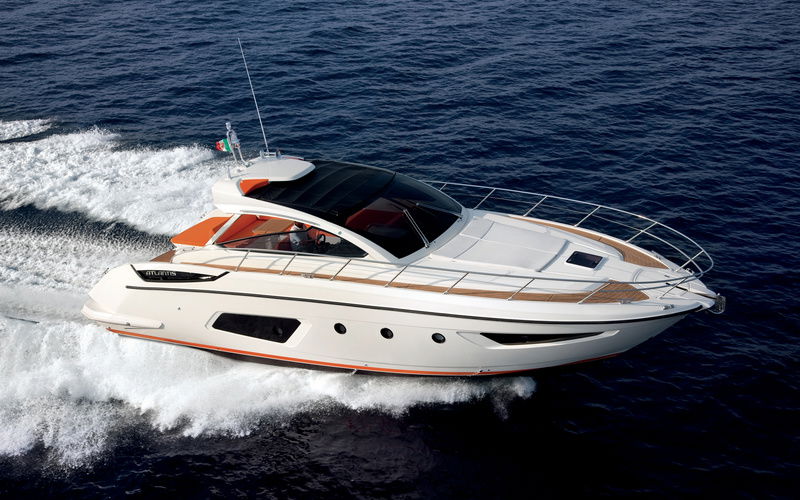


Images have been gathered from various sources and belong to their respective owners.
Review - Atlantis 44

MarineBroker
06/04/2024, 3:33 AM
2013 Atlantis 44: What Buyers and Owners Should Know Before Making a Move
If you’ve been looking at the 2013 Atlantis 44, you’re probably already drawn to the same things most people are: the sleek Italian styling, sporty performance, and the kind of onboard layout that makes weekends feel a lot bigger than they are. It’s a boat that tends to stand out at the dock, and for good reason.
But once the excitement settles, the real questions start showing up. Is it the right fit for your cruising style? What should you watch for in an older performance cruiser? How do you avoid buying into expensive maintenance surprises, especially with a boat that blends luxury finishes and serious mechanical systems?
That’s the problem many interested buyers and owners run into. The 2013 Atlantis 44 is attractive, but like any well-equipped express cruiser, it rewards careful evaluation. The good news is that most of the common concerns can be managed with the right knowledge. In this article, we’ll break down what makes the Atlantis 44 appealing, where the usual pain points are, and how to approach ownership or purchase with confidence.
- Why the 2013 Atlantis 44 Still Gets Attention
The Atlantis 44 was built for people who want a sporty yacht feel without stepping into a much larger vessel. It sits in that sweet spot between dayboat fun and practical cruising comfort.
For many buyers, the appeal comes down to a few key things:
- Strong exterior styling that still looks modern
- A layout that works well for entertaining and weekend trips
- Performance that feels more responsive than many traditional cruisers
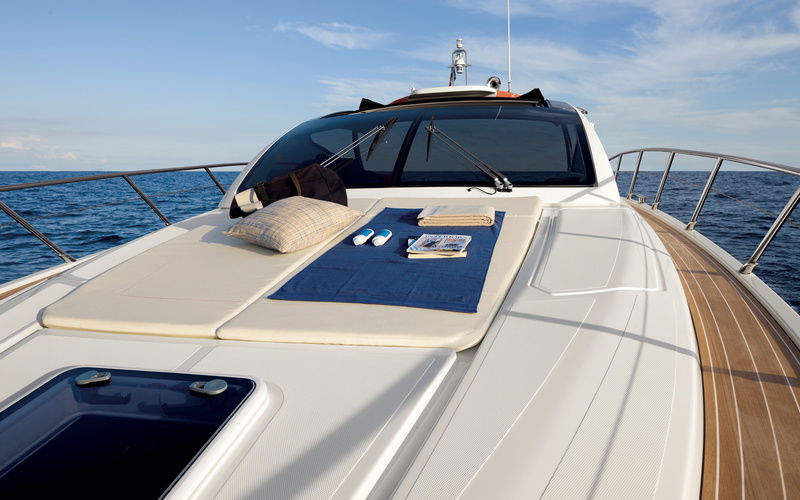
- A premium interior finish that gives the boat a more upscale feel
Even years after launch, the 2013 Atlantis 44 remains interesting because it offers a lot of boat in a manageable size. That matters if you want something you can actually use often, not just admire from afar.
- The Main Problem Buyers Face With the 2013 Atlantis 44
The biggest challenge with a used 2013 Atlantis 44 is not usually the design itself. It’s the condition of the specific boat you’re looking at.
That’s an important distinction.
Two boats of the same model can feel very different depending on:
- How well they were maintained
- Whether they were used in saltwater or freshwater
- How often the engines and systems were serviced
- Whether cosmetic wear was ignored or addressed early
- If upgrades were done properly or cheaply
With a performance cruiser like this, hidden issues can become expensive quickly. A buyer might fall in love with the look and layout, only to discover that the real cost is in deferred maintenance, aging electronics, worn upholstery, or propulsion service that was delayed for too long.
The solution is to evaluate the boat like a practical cruiser owner, not just a style-focused shopper.
- What Makes the 2013 Atlantis 44 a Good Boat to Evaluate Carefully
The Atlantis 44 is appealing because it balances speed, comfort, and aesthetics. But that same balance means there are multiple systems to inspect.
You’re not just checking the hull and engines. You’re also looking at:
- Electrical systems
- Plumbing and freshwater components
- Air conditioning
- Navigation electronics
- Interior joinery and soft goods
- Deck hardware and seals
- Thruster systems, if fitted
- Generator condition, if installed
That’s a lot to cover, but it’s also what makes the boat versatile. A well-kept Atlantis 44 can be a great day cruiser, a capable weekend boat, or even a light coastal cruiser depending on configuration.
The key is understanding that premium features usually mean premium upkeep.
- 2013 Atlantis 44: Common Areas to Inspect Before Buying
If you’re seriously considering a 2013 Atlantis 44, a thorough survey is non-negotiable. Even if the boat looks clean, the hidden stuff matters most.
Here are the main areas to focus on.
- Engines and propulsion
This is the first place most experienced buyers look. Engine hours matter, but service history matters more.
Check for:
- Regular oil and filter changes
- Coolant service
- Belt and hose condition
- Raw water pump wear
- Fuel system cleanliness
- Transmission service
- Any signs of overheating
If the boat has stern drives or another performance-oriented propulsion setup, inspect corrosion, alignment, seals, and the condition of running gear carefully.
- Hull and deck condition
Look for:
- Osmosis or blistering on the hull
- Stress cracks around fittings
- Soft spots in the deck
- Seal failures around hatches and windows
- Evidence of past repairs
A clean-looking exterior can hide water intrusion, so don’t rely on appearance alone.
- Interior moisture and ventilation
On many used express cruisers, interior moisture is a quiet problem that gets expensive over time.
Pay attention to:
- Musty smells
- Staining around windows or hatches
- Soft cabinetry or flooring
- Mold in hidden corners
- Signs of poor ventilation
Moisture damage can creep in slowly and affect both comfort and resale value.
- Electrical and electronics
Older electronics may still work fine, but they can become outdated or unreliable. Check:
- Chartplotter functionality
- Radar, if equipped
- Battery charging systems
- Shore power connections
- Inverter performance
- Lighting and switches
- Corrosion in panels or connectors
Electrical issues are often more annoying than dramatic, but they can be time-consuming to fix.
- Upholstery and exterior soft goods
Sun exposure does a number on boats, especially if they’ve been stored outside.
Inspect:
- Seat cushions
- Sunpads
- Canvas and covers
- Zippers and stitching
- Helm seats
- Non-skid surfaces
These are not usually deal-breakers, but they affect how much money you’ll need after purchase.
- The Practical Solution: Buy Based on Condition, Not Just Model Name
The easiest way to avoid disappointment with a 2013 Atlantis 44 is to treat it like a condition-driven purchase.
That means comparing individual boats, not just the badge on the stern.
A smart buying process includes:
1. Reviewing maintenance records
A boat with consistent service is usually a safer bet than one with vague paperwork.
2. Hiring a qualified marine surveyor
This is especially important for systems, moisture detection, and hidden structural issues.
3. Getting an engine mechanic involved
A survey alone is not enough. A good engine inspection can reveal expensive problems early.
4. Budgeting for immediate upgrades
Even a solid boat may need batteries, hoses, safety gear, or electronics updates.
5. Taking a sea trial seriously
Don’t just cruise around slowly. Test acceleration, handling, docking behavior, and system performance.
This approach helps you separate cosmetic appeal from real value.
- How to Know If the 2013 Atlantis 44 Fits Your Boating Style
Not every boat fits every owner, even when the boat itself is excellent.
The 2013 Atlantis 44 tends to suit people who want:
- A stylish cruiser with strong visual appeal
- Comfortable space for day trips and overnight stays
- A boat that feels sporty and responsive
- A manageable size for marina docking compared with larger yachts
- A vessel that can entertain guests easily
It may be less ideal if you want:
- Very simple systems with minimal upkeep
- Maximum fuel efficiency over performance
- Large liveaboard space
- A highly utilitarian, no-frills boating experience
So the real question is not “Is it a good boat?” but “Is it a good boat for how I actually use the water?”
- Performance Expectations for the 2013 Atlantis 44
One reason people like the Atlantis 44 is that it tends to deliver a more engaging ride than many heavier cruisers. That makes it fun, but it also means you should expect performance-focused ownership habits.
A few things to keep in mind:
- Plan for fuel consumption that matches a sporty cruiser, not a trawler
- Trim and load distribution will affect handling
- Propulsion condition has a big impact on ride quality
- Routine maintenance matters more when the boat is used hard
If you’re buying one, ask for real-world cruising data from the current owner. Top speed numbers are nice, but cruise range, fuel burn, and handling in chop are more useful.
That information helps you decide whether the boat matches your typical outings.
- Maintenance Tips That Help Protect a 2013 Atlantis 44
Once you own a boat like this, small habits make a big difference.
Here are practical maintenance steps that help preserve value and reliability:
- Flush engines properly after saltwater use
- Keep batteries fully charged and tested
- Inspect bilge areas regularly for water intrusion
- Clean and protect exterior upholstery from UV damage
- Service seals, pumps, and hoses on schedule
- Run the generator periodically if equipped
- Keep hatches, windows, and deck fittings sealed
- Wash and wax the hull to protect the finish
A clean, dry, well-documented boat usually ages much better than one that looks good only on the surface.
- What to Ask the Seller About a 2013 Atlantis 44
The right questions can save you a lot of time.
Ask the seller:
- How long have you owned the boat?
- Where was it stored?
- What kind of water was it used in?
- What major services were completed recently?
- Have the engines ever overheated?
- Are there any known issues with electronics or electrical systems?
- Has the boat ever had water intrusion?
- What upgrades or replacements have been done?
- Are all manuals and service records available?
You’re not just collecting facts. You’re also gauging how transparent the owner is. A clear, organized seller often makes the buying process much easier.
- Red Flags That Should Make You Slow Down
Some warning signs are easy to overlook when you really want the boat.
Be cautious if you notice:
- Missing service records
- Fresh paint or cosmetic work that hides repairs
- Strong mildew or fuel odors
- Uneven engine performance
- Corrosion around fittings or electrical components
- Soft spots in the deck
- Water stains near cabinetry or ceiling panels
- A seller who avoids technical questions
None of these automatically mean “walk away,” but they do mean you should dig deeper before making an offer.
- The Smart Way to Compare the 2013 Atlantis 44 to Similar Boats
If you’re shopping around, compare the Atlantis 44 against other express cruisers in the same size range.
Look at:
- Cabin layout
- Engine package
- Fuel economy
- Maintenance complexity
- Dealer/service support
- Resale reputation
- Storage and docking practicality
Sometimes the best boat on paper is not the best boat for your marina, your budget, or your crew. The Atlantis 44 often wins on style and presence, but it should still be judged alongside the practical realities of ownership.
- Final Buying Strategy for Interested Owners
If you’re close to buying a 2013 Atlantis 44, keep the process simple:
- Focus on condition first
- Verify maintenance history
- Inspect all major systems
- Sea trial the boat in real conditions
- Use survey results to negotiate fairly
- Leave room in your budget for post-purchase work
That’s the best way to turn an appealing boat into a satisfying ownership experience.
The 2013 Atlantis 44 can be a very rewarding choice for the right buyer. It offers strong style, a capable layout, and the kind of onboard feel that makes boating more enjoyable. But like any premium used cruiser, it pays to look beyond the glossy finish and evaluate the real condition underneath. If you approach it carefully, you’ll have a much better chance of ending up with a boat that delivers on the promise. For anyone considering one, a detailed survey, honest maintenance review, and realistic budget are the smartest next steps.
Specifications
General
Boat Type: Power Boats
Class Type: Cruiser
Specifications
Length: 44.06
Beam: 13.94
Draft: 8.86
Hull Material: GRP
Build
First Built: 2013
Propulsion
Fuel Type: Diesel
Engines: 2
Power: 700 HP
Brand: Cummins
Accomodation
Berths: 6
Cabins: 2
PROS & CONS
What we appreciated
 Spacious and comfortable layout suitable for extended cruisingSolid build quality with durable materialsEfficient and reliable diesel engine optionsGood storage capacity for gear and provisionsModern design with decent onboard amenities
What we didn’t appreciate
 Older model, may require maintenance or upgradesFuel consumption can be high compared to smaller boatsLimited resale market compared to more popular brandsSome electronics and systems may be outdatedPotentially higher mooring and docking fees due to size
Upkeep Costs
Fuel: Approximately $10,000 - $15,000 per year depending on usage
Maintenance and Repairs: Around $5,000 - $8,000 annually
Docking and Storage: $4,000 - $7,000 per year
Insurance: $1,500 - $3,000 per year
Miscellaneous (cleaning, registration, upgrades): $1,000 - $2,000 per year
Rating
7.8
User
Score
Score
Driveability
Technology
Interior
Design
Similar Boats


MarineBroker
Download now for an immersive boat experience like never before! ⛵✨ Your journey begins with a simple click. 🌊📲
#SetSailSmart #DownloadNow
#SetSailSmart #DownloadNow

Subscribe
Copyright 2017 - 2026, Marinebroker.net, All Rights Reserved