2004 Bayliner 242 Classic: What to Check, Fix, and Know Before You Buy or Own One
If you’re looking at a 2004 Bayliner 242 Classic, you’re probably trying to answer a pretty simple question: is this boat a smart buy, and what sho...
Discover
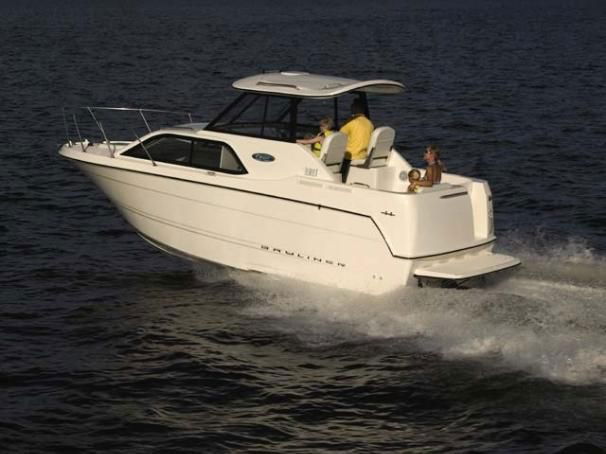
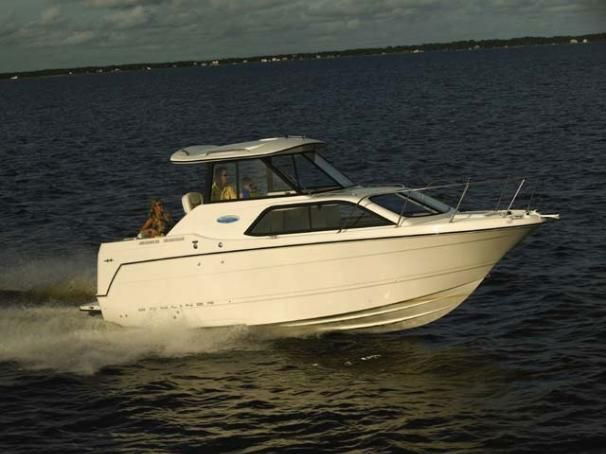
Images have been gathered from various sources and belong to their respective owners.
Latest Market Trends (Latest Available Year Model)
Price: $14,900
Review - Bayliner 242 Classic

MarineBroker
09/18/2024, 7:37 AM
2004 Bayliner 242 Classic: What to Check, Fix, and Know Before You Buy or Own One
If you’re looking at a 2004 Bayliner 242 Classic, you’re probably trying to answer a pretty simple question: is this boat a smart buy, and what should you watch out for? That’s a fair question, because older boats can be a great value, but only if you know where the common trouble spots are hiding.
The 242 Classic has a lot going for it. It’s a roomy family cruiser with a layout that works well for day trips, overnight stays, and relaxed weekends on the water. But like any boat that’s been around for two decades, condition matters a lot more than the badge on the hull. Two boats with the same model name can feel completely different depending on how they were maintained, stored, and used.
The good news is that most of the headaches people run into with a 2004 Bayliner 242 Classic are predictable. If you know what to inspect, what problems are common, and how to prioritize repairs, you can avoid expensive surprises and enjoy the boat with a lot more confidence.
- What Makes the 2004 Bayliner 242 Classic Popular
The 2004 Bayliner 242 Classic sits in a sweet spot for boaters who want a cabin cruiser without moving into a much larger, more expensive package. It’s big enough to feel useful and comfortable, but still manageable for many owners who trailer or keep their boat in a modest slip.
A few things make it appealing:
- Practical cabin space for weekend use
- Familiar layout that’s easy for guests to understand
- Good value compared with newer cruisers
- A size that works for lakes, bays, and protected coastal water
For many buyers, the attraction is simple: you get a usable family cruiser without paying brand-new-boat money. That said, the real value depends on the condition of the hull, engine, electrical system, and interior. A well-kept example can be a solid boat. A neglected one can become a project fast.
- The Main Problem Buyers Face With a 2004 Bayliner 242 Classic
The biggest issue isn’t one single defect. It’s uncertainty.
With a boat of this age, buyers often struggle to tell the difference between normal wear and serious hidden problems. Cosmetic cleanup can make a boat look better than it really is. Meanwhile, neglected maintenance can turn into costly repairs after the purchase.
Common concerns include:
- Water intrusion into the deck or transom
- Engine and drive wear
- Old hoses, wiring, and pumps
- Soft vinyl, tired canvas, and aging upholstery
- Outdated electronics
- Corrosion from poor storage or saltwater use
In other words, the challenge is not just “Is the 2004 Bayliner 242 Classic a good boat?” It’s “Is this specific boat still healthy enough to be worth the asking price?”
That’s where a careful inspection and a practical ownership plan come in.
- How to Judge the Hull, Deck, and Structure
The first thing to focus on is the boat’s structure. A clean interior means very little if the hull or deck has hidden damage.
Start with the hull exterior:
- Look for deep scratches, repairs, blistering, or uneven gelcoat
- Check the keel and chines for impact damage
- Inspect around thru-hulls and fittings for cracking or staining
Then move to the deck and walk every inch you can:
- Step around the cockpit and cabin floor to feel for soft spots
- Pay attention near hatches, seating bases, and hardware mounts
- Look for signs of flexing or movement underfoot
Soft decking is a warning sign because it often means water has been getting in for a while. On a boat like the 242 Classic, this can happen around hardware, rail mounts, or poorly sealed fittings.
Also check the transom carefully. A weak transom is a major concern on any sterndrive cruiser. Push, tap, and inspect for any signs of moisture, cracking, or separation around the drive area.
- 2004 Bayliner 242 Classic Engine and Drive Checks
The engine and sterndrive are where a lot of the value lives. If you’re not comfortable checking these yourself, it’s worth paying for a marine survey or a qualified mechanic’s inspection.
Things to look for:
- Cold start performance
- Smooth idle and clean throttle response
- Unusual smoke, knocking, or vibration
- Cooling system condition
- Oil quality and any milky appearance
- Drive bellows, gimbal bearing, and trim function
A boat can look great on the outside and still need major engine work. That’s why a sea trial matters so much.
During the test run, pay attention to:
- How quickly it planes
- Whether it holds temperature
- If the steering feels tight or sloppy
- Any hesitation under load
- Shifting quality in and out of gear
If the boat has a sterndrive, inspect the bellows closely. Cracked bellows can let water into the boat or drive assembly, which can create expensive problems. A buyer who skips this step may end up paying for repairs that could have been spotted early.
- Electrical and Plumbing Issues to Watch For
Older cruisers often have a mix of original parts and later upgrades. That’s not automatically bad, but it does mean you should inspect the systems carefully.
Electrical system checks:
- Battery age and charging condition
- Corrosion on terminals and breakers
- Condition of wiring behind panels
- Operation of lights, gauges, blower, and bilge pump
- Any signs of amateur splicing or messy repairs
If you see a lot of brittle wire, taped connections, or random add-ons, take that seriously. Electrical issues can be annoying at best and unsafe at worst.
Plumbing and water systems deserve attention too:
- Test the freshwater pump if equipped
- Check faucets, head operation, and holding tank function
- Inspect hoses for cracking or odor
- Look for leaks under sinks and around fittings
- Verify bilge pumps and float switches work properly
A lot of older boats get by with “good enough” systems until one failure turns into a larger mess. A simple pump or hose replacement is manageable. Hidden water damage from a long-term leak is not.
- Interior Wear: What’s Normal and What’s a Red Flag
The interior of a 2004 Bayliner 242 Classic should be judged with a realistic eye. A 20-year-old boat is not going to feel brand new, and that’s okay.
Normal age-related wear includes:
- Faded upholstery
- Worn carpet or flooring
- Loose cabinet latches
- Tired snaps and zippers
- Slight discoloration in cushions or trim
Red flags include:
- Strong mildew smell that won’t go away
- Stained headliner or cabin panels
- Water marks near windows or hatches
- Rot around wood trim or bulkheads
- Soft spots under cabin flooring
A musty smell often points to moisture problems, especially if the boat has spent time under a cover that trapped condensation. Don’t just open the hatch and assume fresh air fixed it. Check under cushions, inside lockers, and in hidden corners.
The cabin on this model is part of the appeal, so comfort matters. But comfort depends on dryness. A dry, clean older interior is usually a good sign that the boat has been cared for properly.
- Common Maintenance Problems on the 2004 Bayliner 242 Classic
If you own one already, or you’re considering buying one, it helps to know the usual maintenance items that tend to come up.
Common problem areas include:
1. Aging bellows and seals
These should be inspected regularly and replaced on schedule, not after they fail.
2. Pump and hose replacement
Bilge pumps, freshwater pumps, and hoses don’t last forever. If they’re original, they may be living on borrowed time.
3. Canvas and enclosure wear
Zippers, snaps, and clear vinyl often age faster than people expect.
4. Corrosion on hardware
Especially if the boat has seen saltwater use or poor rinsing habits.
5. Interior moisture issues
These can lead to mold, staining, and hidden rot if ignored.
6. Old batteries and charging components
A weak battery system can create hard starts and false troubleshooting headaches.
The key is to treat maintenance as prevention, not reaction. Boats like the 242 Classic stay enjoyable when small issues are handled early.
- How to Tell If a 2004 Bayliner 242 Classic Is a Good Deal
Price alone doesn’t tell you much. A cheap boat can be expensive if it needs major repairs, while a higher-priced one may actually save money if it’s better maintained.
A fair deal usually has these traits:
- Clean engine history or clear maintenance records
- Dry bilge and no signs of chronic leaks
- Solid deck and transom
- Working electronics and systems
- Decent upholstery and usable canvas
- Recent service on the drive and engine
A boat is often worth more when it has records. Receipts, service logs, and winterization documentation tell you the owner took maintenance seriously. That matters a lot on a 2004 Bayliner 242 Classic, because condition varies widely from one boat to another.
If the seller can’t explain when the impeller was last changed, when the bellows were replaced, or when the drive was serviced, assume you may need to catch up on maintenance right away.
- Practical Buying Strategy for This Model
If you’re shopping for one, here’s the simplest way to protect yourself.
Before making an offer:
- Inspect the boat in daylight
- Bring a flashlight and moisture knowledge if possible
- Run every system you can
- Ask for maintenance records
- Check the engine hours, but don’t rely on them alone
- Schedule a sea trial
- Get a marine survey if the boat is a serious contender
A survey may feel like an extra expense, but on an older cruiser it can save you from a very costly mistake. It also gives you leverage if repairs are needed.
When evaluating the boat, think in terms of total ownership cost, not just purchase price. A slightly more expensive 2004 Bayliner 242 Classic with a healthy engine and dry structure may be the better value by far.
- Ownership Tips to Keep It Reliable
If you already own one, the best solution is consistent upkeep. These boats respond well to regular maintenance and don’t need to be treated like museum pieces.
A smart ownership routine includes:
- Flushing and servicing the engine after use
- Checking bilge and pump operation often
- Keeping the boat dry and ventilated
- Inspecting bellows, hoses, and seals annually
- Replacing old batteries before they fail
- Using a quality cover or storing the boat under shelter
- Cleaning and protecting vinyl, carpet, and canvas
If the boat lives in saltwater, rinse it regularly and pay extra attention to corrosion. Salt exposure accelerates wear on hardware, wiring, and drive components.
If you trailer the boat, inspect the trailer too. A good boat on a bad trailer can still become a problem. Tires, bearings, lights, brakes, and bunks all matter.
- When the 2004 Bayliner 242 Classic Makes Sense
This model makes sense for buyers who want a comfortable, usable cruiser and are willing to inspect condition carefully. It’s a good fit if you value space, simple weekend boating, and a layout that works for family time.
It may be a strong choice if:
- You want a manageable cruiser with a cabin
- You’re comfortable doing routine maintenance
- You find a boat with records and a clean inspection
- You’re buying based on condition, not just appearance
It may not be the best fit if:
- You want a turn-key boat with zero maintenance
- You’re uncomfortable with older mechanical systems
- You’re shopping only by low price
- The boat shows signs of water intrusion or neglect
That’s the real answer with most used boats: the model matters, but the individual boat matters more.
- Conclusion
The 2004 Bayliner 242 Classic can be a solid, practical cruiser if you approach it the right way. The biggest challenge is separating a well-kept boat from one that only looks ready. By checking the structure, engine, drive, electrical system, and interior carefully, you can avoid the common traps that catch a lot of used-boat buyers.
If you already own one, steady maintenance is the best solution. Keep it dry, service the systems on schedule, and fix small issues before they grow. That’s how an older cruiser stays enjoyable instead of becoming a headache. If you’re still shopping, take your time, compare condition carefully, and don’t skip the survey.
Specifications
General
Boat Type: Power Boats
Class Type: Cruiser
Specifications
Length: 23.98
Beam: 8.6
Draft: 3.28
Hull Material: GRP
Build
First Built: 2004
Propulsion
Fuel Type: Gas
Engines: 1
Power: 220 HP
Brand: Unknown
Accomodation
PROS & CONS
What we appreciated
 Spacious cockpit suitable for family outingsAffordable price point for a 24-foot cruiserGood performance with reliable Mercruiser enginesComfortable cabin with sleeping accommodationsVersatile boat for both day cruising and overnight trips
What we didn’t appreciate
 Older model may require maintenance and upgradesLimited storage space compared to newer modelsBasic electronics and amenities by modern standardsFuel efficiency is moderate, not optimized for long tripsHull design may not perform well in rough waters
Upkeep Costs
Annual maintenance and repairs: $1,000 - $2,500
Fuel costs (depending on usage): $500 - $1,500 per season
Insurance: $300 - $700 per year
Storage (marina slip or dry storage): $800 - $2,000 per year
Registration and taxes: $100 - $300 per year

Rating
6.1
User
Score
Score
Driveability
Technology
Interior
Design
Similar Boats


MarineBroker
Download now for an immersive boat experience like never before! ⛵✨ Your journey begins with a simple click. 🌊📲
#SetSailSmart #DownloadNow
#SetSailSmart #DownloadNow

Subscribe
Copyright 2017 - 2026, Marinebroker.net, All Rights Reserved