Boat Type: Power Boats
Boat Class: Cruiser
Length: 40.32 ft
Berths: 6
Cabins: 3
Bathrooms: 2
Max Persons: 14
2017 Bavaria E40 Fly: What to Know Before Buying, Inspecting, or Cruising One
If you’ve been looking at the 2017 Bavaria E40 Fly, you’re probably already drawn to the idea of a stylish flybridge cruiser that can handle relaxed we...
Discover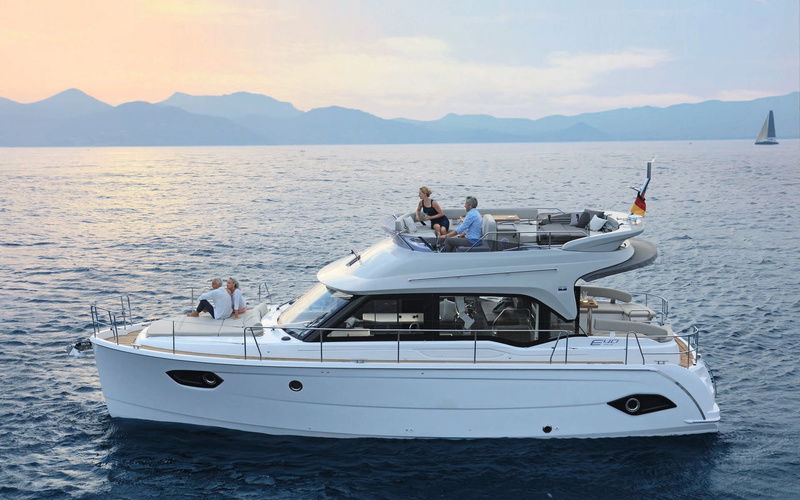
Images have been gathered from various sources and belong to their respective owners.
Review - Bavaria E40 Fly

MarineBroker
09/12/2024, 8:23 AM
2017 Bavaria E40 Fly: What to Know Before Buying, Inspecting, or Cruising One
If you’ve been looking at the 2017 Bavaria E40 Fly, you’re probably already drawn to the idea of a stylish flybridge cruiser that can handle relaxed weekends, longer coastal trips, and comfortable time aboard with family or friends. It’s an appealing boat for a lot of reasons: practical layout, good visibility from the flybridge, and the kind of onboard space that makes life feel easy when you’re out on the water.
But here’s the real challenge: boats like this can look perfect on paper and still hide the kind of issues that matter most in real ownership. Buyers often get stuck asking the same questions. Is it the right size for my use? What should I inspect carefully? What are the common weak spots on a used flybridge cruiser? And how do I make sure I’m choosing a boat that fits my boating style, not just my first impression?
That’s where a smart, methodical approach helps. In this guide, we’ll look at what makes the 2017 Bavaria E40 Fly attractive, what problems buyers commonly face, and how to evaluate it properly so you can make a confident decision.
- What Makes the 2017 Bavaria E40 Fly Stand Out
The 2017 Bavaria E40 Fly sits in a sweet spot for many boaters who want a manageable cruiser without giving up the comfort and presence of a larger yacht. At around 40 feet, it’s big enough to feel substantial, but not so large that docking and handling become overwhelming for a typical owner-operator.
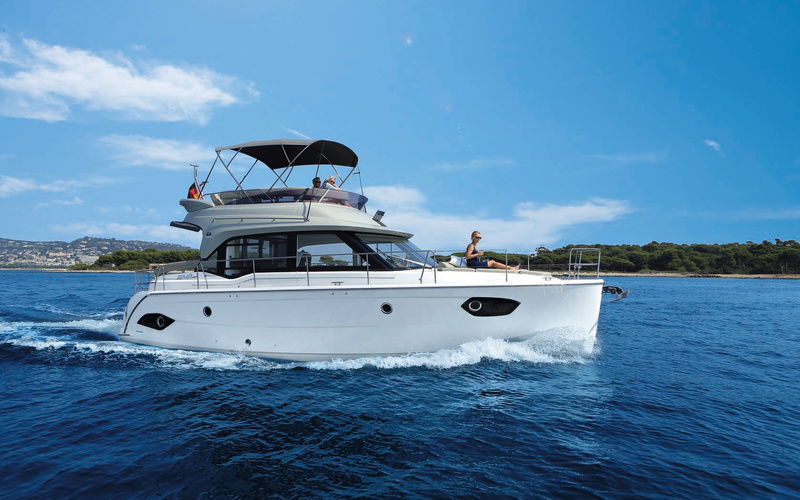
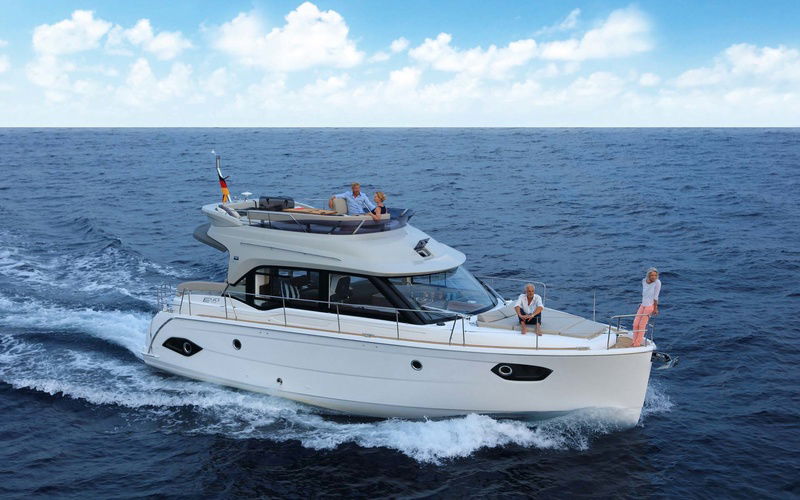
One of its biggest strengths is the flybridge layout. A flybridge gives you a second helm position with improved visibility, extra seating, and a more social space for cruising. For many owners, that upper deck becomes the favorite place on the boat during fair-weather runs.
The Bavaria E40 Fly is also known for practical use of space. Boats in this class are expected to offer:
- A comfortable saloon
- A functional galley
- Private cabins for overnight stays
- Easy movement between indoor and outdoor areas
- Good storage for cruising gear
That combination makes it attractive to couples, families, and buyers who want a versatile weekend cruiser. If you’re comparing similar boats, the E40 Fly often stands out because it aims for a balance between comfort, usability, and value.
- The Main Problem Buyers Face With a 2017 Bavaria E40 Fly
The biggest issue isn’t usually whether the boat looks good. It’s whether the boat has been maintained well enough to deliver the experience buyers expect.
Used cruisers of this type can develop problems in a few predictable areas:
- Moisture intrusion
- Engine and drivetrain wear
- Electrical issues
- Aging upholstery and soft furnishings
- Neglected service records
- Hidden damage from poor docking or grounding
A boat can appear clean and polished at a marina, but still have expensive problems underneath. That’s especially true if it has seen regular use in saltwater, has sat unused for long periods, or has had inconsistent maintenance.
For the 2017 Bavaria E40 Fly, the challenge is not that the model is inherently problematic. The challenge is that any 40-foot flybridge cruiser is a system of systems. If one area has been ignored, it can affect the whole ownership experience.
- Why the 2017 Bavaria E40 Fly Appeals to So Many Boaters
Before getting into inspection tips, it helps to understand why this model draws attention in the first place. When buyers are serious about the 2017 Bavaria E40 Fly, they usually want a boat that feels comfortable without being overly complicated.
Here’s what typically makes it appealing:
- Flybridge lifestyle: Great for cruising in good weather and entertaining.
- Manageable size: Large enough for real comfort, but still practical for many private owners.
- Family-friendly layout: Often a strong fit for short trips and weekend stays.
- Modern styling: Still looks current enough to hold interest in the used market.
- Cruising versatility: Suitable for coastal runs, marina life, and relaxed passages.
That said, the same features that make it attractive also create expectations. Buyers want quiet operation, reliable systems, and easy handling. If any of those feel off during a sea trial, the boat may not be the right match, or it may need more work than expected.
- How to Inspect a 2017 Bavaria E40 Fly the Smart Way
A proper inspection is the best solution to the most common buyer problem: uncertainty.
If you’re considering a used 2017 Bavaria E40 Fly, don’t rely on appearance alone. Use a structured approach and examine the boat as a complete package.
- Start with the paperwork
Documentation tells you a lot about how the boat has been treated.
Check for:
- Service records
- Engine maintenance history
- Warranty or dealer records if available
- Evidence of winterization or layup procedures
- Registration and title documents
- Any history of repairs, claims, or refits
A well-documented boat is usually a safer bet than a prettier boat with no records. Regular service history often reveals whether the owner was proactive or reactive.
- Examine the hull and deck carefully
Look for:
- Gelcoat cracks
- Stress marks around fittings
- Signs of impact or repairs
- Soft spots on the deck
- Water intrusion around windows, hatches, and hardware
Pay special attention to high-traffic areas and places where water tends to sit. On a flybridge cruiser, fittings and sealant lines matter a lot. Even minor leaks can lead to bigger issues over time.
- Test the engines and running gear
The propulsion system is one of the most important parts of the boat. During inspection and sea trial, watch for:
- Smooth starting
- Stable idle
- Clean acceleration
- No unusual smoke
- No vibration or knocking
- Normal operating temperatures
- Even throttle response
Also inspect:
- Shafts or sterndrives, depending on configuration
- Propellers
- Seals and bearings
- Fuel lines and filters
- Engine room cleanliness and accessibility
A clean engine room is not a guarantee of good maintenance, but it often suggests the owner paid attention.
- Check the electrical systems
Electrical issues are among the most frustrating problems on any cruiser because they can be intermittent and hard to diagnose.
Test:
- Navigation lights
- Cabin lighting
- Bilge pumps
- Battery charging systems
- Shore power connection
- Gauges and helm electronics
- Windlass and trim tabs, if fitted
Look for amateur wiring, corrosion, loose terminals, or signs of overheating. If you’re not comfortable evaluating this yourself, a marine surveyor or technician is worth it.
- Inspect the interior for moisture and wear
Inside the boat, look for:
- Stained headliners
- Musty smells
- Soft flooring
- Swollen woodwork
- Mold or mildew
- Worn seat cushions and upholstery
These are not just cosmetic concerns. Moisture problems often point to leaks that may have been ignored for years.
- Don’t skip the sea trial
A sea trial is where the boat tells the truth.
During the trial, note:
- How quickly it gets on plane
- Whether it tracks straight
- Helm response at different speeds
- Noise and vibration levels
- Steering feel
- Engine performance under load
- Visibility from both helm positions
If possible, test the boat in conditions similar to how you plan to use it. A calm harbor run is useful, but it won’t tell you how the boat behaves in chop, crosswind, or docking conditions.
- Common Issues to Watch for on a 2017 Bavaria E40 Fly
Every used boat has patterns, and the 2017 Bavaria E40 Fly is no exception. While specific condition depends on the individual boat, these are the kinds of issues buyers should be ready to evaluate.
- Wear from flybridge exposure
The flybridge gets more sun, wind, and rain than the main cabin. Over time, this can lead to:
- Faded upholstery
- Cracked vinyl
- Weathered instrument panels
- Loose covers
- Seal wear around hatches and seating
This is normal aging, but it can be expensive to refresh if neglected.
- Moisture around windows and hatches
Larger cruisers often have many openings, and each one is a potential leak point. If sealant has aged or hardware has loosened, water can work its way in.
Watch for:
- Discoloration around frames
- Soft trim
- Drips after rain
- Corrosion near fasteners
- Battery and charging problems
A boat that sits for long periods can develop battery issues. If the charging system hasn’t been maintained, you may see:
- Weak starting
- Low-voltage alarms
- Inconsistent electronics
- Short battery life
- Engine service neglect
Even a reliable engine can become a headache if oil changes, coolant checks, impeller replacement, and fuel system service were skipped. Ask for proof, not promises.
- Cosmetic wear that hides deeper use
A fresh polish and clean cushions can make a boat look better than it really is. Cosmetic presentation is nice, but it should never replace a real inspection.
- Is the 2017 Bavaria E40 Fly a Good Fit for Your Boating Style?
This is where buyers often make the biggest mistake: choosing the boat because it’s a good boat, but not necessarily the right boat for their routine.
The 2017 Bavaria E40 Fly is a strong fit if you:
- Want a comfortable cruiser for weekends or short holidays
- Like the social feel of a flybridge
- Value a practical layout over flashy luxury
- Plan to cruise with family or guests
- Want a boat that is large enough to feel capable but not excessive
It may be less ideal if you:
- Prefer a low-profile express cruiser
- Boat mostly solo and want minimal complexity
- Need something easier to handle in very tight slips
- Want the simplest possible maintenance routine
A flybridge boat adds enjoyment, but it also adds systems, surfaces, and maintenance points. That’s not a bad thing. It just means the boat should match your habits and confidence level.
- How to Reduce Ownership Stress After You Buy
If the inspection checks out and the boat feels right, the next goal is to keep it that way. The best solution to long-term problems is a simple maintenance routine from day one.
Here are some practical habits that make a big difference:
- Keep a service log
Track oil changes, filter replacements, battery checks, and seasonal service.
- Wash and inspect regularly
Salt, grime, and UV exposure cause damage slowly but steadily.
- Stay ahead of sealant and hardware issues
Small leaks are easier and cheaper to fix early.
- Run the boat consistently
Boats that sit are often more troublesome than boats that are used properly.
- Check bilges and moisture points often
A quick routine inspection can prevent major surprises.
- Protect the flybridge
Use covers where appropriate and keep upholstery out of harsh weather when possible.
If you own the boat or are planning to, these habits help preserve both comfort and resale value.
- What a Practical Buying Strategy Looks Like
If your goal is to buy a 2017 Bavaria E40 Fly with confidence, the smartest approach is simple:
- Narrow down the right example, not just the right model
- Review maintenance records before falling in love with the layout
- Inspect the boat in person with a checklist
- Hire a qualified marine surveyor
- Complete a detailed sea trial
- Budget for immediate post-purchase service
That last point matters more than many buyers expect. Even a good used boat often needs a few items addressed right away. Planning for that upfront keeps ownership enjoyable instead of stressful.
A realistic budget should include:
- Survey fees
- Haul-out or lift costs
- Initial servicing
- Antifouling or bottom work if needed
- Minor repairs and upgrades
That way, you’re not surprised by the first season of ownership.
- Why This Model Can Be a Smart Choice When Evaluated Properly
The 2017 Bavaria E40 Fly can be a very rewarding boat when the individual vessel has been cared for. Its layout suits relaxed cruising, its flybridge adds real enjoyment, and its size hits a practical middle ground for many private owners.
The key is to treat the buying process like a technical evaluation, not an emotional one. Boats reward careful buyers. When you inspect thoroughly, verify maintenance, and match the boat to your actual use case, you dramatically reduce the chance of regret later.
That’s the real solution here: don’t just ask whether the boat is attractive. Ask whether it has been maintained, whether it fits your boating style, and whether it has passed a proper inspection.
- Conclusion
The 2017 Bavaria E40 Fly offers a lot of what buyers want in a modern flybridge cruiser: comfort, visibility, usable space, and a layout that works well for relaxed time on the water. But like any used boat in this class, the best ownership experience depends on choosing the right example and inspecting it carefully.
If you focus on service history, moisture checks, engine condition, electrical systems, and a solid sea trial, you’ll be in a much better position to make a smart decision. In other words, the boat itself is only part of the answer. The real value comes from finding one that has been properly cared for and fits the way you actually cruise. If you’re still comparing options, keep learning and use a checklist approach before making your move.
Specifications
General
Boat Type: Power Boats
Class Type: Cruiser
Specifications
Length: 40.32
Beam: 13.78
Draft: 3.81
Hull Material: GRP
Build
First Built: 2017
Propulsion
Fuel Type: Diesel
Engines: 1
Power: 325 HP
Brand: Volvo Penta
Accomodation
Berths: 6
Cabins: 3
Bathrooms: 2
PROS & CONS
What we appreciated
 Spacious flybridge providing excellent outdoor living and panoramic viewsModern and stylish interior design with high-quality finishesGood performance with efficient engines offering smooth cruisingAmple accommodation with multiple cabins suitable for families or guestsWell-equipped with advanced navigation and onboard systems
What we didn’t appreciate
 Higher fuel consumption compared to smaller or more economical boatsFlybridge can be less accessible for elderly or mobility-impaired passengersMaintenance and repair costs may be higher due to advanced systemsLimited storage space in some areas for extended cruisingRelatively large size may restrict access to smaller marinas or anchorages
Upkeep Costs
Annual maintenance and servicing: $2,000 - $4,000
Insurance: $1,500 - $3,000 per year
Docking and marina fees: $3,000 - $8,000 per year
Fuel costs: $5,000 - $10,000 per year (depending on usage)
Winter storage and haul-out fees: $1,000 - $3,000 per year
Rating
7.9
User
Score
Score
Driveability
Technology
Interior
Design
Similar Boats


MarineBroker
Download now for an immersive boat experience like never before! ⛵✨ Your journey begins with a simple click. 🌊📲
#SetSailSmart #DownloadNow
#SetSailSmart #DownloadNow

Subscribe
Copyright 2017 - 2026, Marinebroker.net, All Rights Reserved