2009 Aquador 23 DC: What Owners Should Know Before Buying, Inspecting, or Restoring One
If you’re looking at a 2009 Aquador 23 DC, you’re probably already drawn to the same things that make this boat stand out: Scandinavian build...
Discover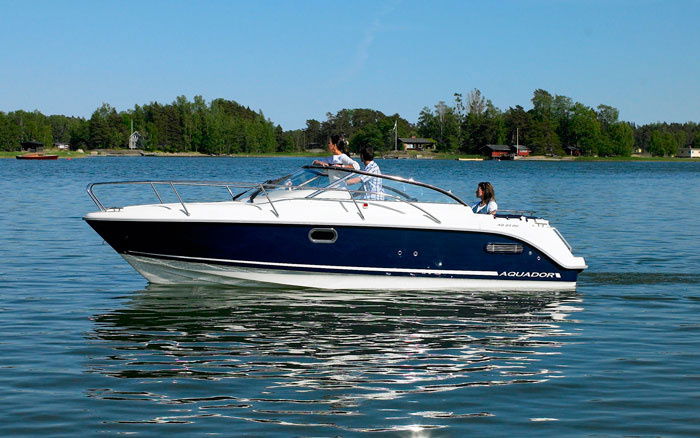
Images have been gathered from various sources and belong to their respective owners.
Review - Aquador 23 DC

MarineBroker
03/21/2024, 9:48 AM
2009 Aquador 23 DC: What Owners Should Know Before Buying, Inspecting, or Restoring One
If you’re looking at a 2009 Aquador 23 DC, you’re probably already drawn to the same things that make this boat stand out: Scandinavian build quality, a smart deck layout, and the kind of practical comfort that works well for weekends, day cruising, and family boating. It’s a boat with a strong reputation, but like any used vessel that’s now well past the “new” stage, it can also come with a few hidden headaches.
That’s usually the real challenge for buyers and owners. The boat itself may look great in photos, but the important questions are underneath the surface: How well has it been maintained? Are there any age-related issues to watch for? What should you inspect before buying, and what should you prioritize if you already own one?
The good news is that most of the common concerns around a 2009 Aquador 23 DC are manageable when you know where to look. With the right inspection checklist, a little preventive maintenance, and a clear understanding of the boat’s strengths and weak points, you can make a much smarter decision and enjoy the boat with fewer surprises.
- Why the 2009 Aquador 23 DC still gets attention
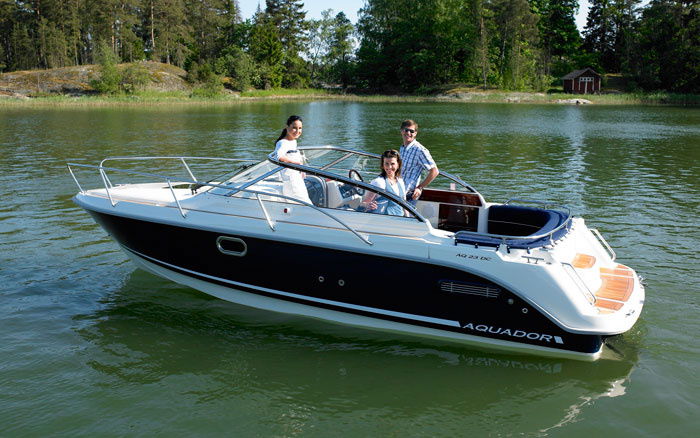
The Aquador 23 DC sits in a sweet spot for many boaters. It’s compact enough to handle easily, but large enough to feel comfortable for day trips and short overnight use. For people who want a boat that can cruise confidently without becoming a maintenance burden, that balance matters a lot.
A few reasons this model remains popular:
- Practical cockpit and cabin layout
- Good reputation for solid construction
- Comfortable for family use
- Manageable size for trailering and marina storage
- Strong resale interest among buyers who know the brand
That said, older boats are always a mix of design quality and maintenance history. A well-kept 2009 model can still be a great buy. A neglected one, even if it looks polished on the outside, can become expensive fast.
- The main problem buyers face with a 2009 Aquador 23 DC
The biggest issue isn’t usually one single defect. It’s the uncertainty that comes with buying a 15+ year-old boat.
With a 2009 Aquador 23 DC, the most common buyer concerns are:
- Hidden moisture intrusion
- Aging upholstery and soft furnishings
- Worn canvas or enclosure components
- Engine and drive wear
- Electrical issues from age or previous repairs
- Gelcoat, trim, and hardware fatigue
- Maintenance records that are incomplete or missing
In other words, the challenge is not “Is this a good boat?” but “How has this specific boat aged?”
That’s why two identical-looking boats can have very different real-world value. One may be a clean, well-documented cruiser with years of careful ownership. Another may have been used hard, stored poorly, and patched together over time.
- What makes the 2009 Aquador 23 DC worth considering
Before focusing too much on the problems, it helps to understand why this model still earns attention.
The 2009 Aquador 23 DC is attractive because it offers a combination of comfort and usability that many smaller cruisers miss. It’s typically viewed as a boat for people who want more than a basic runabout, but don’t want the size and complexity of a larger cabin cruiser.
Common strengths include:
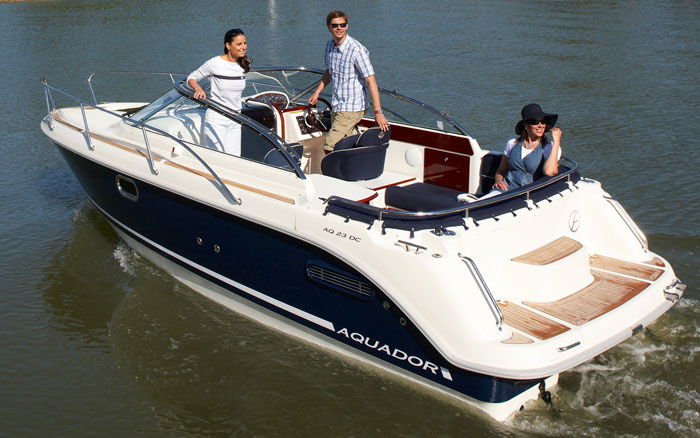
- A well-thought-out deck layout
- A cabin that adds real utility for changing, storage, or overnight shelter
- Good general handling for coastal and inland use
- A premium feel compared with many mass-market boats
- A design that still looks modern enough to hold interest
For the right buyer, this makes the boat a practical choice rather than just a nostalgic one. The key is knowing what to inspect so the good parts stay good.
- The most important inspection points before buying
If you’re evaluating a 2009 Aquador 23 DC, don’t rely on a quick walkaround. You need a methodical inspection, especially because older boats often hide their biggest issues in places that are easy to miss.
- Check for moisture and structural concerns
Moisture is one of the most important things to check on any older boat.
Look closely at:
- Deck surfaces around fittings
- The transom area
- Around hatches and windows
- Under seating and storage compartments
- Areas near cleats, rails, and hardware mounts
Soft spots, discoloration, musty smells, or signs of previous repairs can all point to water intrusion. If possible, a moisture meter and a marine surveyor are worth the money.
- Inspect the engine and drive system
Even if the hull looks great, the propulsion system can make or break the deal.
Focus on:
- Service records
- Oil condition and change history
- Cooling system maintenance
- Belts, hoses, and clamps
- Corrosion on metal parts
- Shift and throttle response
- Any unusual vibration or noise during sea trial
A sea trial is essential. A boat that starts fine at the dock may behave very differently under load.
- Examine electrical systems
Older boats often develop electrical gremlins over time.
Check:
- Battery age and condition
- Shore power setup
- Charging system
- Navigation lights
- Cabin lighting
- Bilge pump operation
- Switch panels and wiring cleanliness
If wiring looks messy, corroded, or poorly modified, expect future troubleshooting.
- Review canvas, upholstery, and interior condition
These may seem cosmetic, but they matter for comfort and resale.
Inspect:
- Seats and cushions for cracking or mildew
- Canvas for stitching failure or UV damage
- Enclosure zippers and windows
- Cabin lining and trim
- Signs of leaks around windows or hatches
Replacing these items can be costly, so they should be part of your buying decision.
- Common age-related issues on a 2009 Aquador 23 DC
Most older boats develop a familiar set of problems. The 2009 Aquador 23 DC is no exception.
- Water intrusion around fittings
Any boat from this era can develop leaks around hardware, especially if sealant has aged out. Even a small leak can lead to bigger issues over time.
What to watch for:
- Rust stains
- Soft deck areas
- Staining in the cabin
- Loose fittings
- Repaired but unsealed hardware
The practical fix is usually resealing, but if the core is damaged, the repair becomes more involved.
- Aging upholstery and trim
Sun, moisture, and regular use wear down soft surfaces. This is especially common on boats that were stored outdoors.
Signs include:
- Cracked vinyl
- Flattened cushions
- Faded panels
- Loose stitching
- Mold or mildew odors
This doesn’t make the boat unusable, but it does affect comfort and value.
- Corrosion on hardware and fasteners
Saltwater use, even occasional, can leave a mark. Stainless steel can still show staining or pitting over time, and mixed-metal corrosion is common around fittings.
Inspect:
- Hinges
- Cleats
- Rail bases
- Screws and bolts
- Engine mounting points
Small corrosion spots are normal. Heavy corrosion means more work ahead.
- Aging hoses, seals, and impellers
These are the kinds of maintenance items that often get overlooked by casual buyers.
Replace or inspect carefully:
- Fuel hoses
- Cooling hoses
- Drain hoses
- Seals and gaskets
- Impellers
- Belts and clamps
Even if the boat has low hours, age alone can make these parts unreliable.
- How to solve the biggest ownership problems
The best way to enjoy a 2009 Aquador 23 DC is to approach it like a smart used-boat buyer, not like someone shopping for a new toy. The solution is not perfection. It’s prevention, documentation, and realistic budgeting.
- Start with a full survey
A marine survey is one of the best investments you can make.
A good survey helps you:
- Identify hidden structural issues
- Verify engine and systems condition
- Estimate repair costs
- Negotiate more effectively
- Avoid buying a problem boat
If you’re serious about the boat, don’t skip this step.
- Budget for immediate maintenance
Even a clean used boat usually needs something after purchase.
A sensible first-season budget might include:
- Engine service
- Battery replacement
- Antifouling and bottom maintenance
- Sealant and hardware touch-ups
- Safety equipment updates
- Upholstery or canvas repairs
This isn’t a sign the boat is bad. It’s just part of owning an older cruiser.
- Prioritize water protection
If you own one already, keeping water out should be your top maintenance goal.
That means:
- Resealing deck fittings as needed
- Checking hatches and windows annually
- Keeping drain paths clear
- Inspecting the transom and bilge regularly
- Fixing small leaks quickly
A little prevention now can save a lot of repair work later.
- Service the engine on schedule, not just when something feels wrong
Older boats often get run based on “it seems fine,” but that’s risky.
Stay ahead with:
- Regular oil and filter changes
- Fuel system checks
- Impeller replacement
- Drive inspection
- Corrosion control
- Cooling system flushing where appropriate
Consistent maintenance keeps the boat more reliable and protects resale value.
- Use the boat regularly
This sounds simple, but it matters.
Boats that sit unused tend to develop more problems than boats that are exercised and maintained. Running systems regularly helps expose issues early, before they become expensive.
- What a good 2009 Aquador 23 DC should feel like on the water
A well-kept 2009 Aquador 23 DC should feel solid, predictable, and comfortable for its size.
During a sea trial, you want to notice:
- Smooth acceleration
- Stable tracking
- Reasonable noise and vibration levels
- Responsive steering
- No persistent warning lights
- Dry bilge and no unusual smells
- Comfortable operation at cruising speed
If the boat feels loose, noisy, or overly wet, dig deeper. A good boat usually gives you a confident, composed impression.
- Who this boat is best suited for
The 2009 Aquador 23 DC is a strong fit for buyers who want a manageable cruiser with a premium feel.
It tends to suit:
- Couples who want weekend cruising
- Small families
- Experienced boaters downsizing from larger boats
- Buyers who value comfort over speed
- People who want a boat that feels more refined than basic open bow models
It may be less ideal for someone who wants maximum overnight space, very low maintenance, or a brand-new warranty-backed purchase.
- Smart buying tips for this model
If you’re shopping for one now, keep these practical tips in mind:
1. Compare maintenance history, not just asking price
A cheaper boat with weak records can cost more in the end.
2. Inspect more than the cosmetics
A shiny polish job can hide real issues.
3. Factor in replacement parts
Canvas, upholstery, batteries, and hoses may all need attention.
4. Sea trial the boat in realistic conditions
Dock-only testing is not enough.
5. Get a second opinion if anything feels off
A surveyor or technician can save you from a costly mistake.
- Why this model can still be a smart buy
The reason people keep looking at the 2009 Aquador 23 DC is that it offers real value when the right boat is found. It has the kind of layout and build quality that still makes sense today, especially for buyers who want a refined day cruiser with practical cabin space.
The trick is not expecting a 2009 boat to behave like a new one. Instead, look for a well-maintained example, inspect it thoroughly, and plan for normal age-related upkeep. That approach turns a potentially risky purchase into a very workable and enjoyable boat ownership experience.
- Conclusion
The 2009 Aquador 23 DC can be a very rewarding boat, but only if you approach it with clear eyes. The main challenge is not the model itself; it’s the condition of the individual boat you’re considering. Moisture, aging systems, worn upholstery, and maintenance gaps are the biggest things to watch for.
The practical solution is simple: inspect carefully, survey professionally, and budget for sensible maintenance. If you already own one, focus on water intrusion prevention, engine care, and regular system checks. Do that, and this boat can still deliver exactly what many people want from a compact cruiser: comfort, confidence, and easy days on the water.
If you’re researching further, it’s worth comparing service histories, layout details, and owner feedback before making your next move.
Specifications
General
Boat Type: Power Boats
Class Type: Cruiser
Specifications
Length: 23.46
Beam: 8.4
Draft: 2.79
Hull Material: GRP
Build
First Built: 2009
Propulsion
Fuel Type: Diesel
Engines: 1
Power: 190 HP
Brand: Unknown
Accomodation
Berths: 5
PROS & CONS
What we appreciated
 Solid build quality typical of Aquador boatsSpacious deck layout suitable for day cruisingGood handling and maneuverability for its sizeComfortable seating with decent storage optionsReliable Volvo Penta engine options available
What we didn’t appreciate
 Limited cabin space compared to larger modelsOlder model may lack modern electronics and amenitiesFuel efficiency could be improvedMaintenance costs can be higher due to ageResale value may be lower compared to newer boats
Upkeep Costs
Fuel: Approximately $1,500 - $3,000 per season depending on usage
Maintenance and Repairs: Around $1,000 - $2,000 annually
Insurance: Typically $300 - $600 per year
Storage and Mooring: $500 - $2,000 per season depending on location
Registration and Taxes: $50 - $200 annually

Rating
7.0
User
Score
Score
Driveability
Technology
Interior
Design
Similar Boats


MarineBroker
Download now for an immersive boat experience like never before! ⛵✨ Your journey begins with a simple click. 🌊📲
#SetSailSmart #DownloadNow
#SetSailSmart #DownloadNow

Subscribe
Copyright 2017 - 2026, Marinebroker.net, All Rights Reserved