2013 Bayliner 175 Bowrider: What Owners Need to Know Before Buying, Using, or Upgrading
The 2013 Bayliner 175 Bowrider is one of those small runabouts that keeps showing up in conversations for a reason. It’s affordable, easy to ...
Discover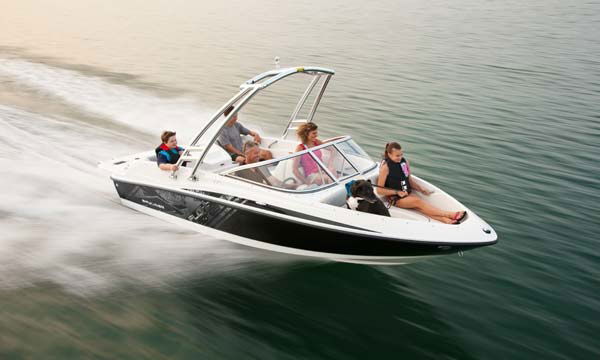
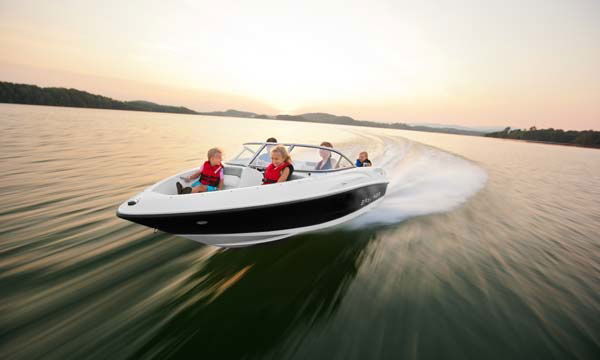
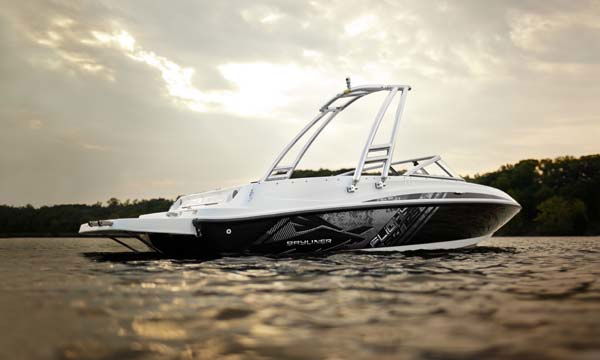
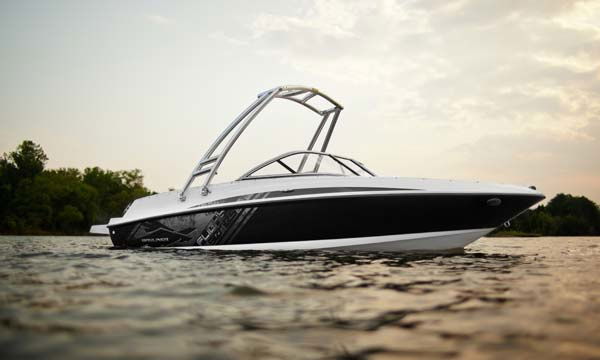
Images have been gathered from various sources and belong to their respective owners.
Latest Market Trends (Latest Available Year Model)
Price: $17,141
Review - Bayliner 175 Bowrider

MarineBroker
09/16/2024, 1:40 PM
2013 Bayliner 175 Bowrider: What Owners Need to Know Before Buying, Using, or Upgrading
The 2013 Bayliner 175 Bowrider is one of those small runabouts that keeps showing up in conversations for a reason. It’s affordable, easy to trailer, and simple enough for new boaters to feel comfortable with, yet roomy enough for casual family cruising, tubing, and lake days. That said, people looking into this boat often run into the same problem: they want to know whether it’s actually a smart buy, what common issues to watch for, and how to get the most out of it without spending more than the boat is worth.
That’s a fair concern. With used boats, the real value isn’t just in the model name or the year—it’s in the condition, maintenance history, and whether the boat fits the way you plan to use it. A 2013 Bayliner 175 Bowrider can be a great fit for budget-minded boaters, but only if you know what to inspect, what upgrades matter, and what problems are common for this size and style of boat.
In this article, we’ll walk through the practical side of owning, buying, and improving a 2013 Bayliner 175 Bowrider so you can make a smarter decision and enjoy the water with fewer surprises.
- Why the 2013 Bayliner 175 Bowrider Still Gets Attention
The Bayliner 175 is a compact bowrider designed for relaxed recreational use. It’s not trying to be a luxury performance boat, and that’s part of its appeal. For many people, it hits the sweet spot between affordability, simplicity, and enough versatility for family fun.
A few reasons this model still gets searched a lot:
- It’s usually more affordable than larger bowriders
- It’s easy to trailer and store
- It works well for lakes, rivers, and calm coastal waters
- It’s approachable for first-time boat owners
- It offers enough seating for small groups without feeling oversized
If your boating style is mostly day trips, cruising, and light watersports, the 2013 Bayliner 175 Bowrider can make a lot of sense. But if you expect a deep offshore ride, premium fit and finish, or heavy-duty performance, this isn’t really the right match.
- The Main Problem: How Do You Know If a Used 2013 Bayliner 175 Bowrider Is Worth It?
This is the big question most shoppers run into. The model itself may look appealing, but buying a used boat always comes with uncertainty. Two boats from the same year can feel completely different depending on storage, maintenance, and usage history.
The most common concern is not whether the boat exists—it’s whether the specific boat in front of you has hidden issues.
Typical buyer worries include:
- Engine condition and service history
- Hull damage or stress cracks
- Soft spots in the floor or transom
- Electrical problems
- Upholstery wear
- Trailer condition
- Whether the boat has been stored properly
The good news is that most of these issues are manageable if you know what to check. In many cases, the solution is not avoiding the boat altogether, but learning how to inspect it properly and budget for a few smart fixes.
- What the 2013 Bayliner 175 Bowrider Is Best For
Before getting into problems and solutions, it helps to be clear about what this boat does well.
The 2013 Bayliner 175 Bowrider is generally best for:
- Family cruising on calm water
- Short day trips
- Tubing and light watersports
- Fishing in a casual, non-serious way
- First-time boaters who want a manageable size
- Owners who need easy trailering and storage
It’s a compact bowrider, so it’s designed around convenience. That means you’re getting a boat that’s easy to launch, easy to handle, and easier to maintain than larger, more complex models.
For the right owner, that simplicity is the real value.
- Common Issues to Check on a 2013 Bayliner 175 Bowrider
If you’re shopping for one, the smartest move is to inspect the boat like a detective, not a dreamer. A clean-looking boat can still hide expensive problems.
Here are the main areas to examine.
- 1. Engine and Running Condition
The engine is usually the most important part of the boat’s value. On a used 2013 Bayliner 175 Bowrider, look for:
- Easy cold starting
- Smooth idle
- No unusual knocking or grinding
- Clean oil and coolant condition
- No excessive smoke
- Proper shifting in and out of gear
If the seller says the boat “ran fine last season,” that’s not enough. Ask for maintenance records, winterization history, and any recent repairs.
A water test is ideal. It gives you a real sense of how the boat accelerates, idles, and handles under load.
- 2. Hull and Gelcoat Condition
The hull should be inspected carefully for:
- Deep scratches
- Repairs
- Stress cracks
- Dents or impact marks
- Signs of previous grounding
Small cosmetic wear is normal on a boat this age. What you want to avoid is evidence of major damage or poor repairs.
Look closely around the keel, chines, and transom area, since those spots often take the most abuse.
- 3. Floor, Stringers, and Transom
This is where a lot of used boat buyers get caught off guard. A boat can look great on the outside and still have structural trouble underneath.
Check for:
- Soft spots in the floor
- Flexing when you walk
- Water intrusion
- Moldy or musty smells
- Loose fittings around the transom
- Cracks near stress points
If the floor feels spongy or the transom shows movement, that can become a costly repair. This is one of the biggest reasons a pre-purchase inspection is worth it.
- 4. Upholstery and Interior Wear
The interior is usually easier to fix than the engine or structure, but it still matters. Common wear points include:
- Torn seats
- Faded vinyl
- Mildew
- Cracked cushions
- Loose hinges
- Broken snaps or storage lids
These issues may not stop the boat from running, but they do affect comfort and resale value. A little wear is expected in a 2013 model, especially if it lived outdoors.
- 5. Electrical and Accessories
A lot of small boats develop annoying electrical issues over time. Test everything:
- Navigation lights
- Bilge pump
- Horn
- Gauges
- Stereo
- Trim systems
- Battery charging setup
Weak wiring, corroded terminals, and tired batteries are common on older runabouts. These are usually fixable, but they can become frustrating if ignored.
- 6. Trailer Condition
People often focus on the boat and forget the trailer. That’s a mistake.
Check for:
- Rust
- Tire wear
- Bearing condition
- Winch function
- Lights
- Bunks or rollers
- Frame damage
A bad trailer can turn a good boat into a headache. If you plan to tow the 2013 Bayliner 175 Bowrider often, the trailer deserves just as much attention as the boat itself.
- How to Decide If This Boat Is a Good Fit for You
The best way to judge the 2013 Bayliner 175 Bowrider is to match it to your actual boating habits.
This boat is a good fit if you:
- Boat mostly on lakes or protected waters
- Want something easy to launch and retrieve
- Prefer low operating costs
- Need a practical family boat
- Are okay with basic features rather than luxury trim
- Want a manageable size for solo or two-person handling
It may not be ideal if you:
- Need lots of passenger space
- Want high-end finishes
- Plan to do long-distance cruising
- Expect rough-water performance
- Need a boat for frequent heavy-duty watersports
A lot of buyer disappointment comes from mismatched expectations. The 2013 Bayliner 175 Bowrider is a practical boat first. Once you understand that, it becomes much easier to evaluate.
- Practical Solution: How to Buy Smarter and Avoid Regret
If your problem is uncertainty, the solution is a simple process. Don’t buy based on appearance alone. Use a checklist and verify the boat’s condition before money changes hands.
Here’s a practical approach.
- 1. Ask for Maintenance Records
Good owners usually keep records. Look for:
- Oil changes
- Winterization
- Impeller replacement
- Battery replacement
- Tune-ups
- Trailer service
No records don’t automatically mean trouble, but records do add confidence.
- 2. Inspect the Boat in Daylight
Never do a serious inspection in bad lighting or at night. Bring a flashlight and take your time.
Check:
- Under seats
- Inside storage compartments
- Around the engine bay
- Under the bow cushions
- Around drain plugs and fittings
Small clues often reveal bigger problems.
- 3. Test Everything
Make a habit of testing every major system before buying.
That includes:
- Starting the engine cold
- Steering
- Throttle response
- Gauges
- Pump systems
- Electrical accessories
- Trailer lights
If something doesn’t work, ask why. “It just needs a fuse” is common seller language, but you still need to verify it.
- 4. Get a Marine Survey or Mechanic Inspection
If you’re serious about buying, this is one of the best investments you can make. A marine mechanic or surveyor can identify issues you may miss.
This is especially valuable if:
- The boat has no records
- The seller is unsure about repairs
- You’re new to boating
- The price seems too good to be true
A few hundred dollars spent on inspection can save thousands later.
- 5. Budget for Immediate Fixes
Even a decent used boat usually needs something. That’s normal.
Plan for possible costs like:
- Battery replacement
- Impeller service
- New plugs or filters
- Trailer tires
- Upholstery repairs
- Safety gear replacement
- Cleaning and detailing
Thinking this way keeps surprises from ruining the experience.
- Smart Upgrades That Improve the 2013 Bayliner 175 Bowrider
If you already own one, or you’re planning to buy one, the best upgrades are the ones that improve reliability and comfort without overinvesting.
Here are the upgrades that usually make the most sense.
- 1. Battery and Charging Improvements
A strong battery setup is one of the simplest ways to improve reliability. If the boat sits for long periods, consider:
- A quality marine battery
- A battery switch
- A smart charger
- Clean, corrosion-free terminals
This reduces starting problems and helps protect electronics.
- 2. Bilge and Safety Equipment
Basic safety gear matters more than cosmetic upgrades.
Make sure you have:
- Life jackets for everyone
- Fire extinguisher
- Throwable flotation device
- Working bilge pump
- First aid kit
- Anchor and line
For a small bowrider, safety equipment should be easy to access and in good condition.
- 3. Upholstery and Sun Protection
If the seats are faded or cracked, reconditioning can make the boat feel much newer. You don’t always need a full reupholstery job right away.
Sometimes the better move is:
- Cleaning and conditioning vinyl
- Replacing a few damaged cushions
- Using seat covers
- Adding a bimini top for shade
That can improve comfort a lot, especially on hot days.
- 4. Trailer Maintenance
A well-maintained trailer makes boating easier and safer.
Focus on:
- Bearings
- Tires
- Lights
- Winch strap
- Bunks
- Rust prevention
If you tow regularly, this is one of the best places to spend a little money.
- 5. Navigation and Convenience Upgrades
Depending on how you use the boat, a few modest upgrades can make a big difference:
- GPS or phone mount
- Better docking lines
- Fender holders
- USB charging ports
- Updated stereo
- LED lighting
These aren’t flashy, but they improve the day-to-day boating experience.
- Ownership Tips for Keeping It in Good Shape
Once you own a 2013 Bayliner 175 Bowrider, the key to keeping it enjoyable is consistency. Small maintenance habits prevent bigger problems later.
A few useful habits:
- Flush the engine after use if applicable
- Rinse salt or lake residue off the boat and trailer
- Keep the bilge clean and dry
- Store it covered when possible
- Charge the battery between outings
- Check tire pressure before towing
- Inspect the propeller for damage
- Drain water before storage
If you use the boat regularly, a simple maintenance routine goes a long way. Boats tend to reward owners who stay ahead of small issues.
- Why This Model Can Be a Good Value
The 2013 Bayliner 175 Bowrider often appeals to buyers because it offers a straightforward boating experience without the cost and complexity of larger boats.
Its value usually comes from:
- Lower purchase price compared with bigger runabouts
- Easier towing and storage
- Lower fuel use than larger boats
- Simpler maintenance
- Good entry point for new boaters
For someone who wants fun on the water without taking on a massive project, that’s a strong combination.
The key is to buy the right example. Condition matters more than almost anything else.
- What to Remember Before You Buy
If you’re looking at a 2013 Bayliner 175 Bowrider, keep this in mind:
- It’s a practical, compact bowrider
- It’s best for calm-water recreation
- Condition matters more than year alone
- Engine, floor, and trailer inspection are critical
- A pre-purchase inspection is worth it
- Small upgrades can improve reliability and comfort a lot
That’s the real solution to the common buyer problem: don’t just ask whether the boat is a good model. Ask whether this specific boat has been cared for well enough to justify the purchase.
- Conclusion
The 2013 Bayliner 175 Bowrider can be a solid choice for boaters who want an affordable, easy-to-handle runabout for family fun, cruising, and light watersports. The biggest challenge is not the boat itself, but knowing how to judge its condition before buying. If you inspect the engine, hull, floor, trailer, and electrical systems carefully, you can avoid most of the common surprises.
For owners, the best results come from simple maintenance and a few smart upgrades that improve reliability and comfort. If you take a practical approach, this boat can deliver plenty of enjoyable days on the water without becoming a financial headache. If you’re still comparing options, it’s worth looking at maintenance guides and used-boat inspection resources before making a final decision.
Specifications
General
Boat Type: Power Boats
Class Type: Bowrider
Specifications
Length: 17.49
Beam: 6.92
Draft: 2.99
Hull Material: GRP
Build
First Built: 2013
Propulsion
Fuel Type: Gas
Engines: 1
Power: 135 HP
Brand: Mercruiser
Accomodation
PROS & CONS
What we appreciated
 Affordable price point for a bowriderSpacious seating with comfortable layout for family and friendsEasy to handle and maneuver, great for beginnersGood fuel efficiency with modest engine sizeVersatile for various water activities like tubing, cruising, and fishing
What we didn’t appreciate
 Limited engine power compared to larger modelsBasic features and amenities may feel outdatedSmaller storage capacity for gear and equipmentNot ideal for rough water conditions due to smaller sizeSome owners report durability issues with upholstery and trim
Upkeep Costs
Fuel: Approximately $1,200 - $1,800 per season, depending on usage and fuel prices
Maintenance and Repairs: Around $500 - $1,000 annually, including engine servicing, hull cleaning, and minor repairs
Insurance: Typically $300 - $600 per year, depending on coverage and location
Storage and Mooring: $500 - $2,000 per year, depending on location and type (marina slip, dry storage, etc.)
Registration and Taxes: $50 - $200 annually, depending on state regulations

Rating
5.4
User
Score
Score
Driveability
Technology
Interior
Design
Similar Boats


MarineBroker
Download now for an immersive boat experience like never before! ⛵✨ Your journey begins with a simple click. 🌊📲
#SetSailSmart #DownloadNow
#SetSailSmart #DownloadNow

Subscribe
Copyright 2017 - 2026, Marinebroker.net, All Rights Reserved