Boat Database » Askeladden 505 Excel
Askeladden 505 Excel
Outboard four-stroke, Unleaded, 1x 0 HP
Power Boats 2014 Askeladden 505 Excel: What to Check Before You Buy, Own, or Restore One
If you’re looking at a 2014 Askeladden 505 Excel, you’re probably drawn to the same things most boaters are: a compact size, practical layout, and the k...
Discover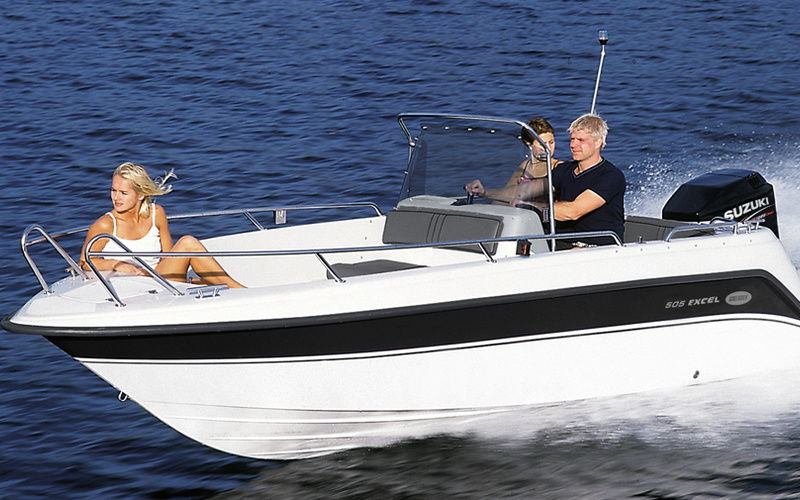
Images have been gathered from various sources and belong to their respective owners.
Review - Askeladden 505 Excel

MarineBroker
05/27/2024, 1:12 PM
2014 Askeladden 505 Excel: What to Check Before You Buy, Own, or Restore One
If you’re looking at a 2014 Askeladden 505 Excel, you’re probably drawn to the same things most boaters are: a compact size, practical layout, and the kind of easy handling that makes a day on the water feel simple. It’s a popular little boat for coastal cruising, fishing, family outings, and general all-around use.
But here’s the catch: boats in this size range often look straightforward on the surface, while the real condition can hide in the details. A 2014 model may still have plenty of life left, but age, usage, maintenance history, and storage conditions can make a huge difference. That’s where many buyers and owners run into trouble. They focus on the brand and model, but overlook the checks that reveal whether the boat is truly ready for reliable use.
The good news is that with a smart inspection routine and a few practical habits, you can avoid expensive surprises and get the most out of the 2014 Askeladden 505 Excel. In this guide, we’ll walk through the most common issues to look for, how to evaluate the boat properly, and what steps can help keep it in solid shape for years to come.
- What Makes the 2014 Askeladden 505 Excel Worth a Closer Look
The Askeladden 505 Excel sits in a very useful sweet spot. It’s small enough to be manageable for many owners, but still offers enough space and capability for everyday boating.
For people shopping used boats, that balance is a big advantage. A compact boat is generally easier to tow, launch, store, and maintain than a larger cabin boat or cruiser. That said, smaller boats can also show wear more quickly if they’ve been used hard or stored poorly.
A few reasons the 2014 Askeladden 505 Excel attracts attention:
- Practical size for solo use, couples, or small families
- Easy trailering and launching
- Good fit for sheltered waters, coastal trips, and day boating
- Usually simpler to maintain than larger boats
- Often more affordable than newer or bigger alternatives
Still, “simple” doesn’t mean “problem-free.” The smartest approach is to treat any used boat as a system of connected parts: hull, engine, steering, electrical, fuel, upholstery, and trailer. If one area is weak, the whole boating experience suffers.
- The Main Problem Buyers Face With a 2014 Askeladden 505 Excel
The biggest challenge with a boat like this is not usually one dramatic failure. It’s the accumulation of small issues that add up.
A used 2014 boat may have:
- Hidden wear from saltwater use
- Aging hoses, seals, and wiring
- Minor hull damage that was never properly repaired
- Corrosion on fittings and electrical connections
- Upholstery or deck wear from sun exposure
- An engine that starts fine but hasn’t been serviced consistently
This is where many buyers get caught. The boat may look clean in photos or even in person, but the important stuff is under the surface. If you skip the inspection process, you risk buying a boat that needs immediate work.
The practical solution is to inspect the boat in layers, starting with the obvious and moving into the mechanical and structural details. That way, you’re not just buying a model name—you’re buying a boat you actually understand.
- Start With the Hull and Overall Structure
The hull is the foundation of the boat, so this should always be your first serious check.
Look for:
- Cracks, chips, or repairs in the gelcoat
- Signs of impact around the bow, keel, and corners
- Soft spots or flexing in the deck
- Uneven repairs or mismatched finish
- Waterline staining that suggests long-term storage issues
If the boat has been used in rough conditions or trailered often, inspect the bow area and underside carefully. Small impacts can create bigger problems over time, especially if water has entered the structure.
A good rule of thumb: cosmetic wear is normal on a 2014 boat, but structural movement, soft areas, or repeated patch jobs deserve extra attention.
If you’re unsure, tap around with your hand or a soft mallet and listen for changes in sound. A dull, inconsistent sound can sometimes indicate moisture or delamination. It’s not a perfect test, but it can help you spot areas worth closer inspection.
- Check the Engine Like Your Weekend Depends on It
For most owners, the engine is where the real value lives or dies.
Even if the 2014 Askeladden 505 Excel looks great, an unreliable engine can turn the boat into a headache. Before buying or heading out for the season, check the following:
- Cold start behavior
- Idle smoothness
- Throttle response
- Any unusual smoke
- Cooling water flow
- Corrosion around the engine mount and lower unit
- Service records and maintenance history
A boat engine that starts easily after being warmed up is not the same as one that starts cleanly from cold. Try to inspect it cold if possible. That tells you much more about the actual condition.
Also pay attention to how the engine sounds. Knocking, rough idle, hesitation, or trouble shifting can point to issues that may not be cheap to fix.
If the boat has been sitting for a while, assume the fuel system may need attention. Old fuel, clogged filters, or degraded hoses can create performance issues even when the engine itself is mechanically sound.
- Don’t Ignore Electrical and Fuel System Details
These are the areas that often cause the most frustration because the problems can be intermittent.
Electrical checks should include:
- Navigation lights
- Bilge pump
- Battery condition
- Switch panels
- Charging system
- Corrosion at terminals
- Wiring insulation and routing
On a used boat, corrosion is one of the most common enemies. Salt, moisture, and vibration can slowly damage connections until a system starts failing at the worst possible time.
Fuel system checks should include:
- Fuel lines for cracks or stiffness
- Tank condition and signs of contamination
- Fuel smell inside storage compartments
- Primer bulb condition
- Water separator if fitted
If you smell strong fuel in the boat, don’t treat that as “normal aging.” It’s a warning sign. Fuel leaks or vapor issues are not something to ignore.
The best solution here is preventive replacement. On a boat of this age, some hoses, clamps, and electrical parts may be worth replacing even if they still seem functional. That’s often cheaper than dealing with a breakdown later.
- Inspect the Steering, Controls, and Running Gear
A boat can look perfect at the dock and still feel wrong on the water if the controls are worn.
Check for:
- Steering stiffness or slack
- Smooth throttle and gear movement
- Loose control cables
- Corrosion in linkages
- Vibration at speed
- Unusual noise from the propeller area
If steering feels heavy, sticky, or inconsistent, don’t brush it off. That can mean cable wear, corrosion, or alignment issues.
The propeller and lower unit area also deserve a close look. Dings, bent blades, fishing line around the shaft, or oil leaks can all affect performance. Even minor prop damage can reduce efficiency and create vibration.
For a boat like the 2014 Askeladden 505 Excel, smooth handling is part of the appeal. If the steering feels off, the whole experience changes.
- Look Closely at Deck, Seating, and Storage Areas
This is where comfort meets condition.
A lot of used boats show wear in the places people touch most often. Look at:
- Seat stitching and foam condition
- Cracks in plastic fittings
- Hinges and latches on storage compartments
- Carpet or non-slip deck wear
- Water in storage lockers
- Mold, mildew, or persistent dampness
Moisture inside lockers is a warning sign, especially if it keeps returning after the boat has been dried out. It may mean drainage issues, leaking fittings, or trapped water somewhere in the structure.
Upholstery damage is often cosmetic, but it can also tell you how the boat was stored. A boat with cracked vinyl and sun-faded surfaces may have spent too much time uncovered.
If you’re buying, factor these issues into your budget. Small comfort items can become surprisingly expensive when you replace several at once.
- Trailer Condition Matters More Than Many People Think
If the boat comes with a trailer, inspect it as carefully as the boat itself.
A bad trailer can ruin the convenience of owning a boat. It can also create safety risks during transport.
Check for:
- Rust on frame and welds
- Tire age and sidewall cracking
- Wheel bearings
- Lights and wiring
- Winch condition
- Bunks and rollers
- Brake function, if fitted
Many owners focus on the boat and forget the trailer, but the trailer carries the boat through the roughest part of the journey. If it fails, the whole package becomes a problem.
Even if the trailer looks fine, bearings and tires may still need replacement based on age. Rubber and grease don’t last forever, especially if the trailer has sat unused for long periods.
- Common Signs the Boat Has Been Poorly Maintained
A used boat usually tells on itself if you know what to look for.
Red flags include:
- Missing service records
- Fresh paint covering questionable repairs
- Strong fuel or mildew smell
- Corrosion on multiple fittings
- Water sitting in bilges or lockers
- Engine parts that look cleaned up but not serviced
- Mixed or improvised wiring
- Excessive wear on high-touch areas
One red flag alone doesn’t always mean “walk away,” but several together should make you cautious.
Poor maintenance is often more expensive than visible damage. A boat that has been neglected usually needs time, money, and patience to bring back to reliable condition.
- Best Practical Solution: Use a Simple Inspection and Maintenance Plan
The easiest way to avoid trouble with a 2014 Askeladden 505 Excel is to approach it with a repeatable checklist.
Before buying or using the boat, go through this practical process:
1. Inspect the hull and deck for damage or softness
2. Test the engine from cold if possible
3. Check steering and throttle response
4. Examine wiring, battery, and lights
5. Smell for fuel leaks or dampness
6. Open every locker and storage area
7. Review service history and receipts
8. Inspect the trailer, tires, and bearings
9. Take a sea trial if you can
10. Budget for small preventive replacements
That last point matters a lot. Many boat owners try to save money by running old parts “until they fail.” That often costs more in the long run. Replacing a few aging hoses, clamps, or battery components early can prevent bigger problems later.
If you already own the boat, a seasonal checklist helps keep it reliable:
- Flush and service the engine regularly
- Rinse saltwater residue after use
- Keep the battery charged and dry
- Ventilate storage compartments
- Inspect fittings and seals each season
- Clean and protect upholstery from UV damage
- Grease moving parts where applicable
These are small habits, but they have a big effect over time.
- How to Decide Whether the 2014 Askeladden 505 Excel Is Right for You
This boat can be a strong choice if you want something manageable, practical, and easy to live with. It makes the most sense for people who value simplicity and don’t need a large cabin or heavy offshore setup.
It may be right for you if:
- You want a compact family or day boat
- You plan to use sheltered waters or coastal areas
- You prefer easier trailering and storage
- You’re comfortable doing routine maintenance
- You want a used boat with a sensible footprint
It may not be the best fit if:
- You need lots of cabin space
- You plan long offshore passages
- You want a boat with minimal upkeep
- The specific boat you found has poor service history or major wear
In other words, the model itself is only part of the decision. The real question is whether the individual boat has been cared for properly.
- Final Thoughts on the 2014 Askeladden 505 Excel
The 2014 Askeladden 505 Excel can be a very enjoyable boat when it’s in good condition and properly maintained. The key is not to assume that age alone tells the whole story. A well-kept example can still offer years of reliable use, while a neglected one can become costly fast.
The smartest approach is to inspect carefully, focus on the engine and structure, and pay close attention to maintenance history. If you’re already an owner, a few preventive checks each season can help you avoid the most common problems and keep boating simple.
If you’re considering one now, take your time, use a checklist, and don’t be afraid to walk away from a boat that doesn’t add up. A little caution up front usually leads to a much better time on the water later.
Specifications
General
Boat Type: Power Boats
Class Type: Bowrider
Specifications
Length: 16.86
Beam: 6.99
Draft: 0.92
Hull Material: GRP
Build
First Built: 2014
Propulsion
Fuel Type: Unleaded
Engines: 1
Power: 0 HP
Brand: Unknown
Accomodation
PROS & CONS
What we appreciated
 Compact and easy to maneuver, ideal for small lakes and coastal watersWell-built with quality materials ensuring durabilityEfficient use of space with practical seating and storage solutionsGood fuel efficiency for its size and engine optionsSuitable for fishing, day cruising, and watersports
What we didn’t appreciate
 Limited cabin space, not suitable for overnight staysSmaller size may not handle rough waters wellBasic onboard amenities compared to larger boatsLimited engine power options may restrict speed and performanceResale value can vary depending on market demand for smaller boats
Upkeep Costs
Fuel: Approximately $800 - $1,200 per season, depending on usage and engine size
Maintenance: Around $500 - $1,000 annually, including engine servicing, hull cleaning, and minor repairs
Insurance: Typically $300 - $600 per year, varying by location and coverage
Storage: $500 - $1,000 per year for marina or dry dock storage
Registration and Taxes: $100 - $300 annually, depending on local requirements

Rating
5.9
User
Score
Score
Driveability
Technology
Interior
Design
Similar Boats


MarineBroker
Download now for an immersive boat experience like never before! ⛵✨ Your journey begins with a simple click. 🌊📲
#SetSailSmart #DownloadNow
#SetSailSmart #DownloadNow

Subscribe
Copyright 2017 - 2026, Marinebroker.net, All Rights Reserved