2015 AMT 160 R: How to Choose, Inspect, and Get the Most Out of a Compact Fishing Boat
If you’re looking at the 2015 AMT 160 R, chances are you’re trying to solve a pretty common boating problem: finding a small, practical boat t...
Discover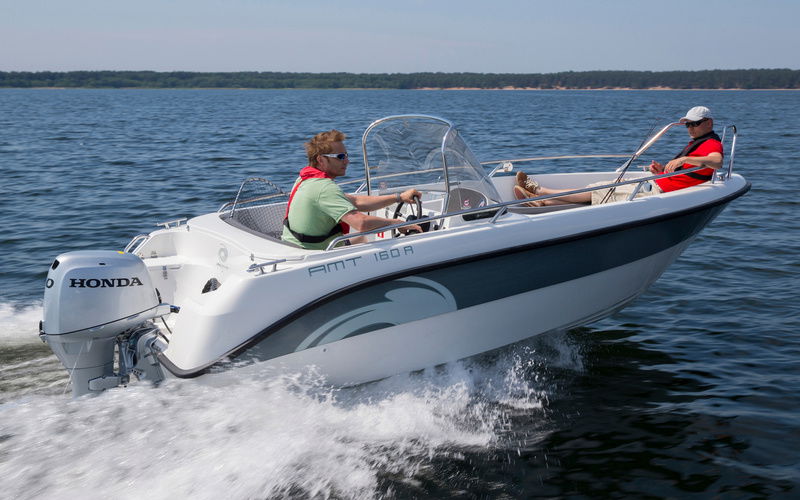


Images have been gathered from various sources and belong to their respective owners.
Review - AMT 160 R

MarineBroker
01/17/2024, 11:11 AM
2015 AMT 160 R: How to Choose, Inspect, and Get the Most Out of a Compact Fishing Boat
If you’re looking at the 2015 AMT 160 R, chances are you’re trying to solve a pretty common boating problem: finding a small, practical boat that’s easy to handle without giving up too much comfort or versatility. For many boaters, the challenge isn’t just buying a boat—it’s buying the *right* boat for their waters, their trailer, their storage space, and the way they actually plan to use it.
That’s where a compact model like the 2015 AMT 160 R can make a lot of sense. Boats in this size range are often appealing because they’re easier to launch, cheaper to run, and less intimidating for newer owners. But like any used boat, the real question is whether it fits your needs and whether it’s in good enough condition to be worth the investment.
In this article, we’ll look at what makes the 2015 AMT 160 R interesting, what problems buyers usually run into, and how to evaluate it properly so you can make a smarter decision. Whether you’re comparing options or already eyeing one for sale, a little know-how goes a long way.
- What Makes the 2015 AMT 160 R Worth a Look
The 2015 AMT 160 R sits in the category of compact, easy-to-manage boats that appeal to anglers, weekend cruisers, and first-time owners. Boats like this are often chosen because they strike a balance between simplicity and usefulness.
For many people, the biggest draw is not raw power or luxury. It’s convenience. A boat in this class is typically easier to tow, easier to store, and easier to launch than larger models. That means more time on the water and less time dealing with logistics.
The 160-size format also makes the boat more approachable for people who don’t want a huge learning curve. If you’re looking for a boat that can handle casual fishing trips, short outings, or local lake use, this type of model can be a very practical fit.
- The Main Problem Buyers Face: Matching the Boat to Real-World Use
A lot of buyers get stuck on the same issue: a boat looks good on paper, but it doesn’t match how they actually boat.
For example, someone may want a fishing boat, but most of their trips are on windy inland lakes. Another buyer may love the idea of a small boat, but later realize they need more storage, more seating, or a deeper hull for rougher conditions. That mismatch leads to regret, extra expenses, and sometimes a quick resale.
With the 2015 AMT 160 R, the key problem is usually not whether the boat is “good” in a general sense. It’s whether it’s the right fit for:
- Your local waters
- Your towing vehicle
- Your storage space
- Your passenger needs
- Your maintenance comfort level
A compact boat solves some problems very well, but it also comes with trade-offs. Understanding those trade-offs is the real solution.
- Who the 2015 AMT 160 R Typically Suits Best
The 2015 AMT 160 R is often a strong match for people who want a simple, manageable boat rather than a large, feature-heavy platform.
It may suit you if you:
- Fish on smaller lakes or sheltered waters
- Prefer easy trailering and launching
- Want lower fuel and maintenance costs
- Are moving up from a smaller boat or kayak
- Need a boat that’s straightforward to operate
It may be less ideal if you:
- Regularly boat in rough, open water
- Need lots of seating for family and guests
- Want a big livewell, cabin, or heavy-duty offshore setup
- Plan to carry a lot of gear every trip
That’s why the best buyers are usually the ones who are honest about how they’ll use the boat most of the time—not just on the occasional perfect day.
- How to Inspect a Used 2015 AMT 160 R Before Buying
If you’re shopping for a used 2015 AMT 160 R, inspection matters more than almost anything else. A clean-looking boat can still hide expensive problems.
Start with the hull. Look for cracks, deep scratches, repairs, or signs of impact. Minor cosmetic wear is normal, but structural damage can be a red flag.
Check the transom carefully. If it feels soft, spongy, or shows signs of flexing, that can indicate rot or water intrusion. That’s one of the most expensive issues to deal with in any used boat.
Also inspect:
- The deck for soft spots
- Seams and rivets for leaks
- The console and wiring for corrosion
- Seats and upholstery for wear
- The trailer for rust, tire age, and bearing issues
- The motor service history, if equipped with an outboard
A boat’s condition often tells you more than its age. A well-kept 2015 model may be a much better buy than a neglected newer one.
- 2015 AMT 160 R: What to Check in the Engine and Running Gear
If the boat comes with an outboard, don’t just ask whether it starts. Ask how it starts, how it idles, and how it runs under load.
A healthy outboard should:
- Start without excessive cranking
- Idle smoothly
- Shift cleanly into gear
- Accelerate without hesitation
- Avoid overheating
If possible, do a water test. That’s where you’ll catch issues that a driveway inspection can miss. A motor that starts fine on land may still have cooling problems, fuel delivery issues, or vibration under load.
You should also inspect the propeller. Dings and bends can affect performance and fuel economy. Check the lower unit for leaks, oil condition, and signs of impact.
If you’re not comfortable assessing the engine yourself, a marine mechanic inspection is money well spent. On a used boat, a few hundred dollars upfront can save you thousands later.
- Why Small Boats Like the 2015 AMT 160 R Can Be a Smart Ownership Choice
One reason people keep coming back to boats like the 2015 AMT 160 R is that small boats are often easier to enjoy consistently.
That matters more than people think. A bigger boat can be impressive, but if it’s a hassle to tow, launch, clean, and store, it may stay unused for long stretches. A smaller boat tends to get used more often because it’s less work.
Here are some common advantages:
- Lower fuel use
- Easier towing with a midsize vehicle
- Simpler winter storage
- Less expensive maintenance
- Faster launch and retrieval
- Easier solo handling
For a lot of owners, those benefits outweigh the drawbacks of limited space. In boating, convenience often leads to more time on the water, and that’s usually the real goal.
- Common Buyer Mistakes to Avoid
When shopping for a used boat, people often make the same avoidable mistakes. Knowing them helps you make a better decision.
- Buying based on looks alone
A clean exterior doesn’t guarantee a good mechanical condition.
- Ignoring trailer condition
A bad trailer can create safety issues and extra costs right away.
- Skipping the water test
Some issues only show up when the boat is actually running.
- Not checking local needs
A boat that works great on a calm lake may not fit rougher water.
- Underestimating ownership costs
Registration, insurance, fuel, maintenance, and storage all add up.
- Assuming “small” means “cheap”
Smaller boats can be less expensive, but repairs and upgrades still cost money.
Avoiding these mistakes is often the simplest path to a better ownership experience.
- How to Decide If the 2015 AMT 160 R Fits Your Waters
This is where practical thinking really pays off. The best boat for you depends heavily on the water you use most often.
If you boat on calm inland lakes, sheltered bays, or rivers with manageable conditions, a compact boat like the 2015 AMT 160 R can be a great fit. It’s usually easier to control and more economical to run.
If your local waters are choppy, windy, or exposed, you’ll want to think harder about hull design, freeboard, and stability. A smaller boat can still work, but it may not be the most comfortable or safest choice for frequent rough conditions.
Ask yourself:
- How often do I boat in wind or waves?
- Will I usually have 1 person or 3-4 people aboard?
- Do I need standing room, casting space, or storage?
- Will I be launching alone?
- Do I want a boat for fishing, cruising, or both?
A boat is only a good fit when it matches your actual habits, not your idealized ones.
- Practical Maintenance Tips for Long-Term Ownership
Once you own a small boat, regular maintenance is what keeps it reliable and enjoyable. The good news is that compact boats are usually easier to stay on top of.
A simple routine can make a big difference:
1. Rinse the boat after each use, especially if it sees saltwater.
2. Check the hull and fittings for damage or loose hardware.
3. Flush the engine according to the manufacturer’s guidance.
4. Keep battery terminals clean and dry.
5. Inspect the trailer tires, lights, and bearings regularly.
6. Store the boat properly to reduce sun and moisture damage.
It also helps to keep a log of service dates, repairs, and part replacements. That makes future maintenance easier and helps if you ever decide to sell.
Even if the 2015 AMT 160 R is already in good shape, routine care is what preserves that condition over time.
- Upgrades That Can Improve the Experience
A used boat doesn’t need to be perfect out of the box. Sometimes a few smart upgrades make it much more enjoyable.
Useful improvements might include:
- Better navigation or fish-finding electronics
- Upgraded seating
- LED lighting
- Additional storage solutions
- Battery monitoring
- Rod holders or fishing accessories
- A quality marine cover
The key is to upgrade based on your actual use. If you fish often, invest in gear that improves fishing efficiency. If you mostly cruise, focus on comfort and convenience.
Don’t overspend on cosmetic changes before addressing safety and function. A solid battery, reliable engine, and good trailer are usually more valuable than flashy add-ons.
- What the 2015 AMT 160 R Represents in the Used Boat Market
In the used boat market, boats like the 2015 AMT 160 R often appeal to buyers who want a sensible middle ground. They’re not massive, but they’re not bare-bones in a way that feels limiting for casual use.
That makes them appealing to:
- First-time boat buyers
- Anglers who want a simple setup
- Couples or small families
- Owners downsizing from larger boats
- People who want lower operating costs
The challenge is that used boats vary widely in condition. Two boats of the same model year can feel completely different depending on how they were stored and maintained. That’s why patience and inspection matter so much.
If you approach the purchase with clear expectations, a model like this can offer a lot of value without unnecessary complexity.
- Final Buying Checklist for the 2015 AMT 160 R
Before you commit, run through a quick checklist:
- Does the boat match your main use case?
- Is the hull structurally sound?
- Is the trailer roadworthy?
- Does the engine start, idle, and run properly?
- Are there signs of water intrusion or corrosion?
- Have you budgeted for maintenance and registration?
- Have you compared it with a few similar boats?
If most of the answers are yes, you’re probably in a good position to move forward.
The best deal isn’t always the cheapest one. It’s the boat that gives you the fewest surprises after the purchase.
- Conclusion
The 2015 AMT 160 R can be a smart choice for boaters who want something compact, practical, and easier to manage than a larger setup. The main challenge is making sure it fits your real-world needs and isn’t hiding costly issues beneath a clean appearance.
By inspecting the hull, engine, trailer, and maintenance history carefully, you can avoid the most common mistakes and choose with confidence. If the boat matches your waters and your boating style, it may be exactly the kind of simple, usable setup that makes time on the water more enjoyable. For anyone comparing options, taking a little extra time to evaluate the details is usually the best move.
Specifications
General
Boat Type: Power Boats
Class Type: Bowrider
Specifications
Length: 15.49
Beam: 6.73
Draft: 1.71
Hull Material: GRP
Build
First Built: 2015
Propulsion
Fuel Type: Unleaded
Engines: 1
Power: 60 HP
Brand: Honda
Accomodation
PROS & CONS
What we appreciated
 Compact and easy to maneuver, ideal for beginners and small groupsFuel-efficient with a modest-sized outboard engineDurable aluminum hull providing good stability and low maintenanceVersatile design suitable for fishing, leisure cruising, and short tripsAffordable price point compared to larger boats
What we didn’t appreciate
 Limited seating and storage space due to compact sizeNot suitable for rough waters or long-distance cruisingBasic features may lack some modern amenities and comfortsLimited engine power options restricting speed and performanceSmaller size may feel cramped for larger groups
Upkeep Costs
Fuel: Approximately $500 - $800 annually depending on usage
Maintenance: Around $300 - $600 per year including engine servicing and hull upkeep
Insurance: Typically $200 - $400 per year
Storage: $300 - $700 annually depending on location and type (dry storage, marina slip)
Registration and Licensing: $50 - $150 per year depending on local regulations

Rating
5.5
User
Score
Score
Driveability
Technology
Interior
Design
Similar Boats


MarineBroker
Download now for an immersive boat experience like never before! ⛵✨ Your journey begins with a simple click. 🌊📲
#SetSailSmart #DownloadNow
#SetSailSmart #DownloadNow

Subscribe
Copyright 2017 - 2026, Marinebroker.net, All Rights Reserved