Boat Database » Bayliner Element CC7
Bayliner Element CC7
Outboard four-stroke, Unleaded, 1x 150 HP
Power Boats 2016 Bayliner Element CC7: A Practical Guide to Buying, Maintaining, and Getting the Most Out of It
If you’re looking at the 2016 Bayliner Element CC7, you’re probably trying to answer a few important questions at once: Is it a g...
Discover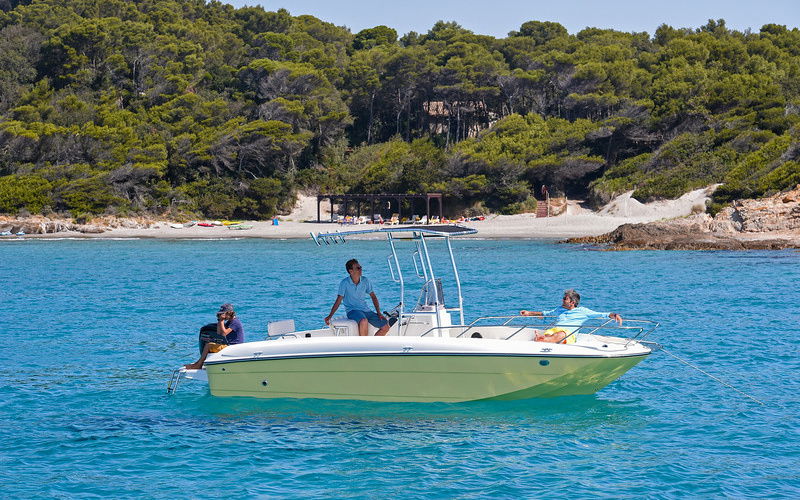


Images have been gathered from various sources and belong to their respective owners.
Review - Bayliner Element CC7

MarineBroker
09/16/2024, 12:38 PM
2016 Bayliner Element CC7: A Practical Guide to Buying, Maintaining, and Getting the Most Out of It
If you’re looking at the 2016 Bayliner Element CC7, you’re probably trying to answer a few important questions at once: Is it a good fit for your style of boating? What should you watch out for before buying one? And how do you make sure it stays reliable once you own it? Those are smart questions, because a center console boat can be a fantastic all-around choice, but only if it matches how you actually use the water.
The 2016 Bayliner Element CC7 is one of those boats that tends to catch attention for being approachable, versatile, and relatively easy to manage. For many people, that’s exactly the appeal. But the real challenge isn’t just finding a boat you like — it’s figuring out whether it will handle your local waters, your crew size, and your maintenance expectations without turning into a headache.
That’s where this guide comes in. We’ll walk through the key strengths of the 2016 Bayliner Element CC7, the common concerns buyers should check before making a decision, and the practical steps that can help you get the best ownership experience. If you’re shopping, comparing, or already own one, this article will help you make a more confident call.
- What Makes the 2016 Bayliner Element CC7 Stand Out?
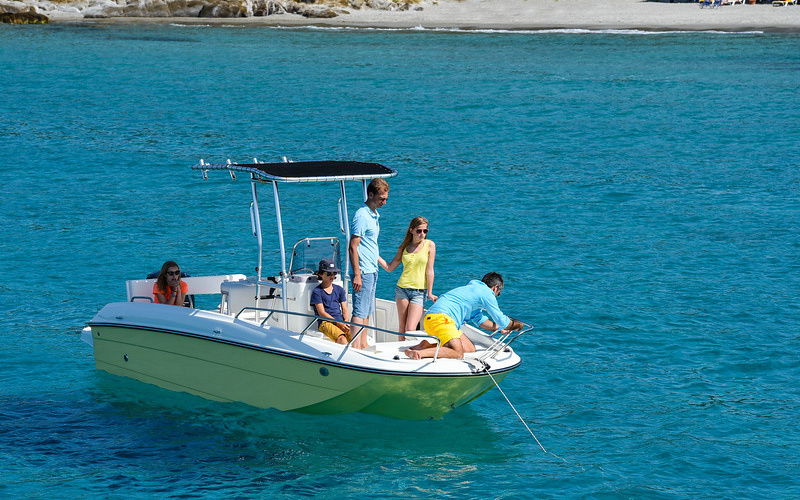
The 2016 Bayliner Element CC7 is a 20-foot center console designed to be simple, functional, and easy to enjoy. It sits in a category that appeals to families, weekend anglers, and casual boaters who want a boat that can do a little bit of everything.
One of the biggest reasons people look at this model is its easygoing layout. Center console boats are popular because they give you open movement around the deck, which makes fishing, docking, and general family use more convenient. The CC7 takes that idea and packages it in a way that feels accessible for newer boat owners too.
A few traits typically draw buyers in:
- Open deck space for moving around easily
- Straightforward helm layout
- Family-friendly seating and social space
- Practical size for trailering and storage
- Versatility for fishing, cruising, and light watersports
For many boaters, that combination is the main value. You’re not buying a boat that tries to be everything at once. You’re buying one that aims to be simple, useful, and easy to live with.
- The Main Problem Buyers Face: Choosing the Right Boat for Real-World Use
Here’s the issue most people run into when shopping for a boat like the 2016 Bayliner Element CC7: it looks like a great all-around option, but boating needs are rarely all-around.
Some buyers want a family day boat. Others want a fishing platform. Some want both, plus something manageable on a trailer. The problem is that a boat can seem perfect on paper and still disappoint if it doesn’t fit your actual habits.
Common concerns include:
- Is the deck layout practical enough for your crew?
- Will the boat handle your typical water conditions?
- Is maintenance simple or does it turn into a time sink?
- Are there signs of wear that suggest poor previous ownership?
- Does the boat have enough power for your needs?
That’s why the smartest approach is not just asking, “Is this a good boat?” but rather, “Is this a good boat for the way I boat?”
- Why the 2016 Bayliner Element CC7 Appeals to So Many Buyers
The appeal of the 2016 Bayliner Element CC7 comes down to balance. It’s not overly complicated, and that can be a real advantage if you want to spend more time boating and less time fussing with systems.
Many owners like the fact that it’s easier to understand than larger or more heavily equipped boats. If you’re newer to boating, that can reduce stress. If you’re experienced, it can feel refreshing to have a boat that just gets you on the water without a lot of extra drama.
It also tends to suit a wide range of uses:
- Casual cruising with family or friends
- Light fishing trips
- Inshore outings
- Sandbar stops and relaxed day trips
- Short runs on lakes, bays, and protected coastal waters
That versatility is a major reason the model remains interesting to shoppers. It’s not trying to be a luxury cruiser or a hardcore offshore machine. It’s trying to be a dependable, easy-to-use center console for everyday boating.
- What to Check Before Buying a 2016 Bayliner Element CC7
If you’re considering a used 2016 Bayliner Element CC7, the real solution to avoiding regret is a careful inspection. A boat’s condition matters more than the model name on the side.
Here’s what to focus on:
- Hull condition
Look for cracks, repairs, deep scratches, or signs of impact. Small cosmetic marks are normal, but structural damage is a different story.
- Deck and flooring
Check for soft spots, flexing, or water intrusion. Walk every part of the deck and pay attention to any unusual movement.
- Engine and outboard service history
Ask for maintenance records. Regular oil changes, impeller service, and winterization matter a lot.
- Steering and controls
Make sure the helm responds smoothly and that cables, gauges, and switches work properly.
- Upholstery and hardware
Seats, latches, rails, and fasteners should all be in decent shape. Corrosion can hint at deeper neglect.
- Electrical system
Test lights, pumps, bilge operation, navigation electronics, and battery charging.
- Trailer condition, if included
Check tires, bearings, brakes, lights, and bunks. A bad trailer can create expensive problems fast.
A sea trial is just as important as a visual inspection. If possible, take the boat out and pay attention to:
- Starting behavior
- Idling quality
- Acceleration
- Steering response
- Noise and vibration
- How the boat handles turns and wakes
If anything feels off, don’t rush. Boats have a way of revealing their real condition once they’re under way.
- Common Ownership Problems and How to Solve Them
Even a solid boat can become frustrating if you don’t stay ahead of the usual issues. The good news is that most problems are predictable and manageable.
- Problem: Wear from inconsistent maintenance
Solution: Build a simple maintenance schedule and stick to it. Boats last longer when you treat service like routine, not optional.
- Problem: Corrosion on hardware and electrical connections
Solution: Rinse after use, especially in saltwater, and inspect metal components regularly. Use marine-grade protectants where appropriate.
- Problem: Battery drain or electrical glitches
Solution: Check battery health, clean terminals, and verify that switches and fuses are in good condition. A weak battery can create all kinds of false alarms.
- Problem: Fuel system issues from sitting too long
Solution: Use fresh fuel, add stabilizer if needed, and avoid letting fuel sit for extended periods without care.
- Problem: Gelcoat and upholstery aging
Solution: Clean and protect surfaces regularly. UV exposure is tough on boats, so covers and protectants help a lot.
- Problem: Trailer trouble
Solution: Grease bearings, inspect tires before each trip, and replace worn parts before they fail on the road.
These are not unique to the 2016 Bayliner Element CC7. They’re just part of boat ownership in general. The difference between a stressful season and an enjoyable one usually comes down to prevention.
- How the 2016 Bayliner Element CC7 Fits Different Types of Boaters
This model works best when matched to the right kind of owner. If your expectations are realistic, it can be a very satisfying boat.
- For first-time boat owners
The CC7 can be appealing because it’s easier to understand than many larger boats. Simple layouts often mean less intimidation and quicker learning.
- For families
The open layout makes it easy to move around, keep an eye on kids, and enjoy social time on the water. It’s a practical day-boat setup.
- For casual anglers
Center console design is naturally useful for fishing. You get better access around the boat, which helps with casting and moving gear.
- For trailering boaters
A boat in this size range is generally more manageable than larger models, which can reduce storage and transport hassles.
- For budget-conscious buyers
Used boats can offer a lot of value, especially when they’re well maintained. The key is condition, not just price.
The point is simple: the boat works best when your boating style is fairly flexible. If you want a straightforward, versatile center console, it can fit nicely. If you need heavy offshore capability or lots of luxury features, you may want to keep comparing.
- Practical Tips to Get the Best Experience from a 2016 Bayliner Element CC7
Once you own the boat, a few habits can make a big difference in how long it stays enjoyable.
- Clean it after use
A quick rinse and wipe-down after each trip helps preserve finishes and hardware.
- Keep service records
Track oil changes, filter replacements, spark plugs, and any repairs. This helps with reliability and resale value.
- Store it properly
Use a quality cover or indoor storage when possible. Sun and weather do most of the damage over time.
- Learn the boat’s limits
Every boat has a sweet spot. Pay attention to how it handles with different passenger loads and conditions.
- Inspect before every outing
A five-minute check can prevent a ruined day. Look at fuel, battery, plugs, lines, and safety gear.
- Carry the basics
Keep life jackets, a fire extinguisher, anchor, dock lines, and a first-aid kit onboard.
- Don’t ignore small issues
Minor rattles, leaks, or electrical quirks often become bigger problems if left alone.
These habits may sound basic, but they’re the difference between “this boat is a pain” and “this boat is easy to enjoy.”
- What Buyers Often Overlook
A lot of buyers focus on the shiny stuff: seating, color, layout, or how the boat looks in photos. That’s understandable, but it can lead to missed warning signs.
Things people often overlook:
- Whether the boat has been stored indoors or outside
- Signs of engine hours that don’t match the condition
- Missing maintenance receipts
- Corrosion hidden under cushions or inside compartments
- Trailer wear that isn’t obvious in listing photos
- Water stains or mildew that hint at leaks
If you’re serious about a 2016 Bayliner Element CC7, take your time and ask direct questions. A seller who can answer clearly and provide records usually makes the buying process much easier.
- Is the 2016 Bayliner Element CC7 a Good Match for You?
That depends on what you want from your time on the water.
It’s a strong option if you want:
- A versatile center console
- A manageable size for trailering
- A boat that works for cruising and light fishing
- A layout that’s easy to use
- A practical, not overly complicated ownership experience
It may be less ideal if you want:
- Heavy offshore performance
- Lots of premium features
- Large cabin-style comfort
- A boat that can carry very large groups regularly
So the real answer isn’t whether the boat is “good” in the abstract. It’s whether it solves your boating problem. If your problem is finding a simple, flexible, user-friendly boat for everyday outings, the 2016 Bayliner Element CC7 can be a very reasonable fit.
- Conclusion
The 2016 Bayliner Element CC7 stands out because it offers a practical, versatile boating experience without making ownership feel overly complicated. For the right buyer, that’s a big advantage. The key is to inspect carefully, pay attention to maintenance history, and match the boat to your real-world needs rather than just the listing description.
If you’re shopping for one, focus on condition, service records, and how it feels on the water. If you already own one, consistent care and routine checks will go a long way toward keeping it reliable. In the end, a good boating experience usually comes from choosing the right boat and taking care of it well. If you want to keep learning, explore maintenance checklists, sea trial tips, and used boat inspection guides before making your next move.
Specifications
General
Boat Type: Power Boats
Class Type: Centre Console
Specifications
Length: 22.34
Beam: 7.74
Draft: 1.31
Hull Material: GRP
Build
First Built: 2016
Propulsion
Fuel Type: Unleaded
Engines: 1
Power: 150 HP
Brand: Mercury
Accomodation
PROS & CONS
What we appreciated
 Affordable price point for a center console boatSpacious deck layout suitable for fishing and family outingsLightweight and easy to trailerSimple and user-friendly controlsGood fuel efficiency with modest engine options
What we didn’t appreciate
 Limited horsepower capacity restricting high-speed performanceBasic features with fewer luxury amenities compared to competitorsLimited storage space for extended tripsHull design may not handle rough waters as well as larger boatsMinimal seating comfort for longer outings
Upkeep Costs
Fuel: Approximately $1,200 - $1,800 per year depending on usage
Maintenance: Around $500 - $1,000 per year including engine servicing and hull upkeep
Insurance: Typically $300 - $600 annually
Storage: $600 - $1,200 per year depending on location and type (marina slip, dry storage, etc.)
Registration and Licensing: $50 - $150 per year depending on state regulations
Rating
6.2
User
Score
Score
Driveability
Technology
Interior
Design
Similar Boats


MarineBroker
Download now for an immersive boat experience like never before! ⛵✨ Your journey begins with a simple click. 🌊📲
#SetSailSmart #DownloadNow
#SetSailSmart #DownloadNow

Subscribe
Copyright 2017 - 2026, Marinebroker.net, All Rights Reserved