Boat Database » Bayliner Element CC5
Bayliner Element CC5
Outboard four-stroke, Unleaded, 1x 60 HP
Power Boats 2016 Bayliner Element CC5: What Owners Should Know Before Buying, Using, or Upgrading
If you’re looking into the 2016 Bayliner Element CC5, chances are you’re trying to figure out whether it’s the right boat for your needs, what ...
Discover
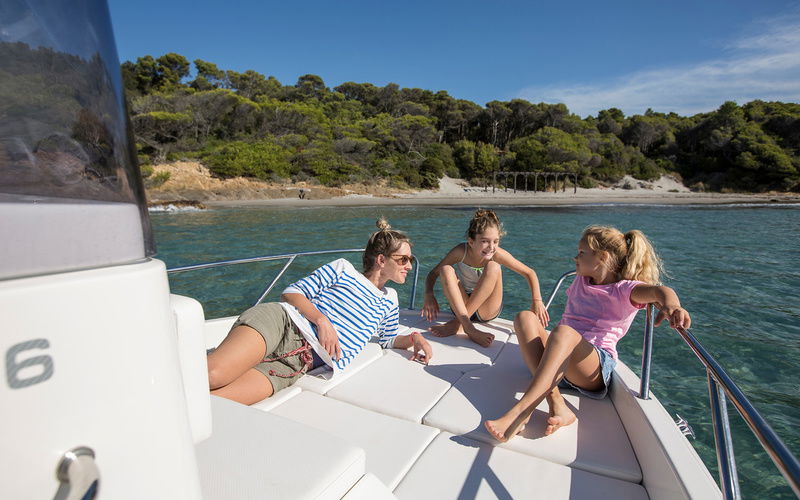
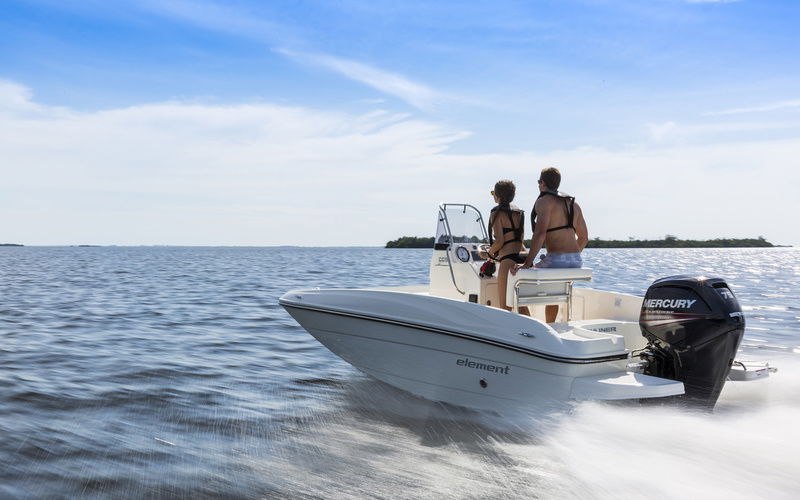
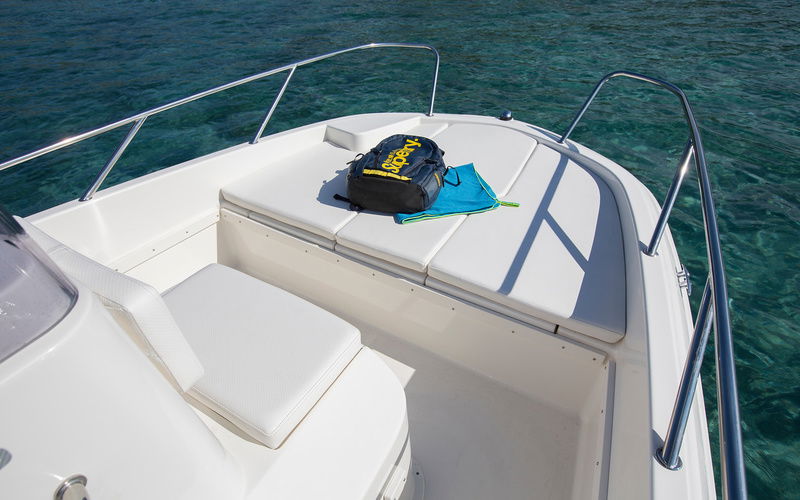
Images have been gathered from various sources and belong to their respective owners.
Review - Bayliner Element CC5

MarineBroker
09/16/2024, 3:38 PM
2016 Bayliner Element CC5: What Owners Should Know Before Buying, Using, or Upgrading
If you’re looking into the 2016 Bayliner Element CC5, chances are you’re trying to figure out whether it’s the right boat for your needs, what kind of maintenance it really demands, or how to get the most out of it without running into avoidable headaches. That’s a smart place to start.
The Element CC5 is one of those boats that catches attention because it promises easy handling, family-friendly space, and an approachable setup for new and casual boaters. But like any used boat, the real question isn’t just what it offers on paper. It’s whether it fits your boating style, your local waters, and your expectations for comfort, performance, and upkeep.
A lot of buyers and owners run into the same problem: they like the idea of the 2016 Bayliner Element CC5, but they’re not fully sure what to check before committing or how to solve the common issues that can show up over time. The good news is that most of those concerns are manageable with the right knowledge. In this article, we’ll break down what makes this model appealing, what to watch for, and how to make smarter decisions whether you’re shopping, maintaining, or improving one.
- What Makes the 2016 Bayliner Element CC5 Stand Out?
The 2016 Bayliner Element CC5 is a compact center console designed for simple, comfortable boating. It’s built for people who want a manageable boat that’s easy to trailer, easy to launch, and easy to operate.
That’s a big reason why it appeals to first-time owners, weekend anglers, and families who want a boat that doesn’t feel overwhelming. The layout is practical, with open deck space that gives you flexibility for fishing, cruising, or just spending a relaxed day on the water.
A few features often attract buyers:
- Center console layout for better movement around the boat
- Lightweight design for easier towing and launching
- Modest size that works well for smaller groups
- Simple systems that are usually easier to maintain than larger boats
For many boaters, the appeal is not luxury. It’s convenience. The Element CC5 is the kind of boat that can make getting on the water feel less complicated.
- The Main Problem: Choosing the Right Boat Without Regret
The biggest issue people face with the 2016 Bayliner Element CC5 is not usually the boat itself. It’s making sure the boat actually matches their boating habits.
A lot of buyers get caught up in the idea of a center console and overlook the practical details. They may need more storage, more seating, better rough-water handling, or a different engine setup than they expected. Others buy a used model without checking for common wear points, then discover maintenance costs that could have been avoided.
This creates a familiar problem:
- The boat looks right, but may not be right for your use case
- A used boat may hide condition issues that aren’t obvious at first glance
- Owners may underestimate maintenance needs
- Small performance or comfort issues can become annoying over time
The solution is to evaluate the boat through a practical lens, not just an emotional one. That means looking at how you’ll actually use it, what condition it’s in, and what ownership will really feel like after the excitement wears off.
- Who the 2016 Bayliner Element CC5 Is Best For
The 2016 Bayliner Element CC5 tends to work best for boaters who want simplicity and versatility. It’s not trying to be a high-end offshore machine, and that’s part of its charm.
It’s a good fit if you:
- Want a boat for calm to moderate waters
- Prefer a smaller, easier-to-handle vessel
- Need something trailer-friendly
- Plan to fish, cruise, or do light family boating
- Value low-stress operation over premium features
It may not be the best choice if you:
- Need lots of enclosed storage
- Want advanced electronics or luxury seating
- Expect a very soft ride in rough conditions
- Regularly boat with larger groups
Being honest about your needs is the fastest way to avoid buyer’s remorse. If the CC5 matches your style, it can be a very practical and enjoyable boat. If not, you’re better off knowing that before you spend money.
- 2016 Bayliner Element CC5: What to Check Before Buying Used
If you’re considering a used 2016 Bayliner Element CC5, inspection matters a lot. Even a boat that looks clean on the surface can have hidden issues.
Here’s what to check carefully:
- Hull condition
Look for cracks, stress marks, repairs, or signs of impact. Minor cosmetic wear is normal, but deeper damage should be evaluated closely.
- Engine hours and service history
A well-maintained engine with higher hours can be a better buy than a low-hour engine with poor maintenance. Ask for service records if possible.
- Steering and throttle response
Controls should feel smooth and responsive. Any stiffness or delay may point to wear or cable issues.
- Electrical systems
Test lights, gauges, switches, bilge pump, and accessories. Electrical problems can be frustrating and time-consuming to trace later.
- Upholstery and deck surfaces
Sun damage, cracking, mildew, or soft spots can signal long-term exposure or neglected care.
- Trailer condition, if included
Inspect tires, bearings, lights, brakes, and frame condition. A bad trailer can turn a good boat purchase into a hassle.
A marine survey is a smart move if you’re unsure. It can help identify issues that aren’t obvious during a casual walkthrough.
- Common Ownership Issues and How to Solve Them
Like many small boats, the 2016 Bayliner Element CC5 can develop a few predictable issues over time. The good news is that most of them are manageable if you stay ahead of them.
- 1. Wear from sun and weather
Boats live outdoors a lot, and UV exposure is tough on vinyl, gelcoat, and plastic parts.
Solution:
Use a quality cover, rinse the boat after use, and apply protectants designed for marine surfaces. Storing the boat under cover or indoors when possible makes a huge difference.
- 2. Battery and electrical drain
Small boats often sit unused for stretches, and batteries can weaken faster than owners expect.
Solution:
Use a battery switch or maintainer if the boat sits for long periods. Check connections for corrosion and keep terminals clean.
- 3. Corrosion on hardware
Saltwater use especially can wear down fittings, fasteners, and electrical contacts.
Solution:
Rinse thoroughly after every outing, especially in saltwater. Inspect metal parts regularly and replace corroded hardware before it spreads.
- 4. Engine maintenance neglect
A reliable outboard still needs regular attention. Skipping oil changes, impeller checks, or fuel-system care can lead to expensive repairs.
Solution:
Follow the service schedule closely. Change fluids, inspect the fuel system, and don’t ignore warning signs like rough starting or unusual vibration.
- 5. Storage limitations
Owners sometimes realize too late that the boat’s layout doesn’t hold as much gear as they expected.
Solution:
Use soft-sided storage bags, add organized tackle boxes, and keep only the essentials on board. Smart organization can make a small deck feel much more functional.
- Getting Better Performance from the 2016 Bayliner Element CC5
If you already own the boat, you may be wondering how to make it feel more capable or enjoyable. The trick is not always major upgrades. Often, small changes improve the experience more than people expect.
Here are practical ways to improve performance and usability:
- Keep the hull clean
A dirty hull creates drag and can reduce efficiency. Regular cleaning helps the boat run better and look better.
- Match the load to the boat
Too much gear or too many passengers can affect handling and fuel economy. Stay within recommended limits and distribute weight evenly.
- Maintain proper prop condition
A damaged prop can hurt acceleration and top-end performance. Inspect it often for nicks, bends, or fishing line wrapped around the shaft.
- Use the right trim
Learning how to trim the engine properly can improve ride quality, fuel economy, and handling. Small adjustments can make a noticeable difference.
- Upgrade only where it counts
Useful upgrades might include:
- Better seating
- Improved navigation lights
- A quality fish finder or GPS
- More durable storage solutions
- A stronger cover
The best upgrades are the ones that solve a real problem instead of adding clutter.
- Is the 2016 Bayliner Element CC5 Good for Fishing?
For casual fishing, yes, it can absolutely work well. The center console layout gives you room to move around, which is helpful when casting, landing fish, or cleaning up gear.
It’s especially suitable for:
- Inshore fishing
- Calm bay or lake fishing
- Short trips with one or two anglers
- Light tackle setups
To make it more fishing-friendly, consider:
- Adding rod holders
- Installing a fish finder
- Bringing compact tackle storage
- Using a cooler that doubles as a seat
- Keeping the deck free of unnecessary gear
If you’re planning serious offshore fishing, though, this boat is probably not the ideal platform. It’s better suited to lighter-duty outings where simplicity is an advantage.
- How to Inspect a 2016 Bayliner Element CC5 Like a Pro
If you’re serious about buying one, a good inspection can save you from expensive surprises. Even if you’re not a mechanic, you can spot a lot with a careful walkthrough.
Use this checklist:
- Start with the hull and transom
Look for stress cracks, repairs, or signs of water intrusion.
- Check all hatches and compartments
They should open and close properly, without excessive play or damage.
- Test the engine cold
A cold start tells you more than a warm one. Listen for smooth idling, easy starting, and clean operation.
- Look under seats and in storage areas
Moisture, mildew, and corrosion can reveal how the boat was stored.
- Inspect wiring and accessories
Loose wires or amateur repairs are red flags.
- Ask about winterization and storage
How the boat was stored often tells you more than the listing description.
If anything feels off, trust that instinct. Boats are too expensive to buy on guesswork.
- Maintenance Habits That Protect Your Investment
A small boat can stay enjoyable for years if you keep up with simple maintenance. The 2016 Bayliner Element CC5 is no exception.
Good habits include:
- Rinsing the boat after every use
- Flushing the engine if used in saltwater
- Checking fuel lines and clamps regularly
- Keeping the battery charged
- Inspecting the prop and lower unit
- Covering the boat when not in use
- Scheduling annual service before the season starts
These tasks don’t take much time individually, but together they can prevent a lot of frustration. Preventive care is almost always cheaper than repairs.
- When the 2016 Bayliner Element CC5 Makes the Most Sense
This boat makes the most sense when you want a simple, practical, easy-to-manage boating experience. It’s a strong option for people who care more about getting out on the water than having the biggest or flashiest setup.
It’s especially appealing if you want:
- A manageable first boat
- A family boat for relaxed outings
- A fishing boat for light to moderate use
- Something trailerable and easy to store
- A low-complexity ownership experience
If that sounds like your situation, the CC5 can be a very sensible choice.
- Conclusion
The 2016 Bayliner Element CC5 is a practical center console that appeals to boaters who want simplicity, flexibility, and easy handling. The key to enjoying it is understanding what it does well and where its limits are. For buyers, that means inspecting carefully and matching the boat to your actual boating needs. For owners, it means staying ahead of maintenance, protecting the boat from wear, and making small upgrades that improve everyday use.
If you’re interested in the 2016 Bayliner Element CC5, the smartest next step is to evaluate how it fits your waters, your routine, and your expectations. A little research now can save a lot of hassle later and help you enjoy more time where it matters most: on the water.
Specifications
General
Boat Type: Power Boats
Class Type: Centre Console
Specifications
Length: 16.17
Beam: 6.99
Draft: 1.31
Hull Material: GRP
Build
First Built: 2016
Propulsion
Fuel Type: Unleaded
Engines: 1
Power: 60 HP
Brand: Mercury
Accomodation
PROS & CONS
What we appreciated
 Affordable price point for a center console boatCompact size ideal for small groups and easy traileringVersatile design suitable for fishing and recreational useEasy to maneuver and handle in various water conditionsGood fuel efficiency due to lightweight construction
What we didn’t appreciate
 Limited seating capacity compared to larger boatsBasic features and minimal luxury amenitiesNot ideal for rough water or long-distance cruisingModest storage space for gear and equipmentLower horsepower limits high-speed performance
Upkeep Costs
Fuel: Approximately $500 - $1,000 per year depending on usage
Maintenance and Repairs: Around $300 - $700 annually
Insurance: Typically $200 - $400 per year
Storage and Docking: $500 - $1,200 annually depending on location
Registration and Licensing: $50 - $150 per year

Rating
5.9
User
Score
Score
Driveability
Technology
Interior
Design
Similar Boats


MarineBroker
Download now for an immersive boat experience like never before! ⛵✨ Your journey begins with a simple click. 🌊📲
#SetSailSmart #DownloadNow
#SetSailSmart #DownloadNow

Subscribe
Copyright 2017 - 2026, Marinebroker.net, All Rights Reserved