2010 Bavaria 55 Cruiser: What Buyers and Owners Should Know Before They Set Sail
If you’re looking at the 2010 Bavaria 55 Cruiser, chances are you already know it has the kind of presence that turns heads in the marina. It’s a bi...
Discover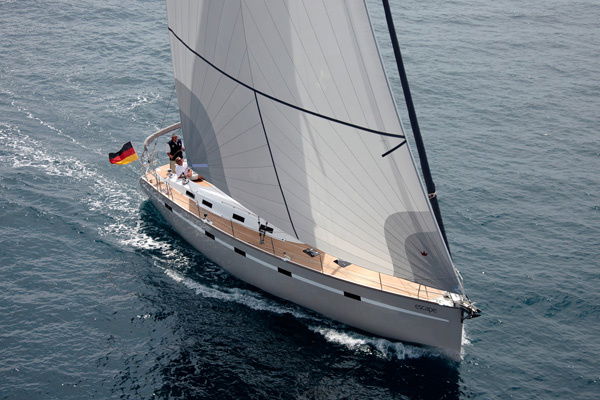

Images have been gathered from various sources and belong to their respective owners.
Latest Market Trends (Latest Available Year Model)
Price: $276,034
Review - Bavaria 55 Cruiser

MarineBroker
09/14/2024, 8:01 AM
2010 Bavaria 55 Cruiser: What Buyers and Owners Should Know Before They Set Sail
If you’re looking at the 2010 Bavaria 55 Cruiser, chances are you already know it has the kind of presence that turns heads in the marina. It’s a big, capable cruising yacht with plenty of space, a strong sailing reputation, and the sort of layout that appeals to families, liveaboards, and long-distance cruisers alike. But like any used boat, the real question isn’t just whether it looks good on paper — it’s whether it still makes sense for your needs today.
That’s where many buyers get stuck. A yacht like this can seem like a dream purchase, but older cruising boats come with their own set of concerns: maintenance history, rigging age, sail condition, engine hours, and the hidden costs of ownership. If you’re not careful, the excitement of the search can turn into expensive surprises later.
The good news? With the right approach, you can separate a solid example from a problem boat. In this article, we’ll break down what makes the 2010 Bavaria 55 Cruiser appealing, what to watch out for, and how to evaluate whether it’s the right fit for your sailing plans.
- Why the 2010 Bavaria 55 Cruiser Still Gets Attention
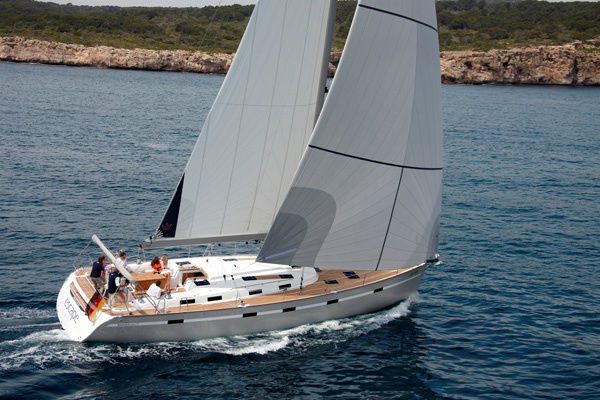
The 2010 Bavaria 55 Cruiser sits in that sweet spot many sailors look for: modern enough to feel comfortable, but old enough to offer value compared with newer yachts. Bavaria built this model for cruising, so the focus is on space, easy handling, and practical liveaboard comfort rather than pure racing performance.
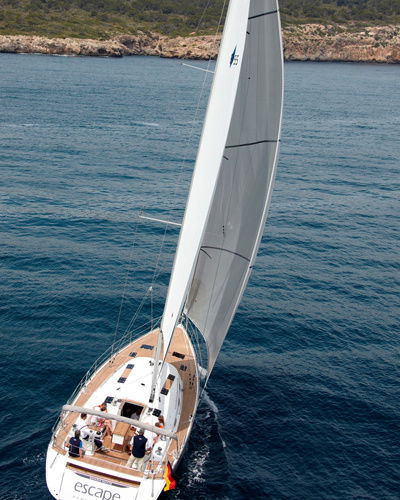
For many buyers, the appeal starts with the layout. The 55 Cruiser is known for generous cockpit space, a roomy saloon, and multiple cabin configurations. That makes it attractive to private owners, charter operators, and anyone planning extended time aboard.
A few reasons this model continues to stand out:
- Large interior volume for a monohull in its class
- Comfortable cockpit and deck layout for family cruising
- Good balance of sailing performance and ease of handling
- Strong used-market value compared with some premium European rivals
- Flexible cabin arrangements for guests or crew
Still, the boat’s age means condition matters more than brochure specs. Two yachts from the same year can feel completely different depending on how they were used and maintained.
- The Main Problem: Buying a Big Cruiser Without Knowing Its True Condition
The biggest challenge with a boat like the 2010 Bavaria 55 Cruiser is not finding one for sale. It’s figuring out whether the boat has been cared for properly.
Older cruising yachts often hide issues that aren’t obvious during a casual viewing. A clean interior and fresh cushions can distract buyers from structural wear, aging systems, or neglected maintenance. On a 55-foot yacht, those problems can be costly.
Common pain points for buyers include:
- Worn standing rigging
- Aging sails that no longer hold shape
- Engine and generator maintenance gaps
- Electrical system upgrades or failures
- Water ingress around deck fittings or hatches
- Teak deck wear, if fitted
- Osmosis concerns on older hulls
- Charter wear and tear if the boat has been in commercial use
The real issue is that many buyers don’t know where to focus first. Without a structured inspection plan, you can miss the details that matter most.
- What Makes the 2010 Bavaria 55 Cruiser a Good Cruiser
The 2010 Bavaria 55 Cruiser is designed for comfortable passage-making, not just day sailing. That matters if your goal is coastal cruising, family trips, or longer seasonal adventures.
Here’s what typically makes this model appealing from a practical standpoint:
- Cockpit and deck layout
The cockpit is usually large enough for relaxed entertaining and functional enough for easy sail handling. Winch placement and line routing are designed to keep things manageable for a small crew.
- Interior comfort
The saloon and cabins offer real livability. On a boat this size, you get storage space, sleeping capacity, and room to move around without feeling cramped.
- Easy cruising setup
Many examples are fitted with furling sails, autopilot, chartplotter systems, and other equipment that make shorthanded sailing more realistic.
- Good platform for upgrades
Because the model is popular, parts availability and upgrade options are generally manageable. That makes ownership less intimidating than with some rarer yachts.
For buyers who want a large, comfortable cruiser without moving into luxury-yacht pricing, this model can be a smart middle ground.
- How to Judge Whether a 2010 Bavaria 55 Cruiser Is Worth Buying
The best way to approach a used yacht like this is to think in terms of systems, not just appearance. A boat can look ready to go and still need major investment.
Start with these key areas:
- Rigging and sails
Standing rigging should be checked carefully if it’s original or near-original. On a boat from 2010, age alone can justify replacement depending on usage and condition.
- Engine and drive train
Ask for service records, oil analysis if available, and details on cooling-system maintenance. A well-maintained engine is a huge plus on a yacht of this size.
- Electrical systems
Battery age, charger condition, shore-power setup, and inverter status all matter. If the boat has been upgraded over time, make sure the work was done professionally.
- Hull and deck
Look for signs of stress, leaks, soft spots, or poorly sealed fittings. Pay close attention to chainplates, stanchions, hatches, and around the mast step.
- Steering and autopilot
On a 55-footer, steering loads matter. Check for play, unusual noises, or sluggish autopilot response.
- Plumbing and tanks
Freshwater, blackwater, and fuel systems should all be inspected for leaks, corrosion, and odor issues.
If possible, get a marine surveyor who has experience with production cruisers and larger sailing yachts. A survey is not just a formality — it’s your best defense against expensive surprises.
- 2010 Bavaria 55 Cruiser: Common Issues to Watch For
No boat is perfect, and that’s especially true for a used cruiser that may have seen charter or heavy family use. The goal is not to scare you off, but to help you focus your inspection.
Here are the most common trouble spots to check:
- Aging sails
Even if the sailcloth looks decent, performance may have dropped significantly. A tired mainsail or genoa can make the boat feel sluggish and harder to handle.
- Teak deck wear
If the boat has teak decking, inspect for thin sections, failed caulking, or prior repairs. Deck replacement can be expensive.
- Leaks around fittings
Deck leaks often show up as staining, musty odors, or soft interior trim. Small leaks can become bigger structural concerns if ignored.
- Electrical modifications
Many boats accumulate owner-installed wiring over time. Poorly executed upgrades can create hidden reliability issues.
- Charter history
A former charter yacht can still be a good buy, but it may have seen heavier use than a private cruiser. Ask direct questions and verify the answer with records.
- Cosmetic masking
Fresh upholstery or a recent polish can hide age-related wear. Always inspect the systems underneath the shine.
A practical rule: if the seller can’t explain recent maintenance clearly, assume you’ll need to budget for it yourself.
- What a Smart Pre-Purchase Inspection Should Include
If you’re serious about a 2010 Bavaria 55 Cruiser, a proper inspection should go beyond the basics. Think of it as a full health check.
A good survey process should include:
1. Hull and deck inspection
Check for osmosis, repairs, impact damage, and moisture intrusion.
2. Rigging assessment
Inspect standing and running rigging, chainplates, turnbuckles, and spars.
3. Engine and mechanical systems
Review service records, test operation under load, and inspect belts, hoses, mounts, and exhaust.
4. Electrical review
Test navigation electronics, charging systems, lighting, batteries, and shore-power safety.
5. Plumbing and sanitation
Check pumps, toilets, tanks, valves, and hose condition.
6. Sea trial
A sea trial helps reveal steering issues, vibration, engine performance, sail trim balance, and overall handling.
7. Documentation review
Look for ownership history, VAT status if relevant, maintenance logs, and evidence of major replacements.
The more complete the inspection, the easier it is to estimate true ownership costs.
- How to Estimate Ownership Costs Realistically
One of the biggest mistakes buyers make is focusing only on purchase price. With a yacht this size, annual ownership costs can be significant.
You should budget for:
- Insurance
- Mooring or marina fees
- Annual engine service
- Haul-out and bottom maintenance
- Sail repairs or replacement
- Safety gear updates
- Electronics upgrades
- Unexpected mechanical repairs
A used 55-foot cruiser can be excellent value, but only if you’re financially prepared for ongoing upkeep. Even a well-kept boat will need regular attention. That’s part of the deal.
A helpful mindset is to treat your first year of ownership as a stabilization period. You’ll likely replace or service a few things right away, even if the boat is in good shape. That’s normal and often smarter than waiting for breakdowns.
- Who the 2010 Bavaria 55 Cruiser Is Best Suited For
This boat is not for everyone, and that’s okay. It shines most when the owner values space, comfort, and cruising practicality.
It’s a strong match for:
- Families wanting a roomy sailing platform
- Couples planning long-distance cruising
- Liveaboards who need comfort and storage
- Buyers moving up from smaller yachts
- Charter-oriented owners looking for a proven layout
It may be less ideal for someone who wants:
- A lightweight performance cruiser
- Minimal maintenance responsibilities
- A simple weekend sailboat
- The lowest possible total ownership cost
Knowing your sailing style matters just as much as knowing the boat itself. A 55-foot cruiser can be amazing, but only if it matches how you actually plan to use it.
- Practical Buying Tips for a Better Decision
If you’re evaluating a 2010 Bavaria 55 Cruiser, keep the process grounded and methodical.
A few useful tips:
- Compare several examples before deciding
- Prioritize maintenance records over cosmetic condition
- Be cautious with boats that have long gaps in service history
- Don’t assume a higher asking price means better condition
- Budget for upgrades even if the boat appears turnkey
- Use a surveyor and, if needed, a marine engineer
- Factor in where the boat is located, since relocation can add cost
It also helps to think about your future use. If you plan to cruise offshore, you may want stronger redundancy, updated safety gear, and more robust electronics than a casual coastal sailor would need.
- Why the Right Solution Is a Structured Buying Process
The best solution to the uncertainty around buying a used cruiser is simple: slow down and inspect strategically.
For the 2010 Bavaria 55 Cruiser, the winning approach is:
- Identify how the boat was used
- Verify maintenance history
- Inspect the high-cost systems first
- Sea trial before committing
- Price in upgrades and immediate repairs
- Walk away if the numbers stop making sense
That approach protects you from buying a pretty boat that becomes an expensive project. It also helps you recognize a genuinely good example when you find one.
A well-maintained 2010 Bavaria 55 Cruiser can still offer a lot of boat for the money. The key is making sure the condition matches the promise.
- Conclusion
The 2010 Bavaria 55 Cruiser remains an appealing choice for sailors who want space, comfort, and practical cruising ability in a proven hull design. But like any used yacht, its value depends heavily on condition, service history, and how carefully it has been maintained. The smartest buyers look beyond the surface and focus on rigging, engine health, electrical systems, and signs of wear that can affect long-term ownership.
If you’re considering one, take your time, inspect thoroughly, and budget realistically. That way, you’re not just buying a boat — you’re buying confidence. And if you want to keep digging, the next best step is to compare listings, review survey checklists, and speak with an experienced surveyor before making an offer.
Specifications
General
Boat Type: Sail Boats
Class Type: Cruiser
Specifications
Length: 54.79
Beam: 15.42
Draft: 7.55
Hull Material: GRP
Build
First Built: 2010
Propulsion
Fuel Type: Diesel
Engines: 1
Power: 110 HP
Brand: Volvo Penta
Accomodation
PROS & CONS
What we appreciated
 Spacious and comfortable interior layout suitable for extended cruisingSolid build quality with high-quality materials used throughoutGood sailing performance for a cruiser of its sizeWell-equipped with modern navigation and safety equipmentGenerous storage space and well-designed deck layout
What we didn’t appreciate
 Older model, so some systems may need upgrading or maintenanceHeavier displacement can affect speed in lighter windsEngine and mechanical components may have higher hours and wearLimited resale market compared to more popular brandsLarger size can make docking and maneuvering challenging for less experienced sailors
Upkeep Costs
Annual insurance: $1,500 - $3,000
Docking/Marina fees: $3,000 - $7,000 per year
Maintenance and repairs: $5,000 - $10,000 per year
Fuel: $2,000 - $5,000 per year depending on usage
Winter storage and shrink wrap: $1,000 - $3,000 per year
Rating
7.7
User
Score
Score
Driveability
Technology
Interior
Design
Similar Boats


MarineBroker
Download now for an immersive boat experience like never before! ⛵✨ Your journey begins with a simple click. 🌊📲
#SetSailSmart #DownloadNow
#SetSailSmart #DownloadNow

Subscribe
Copyright 2017 - 2026, Marinebroker.net, All Rights Reserved