2013 Allures 45: What Buyers and Owners Should Know Before You Commit
If you’re looking at a 2013 Allures 45, chances are you’re drawn to the same things most sailors notice first: the striking aluminum hull, the serious offshore...
Discover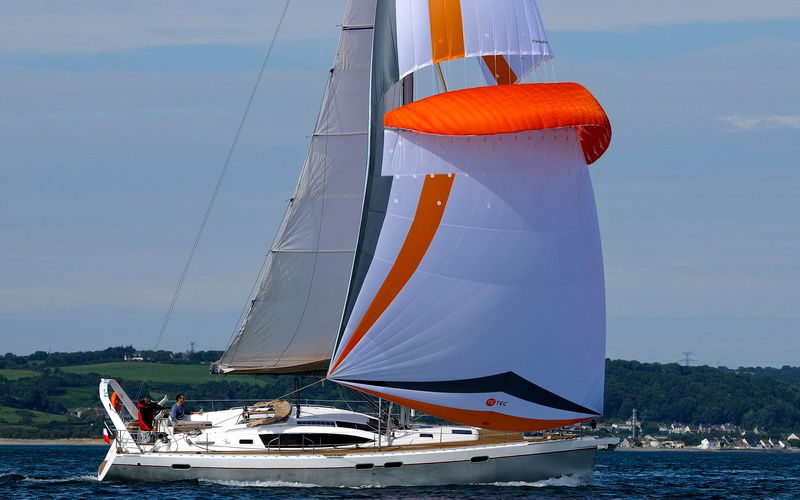
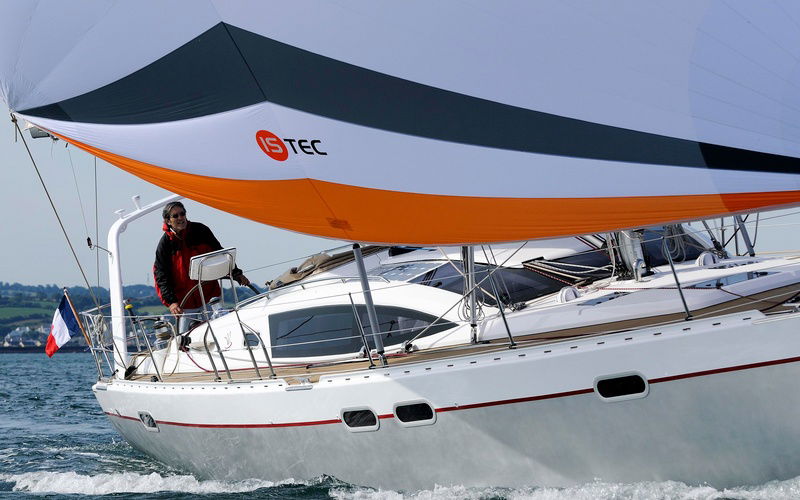
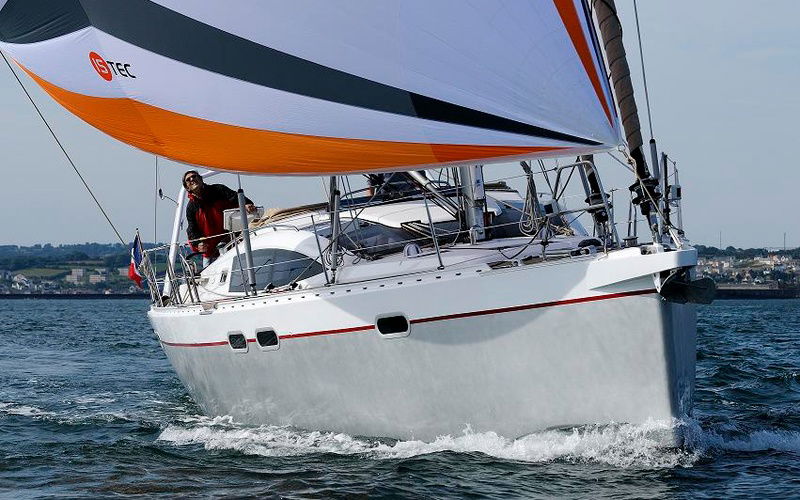
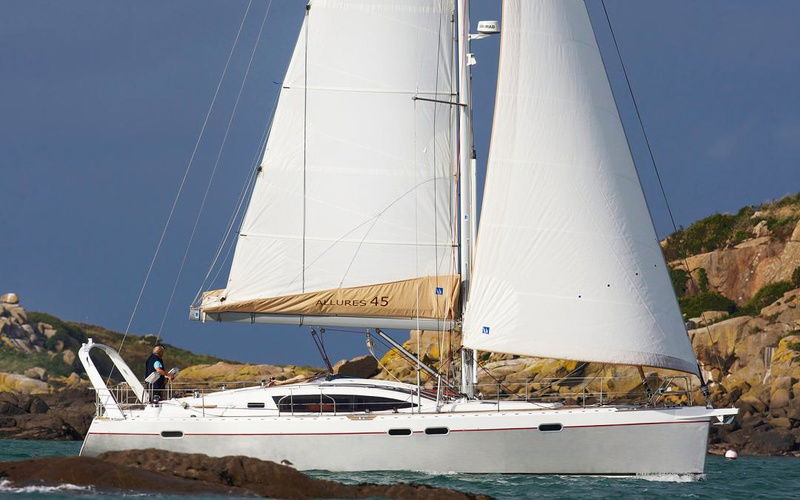
Images have been gathered from various sources and belong to their respective owners.
Latest Market Trends (Latest Available Year Model)
Price: $430,000
Review - Allures 45

MarineBroker
02/19/2024, 11:35 AM
2013 Allures 45: What Buyers and Owners Should Know Before You Commit
If you’re looking at a 2013 Allures 45, chances are you’re drawn to the same things most sailors notice first: the striking aluminum hull, the serious offshore capability, and the comfortable liveaboard feel that makes this boat stand out in the cruising market. It’s the kind of yacht that looks ready for long passages, but like any used bluewater cruiser, the real story is in the details.
The challenge for many buyers isn’t deciding whether the Allures 45 is attractive on paper. It’s figuring out whether a specific boat has been cared for properly, whether its systems still make sense for modern cruising, and what hidden costs might show up after purchase. That’s where a smart inspection strategy matters.
In this article, we’ll break down the most important things to know about the 2013 Allures 45, the common problem areas to watch for, and practical ways to evaluate whether this boat is the right fit for your cruising plans. If you’re trying to make a confident decision without getting caught by surprises, you’re in the right place.
- Why the 2013 Allures 45 Still Gets Attention
The 2013 Allures 45 sits in a sweet spot for sailors who want a true offshore-capable cruiser without moving into massive-yacht territory. Built by Allures Yachting, it combines an aluminum hull with a composite deck and superstructure, a design approach that appeals to sailors who value strength, safety, and reduced maintenance in the right places.
What makes this model especially interesting is its balance. It’s not just built for heavy weather; it’s also designed to be lived on comfortably. That’s a big deal for couples, families, and long-distance cruisers who want a boat that feels manageable at sea and pleasant at anchor.
For many buyers, the appeal comes down to three things:
- Offshore confidence
- Comfortable interior volume
- Practical cruising layout
That said, a used 2013 boat is now old enough that condition matters more than brand reputation. The model’s strengths are real, but so are the risks if maintenance has been inconsistent.
- The Main Problem Buyers Face With a 2013 Allures 45
The biggest issue with shopping for a 2013 Allures 45 is not usually the design itself. It’s the uncertainty around how the boat has been used and maintained over the years.
A boat like this may have spent time crossing oceans, sitting in warm marinas, or changing hands between owners with very different maintenance habits. That means two boats of the same year can feel completely different in terms of reliability and value.
The most common buyer concerns usually include:
- Hidden moisture or water intrusion
- Aging systems that look fine at first glance
- Deferred maintenance on rigging, sails, and mechanical equipment
- Electrical upgrades that may or may not have been done properly
- Wear from offshore use that isn’t obvious in a quick showing
In other words, the problem isn’t finding an Allures 45. The problem is finding a good one.
- What Makes the 2013 Allures 45 Unique
The Allures 45 is known for its aluminum hull, which gives it a strong reputation for durability and offshore capability. Aluminum can be a major advantage for long-range cruising because it handles impacts differently than fiberglass and can be easier to repair in certain scenarios.
The boat’s layout typically reflects a cruising-first philosophy. That means:
- Good storage for extended trips
- A practical galley and saloon arrangement
- A cockpit designed for safer handling underway
- A hull and deck combination intended to keep weight and maintenance in check
This is not a stripped-down racing boat pretending to be a cruiser. It’s a serious passagemaker with comfort built in.
Still, the same features that make it attractive also mean buyers should pay close attention to how the boat has been outfitted. Offshore cruising boats often accumulate custom upgrades, and not every modification improves the boat.
- Key Inspection Areas on a 2013 Allures 45
If you’re evaluating a 2013 Allures 45, a careful inspection is essential. A surveyor can help, but it’s smart to know where the usual trouble spots are before you step aboard.
- Hull and Structure
The aluminum hull is one of the boat’s biggest selling points, but it still deserves a thorough inspection.
Look for:
- Corrosion around fittings and penetrations
- Signs of impact damage
- Poorly sealed hardware
- Any areas where paint or coating has been compromised
Aluminum boats can be incredibly robust, but they are not immune to electrolysis or corrosion if bonding and maintenance have been neglected.
- Deck and Joinery
Because the deck and superstructure are composite, you want to check for water intrusion around:
- Windows
- Hatches
- Stanchions
- Chainplates
- Deck hardware
Soft spots are less common in well-built boats, but leaks can still lead to interior damage, mold, or hidden deterioration.
- Rigging and Spars
For a boat intended for offshore sailing, rigging condition is a major factor. Standing rigging on a 2013 boat may be due for replacement depending on use, climate, and maintenance history.
Pay close attention to:
- Age of standing rigging
- Chainplate condition
- Mast step and partners
- Fittings at the masthead
- Corrosion around terminals and swages
If the rig has not been documented with service records, assume it may be nearing replacement.
- Engine and Mechanical Systems
A cruising boat is only as good as its mechanical reliability. The engine, transmission, shaft or saildrive arrangement, and fuel system all deserve close attention.
Check:
- Engine hours and service records
- Oil condition and coolant history
- Fuel tank cleanliness
- Belts, hoses, and mounts
- Water pump and exhaust system condition
A well-kept engine can run for years, but neglected maintenance can turn a “good deal” into a costly repair project.
- Electrical and Battery Systems
This is one of the most common areas where older cruising boats get outdated. Many owners add solar, lithium batteries, upgraded chargers, inverters, and navigation gear over time.
That can be great, but only if the work is clean and properly integrated.
Inspect for:
- Neat wiring and labeling
- Proper fusing and circuit protection
- Battery age and type
- Corrosion in terminals and panels
- Compatibility between old and new systems
Messy electrical work is a red flag. It can cause ongoing reliability issues and create safety concerns.
- Interior Wear and Real-World Livability
The 2013 Allures 45 is supposed to be comfortable, but comfort depends on how the interior has aged. Liveaboard boats often show their history in subtle ways.
Look for:
- Water stains near windows or deck fittings
- Cabinet wear from heavy use
- Mattress and upholstery condition
- Ventilation quality
- Storage accessibility
A boat can be structurally sound and still feel tired inside. That matters if you plan to spend long periods aboard.
- Common Problem Areas to Watch For
Every used cruising boat has its weak points, and the 2013 Allures 45 is no exception. The goal is not to scare buyers away. It’s to help them spot issues early.
- Moisture Around Openings
Leaks around windows, hatches, and deck hardware are among the most common problems on aging cruising boats. Even a slow leak can lead to long-term damage if ignored.
What to do:
- Inspect after rain if possible
- Check for discoloration or mildew
- Use a moisture meter during survey
- Ask for records of resealing work
- Outdated Cruising Electronics
Navigation electronics from 2013 may still work, but many systems from that era are now outdated. Displays, chartplotters, radar, and autopilot components may be nearing end-of-life.
What to do:
- Confirm compatibility with current charts and networks
- Budget for replacement if needed
- Test autopilot response under load
- Check for clean installation and wiring
- Worn Sailing Gear
Sails, winches, clutches, furlers, and blocks can wear out gradually. A boat that’s been actively cruised may need more than a casual visual check.
What to do:
- Inspect sail cloth for UV damage and stretch
- Test furling systems
- Check winch operation and service history
- Examine lines for chafe and age
- Corrosion and Electrical Gremlins
On aluminum-hull boats, corrosion control is especially important. If bonding systems, anodes, or through-hull installations are not properly maintained, problems can develop quietly.
What to do:
- Check all sacrificial anodes
- Review bonding and grounding systems
- Inspect underwater metals carefully
- Look for signs of galvanic corrosion
- How to Judge Whether a 2013 Allures 45 Is a Good Buy
The best way to evaluate a 2013 Allures 45 is to think in terms of total condition, not just asking price. A lower-priced boat can become expensive fast if it needs major upgrades. A higher-priced boat with strong records may actually be the better value.
Here’s a simple framework:
- Maintenance history: Are records complete and believable?
- Usage pattern: Coastal cruising, offshore passagemaking, or long-term liveaboard?
- Upgrades: Are they useful, modern, and professionally installed?
- Survey results: Any structural, mechanical, or moisture concerns?
- Budget after purchase: Will you still have funds for repairs and updates?
If the answer to most of these is yes, you’re in much better shape.
- Practical Buying Strategy for the 2013 Allures 45
If you’re seriously considering this model, a methodical approach will save you time and money.
- Step 1: Review Records Before You Travel
Ask for:
- Maintenance logs
- Engine service history
- Rigging replacement dates
- Electronics upgrade details
- Receipts for major repairs
This helps you avoid wasting time on boats with unclear histories.
- Step 2: Inspect the Boat in Person With a Critical Eye
Don’t get distracted by cosmetics. Focus on the systems that cost the most to fix.
Prioritize:
- Hull and deck condition
- Rigging age
- Engine health
- Electrical system quality
- Signs of water intrusion
- Step 3: Hire the Right Surveyor
For a boat like the Allures 45, use a surveyor familiar with aluminum hulls and offshore cruisers. General experience is helpful, but model-specific and material-specific knowledge matters even more.
- Step 4: Budget for the First Year
Even a well-kept boat usually needs some work after purchase.
Plan for:
- Safety gear updates
- Routine servicing
- Possible rigging or sail replacements
- Electronics refresh
- Cosmetic and comfort improvements
A realistic first-year budget reduces stress and helps you enjoy the boat instead of chasing surprises.
- Why the Allures 45 Can Be a Smart Long-Term Cruiser
When properly maintained, the 2013 Allures 45 can be a strong long-term platform for serious cruising. Its aluminum hull offers peace of mind, and its layout is generally well suited to extended time aboard.
For the right owner, it can solve a common cruising dilemma: finding a boat that feels capable offshore without becoming too large or cumbersome to manage.
That makes it appealing to sailors who want:
- A dependable passagemaker
- A comfortable liveaboard
- A boat with real character
- A platform that can handle varied conditions
The key is matching the boat’s strengths to your own plans. If your goal is coastal day sailing, it may be more boat than you need. If you want ocean passages and extended cruising, it starts to make a lot more sense.
- Tips for Owners Looking to Keep a 2013 Allures 45 in Top Shape
If you already own one, or you’re about to, good maintenance habits will protect your investment and reduce long-term headaches.
A few smart habits go a long way:
- Rinse and inspect salt-exposed fittings regularly
- Keep detailed service records
- Check for leaks after heavy rain or passages
- Service the rig on a scheduled basis
- Test electrical systems before long trips
- Replace consumables before they fail
For offshore boats, prevention is always cheaper than repair.
- What to Expect in the Used Market
The used market for a 2013 Allures 45 can vary widely depending on condition, location, and equipment. Boats with recent rigging, modern electronics, and strong maintenance records usually command more attention.
But don’t assume the most expensive listing is automatically the best. Sometimes you’re paying for upgrades you don’t want, or cosmetics that don’t improve real-world reliability.
The better approach is to compare:
- Maintenance quality
- Upgrade relevance
- Survey findings
- Overall cleanliness and care
- How closely the boat matches your cruising goals
That’s where real value shows up.
- Conclusion
The 2013 Allures 45 remains an appealing choice for sailors who want a capable offshore cruiser with a strong build and practical layout. But like any used bluewater boat, its real value depends on condition, maintenance history, and the quality of its systems.
If you’re shopping for one, focus less on first impressions and more on the details that affect safety, reliability, and long-term ownership costs. A careful survey, solid records, and a realistic upgrade budget can make the difference between a stressful purchase and a great cruising platform. If you’re serious about this model, taking the time to inspect it properly is the smartest move you can make.
Specifications
General
Boat Type: Sail Boats
Class Type: Cruiser
Specifications
Length: 45.87
Beam: 14.53
Draft: 3.44
Hull Material: Aluminium
Build
First Built: 2013
Propulsion
Fuel Type: Diesel
Engines: 1
Power: 0 HP
Brand: Unknown
Accomodation
Berths: 8
Cabins: 4
PROS & CONS
What we appreciated
 High-quality French craftsmanship with robust buildSpacious and comfortable interior layoutExcellent seaworthiness suitable for bluewater cruisingEfficient sail plan with easy handling systemsGood resale value and strong owner community support
What we didn’t appreciate
 Relatively heavy displacement can affect light wind performanceLimited availability of spare parts outside EuropeHigher maintenance costs due to premium materialsLess modern electronics compared to newer modelsPrice point may be higher than comparable boats of similar size
Upkeep Costs
Insurance: $1,500 - $3,000 per year
Docking/Marina Fees: $5,000 - $10,000 per year
Maintenance and Repairs: $5,000 - $10,000 per year
Fuel: $2,000 - $4,000 per year (depending on usage)
Winter Storage and Haul-out: $1,000 - $3,000 per year

Rating
7.7
User
Score
Score
Driveability
Technology
Interior
Design
Similar Boats


MarineBroker
Download now for an immersive boat experience like never before! ⛵✨ Your journey begins with a simple click. 🌊📲
#SetSailSmart #DownloadNow
#SetSailSmart #DownloadNow

Subscribe
Copyright 2017 - 2026, Marinebroker.net, All Rights Reserved