2013 Alubat Ovni 395: What to Know Before Buying, Refitting, or Cruising Offshore
If you’re looking at a 2013 Alubat Ovni 395, chances are you’re not just browsing—you’re probably trying to figure out whether this boat is the rig...
Discover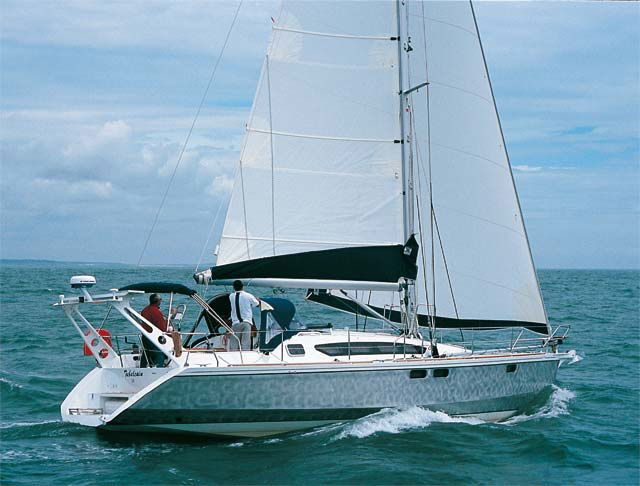
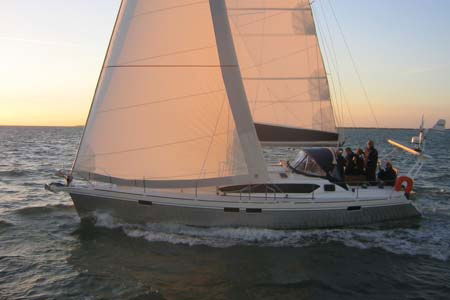
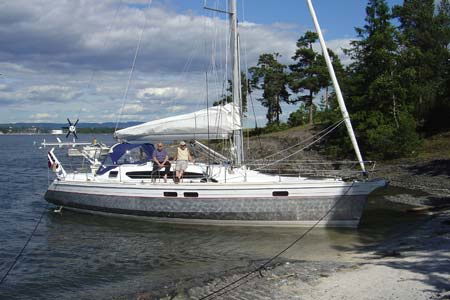
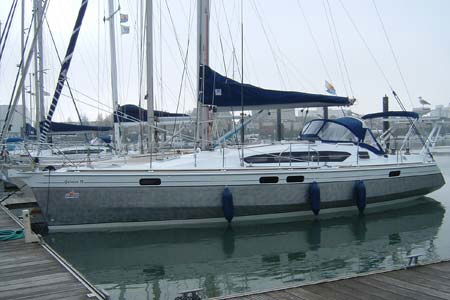
Images have been gathered from various sources and belong to their respective owners.
Review - Alubat Ovni 395

MarineBroker
02/21/2024, 4:40 AM
2013 Alubat Ovni 395: What to Know Before Buying, Refitting, or Cruising Offshore
If you’re looking at a 2013 Alubat Ovni 395, chances are you’re not just browsing—you’re probably trying to figure out whether this boat is the right fit for serious cruising, long-distance passagemaking, or a smart used-boat purchase. And that’s where things can get a little tricky.
The Ovni 395 has a strong reputation for bluewater capability, lifting keel versatility, and aluminum durability, but like any used cruising yacht, the real question is not just “Is it a good boat?” It’s “What should I watch out for, and how do I know if a specific boat is worth it?”
That’s the problem many buyers run into: the Ovni 395 is built for adventure, but finding one in genuinely good condition takes more than liking the layout or reading a brochure. You need to understand the common maintenance points, how to evaluate the hull and systems, and what makes one example a great buy while another becomes an expensive project.
In this article, we’ll break down the key things to know about the 2013 Alubat Ovni 395, the most common issues to inspect, and practical ways to approach ownership with confidence.
- Why the 2013 Alubat Ovni 395 stands out
The 2013 Alubat Ovni 395 sits in a very interesting part of the market. It’s a cruising yacht designed for sailors who want the freedom to go far, anchor in shallow water, and handle a mix of offshore and coastal conditions without constantly worrying about fragility.
One of the biggest reasons people look at this model is its aluminum construction. Aluminum cruising boats are often chosen for durability, impact resistance, and long-term offshore use. That doesn’t mean they’re maintenance-free, but they do offer a different kind of confidence compared with many fiberglass cruisers.
The Ovni line is also known for its lifting keel. That feature gives the boat a lot of flexibility:
- Shallower draft when entering anchorages or cruising thin-water areas
- Better access to remote coastlines and estuaries
- More versatility for cruising routes that would be off-limits to deeper-draft boats
For many sailors, that combination is the whole appeal. The boat is not trying to be the lightest, fastest, or fanciest yacht in the marina. It’s designed to be practical, capable, and ready for real-world cruising.
- The main challenge buyers face with a used Ovni 395
The biggest issue with a used 2013 Alubat Ovni 395 is not usually the design itself. It’s condition, maintenance history, and how the boat has been used.
A bluewater cruiser may look excellent on the surface but have hidden wear in places that matter a lot:
- Keel lifting mechanism
- Steering system
- Standing and running rigging
- Electrical upgrades or outdated wiring
- Water intrusion in fittings or deck hardware
- Engine and drivetrain condition
This is the real problem for buyers: the Ovni 395 is a capable platform, but a poorly maintained example can quickly become costly. Because these boats are often used for serious voyaging, they may have seen heavy loads, long passages, and years of exposure to salt, sun, and vibration.
The solution is not to avoid the boat. It’s to inspect it like a cruiser, not like a weekend sailor. That means focusing on systems, structure, and evidence of proper upkeep.
- What makes the 2013 Alubat Ovni 395 appealing for cruising
The Ovni 395 has several qualities that keep it on the radar for experienced sailors.
First, it offers strong offshore cruising credentials. The hull form, aluminum build, and general concept are aimed at sailors who want to cover miles safely and comfortably.
Second, the lifting keel opens up cruising options. If you enjoy exploring anchorages, river mouths, and shallow harbors, that feature can be a major advantage.
Third, aluminum construction can be a big plus for long-term ownership. Many sailors value:
- Resistance to osmosis, which is a common concern with fiberglass boats
- Greater toughness in certain impact scenarios
- The ability to repair and modify the boat more easily in some cases
Fourth, the Ovni 395 tends to attract owners who are serious about cruising. That often means the boat may already have useful upgrades like solar, wind generation, better navigation gear, additional refrigeration, or offshore safety equipment.
Still, the key is not to assume every example has been cared for equally. The boat’s reputation is strong, but the individual boat matters more than the model name.
- Common areas to inspect on a 2013 Alubat Ovni 395
If you’re evaluating one of these boats, a good survey should go beyond the obvious cosmetic stuff. Here are the main areas that deserve attention.
- Hull and aluminum condition
Aluminum boats are durable, but they still need a careful inspection. Look for:
- Signs of corrosion, especially around fittings and dissimilar metals
- Repairs that may indicate prior grounding or impact
- Paint or coating condition
- Any evidence of water traps or neglected areas where moisture may sit
Pay close attention to areas where stainless steel meets aluminum. That’s where galvanic corrosion can become a problem if isolation is poor.
- Lifting keel system
This is one of the most important systems on the boat. You want to know:
- How smoothly the keel raises and lowers
- Whether there is excessive play or unusual noise
- The condition of cables, hydraulics, or mechanical components
- Whether service records show regular maintenance
A lifting keel is a fantastic feature, but only if the system is healthy. A neglected mechanism can become expensive and inconvenient very quickly.
- Rudder and steering
Check for:
- Steering play
- Unusual resistance
- Wear in bearings or linkages
- Signs of grounding damage
Because cruising boats often see hard use, steering components can age faster than expected if the boat has covered many miles.
- Rigging and spars
By 2013, the standing rigging may still be within usable range depending on service history, but it is absolutely something to verify. Ask:
- When was the standing rigging last replaced?
- Are terminals and chainplates in good condition?
- Is the mast step sound?
- Is there any corrosion hidden under fittings?
Running rigging also matters, especially if the boat has been used offshore. Sheets, halyards, blocks, and winches all tell a story about how the boat has been handled.
- Engine and propulsion
The engine should be treated as a major decision point. Check:
- Service records
- Cooling system condition
- Oil analysis if available
- Fuel tank cleanliness
- Shaft, cutless bearing, and propeller condition
A cruising boat is only as relaxing as its mechanical reliability. A strong hull won’t make up for a tired engine.
- Electrical and electronics
Many 2013 boats have had upgrades over time, which is good—but only if the work was done properly. Inspect:
- Battery age and type
- Charging systems
- Solar or wind charging integration
- Wiring neatness and labeling
- Navigation electronics functionality
A boat with a messy electrical system can become a headache, especially on longer passages.
- Interior, moisture, and liveaboard wear
Even though the Ovni 395 is built for serious use, the interior still matters. Look for:
- Water intrusion around hatches and ports
- Mold or mildew
- Worn upholstery
- Locker ventilation
- Signs of leaks around deck penetrations
If the boat has been lived aboard, that’s not a problem by itself. In fact, many liveaboard boats are well used and well loved. But you need to separate cosmetic wear from structural or maintenance issues.
- How to judge whether a 2013 Alubat Ovni 395 is a good buy
A smart used-boat purchase is less about finding a perfect boat and more about finding the right boat at the right level of maintenance.
Here’s a simple way to think about it.
- A good boat usually has:
- Clear maintenance records
- Evidence of recent servicing on major systems
- No major signs of corrosion or structural issues
- Functional keel, steering, and engine systems
- Upgrades that were installed cleanly and logically
- A risky boat often has:
- Missing records
- Deferred maintenance
- Multiple “small” issues that suggest bigger neglect
- Poorly executed modifications
- Signs of water intrusion or corrosion around critical fittings
If you’re comparing two Ovni 395s, the better-maintained one is often the better value even if it costs more upfront. On a cruising boat, cheap can become expensive fast.
- Practical solution: use a step-by-step inspection strategy
The best way to solve the “Is this boat worth it?” problem is to use a structured approach.
- Step 1: Review the history
Start with the paperwork. Ask for:
- Ownership history
- Service records
- Rigging replacement dates
- Engine maintenance logs
- List of upgrades and modifications
- Any survey reports or insurance inspections
A boat’s history often reveals more than a walkthrough ever will.
- Step 2: Focus on critical systems first
Don’t get distracted by cushions, upholstery, or shiny electronics. Concentrate on the systems that affect safety and reliability:
- Hull
- Keel
- Steering
- Engine
- Rigging
- Electrical system
These are the areas that determine whether the boat is ready for cruising or needs serious investment.
- Step 3: Hire the right surveyor
For an aluminum cruising yacht, the surveyor should understand:
- Aluminum construction
- Corrosion risks
- Lifting keel systems
- Offshore cruising equipment
This matters a lot. A general survey is useful, but a knowledgeable surveyor can spot issues that a less experienced eye might miss.
- Step 4: Estimate refit costs honestly
Even a good used boat may need upgrades. Build a realistic budget for:
- Safety gear
- Rigging replacement
- Battery replacement
- Electronics modernization
- Sail inventory
- Engine servicing
- Cosmetic refit items
A practical budget helps you avoid falling in love with a boat that is financially unrealistic.
- Step 5: Match the boat to your cruising style
Ask yourself how you’ll actually use the boat:
- Coastal cruising?
- Offshore passagemaking?
- Liveaboard use?
- Shallow-water exploration?
- Seasonal sailing with occasional long passages?
The Ovni 395 can fit several of these roles, but your priorities should guide the final decision.
- Why the 2013 Alubat Ovni 395 can be a smart long-term platform
One reason sailors keep coming back to the 2013 Alubat Ovni 395 is that it offers a strong balance of capability and practicality. It is not a trendy performance cruiser built to win docking contests. It’s a working cruising yacht with a clear purpose.
That matters because boats with a clear purpose often age better when they are used as intended. If the boat has been maintained by an owner who understood offshore cruising, there’s a good chance the important systems were looked after properly.
The platform also gives owners flexibility. A well-kept Ovni 395 can be adapted over time:
- Better power generation
- Updated navigation systems
- Improved comfort for long-term cruising
- Storage and safety upgrades
- Sail inventory refreshes
That makes it attractive to sailors who want a boat they can own and improve, rather than replace every few years.
- Tips for making ownership easier after purchase
If you end up buying one, the first year matters a lot. A good first season can set you up for years of smooth sailing.
Here are a few useful habits:
- Create a maintenance log from day one
- Replace unknown-age consumables early
- Test all systems before heading offshore
- Keep corrosion under control with regular inspection
- Service the keel mechanism on schedule
- Don’t postpone small leaks or electrical issues
It’s also smart to build a relationship with a yard or technician familiar with aluminum boats. That can save time and stress when something needs attention.
- Who the 2013 Alubat Ovni 395 is best suited for
This boat is a strong match for sailors who value:
- Shallow draft versatility
- Offshore capability
- Solid construction
- Practical cruising comfort
- Long-term ownership over flashy styling
It may be less ideal for buyers who want:
- Ultra-light performance
- Low-maintenance simplicity
- A purely coastal weekend boat
- A project-free used boat at a bargain price
In other words, the Ovni 395 is best for people who understand that capability comes with responsibility. If you’re willing to inspect carefully and maintain consistently, it can be a very rewarding boat.
- Final thoughts on buying and owning a 2013 Alubat Ovni 395
The 2013 Alubat Ovni 395 is a compelling choice for sailors who want a capable aluminum cruiser with real offshore potential and the versatility of a lifting keel. But like any serious cruising boat, the value is in the details. Condition, maintenance records, and system health matter far more than the model name alone.
If you approach the purchase with a careful inspection plan, a realistic refit budget, and a clear idea of how you want to cruise, you’ll be in a much better position to make a smart decision. For the right buyer, this boat can be a practical and confidence-inspiring platform for years of adventure. If you’re still comparing options, keep digging into maintenance history, survey findings, and how each boat has actually been used before making your move.
Specifications
General
Boat Type: Sail Boats
Class Type: Cruiser
Specifications
Length: 41.6
Beam: 13.45
Draft: 6.89
Hull Material: Aluminium
Build
First Built: 2013
Propulsion
Fuel Type: Diesel
Engines: 1
Power: 0 HP
Brand: Unknown
Accomodation
PROS & CONS
What we appreciated
 Robust aluminum hull offering excellent durability and safetySpacious interior with comfortable living quarters for extended cruisingStable and seaworthy design suitable for bluewater sailingWell-designed deck layout with good sailing ergonomicsHigh-quality craftsmanship and attention to detail
What we didn’t appreciate
 Heavier than comparable fiberglass boats, potentially affecting light wind performanceLimited availability of parts and specialized maintenance due to aluminum constructionInterior design may feel somewhat utilitarian compared to luxury yachtsHigher initial purchase price compared to similar-sized fiberglass sailboatsLess resale market demand than more common fiberglass models
Upkeep Costs
Insurance: $1,200 - $1,800 per year
Docking/Marina Fees: $3,000 - $6,000 per year
Maintenance and Repairs: $2,000 - $4,000 per year
Fuel: $500 - $1,000 per year
Annual Survey and Registration: $300 - $600 per year
Rating
7.5
User
Score
Score
Driveability
Technology
Interior
Design
Similar Boats


MarineBroker
Download now for an immersive boat experience like never before! ⛵✨ Your journey begins with a simple click. 🌊📲
#SetSailSmart #DownloadNow
#SetSailSmart #DownloadNow

Subscribe
Copyright 2017 - 2026, Marinebroker.net, All Rights Reserved