2010 Alia Yachts Two: What Buyers Should Know Before You Explore This Superyacht
If you’ve been searching for information on the 2010 Alia Yachts Two, you’re probably trying to answer a very practical question: is this yacht the ...
Discover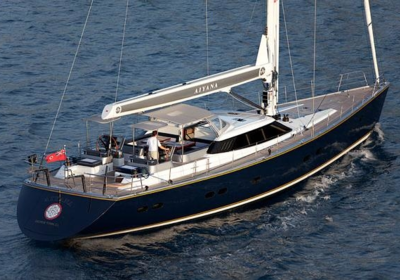
Images have been gathered from various sources and belong to their respective owners.
Review - Alia Yachts Two

MarineBroker
02/10/2024, 9:48 AM
2010 Alia Yachts Two: What Buyers Should Know Before You Explore This Superyacht
If you’ve been searching for information on the 2010 Alia Yachts Two, you’re probably trying to answer a very practical question: is this yacht the right fit, and what should you look out for before making a move? That’s a smart place to start. With any yacht purchase or charter consideration, especially in the superyacht category, the biggest challenge is not just admiring the design. It’s understanding build quality, maintenance history, onboard systems, layout, and long-term ownership costs.
The 2010 Alia Yachts Two stands out because it represents a blend of custom craftsmanship, modern yacht engineering, and the kind of large-yacht presence that appeals to experienced owners and serious enthusiasts. But like any vessel of this size and age, the real value depends on the details beneath the surface. A polished exterior is only part of the story. Buyers and yacht watchers need to know how to evaluate condition, what questions to ask, and how to avoid expensive surprises later.
In this article, we’ll break down the key things to know about the 2010 Alia Yachts Two, common issues to watch for, and the smartest ways to approach ownership, inspection, or research with confidence.
- What Makes the 2010 Alia Yachts Two Stand Out
Alia Yachts has built a reputation for producing custom and semi-custom yachts with a strong emphasis on engineering, design flexibility, and high-end finishes. The 2010 Alia Yachts Two fits into that world as a vessel that likely appeals to buyers who want more than a standard production yacht.
What draws people to yachts like this is usually a mix of factors:
- Custom or semi-custom design
- Strong attention to craftsmanship
- Large-yacht amenities
- Long-range cruising potential
- Prestige and exclusivity
For many yacht enthusiasts, the appeal is not just size. It’s the ability to own something that feels unique. A yacht like the 2010 Alia Yachts Two often reflects a specific owner’s vision, which can mean thoughtful layout choices, premium materials, and more personality than a mass-produced vessel.
That said, custom yachts can also be more complicated to maintain. Parts sourcing, system upgrades, and refit planning may require more attention than buyers expect. So while the design and brand reputation are important, the real question is whether the yacht has been cared for properly over time.
- The Main Problem: How Do You Judge a Yacht Like This Properly?
For people interested in the 2010 Alia Yachts Two, the biggest problem is usually uncertainty.
You may find photos, a listing, or even a brief specification sheet, but that doesn’t tell you enough. A yacht of this type can look excellent on paper and still have hidden issues related to:
- Mechanical wear
- Electrical system aging
- Cosmetic maintenance gaps
- Water intrusion
- Past refit quality
- Crew and owner upkeep history
This is where buyers often get stuck. They know the yacht is impressive, but they don’t know how to separate real value from surface appeal.
The solution is to evaluate the yacht in layers. Instead of asking only, “Do I like it?” ask:
- Has it been maintained consistently?
- Are the major systems original, upgraded, or overdue for replacement?
- Has the vessel undergone a documented refit?
- Does the layout still match how I plan to use it?
- What will ownership cost after purchase?
That mindset turns the search from emotional guesswork into a practical decision.
- Understanding the 2010 Alia Yachts Two in Context
A 2010 build sits in a very interesting age range for yachts. It is old enough that buyers should expect maintenance scrutiny, but not so old that it is automatically a poor choice. In fact, many yachts from this era can be excellent buys if they have been properly maintained and updated.
The key is understanding lifecycle rather than just age.
A yacht from 2010 may have:
- Replaced or upgraded navigation electronics
- Refreshed interior soft goods
- Serviced or rebuilt generators
- Updated safety equipment
- New HVAC components
- Modernized entertainment and communication systems
These upgrades matter because they can significantly improve comfort, reliability, and resale value. On the other hand, a yacht that has not been refreshed may require substantial investment soon after purchase.
For the 2010 Alia Yachts Two, a smart buyer should focus on the following question: does the yacht feel like a well-kept asset, or like a project?
That single distinction can save a lot of money and stress.
- What to Check Before Buying or Considering the Yacht
If you’re seriously interested in the 2010 Alia Yachts Two, a thorough inspection process is essential. Even if the yacht appears to be in great shape, you should never rely on visuals alone.
Here are the most important areas to review:
- Hull and structural condition
Look for signs of osmosis, impact damage, repairs, or stress around high-load areas. Structural integrity is one of the most important factors in any yacht purchase.
- Engines and propulsion
Review service logs, hours, oil analysis, and recent maintenance. Engines can be the most expensive part of ownership, so history matters a lot.
- Electrical systems
Aging wiring, corroded connections, or improvised modifications can create safety and reliability problems. This is especially important on larger yachts with complex systems.
- Interior condition
Check for wear in upholstery, cabinetry, flooring, and headliners. Cosmetic upkeep often reveals how the yacht has been treated overall.
- Plumbing and HVAC
Air conditioning, freshwater systems, and sanitation systems are often overlooked until they fail. Make sure they are tested under real operating conditions.
- Electronics and navigation
Older navigation packages may still work, but they may not meet current expectations for usability or integration.
- Safety equipment
Life rafts, fire systems, alarms, and emergency equipment should all be current and properly serviced.
A pre-purchase survey by a qualified marine surveyor and engine specialist is not optional. It is one of the most valuable investments you can make.
- Common Issues Buyers Should Watch For
Yachts from the 2010 era can be fantastic, but they often show predictable patterns of wear. Knowing these patterns helps you avoid surprises.
Some common issues include:
- Deferred maintenance from periods of low use
- Outdated electronics and navigation systems
- Aging seals, hoses, and pumps
- Cosmetic wear hidden by fresh detailing
- Corrosion in exposed metal fittings
- Generator or stabilizer service backlogs
- Interior moisture problems in poorly ventilated areas
A yacht may appear immaculate after a quick cleanup, but deeper issues tend to show up in logs, survey findings, and test runs. That’s why sea trials are so important. They reveal how the yacht performs under real conditions, not just at the dock.
If you’re evaluating the 2010 Alia Yachts Two specifically, ask for documentation that proves the vessel has been regularly maintained. Service records are often more valuable than a long list of features.
- How to Tell If the Yacht Has Been Properly Cared For
The best yachts usually leave clues. When a vessel has been well maintained, you can often see it in the details.
Look for signs such as:
- Organized maintenance records
- Clean engine rooms
- Consistent cosmetic condition throughout the yacht
- Matching levels of wear across spaces
- Up-to-date invoices for major services
- Evidence of recent upgrades rather than patchwork fixes
A neglected yacht often tells a different story. You may notice mismatched repairs, inconsistent finishes, or a long list of “to be addressed” items. That doesn’t always mean the yacht is a bad buy, but it does mean the price and future investment need to reflect reality.
For a yacht like the 2010 Alia Yachts Two, good records can make the difference between a confident purchase and a risky one.
- Why Layout and Usage Matter More Than People Think
A lot of buyers get caught up in size, style, and brand name. Those matter, but layout and intended use often matter more.
Ask yourself:
- Will this yacht be used for private family cruising?
- Do you need space for guests and entertaining?
- Will you have professional crew onboard?
- Are you planning long-range voyages or shorter seasonal trips?
- Do you need beach club space, toy storage, or formal dining?
A yacht can be beautiful and still be a poor fit for your lifestyle. The 2010 Alia Yachts Two may offer the kind of space and functionality that appeals to owners who want comfort and presence, but the right fit depends on how you plan to use it.
For example, a layout that works well for a couple with crew might feel awkward for a larger family. Likewise, a yacht optimized for luxury entertaining may not be ideal for someone focused on practical cruising efficiency.
The solution is simple: match the yacht’s strengths to your actual use case.
- Ownership Costs You Should Plan For
One of the biggest mistakes buyers make is focusing only on the purchase price. With a yacht like the 2010 Alia Yachts Two, ongoing costs are just as important.
Typical ownership expenses may include:
- Crew salaries
- Dockage and marina fees
- Fuel
- Insurance
- Routine maintenance
- Technical servicing
- Bottom cleaning and haul-outs
- Winterization or seasonal storage
- Refit reserves
A good rule of thumb is to budget beyond the obvious. Even a well-maintained yacht will need regular attention. Larger yachts, especially custom or semi-custom builds, can have higher operating costs because systems are more complex and service requirements are more specialized.
If the yacht is not currently in active charter or private use, ask how it has been stored and maintained during downtime. Idle time can create as many problems as heavy use.
- When a Yacht Like This Becomes a Smart Buy
The 2010 Alia Yachts Two can be a smart buy if a few conditions line up:
- The yacht has strong maintenance records
- Major systems have been serviced or upgraded
- The survey comes back clean or manageable
- The layout suits your needs
- The asking price reflects condition and future costs
In other words, age alone should not scare you off. A well-kept 2010 yacht can offer excellent value compared with a newer vessel that has been poorly maintained. Sometimes the better investment is the yacht that has already absorbed the biggest depreciation while still being in strong condition.
This is especially true for buyers who value craftsmanship and are willing to do proper due diligence. The right yacht at the right price can deliver years of enjoyment without unnecessary headaches.
- Practical Buying Tips for the 2010 Alia Yachts Two
If you’re actively researching this yacht, keep these tips in mind:
1. Request full maintenance logs
Don’t settle for partial records. The more complete the paper trail, the better.
2. Hire the right experts
Use a marine surveyor and engine specialist with experience in larger yachts and custom builds.
3. Sea trial the yacht
Testing under real operating conditions reveals far more than a dockside inspection.
4. Review refit history
A recent, well-documented refit can add major value.
5. Compare total ownership cost
A lower purchase price can still mean a higher total cost if the yacht needs significant work.
6. Check availability of parts and support
For custom yachts, sourcing components may take time. Confirm what systems are standard and what may need special attention.
7. Think long term
If you plan to keep the yacht for several years, prioritize condition and maintenance over cosmetic flash.
- The Role of the 2010 Alia Yachts Two in a Smart Yacht Search
For the right buyer, the 2010 Alia Yachts Two is less about chasing a trend and more about finding a capable, distinctive yacht with real presence. It belongs in the conversation when you want a vessel that combines style with serious engineering potential.
But the smartest buyers don’t just ask whether a yacht is impressive. They ask whether it is maintainable, insurable, usable, and financially sensible. That’s the real filter.
The good news is that once you know what to look for, the process becomes much easier. You can move from uncertainty to clarity by focusing on records, inspection results, and how well the yacht fits your intended use.
- Conclusion
The 2010 Alia Yachts Two can be an exciting option for buyers and enthusiasts who appreciate custom yacht design, quality craftsmanship, and standout presence on the water. But the real key to making a smart decision is looking beyond the surface. Maintenance history, system condition, layout fit, and future ownership costs all matter just as much as appearance.
If you’re researching this yacht, take your time, ask detailed questions, and rely on professional surveys before making any commitments. That approach will help you separate a good opportunity from a costly mistake. For anyone serious about exploring the 2010 Alia Yachts Two, the best next step is simple: gather the facts, inspect carefully, and make the yacht prove it deserves your attention.
Specifications
General
Boat Type: Sail Boats
Class Type: Cruiser
Specifications
Length: 81.04
Beam: 19.69
Draft: 13.45
Hull Material: GRP
Build
First Built: 2010
Propulsion
Fuel Type: Diesel
Engines: 1
Power: 0 HP
Brand: Unknown
Accomodation
Cabins: 3
PROS & CONS
What we appreciated
 Spacious and comfortable design ideal for cruisingStrong build quality with durable materialsEfficient sailing performance with good handlingWell-equipped with modern amenities for its timeGood resale value due to brand reputation
What we didn’t appreciate
 Older model, may require updates to electronics and systemsMaintenance can be costly due to quality componentsLimited availability of specific replacement partsHeavier weight compared to newer designs might affect speedInterior layout may feel dated compared to modern yachts
Upkeep Costs
Fuel: Approximately $10,000 - $15,000 per year depending on usage
Maintenance and Repairs: Around $5,000 - $10,000 annually
Insurance: Typically $1,500 - $3,000 per year
Docking and Storage: $3,000 - $7,000 per year depending on location
Registration and Taxes: $300 - $1,000 annually
Rating
8.0
User
Score
Score
Driveability
Technology
Interior
Design
Similar Boats


MarineBroker
Download now for an immersive boat experience like never before! ⛵✨ Your journey begins with a simple click. 🌊📲
#SetSailSmart #DownloadNow
#SetSailSmart #DownloadNow

Subscribe
Copyright 2017 - 2026, Marinebroker.net, All Rights Reserved