Boat Database » Balk Shipyard Mikhail S. Vorontsov
Balk Shipyard Mikhail S. Vorontsov
Inboard V-Drive, Diesel, 2x 1055 HP
Power Boats 2014 Balk Shipyard Mikhail S. Vorontsov: What Buyers Should Know Before Choosing This Yacht
If you’ve been searching for information on the 2014 Balk Shipyard Mikhail S. Vorontsov, you’re probably already past the “just browsing”...
Discover
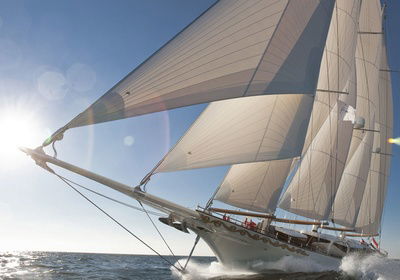
Images have been gathered from various sources and belong to their respective owners.
Review - Balk Shipyard Mikhail S. Vorontsov

MarineBroker
07/13/2024, 2:09 AM
2014 Balk Shipyard Mikhail S. Vorontsov: What Buyers Should Know Before Choosing This Yacht
If you’ve been searching for information on the 2014 Balk Shipyard Mikhail S. Vorontsov, you’re probably already past the “just browsing” stage. At this point, the real challenge isn’t finding the yacht listing itself—it’s figuring out whether this vessel actually fits your cruising plans, ownership expectations, and long-term costs.
That’s where many buyers get stuck. A yacht like this can look impressive on paper, but the important questions are often less obvious: How well has it aged? What kind of maintenance history should you expect? Is it a smart choice for private use, charter-style operation, or extended cruising? And most importantly, how do you avoid buying a beautiful boat that becomes a headache later?
This article breaks down the practical side of evaluating the 2014 Balk Shipyard Mikhail S. Vorontsov. We’ll look at the key factors that matter most—condition, layout, performance, operating costs, and ownership risks—so you can make a more informed decision. If you’re trying to separate real value from marketing gloss, you’re in the right place.
- Why the 2014 Balk Shipyard Mikhail S. Vorontsov stands out
The 2014 Balk Shipyard Mikhail S. Vorontsov belongs to a category of yachts that attract serious attention because of their build quality, design pedigree, and onboard comfort. For many buyers, the appeal starts with the name itself: Balk Shipyard has a reputation for solid Dutch craftsmanship and attention to detail.
But reputation alone doesn’t tell the whole story.
When people research a yacht like this, they’re usually trying to answer one of three questions:
- Is this yacht still a good buy in today’s market?
- What should I inspect before making an offer?
- How do I know whether it will be expensive to maintain?
Those are the right questions to ask. A yacht built in 2014 is not “old” in boating terms, but it’s old enough that systems, finishes, and mechanical components may have seen meaningful wear. That means the real value depends heavily on upkeep, refits, and how the yacht has been used.
For buyers, the smartest approach is not to focus only on the model name. Instead, look at the vessel as a complete package: structure, machinery, systems, aesthetics, and documentation.
- Understanding the real problem: choosing a yacht with confidence
The biggest problem for people interested in the 2014 Balk Shipyard Mikhail S. Vorontsov is uncertainty.
A yacht may appear to be a great opportunity, but unless you know how to evaluate it properly, you’re guessing. And guessing at this level can get expensive fast.
Common concerns include:
- Hidden maintenance issues
- Unclear service records
- Outdated navigation or safety equipment
- Interior wear that doesn’t show well in photos
- Higher-than-expected operating costs
- Fit issues between the yacht and your intended use
In other words, the problem is not finding a yacht. The problem is finding the right yacht for your needs and budget without missing the details that matter.
The solution is a structured evaluation process. That means looking beyond the listing and asking practical questions about the vessel’s history, systems, and future ownership demands.
- What makes a 2014 yacht worth considering today?
A yacht from 2014 can still be very attractive if it has been properly maintained. In many cases, a well-kept vessel from this era offers a strong balance of modern design and more approachable pricing compared with newer builds.
Here’s why buyers often consider yachts from this age range:
- They may have proven design and engineering
- Initial depreciation has already happened
- The yacht may include upgrades from previous ownership
- Build quality often remains strong if maintenance was consistent
- They can offer better value than a brand-new vessel
That said, age matters less than condition. A 2014 yacht with a complete maintenance log and recent refit work may be a better purchase than a newer boat that has been neglected.
For the 2014 Balk Shipyard Mikhail S. Vorontsov, this means the buying decision should center on evidence. Look for records, inspections, and signs of responsible ownership.
- Key features buyers should evaluate on the 2014 Balk Shipyard Mikhail S. Vorontsov
Every yacht has a personality, and the details matter. When evaluating this vessel, focus on the features that affect comfort, reliability, and usability.
- Hull and structural condition
The hull is the foundation of the yacht’s value. Ask about:
- Any repairs or damage history
- Antifouling schedule
- Hull survey results
- Evidence of osmosis, corrosion, or stress issues
Even if the yacht looks excellent from the dock, a proper hull inspection is essential.
- Machinery and propulsion
Engines, generators, and drivetrain components are often the most expensive systems to repair. Check:
- Engine hours
- Service intervals
- Oil analysis results, if available
- Generator maintenance
- Cooling system condition
- Shaft, propeller, and seal wear
A thorough mechanical review can save you from major surprises later.
- Electrical and navigation systems
A yacht from 2014 may still have capable systems, but technology evolves quickly. Confirm:
- Radar, chart plotter, and autopilot functionality
- Battery condition and charging systems
- Shore power compatibility
- Backup systems and redundancy
- Any outdated electronics that may need replacement
This is especially important if you plan to cruise far from service centers.
- Interior condition
Interior wear is easy to underestimate. Look for:
- Moisture damage
- Soft furnishings that need replacement
- Cabinet wear, hinges, and fittings
- HVAC performance
- Galley equipment condition
- Signs of poor ventilation or leaks
A stylish interior can hide years of use, so inspect carefully.
- Safety equipment
Safety gear is not optional. Confirm that the yacht has:
- Current life-saving equipment
- Fire suppression systems
- Bilge pump functionality
- EPIRB or equivalent emergency devices
- Up-to-date compliance items for your cruising area
This is one area where “good enough” is not good enough.
- How to judge whether the yacht has been properly maintained
Maintenance history is one of the strongest predictors of future ownership cost.
If you’re serious about the 2014 Balk Shipyard Mikhail S. Vorontsov, ask for documentation that shows the yacht has been cared for consistently. A good maintenance record should include:
- Annual service logs
- Engine and generator servicing
- Replacement history for pumps, belts, filters, and seals
- Refits or upgrades
- Survey reports
- Winterization and storage records
A boat that has been used regularly and serviced correctly is often preferable to one that sat unused for long periods. Inactivity can create its own problems, especially with seals, batteries, fuel systems, and electronics.
A simple rule: documentation builds trust. If the paperwork is thin, the risk goes up.
- Common ownership costs people overlook
One of the biggest mistakes buyers make is focusing only on the purchase price. With a yacht like the 2014 Balk Shipyard Mikhail S. Vorontsov, the real cost of ownership includes a lot more than the initial transaction.
Here are the major ongoing expenses to plan for:
- Dockage or marina fees
- Fuel
- Routine service and preventative maintenance
- Insurance
- Crew costs, if applicable
- Winter storage
- Bottom cleaning and antifouling
- Unexpected repairs
- Equipment upgrades
A helpful mindset is to budget for the boat you want to own, not just the one you want to buy.
For example, a yacht in excellent condition may still require annual spending for consumables, system checks, and cosmetic upkeep. If the vessel is used for extended cruising or charter-style operation, the costs rise further.
The solution is simple: create a realistic annual ownership budget before you purchase. That way, you can decide whether the yacht fits your lifestyle, not just your excitement.
- Is the 2014 Balk Shipyard Mikhail S. Vorontsov right for your use case?
The best yacht is the one that matches how you actually plan to use it.
Ask yourself:
- Will you cruise locally or travel long distances?
- Do you want private family use or guest entertaining?
- Will you operate with crew or handle the boat yourselves?
- Are you looking for comfort, speed, range, or a mix of all three?
Different buyers value different things. A yacht may be ideal for one owner and awkward for another.
For example:
- A couple planning relaxed coastal cruising may prioritize comfort and easy handling
- A family may care most about layout, storage, and safety
- A more experienced owner may focus on range, systems reliability, and refit potential
The 2014 Balk Shipyard Mikhail S. Vorontsov may be a strong fit if you want a vessel that feels substantial, well-built, and capable of delivering a refined onboard experience. But as always, fit matters more than prestige.
- What to inspect before making an offer
Before you move forward, use a structured inspection checklist. This is where buyers can protect themselves from expensive mistakes.
- Review the full maintenance file
- Hire an independent marine surveyor
- Conduct a sea trial
- Test all major systems under load
- Inspect the hull out of the water if possible
- Check for water intrusion and hidden damage
- Verify the condition of safety systems
- Confirm legal title and registration status
A sea trial is especially important. It gives you a chance to see how the yacht performs in real conditions, not just in a marina berth. Listen for unusual vibrations, check temperature readings, and observe how the vessel handles at different speeds.
If the seller resists a proper survey, that’s a red flag.
- How to avoid overpaying for a yacht like this
Pricing can be tricky because yacht values depend on condition, equipment, refit history, and market demand.
To avoid overpaying:
1. Compare similar yachts on the market
Look at age, size, condition, and upgrades.
2. Account for refit needs
A lower asking price may disappear once you factor in repairs.
3. Use survey findings in negotiations
Issues found during inspection can often justify a price adjustment.
4. Consider total ownership cost
A “cheap” yacht can become expensive if systems need major work.
5. Be patient
The right boat is worth waiting for.
A smart buyer doesn’t just ask, “What is the asking price?” They ask, “What will this yacht cost me over the next three to five years?”
- Practical solution: a simple buying strategy that works
If you’re interested in the 2014 Balk Shipyard Mikhail S. Vorontsov, the best solution is to follow a step-by-step process instead of rushing.
Here’s a practical approach:
- Start with a clean review of the listing and specs
- Request service records and refit history
- Hire an independent surveyor and marine engineer
- Complete a sea trial
- Estimate annual ownership costs
- Compare the yacht with similar alternatives
- Negotiate based on facts, not emotion
This process helps you separate a well-kept yacht from one that just looks appealing. It also gives you a clearer sense of whether the vessel matches your actual boating goals.
If the yacht checks out mechanically, structurally, and financially, then you’re in a much stronger position to move forward with confidence.
- Final thoughts on buying the 2014 Balk Shipyard Mikhail S. Vorontsov
The 2014 Balk Shipyard Mikhail S. Vorontsov can be a compelling option for buyers who value craftsmanship, comfort, and a proven yacht platform. But the key to making a good decision is not the name alone—it’s the condition, documentation, and long-term fit.
The main problem buyers face is uncertainty, and the solution is a careful, evidence-based evaluation. Inspect the hull, review the machinery, verify maintenance records, and think realistically about ownership costs. If everything lines up, you may find a yacht that offers excellent value and enjoyable cruising for years to come.
If you’re exploring this vessel further, take your time, ask detailed questions, and lean on independent experts where needed. That approach will always pay off more than rushing into a purchase based on appearance alone.
Specifications
General
Boat Type: Power Boats
Class Type: Mega Yacht
Specifications
Length: 17.19
Beam: 3.44
Draft: 13.12
Hull Material: GRP
Build
First Built: 2014
Propulsion
Fuel Type: Diesel
Engines: 2
Power: 1055 HP
Brand: Unknown
Accomodation
Berths: 5
Cabins: 10
PROS & CONS
What we appreciated
 Robust construction typical of Balk Shipyard, ensuring durabilitySpacious deck layout suitable for comfortable cruisingClassic design with strong seaworthiness for various weather conditionsReliable engine performance with good fuel efficiency for its classWell-maintained 2014 model with modern navigation and safety equipment
What we didn’t appreciate
 Higher maintenance costs due to its size and complexityLimited availability of spare parts depending on locationOlder technology compared to newer models may lack some modern amenitiesRelatively heavy, which can affect speed and maneuverabilityRequires experienced handling due to its size and design characteristics
Upkeep Costs
Annual maintenance: $15,000 - $25,000
Docking/Marina fees: $10,000 - $20,000 per year
Fuel costs: $30,000 - $50,000 per year (depending on usage)
Insurance: $8,000 - $12,000 per year
Crew salaries: $100,000 - $200,000 per year (if applicable)
Rating
7.9
User
Score
Score
Driveability
Technology
Interior
Design
Similar Boats


MarineBroker
Download now for an immersive boat experience like never before! ⛵✨ Your journey begins with a simple click. 🌊📲
#SetSailSmart #DownloadNow
#SetSailSmart #DownloadNow

Subscribe
Copyright 2017 - 2026, Marinebroker.net, All Rights Reserved