Boat Database » Avangard Yachts Sixty Six
Avangard Yachts Sixty Six
Inboard Direct-Drive, Diesel, 2x 0 HP
Power Boats 2002 Avangard Yachts Sixty Six: What Owners Should Know Before Buying, Restoring, or Running One
The 2002 Avangard Yachts Sixty Six is the kind of yacht that gets attention for all the right reasons: size, presence, and the promi...
Discover

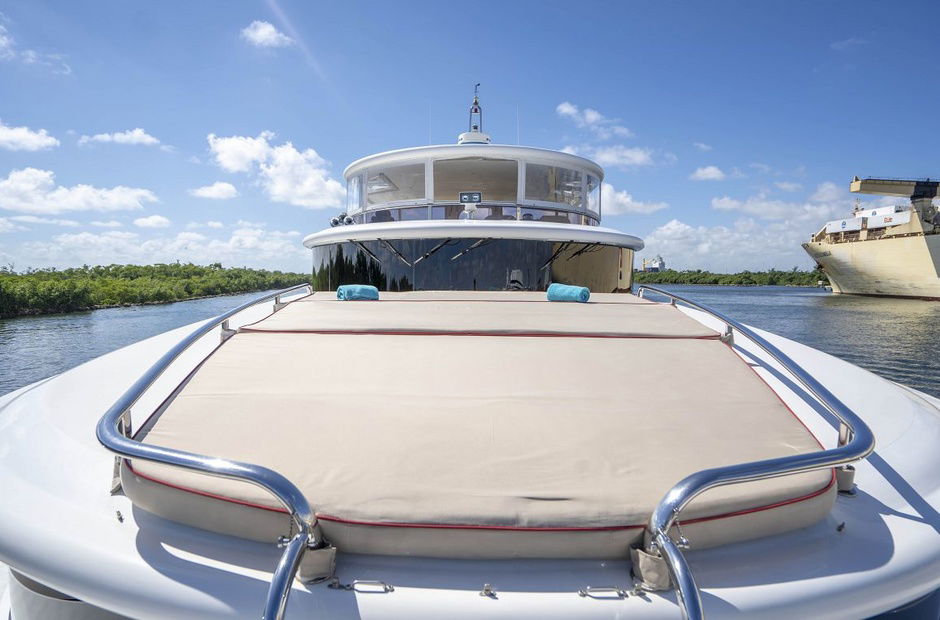
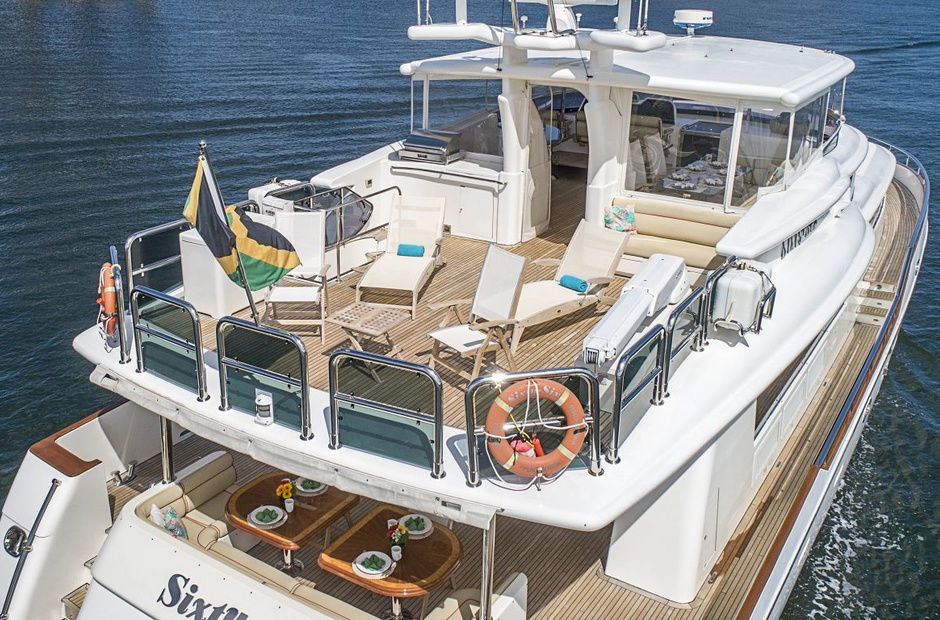
Images have been gathered from various sources and belong to their respective owners.
Review - Avangard Yachts Sixty Six

MarineBroker
06/29/2024, 11:49 AM
2002 Avangard Yachts Sixty Six: What Owners Should Know Before Buying, Restoring, or Running One
The 2002 Avangard Yachts Sixty Six is the kind of yacht that gets attention for all the right reasons: size, presence, and the promise of comfortable cruising. But if you’re looking at one today, there’s usually one big question in the back of your mind: *is it a great opportunity, or a project with hidden costs?* That’s the real challenge with older luxury yachts. On the surface, they can seem like an incredible value compared with newer boats, but age, maintenance history, and parts availability can quickly change the story.
If you’re interested in a 2002 Avangard Yachts Sixty Six, the smartest move is not just admiring the boat’s layout or styling. It’s understanding what to inspect, what tends to wear out, and how to judge whether the yacht fits your cruising goals and budget. The good news is that with the right approach, you can avoid expensive surprises and make a much more confident decision. Whether you’re buying, restoring, or just researching, a clear plan will save you time, money, and stress.
- What Makes the 2002 Avangard Yachts Sixty Six Appealing
The 2002 Avangard Yachts Sixty Six sits in a category that many buyers find especially attractive: a large motor yacht with serious onboard space, but often at a used-market price that can be far more approachable than a newer vessel of similar size.
For many people, the appeal comes down to a few things:
- generous interior volume
- a layout designed for extended time aboard
- strong visual presence at the dock
- the chance to own a larger yacht without paying brand-new yacht pricing
That said, older yachts are rarely “turnkey” just because they look good in photos. A 20-plus-year-old yacht can still be excellent, but it usually demands a more careful evaluation than a newer boat.
This is where many buyers run into trouble. They get excited about the size and style, then underestimate the real cost of ownership. In other words, the problem isn’t just finding a yacht you like. It’s finding one that won’t turn into a maintenance headache.
- The Main Problem: Older Luxury Yachts Can Hide Expensive Surprises
When people search for the 2002 Avangard Yachts Sixty Six, they’re often trying to answer a practical question: “Is this a smart buy?” That’s a fair question, because older yachts can come with hidden issues that aren’t obvious during a quick walkthrough.
Common concerns include:
- aging engines or generators
- worn-out hoses, pumps, and seals
- outdated electronics
- cosmetic wear that signals deeper neglect
- water intrusion or soft spots in structural areas
- deferred maintenance from previous owners
The tricky part is that many of these issues don’t show up in a glossy listing. A yacht might look clean, polished, and ready to go, but still need major work underneath the surface.
For example, a buyer might focus on the salon finish and cabin layout while missing the fact that the cooling system is overdue for service, or the navigation electronics are too old to support modern cruising needs. That’s how a “good deal” becomes a budget strain.
- How to Solve It: Use a Systematic Inspection Approach
The best solution is to evaluate the yacht like a project manager, not just a dreamer. That means looking at the boat in layers: structure, mechanical systems, electrical systems, cosmetics, and documentation.
A good inspection strategy for a 2002 Avangard Yachts Sixty Six should include:
1. A full marine survey
2. An engine and machinery inspection
3. A sea trial
4. A review of maintenance records
5. A realistic refit budget
If you’re serious about the boat, don’t skip any of these. A survey alone is helpful, but it shouldn’t be your only decision tool. On older yachts, the paperwork and service history can be just as important as the physical condition.
The goal is simple: determine whether the yacht has been cared for consistently or merely kept afloat.
- What to Check First on a 2002 Avangard Yachts Sixty Six
Before you get deep into negotiations, focus on the areas most likely to affect safety, reliability, and cost.
- Engines and propulsion
The engines are usually the biggest-ticket item on any motor yacht. Ask about total hours, service intervals, oil analysis if available, and whether major work has already been done.
Look for:
- clean starting and smooth idle
- no unusual smoke
- stable operating temperatures
- no leaks around hoses, seals, or mounts
- consistent throttle response
If the engines haven’t been run regularly or serviced on schedule, assume there may be hidden expenses ahead.
- Generator and onboard power
A yacht of this size depends heavily on reliable electrical power. Check generator hours, service records, and whether the generator can support the boat’s typical load without strain.
Older generators often show problems through:
- hard starting
- voltage instability
- excess vibration
- noisy operation
- poor maintenance history
- Electrical systems and electronics
Electronics age quickly in marine environments. A boat from 2002 may still be functional, but its systems may not match current expectations.
Pay close attention to:
- chart plotters
- radar
- autopilot
- batteries and chargers
- AC/DC panels
- wiring condition
If the boat still has original electronics, plan for upgrades. That’s not necessarily a dealbreaker, but it should be part of your budget.
- Hull, deck, and moisture issues
A strong-looking hull can still hide problems if water has entered the structure. Check for soft decks, cracked fittings, staining around windows, and signs of previous repairs.
Moisture intrusion is one of the most expensive issues to fix because it can spread quietly. If you’re unsure, a moisture meter and a knowledgeable surveyor are worth every penny.
- Interior condition
The interior can tell you a lot about how the boat was used. Worn upholstery, damaged joinery, or musty odors may indicate poor ventilation, leaks, or inconsistent upkeep.
Don’t just ask whether the interior looks nice. Ask whether it has been maintained in a way that suggests the rest of the vessel has been cared for too.
- Common Ownership Mistakes to Avoid
A lot of problems with older yachts come from the buying process itself. People get emotionally attached and overlook warning signs.
Here are a few common mistakes:
- skipping the sea trial
- trusting photos instead of inspections
- ignoring service records
- underestimating refit costs
- buying based only on price
- assuming all older luxury yachts are “the same”
A lower purchase price can be misleading if the vessel needs immediate upgrades. For example, replacing outdated navigation gear, servicing engines, and refreshing soft goods can add up quickly. In some cases, the initial savings disappear fast.
The smarter approach is to ask: “What will this boat cost me over the next two years?” That’s the number that really matters.
- Budgeting for an Older Yacht Without Getting Burned
If you’re considering a 2002 Avangard Yachts Sixty Six, budgeting should go beyond the listing price. A realistic ownership plan includes purchase cost, survey fees, insurance, dockage, maintenance, and likely upgrades.
A simple rule of thumb for older yachts is to reserve a refit fund. Even a well-maintained boat may need attention after changing hands.
Typical budget categories include:
- survey and haul-out
- engine and generator service
- battery replacement
- electronics upgrades
- cosmetic repairs
- safety gear replacement
- upholstery or soft-good refresh
- unexpected mechanical work
It’s also smart to set aside a contingency fund. On an older luxury yacht, surprises are normal, not rare.
If the boat passes inspection and the numbers still make sense, that’s a good sign. If the budget only works when you ignore likely repairs, it’s probably not the right boat.
- Why Maintenance History Matters More Than the Year
The model year tells you when the yacht was built, but maintenance history tells you how it has actually lived.
A heavily used but well-maintained 2002 Avangard Yachts Sixty Six may be a better buy than a lightly used boat that sat neglected for years. Sitting can be just as damaging as use, especially for engines, seals, batteries, plumbing, and electronics.
Look for records that show:
- annual engine service
- winterization or lay-up procedures
- generator maintenance
- bottom work and paint history
- upholstery or interior repairs
- upgrades to safety and navigation equipment
If the seller can’t provide records, proceed carefully. Missing paperwork doesn’t always mean trouble, but it does mean more risk.
- How the 2002 Avangard Yachts Sixty Six Can Still Be a Smart Choice
Even with the age-related concerns, the 2002 Avangard Yachts Sixty Six can still make sense for the right buyer. The key is matching the yacht to your actual needs.
This boat may be a good fit if you:
- want a larger yacht with real living space
- are comfortable managing maintenance
- plan to use the vessel for coastal cruising or extended weekends
- have a budget for upgrades and ongoing care
- value layout and presence over brand-new technology
In many cases, older yachts offer strong value because the original depreciation has already happened. That means you may get more boat for the money, provided you’re willing to do the homework.
For some buyers, the ideal strategy is to purchase a solid platform and improve it over time. That can be a practical way to own a larger yacht without taking on the price of a newer model.
- Smart Questions to Ask Before You Buy
If you’re evaluating a listing, ask direct questions. Good sellers usually appreciate serious buyers.
Useful questions include:
- When were the engines last serviced?
- Are maintenance records available?
- Has the boat had any major repairs or refits?
- Are there known issues with the electrical or plumbing systems?
- When was the last bottom job completed?
- Are all electronics original, upgraded, or partially replaced?
- Has the yacht ever had water intrusion or structural repairs?
You can learn a lot from how the seller answers. Clear, specific responses are a positive sign. Vague or evasive answers usually mean you should dig deeper.
- Practical Tips for a Better Buying Decision
If you’re serious about a 2002 Avangard Yachts Sixty Six, keep the process grounded and methodical.
A few practical tips:
- bring in a surveyor who knows larger motor yachts
- budget for upgrades before you buy, not after
- inspect the boat in person if possible
- test all major systems during the sea trial
- compare the asking price to condition, not just size
- think about future resale value and supportability
It also helps to be honest about your own boating style. If you want a low-maintenance vessel, an older luxury yacht may not be the best fit unless it has already been thoroughly refreshed. If you enjoy project ownership and careful upkeep, it can be a rewarding choice.
- Final Thoughts on Value, Risk, and Confidence
The 2002 Avangard Yachts Sixty Six can be a compelling option for buyers who want size, comfort, and classic yacht presence without stepping into new-build pricing. But the real key is not falling for the first impression. Older yachts reward careful inspection, realistic budgeting, and a clear understanding of what ownership will actually require.
If you approach the process with a solid survey, good records, and a repair budget, you’ll be in a much stronger position to make the right call. In the end, the smartest buyers aren’t the ones who find the cheapest yacht. They’re the ones who find the right yacht for their needs and know exactly what they’re getting into. If you want to keep learning, continue comparing similar models and review maintenance-focused guides before making your final decision.
Specifications
General
Boat Type: Power Boats
Class Type: Mega Yacht
Specifications
Length: 86.94
Beam: 23.62
Draft: 6.89
Hull Material: GRP
Build
First Built: 2002
Propulsion
Fuel Type: Diesel
Engines: 2
Power: 0 HP
Brand: Unknown
Accomodation
Cabins: 4
PROS & CONS
What we appreciated
 Spacious and luxurious interior with high-quality materialsSolid build quality typical of Avangard YachtsPowerful engine options providing good performanceComfortable for extended cruising with ample amenitiesElegant and timeless design appealing to many yacht enthusiasts
What we didn’t appreciate
 Older model so may require more maintenance and updatesFuel consumption can be high due to size and engine powerLimited availability of parts due to brand rarityTechnology and electronics may be outdated compared to newer modelsHigher initial purchase and running costs typical for yachts of this class
Upkeep Costs
Fuel: Approximately $100,000 - $150,000 per year depending on usage and fuel prices
Maintenance and Repairs: $30,000 - $50,000 per year
Docking/Marina Fees: $20,000 - $40,000 per year
Insurance: $15,000 - $25,000 per year
Crew Salaries (if applicable): $50,000 - $150,000 per year
Rating
6.6
User
Score
Score
Driveability
Technology
Interior
Design
Similar Boats


MarineBroker
Download now for an immersive boat experience like never before! ⛵✨ Your journey begins with a simple click. 🌊📲
#SetSailSmart #DownloadNow
#SetSailSmart #DownloadNow

Subscribe
Copyright 2017 - 2026, Marinebroker.net, All Rights Reserved