2002 Babro 1120: What to Check Before Buying, Owning, or Restoring This Classic Dutch Cruiser
If you’re looking at a 2002 Babro 1120, you’re probably already drawn to its solid Dutch build, comfortable layout, and reputation as a...
Discover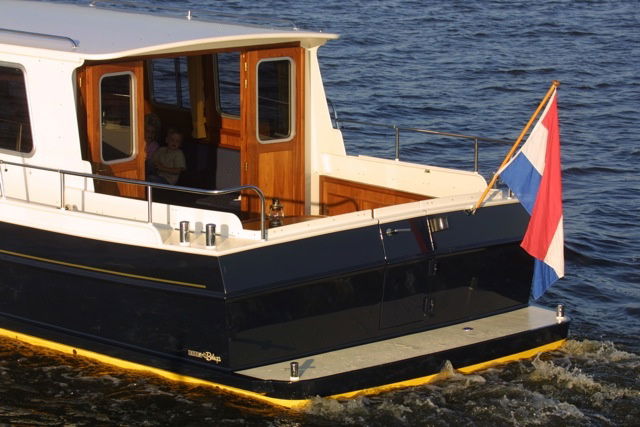


Images have been gathered from various sources and belong to their respective owners.
Review - Babro 1120

MarineBroker
07/07/2024, 4:47 AM
2002 Babro 1120: What to Check Before Buying, Owning, or Restoring This Classic Dutch Cruiser
If you’re looking at a 2002 Babro 1120, you’re probably already drawn to its solid Dutch build, comfortable layout, and reputation as a capable inland cruiser. It’s the kind of boat that appeals to people who want a relaxed, dependable cruising experience rather than a flashy weekend toy. But like many older motor cruisers, the real challenge isn’t just admiring the boat — it’s knowing what to look for before you commit.
That’s where many buyers and current owners run into trouble. A well-kept 2002 Babro 1120 can still be a fantastic boat, but age, maintenance history, and hidden wear can turn a good-looking cruiser into an expensive project. The good news is that most of the common issues are manageable if you know where to inspect and what questions to ask. In this article, we’ll walk through the most important things to check, the typical problem areas on boats of this type, and practical ways to keep ownership enjoyable instead of stressful.
- Why the 2002 Babro 1120 still attracts buyers
The Babro 1120 sits in a sweet spot for many boaters. It’s large enough to feel comfortable for longer trips, but not so huge that it becomes difficult to handle on inland waterways or in marinas.
For many people, the appeal comes down to a few things:
- Strong steel construction
- Traditional Dutch cruiser styling
- Practical cabin layout
- Good visibility from the helm
- Comfortable for couples or small families
That said, boats in this class are often bought by people transitioning into more serious cruising. If that’s you, it’s easy to focus on the layout and finish while overlooking the technical side. The biggest mistake is assuming that a clean interior means a healthy boat underneath.
A 2002 Babro 1120 can be a smart purchase, but only if you understand what condition really means on a boat that is now over two decades old.
- The main problem: age-related wear that hides well
The most common issue with a boat like the 2002 Babro 1120 is not one single defect. It’s the combination of age, moisture, mechanical wear, and deferred maintenance.
Boats age differently from cars. A vessel can look tidy on the surface while having underlying issues in the hull, engine, electrical system, or plumbing. That’s especially true if the boat has spent long periods sitting idle or has been used only seasonally.
Typical age-related concerns include:
- Corrosion in fittings and systems
- Engine wear or cooling issues
- Electrical faults from old wiring or poor upgrades
- Dampness in cabins and storage areas
- Worn windows, seals, and deck hardware
- Outdated navigation or safety equipment
The solution is not to avoid older boats altogether. It’s to inspect them with a checklist mindset and budget for preventative work rather than hoping everything is perfect.
- How to assess the hull and structure on a 2002 Babro 1120
The hull is the heart of any steel cruiser, and on a boat like this, it deserves careful attention. Even if the outside looks decent, the condition of the steel below the waterline and around stress points matters a lot.
Look for:
- Rust bubbles or blistering in paint
- Signs of previous patch repairs
- Uneven welds or suspicious plates
- Moisture traps around deck fittings
- Corrosion near drains, scuppers, and rubbing strips
Pay special attention to areas where water can sit for long periods. Steel boats are durable, but they need proper coatings and regular maintenance.
A practical approach:
- Inspect the boat out of the water if possible
- Check for recent blacking or protective coatings
- Ask when the hull was last surveyed
- Look inside lockers and bilges for rust or standing water
If you’re buying, a professional survey is not optional. It’s the best way to identify hidden structural concerns before they become expensive surprises.
- Engine and drivetrain: where many ownership headaches begin
One of the most important parts of evaluating a 2002 Babro 1120 is the engine. A well-maintained engine can run for many years, but neglected service history is a red flag.
Common engine-related issues on older cruisers include:
- Hard starting
- Excess smoke
- Overheating
- Cooling system blockages
- Belt wear
- Fuel contamination
- Oil leaks
You’ll want to know:
- Engine make and model
- Service intervals
- Hours logged
- When filters, belts, impellers, and fluids were last changed
- Whether the gearbox shifts smoothly
A simple sea trial can reveal a lot. The engine should start cleanly, idle smoothly, and respond without hesitation. If it struggles to reach operating temperature or runs hotter than expected, that may point to cooling problems.
Practical solution:
- Ask for service records, not just verbal reassurance
- Budget for a full service immediately after purchase if records are incomplete
- Replace consumables early if there is any doubt
- Have a mechanic inspect the engine mounts, fuel lines, and cooling system
Older boats often become unreliable when owners skip routine maintenance. Catching small issues early usually saves far more money than waiting for a breakdown.
- Electrical systems: the hidden weak point on older boats
Electrical faults are one of the most frustrating problems on any cruiser. They can be intermittent, difficult to trace, and expensive if the system has been modified poorly over the years.
On a 2002 Babro 1120, check:
- Battery age and condition
- Shore power setup
- Charger operation
- Fuse panels and labeling
- Wiring condition and corrosion
- Lighting, pumps, and gauges
- Any added electronics or DIY upgrades
A lot of older boats have had “improvements” done over time. Sometimes those upgrades are helpful. Other times they create messy wiring, overloaded circuits, or hidden safety concerns.
What to look for:
- Loose connections
- Rust at terminals
- Non-marine cable used in marine environments
- Unlabeled switches
- Signs of heat damage
- Batteries that don’t hold charge well
Solution:
- Test every circuit one by one
- Replace tired batteries before they fail underway
- Have a marine electrician review the system if you see patchy workmanship
- Keep a simple wiring diagram onboard if one is available
If you’re not confident with electrics, don’t guess. Boats are small environments where one bad connection can affect several systems at once.
- Damp, leaks, and ventilation: the comfort issue that becomes a maintenance issue
A cruiser can look beautiful and still feel unpleasant if moisture has crept in. Dampness is common on older boats, especially if ventilation is poor or seals have aged.
On the 2002 Babro 1120, inspect:
- Window seals
- Deck hatches
- Door frames
- Around portholes
- Under mattresses and cushions
- Inside lockers and corners
- Around the bilge and engine bay
Signs of trouble include:
- Musty smells
- Condensation on surfaces
- Soft linings
- Stained headliners
- Mold in corners
- Peeling trim or swelling wood
The issue isn’t just comfort. Persistent moisture can damage interiors, electrical systems, and structural components over time.
Helpful fixes:
- Improve airflow with vents or fans
- Replace tired seals and gaskets
- Dry out lockers regularly
- Use moisture absorbers in storage areas
- Check bilges and hidden compartments after rain or washing
If a boat smells damp during a viewing, take that seriously. Odor often reveals what the eye can’t yet see.
- Interior layout and livability: why this matters more than people think
One reason people like the 2002 Babro 1120 is the practical living space. But a boat’s layout only works well if it matches your actual use.
Ask yourself:
- Will you cruise for weekends or longer periods?
- Do you need a separate sleeping area?
- Is the galley usable while underway or moored?
- Are the steps and passageways easy to move through?
- Is storage enough for your gear?
A boat that feels spacious for two people may feel cramped if you plan to cruise with guests often. Likewise, a layout that looks good in photos may not be practical for real life.
A smart way to evaluate livability:
- Sit in the saloon for more than a few minutes
- Open all lockers and hatches
- Check headroom in key areas
- Test the berth sizes
- Think about daily routines, not just first impressions
The best boat is not always the one with the biggest cabin. It’s the one that works smoothly for the way you actually boat.
- Handling and cruising behavior: what to expect
The 2002 Babro 1120 is generally the kind of cruiser people choose for steady, comfortable travel rather than sporty performance. That’s a good thing if your goal is relaxed inland cruising.
During a trial, pay attention to:
- Steering response
- Visibility from the helm
- Turning behavior
- Low-speed control
- Docking ease
- Noise and vibration levels
You want a boat that feels predictable. If the helm feels sloppy, the boat pulls to one side, or vibration is excessive, there may be alignment or propulsion issues.
Useful checks:
- Test at idle and cruising speed
- Reverse slowly to see how the boat behaves
- Listen for unusual knocking or rattling
- Observe exhaust output
- Check whether the boat tracks straight
A well-balanced cruiser should feel reassuring, not nervous. If you’re new to boating, that confidence matters a lot.
- Maintenance records: the simplest way to reduce risk
If there’s one thing that separates a good used boat from a headache, it’s paperwork. Maintenance records tell you how the boat has been treated over time.
For a 2002 Babro 1120, ask for:
- Engine service history
- Hull survey reports
- Receipts for repairs and upgrades
- Winterization records
- Battery replacement dates
- Any documentation for electrical or plumbing work
A boat with solid records usually has fewer surprises. Even if some work remains to be done, at least you know what has already been addressed.
If records are missing, that doesn’t automatically mean the boat is bad. It just means you should inspect more carefully and budget more conservatively.
- Common upgrades that can make ownership easier
If you already own a 2002 Babro 1120, or you’re planning to buy one, a few targeted upgrades can make a big difference in reliability and comfort.
Worth considering:
- Modern battery monitoring
- LED cabin lighting
- Updated bilge pumps
- New window seals
- Improved ventilation fans
- Smart charging setup
- Fresh navigation electronics if the originals are outdated
These improvements are not about making the boat “fancier.” They’re about reducing common pain points and making everyday use simpler.
Best approach:
1. Fix safety and reliability first
2. Improve comfort second
3. Upgrade cosmetics last
That order keeps money focused on the things that matter most.
- Budgeting realistically for ownership
A lot of first-time buyers underestimate what an older cruiser needs after purchase. Even a well-kept 2002 Babro 1120 may require some immediate attention.
Plan for:
- Survey costs
- Engine servicing
- Battery replacement
- Seal and gasket work
- Antifouling or hull protection
- Minor electrical repairs
- Interior refresh items
A good rule is to keep a reserve fund for unexpected work. That way, a useful repair doesn’t become a stressful decision.
If the boat is priced attractively but clearly needs work, that can still be a sensible purchase — as long as the numbers make sense. The goal is not finding the cheapest boat. It’s finding the best-value boat you can actually enjoy.
- Who the 2002 Babro 1120 suits best
This boat tends to suit buyers who value comfort, steady cruising, and a traditional feel. It’s a good match for people who want to spend time on inland waterways or calm coastal routes and appreciate a boat with real presence.
It may be ideal if you:
- Prefer practical cruising over speed
- Want a solid, established design
- Enjoy hands-on maintenance or are willing to hire help
- Need a comfortable liveaboard or weekender
- Value stability and relaxed handling
It may be less ideal if you want a very modern, low-maintenance boat with minimal upkeep. Older cruisers always ask for more attention than newer production boats, even when they’re built well.
- Conclusion
The 2002 Babro 1120 can be a very rewarding boat, especially for buyers who want a comfortable, capable cruiser with classic Dutch character. The key is knowing where the real risks are: hull condition, engine health, electrical reliability, moisture control, and maintenance history. Once those areas are checked properly, the boat becomes much easier to evaluate with confidence.
If you’re considering one, take your time, inspect carefully, and lean on a professional survey where needed. That approach turns uncertainty into a clear plan. With the right checks and a sensible maintenance routine, this type of cruiser can offer years of enjoyable boating without unnecessary surprises. If you want to keep learning, explore more guides on used boat inspections, ownership costs, and practical maintenance tips before making your next move.
Specifications
General
Boat Type: Power Boats
Class Type: Mega Yacht
Specifications
Length: 36.75
Beam: 12.3
Draft: 3.28
Hull Material: GRP
Build
First Built: 2002
Propulsion
Fuel Type: Diesel
Engines: 1
Power: 0 HP
Brand: unknown
Accomodation
PROS & CONS
What we appreciated
 Solid construction with a durable hull suitable for various water conditionsSpacious deck layout providing ample room for fishing and leisure activitiesGood fuel efficiency for a boat of its size and typeReliable engine options with straightforward maintenanceVersatile design suitable for both freshwater and coastal saltwater use
What we didn’t appreciate
 Older model with potentially outdated electronics and navigation systemsLimited onboard amenities compared to more modern boatsSmaller cabin space, not ideal for extended overnight tripsMay require more frequent maintenance due to ageLess resale value compared to newer or more popular models
Upkeep Costs
Engine maintenance and fuel: $2,000 - $4,000 per year
Insurance: $500 - $1,200 per year
Storage and mooring fees: $1,000 - $3,000 per year
Annual survey and registration: $200 - $500 per year
Miscellaneous repairs and equipment upgrades: $500 - $1,500 per year
Rating
6.2
User
Score
Score
Driveability
Technology
Interior
Design
Similar Boats


MarineBroker
Download now for an immersive boat experience like never before! ⛵✨ Your journey begins with a simple click. 🌊📲
#SetSailSmart #DownloadNow
#SetSailSmart #DownloadNow

Subscribe
Copyright 2017 - 2026, Marinebroker.net, All Rights Reserved