1974 Amels Omnia: What to Know Before Buying, Restoring, or Cruising This Classic Yacht
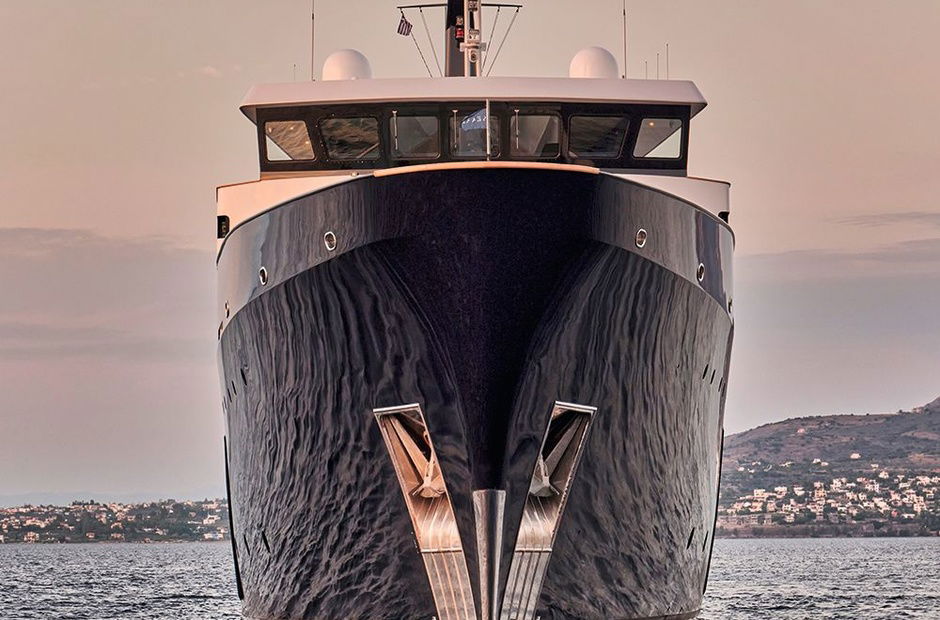
The 1974 Amels Omnia is the kind of yacht that makes people stop and look twice. It has the charm of a true classic, the presence of a seriou...
Discover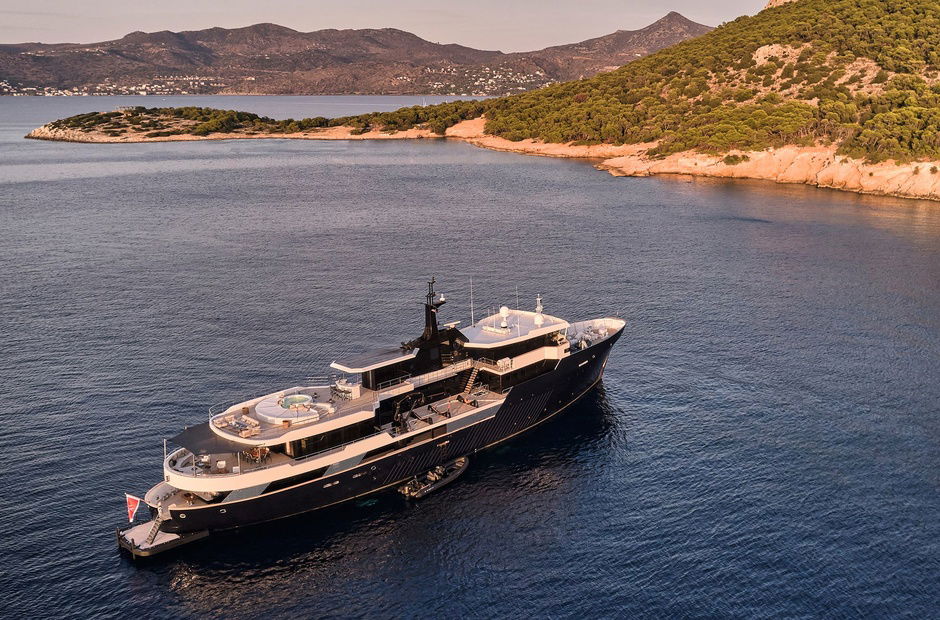
Images have been gathered from various sources and belong to their respective owners.
Review - Amels Omnia

MarineBroker
03/10/2024, 4:54 PM
1974 Amels Omnia: What to Know Before Buying, Restoring, or Cruising This Classic Yacht
The 1974 Amels Omnia is the kind of yacht that makes people stop and look twice. It has the charm of a true classic, the presence of a serious motor yacht, and the kind of build quality that still gets talked about decades later. But if you’re interested in a vessel like this, there’s usually one big question sitting in the background: how do you tell whether an older yacht is a smart purchase, a rewarding restoration project, or a maintenance headache waiting to happen?
That’s the real challenge with classic yachts. Age alone doesn’t tell the full story. A well-kept 1974 Amels Omnia can still offer a lot of value, comfort, and character, while a neglected one can quickly become expensive and stressful. The good news is that with the right approach, you can separate the gems from the problems. In this article, we’ll look at what makes the 1974 Amels Omnia special, the most common issues to watch for, and practical steps you can take to evaluate, maintain, or restore one with confidence.
- What Makes the 1974 Amels Omnia Stand Out
The 1974 Amels Omnia belongs to an era when yacht design focused on solid construction, practical seakeeping, and timeless lines. Amels has long been known for quality Dutch shipbuilding, and that reputation matters when you’re looking at an older vessel.
What often attracts buyers to a classic yacht like this is a mix of character and substance:
- Strong hull construction
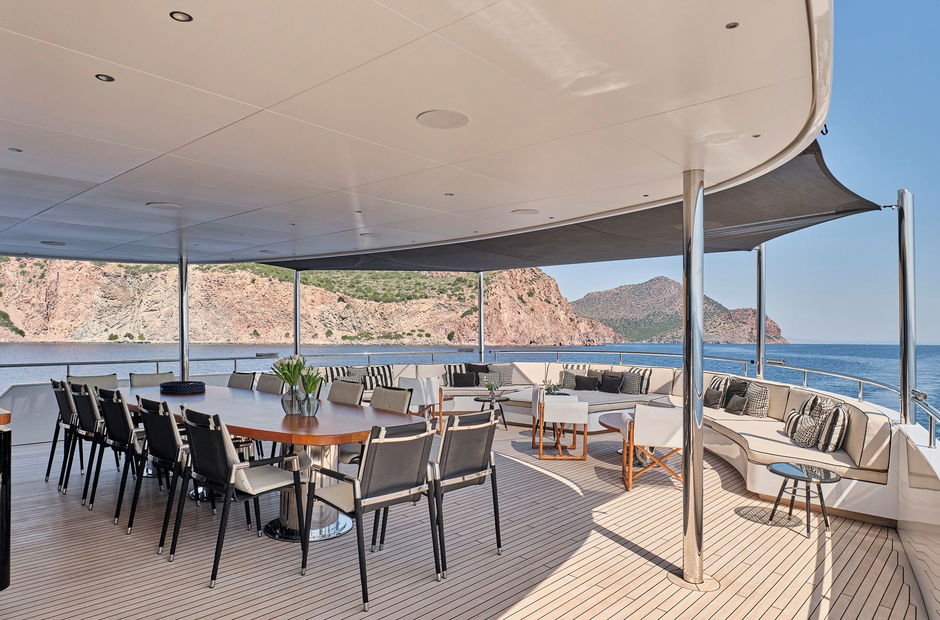
- Spacious interior layouts for the era
- Classic styling that never really goes out of fashion
- A sense of craftsmanship that’s harder to find in mass-produced boats
For many enthusiasts, the appeal isn’t just nostalgia. It’s the idea of owning a yacht with real personality. Modern boats may be easier in some ways, but a classic like the 1974 Amels Omnia offers something different: presence, charm, and the satisfaction of preserving a piece of maritime history.
That said, classic doesn’t automatically mean easy. Older yachts can be fantastic, but only if you understand what you’re getting into.
- The Main Problem: Age-Related Wear and Hidden Maintenance Costs
If you’re considering a 1974 Amels Omnia, the biggest problem is usually not the design itself. It’s the unknown condition of systems that may be 50 years old or have been modified multiple times over the decades.
Common issues with older yachts often include:
- Aging engines or outdated propulsion systems
- Electrical systems that no longer meet modern standards
- Plumbing, fuel, and water systems with hidden corrosion or leaks
- Interior materials that have deteriorated over time
- Past repairs that may not have been done properly
- Moisture intrusion, especially around windows, decks, and fittings
The tricky part is that a yacht can look beautiful on the surface while hiding expensive issues underneath. A polished teak deck or fresh upholstery may feel reassuring, but those details don’t tell you much about the state of the hull, wiring, or machinery.
For many buyers, the real problem is uncertainty. They want the romance of a classic yacht without getting surprised by a restoration bill that grows faster than expected.
- How to Evaluate a 1974 Amels Omnia the Smart Way
If you’re serious about a 1974 Amels Omnia, the best solution is a structured evaluation. Don’t rely on first impressions alone. Instead, treat the boat like a project you want to understand from the keel up.
Start with a professional survey. A marine surveyor experienced with older yachts can identify structural concerns, moisture issues, and signs of previous damage. If possible, pair that with a mechanic or yard familiar with classic diesel systems and vintage electrical layouts.
Key areas to inspect include:
- Hull and structural condition
- Deck fittings and any signs of leaks
- Engine room cleanliness and accessibility
- Fuel tank condition
- Wiring quality and safety
- Plumbing and sanitation systems
- Steering gear and controls
- Evidence of corrosion, mold, or soft spots
You should also ask for maintenance records. A long paper trail can tell you a lot about how the boat was cared for. Regular engine service, documented refits, and receipts for major work are all good signs.
If records are missing, don’t panic. But do assume the boat will need closer inspection and possibly more upfront work.
- Why Classic Amels Yachts Can Still Be a Good Buy
A lot of people assume older yachts are automatically money pits. That’s not always true. A well-built classic can actually be a smart buy if the structure is sound and the owner understands the upkeep.
Here’s why a 1974 Amels Omnia may still make sense:
- The hull and major structure may outlast many newer boats if maintained properly
- Classic yachts often have better proportions and interior volume than expected
- Older vessels can be refitted gradually instead of all at once
- A strong brand name can support long-term interest and resale appeal
- The boat may already have proven seaworthiness if it has a good cruising history
In other words, the value isn’t just in the age. It’s in the bones of the vessel.
That’s why seasoned buyers often focus less on cosmetic perfection and more on whether the yacht has a solid foundation. Paint can be renewed. Upholstery can be replaced. Structural problems are the real concern.
- Common Restoration Priorities for the 1974 Amels Omnia
If you’re buying a classic yacht to restore, it helps to know which jobs usually matter most. The smartest restorations start with safety, reliability, and moisture control before moving on to comfort and appearance.
A practical restoration order often looks like this:
1. Structural and moisture inspection
Check for leaks, core damage, corrosion, and any signs of water intrusion.
2. Mechanical systems
Assess engines, shafts, propellers, cooling systems, and fuel delivery.
3. Electrical systems
Replace outdated wiring, panels, and protection devices where needed.
4. Plumbing and sanitation
Update hoses, tanks, pumps, and fixtures to modern standards.
5. Safety equipment
Make sure fire suppression, bilge pumping, navigation lights, and alarms are current.
6. Interior and exterior finish work
Refinish wood, replace soft furnishings, and handle cosmetic improvements last.
This order matters because it saves time and money. There’s no point installing new upholstery if you later discover a leak that ruins it.
A good restoration plan also leaves room for surprises. On an older yacht, unexpected issues are normal. Building a contingency budget is one of the smartest things you can do.
- What to Watch for During an Inspection
If you’re looking at a 1974 Amels Omnia, pay close attention to the areas where age tends to show up first. Some problems are obvious, while others require a little patience and a good flashlight.
Here are a few red flags:
- Soft or spongy deck sections
- Musty smells, which can indicate hidden moisture
- Rust stains near fittings or below waterline components
- Uneven engine performance or hard starting
- Old hoses that feel brittle or cracked
- Electrical panels with improvised repairs
- Blistering paint or signs of osmosis on the hull
- Loose hardware or repeated caulking around windows and seams
Also look at how accessible the systems are. If you can’t reach key components without major disassembly, future maintenance will be harder and more expensive.
A simple rule helps here: the harder it is to inspect, the more important it is to inspect it carefully.
- Budgeting for Ownership Without the Stress
One of the biggest mistakes buyers make is focusing only on the purchase price. With older yachts, the real cost is often in ownership, not acquisition.
A realistic budget should include:
- Survey and inspection costs
- Immediate safety and mechanical repairs
- Dockage or storage
- Annual maintenance
- Insurance
- Fuel and operating costs
- A reserve fund for unexpected work
If you’re considering a classic like the 1974 Amels Omnia, it’s smart to assume that at least some systems may need attention even if the boat appears well kept. That doesn’t mean the yacht is a bad choice. It just means you should plan like an owner, not a dreamer.
A good rule of thumb is to keep a contingency fund separate from your normal maintenance budget. That way, if a pump fails or a system needs replacement, you’re not forced into rushed decisions.
- The Best Solution: Match the Yacht to Your Real Goals
The best way to enjoy a classic yacht is to be clear about what you want from it.
Ask yourself:
- Do I want a cruising yacht, a restoration project, or a weekend classic?
- Am I comfortable with ongoing maintenance?
- Do I have access to a yard or mechanic familiar with older vessels?
- Am I looking for originality, comfort, or a blend of both?
- How much time am I willing to spend on upkeep?
If your goal is effortless ownership, an older yacht may not be the right fit unless it has already been extensively updated. But if you enjoy hands-on boating and appreciate classic craftsmanship, the 1974 Amels Omnia can be very rewarding.
The solution is not just “buy it” or “avoid it.” The smarter approach is to match the boat’s condition to your skills, budget, and expectations.
- Practical Tips for Owners and Prospective Buyers
Whether you’re buying or already own one, a few habits can make a huge difference in the long run.
Helpful tips include:
- Keep a detailed maintenance log
- Inspect for leaks after heavy rain or rough water
- Run engines regularly if the boat isn’t used often
- Flush and service systems on a schedule
- Protect woodwork and fittings from unnecessary moisture
- Address small issues quickly before they spread
- Use marine-grade materials for repairs and upgrades
If you’re restoring the yacht, try to preserve the character where it makes sense. Not every original feature needs to be replaced. Sometimes the best result is a thoughtful balance between classic style and modern reliability.
For example, you might keep the warm interior feel while upgrading the wiring, plumbing, and safety systems behind the scenes. That gives you the best of both worlds.
- Why a Survey Is Worth Every Penny
Some buyers skip the survey because they’re excited, or because they think they can spot problems themselves. That’s risky, especially with a 1974 vessel.
A survey can reveal:
- Structural concerns you can’t see from the dock
- Moisture trapped in hidden areas
- Mechanical wear that isn’t obvious during a short sea trial
- Safety issues that could become expensive later
- Whether the asking price matches the actual condition
In many cases, the survey doesn’t just protect you from a bad purchase. It also gives you leverage. If major issues are found, you can negotiate repairs or adjust your offer accordingly.
That’s one of the most practical solutions available to anyone interested in a classic yacht. It turns guesswork into facts.
- Conclusion
The 1974 Amels Omnia is a classic yacht with real appeal, but like any older vessel, it rewards careful evaluation and realistic expectations. The main challenge is not finding beauty or character; it’s understanding the condition beneath the surface and planning for the upkeep that comes with age. A thorough survey, a sensible budget, and a clear idea of your goals can make all the difference.
If you approach it the right way, a classic yacht can be more than a purchase. It can become a long-term project, a cruising platform, and a very satisfying piece of boating history. For anyone drawn to the 1974 Amels Omnia, the smartest next step is learning as much as possible before making a move.
Specifications
General
Boat Type: Power Boats
Class Type: Mega Yacht
Specifications
Length: 193.57
Beam: 35.1
Draft: 12.47
Hull Material: Steel
Build
First Built: 1974
Propulsion
Fuel Type: Diesel
Engines: 2
Power: 599 HP
Brand: Deutz
Accomodation
Cabins: 8
PROS & CONS
What we appreciated
 Classic and timeless design with strong aesthetic appealSolid build quality typical of 1970s Amels craftsmanshipSpacious interior layout suitable for comfortable cruisingRobust and reliable mechanical components if well-maintainedGood sailing characteristics for a vessel of its size and era
What we didn’t appreciate
 Aged systems and equipment may require extensive modernizationPotential for hull and structural wear due to ageLimited availability of original replacement partsOutdated navigation and onboard technology compared to modern boatsMaintenance and upkeep can be costly and time-consuming
Upkeep Costs
Annual maintenance: $5,000 - $10,000
Fuel costs: $15,000 - $25,000 per year (depending on usage)
Insurance: $3,000 - $7,000 per year
Docking and mooring fees: $6,000 - $12,000 per year
Winter storage and haul-out: $2,000 - $5,000 per year
Rating
6.3
User
Score
Score
Driveability
Technology
Interior
Design
Similar Boats


MarineBroker
Download now for an immersive boat experience like never before! ⛵✨ Your journey begins with a simple click. 🌊📲
#SetSailSmart #DownloadNow
#SetSailSmart #DownloadNow

Subscribe
Copyright 2017 - 2026, Marinebroker.net, All Rights Reserved