Boat Database » ARNO Leopard Moon Glider
ARNO Leopard Moon Glider
Inboard Direct-Drive, Diesel, 2x 2000 HP
Power Boats 2003 ARNO Leopard Moon Glider: What Buyers Should Know Before Getting Serious
If you’re looking at the 2003 ARNO Leopard Moon Glider, you’re probably already past the casual browsing stage. Boats like this don’t usually catch att...
Discover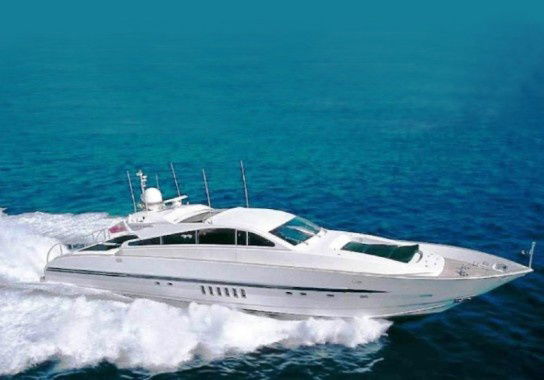
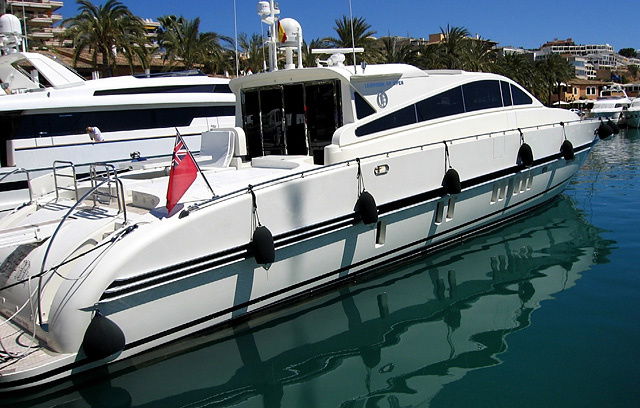
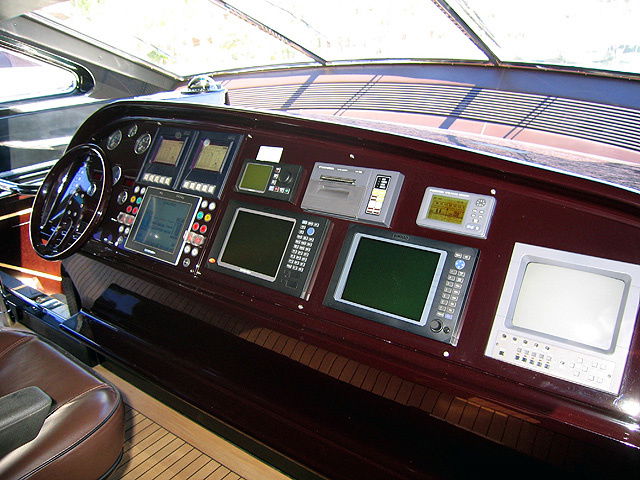
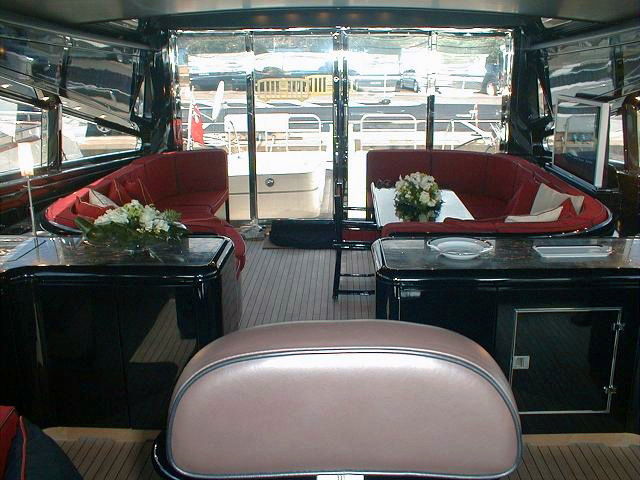
Images have been gathered from various sources and belong to their respective owners.
Review - ARNO Leopard Moon Glider

MarineBroker
01/18/2024, 4:49 AM
2003 ARNO Leopard Moon Glider: What Buyers Should Know Before Getting Serious
If you’re looking at the 2003 ARNO Leopard Moon Glider, you’re probably already past the casual browsing stage. Boats like this don’t usually catch attention by accident. They stand out because of their size, styling, pedigree, and the kind of presence that makes people pause when they see one tied up at the dock.
But here’s the real challenge: finding a yacht of this age is not just about liking the layout or the name on the hull. The bigger issue is figuring out whether it has been properly maintained, whether its systems are still reliable, and whether the boat fits the kind of ownership experience you actually want. That’s where many buyers and enthusiasts get stuck. A yacht can look impressive in photos and still hide expensive problems underneath.
The good news is that with the right approach, you can separate the truly worthwhile opportunities from the risky ones. In this article, we’ll walk through what makes the 2003 ARNO Leopard Moon Glider interesting, what common concerns to watch for, and how to evaluate it in a practical, boat-owner-friendly way.
- What Makes the 2003 ARNO Leopard Moon Glider Stand Out
The 2003 ARNO Leopard Moon Glider belongs to a category of yachts that appeals to people who want performance, style, and a strong onboard experience. ARNO’s Leopard line has long been associated with sleek Italian design, fast cruising capability, and a sporty profile that still feels elegant at the dock.
For many buyers, the attraction is not just the nameplate. It’s the overall package:
- A yacht with a distinctive look
- A layout designed for comfortable cruising
- Performance potential that can make longer passages more enjoyable
- A reputation that still carries weight in the used yacht market
That said, older high-performance yachts come with a different ownership reality than newer production boats. They often require more attention to systems, more careful inspection, and a better understanding of how the vessel has been used over time.
If you’re interested in the 2003 ARNO Leopard Moon Glider, the first thing to understand is this: condition matters more than age alone. A well-kept example can be a great boat. A neglected one can become a project very quickly.
- The Main Problem Buyers Face With Older Luxury Yachts
The biggest problem with a boat like the 2003 ARNO Leopard Moon Glider is uncertainty.
Most people can see the exterior finish, the interior styling, and maybe even the engine hours. What they can’t immediately see are the hidden issues that often determine whether ownership is enjoyable or frustrating.
Common concerns include:
- Aging mechanical systems
- Electronics that may no longer be fully supported
- Wear in propulsion components
- Moisture intrusion or structural issues
- Upholstery, teak, and interior materials that may need refreshment
- Maintenance records that are incomplete or inconsistent
This is especially important on a yacht that may have been used for private cruising, charter, or a mix of both. Each type of use affects the vessel differently. Charter boats, for example, may have more wear from frequent use, even if they received regular service.
The problem is not that older yachts are bad. The problem is that buyers sometimes focus too much on appearance and not enough on technical condition. That’s where expensive surprises happen.
- How to Evaluate a 2003 ARNO Leopard Moon Glider the Smart Way
If you’re serious about this yacht, the solution is to approach it like a marine surveyor and a practical owner at the same time. You want to know not just whether it looks good, but whether it’s ready for real-world use.
Here’s a smart evaluation process:
1. Review the maintenance history
Ask for service records, refit documentation, engine reports, and any receipts for major work. A well-documented boat is usually easier to trust than one with a vague history.
2. Inspect the hull and structure
Look for signs of impact, blistering, repairs, or inconsistent paint and gelcoat. On a yacht of this size, structural integrity is a big deal.
3. Check propulsion and running gear
Engines, transmissions, shafts, props, seals, and cooling systems should all be inspected carefully. These are some of the most expensive systems to repair.
4. Test electronics and onboard systems
Navigation, communications, generators, air conditioning, pumps, and controls should all be tested. Older boats often have a mix of original and updated equipment.
5. Examine interior condition realistically
A fresh-looking salon is nice, but don’t let cosmetics distract from deeper issues. Water damage, odors, soft flooring, and aging wiring can all point to bigger concerns.
6. Hire a qualified surveyor
This is not optional if you’re considering purchase. A proper survey can save you from costly mistakes and give you leverage in negotiations.
- 2003 ARNO Leopard Moon Glider: Key Areas to Inspect Closely
When people search for the 2003 ARNO Leopard Moon Glider, they’re often trying to understand whether the boat is a dream purchase or a maintenance headache. The answer usually depends on a few specific areas.
- Engines and hours
Engine hours matter, but they do not tell the whole story. A lower-hour engine that sat unused for long periods can be just as concerning as a high-hour engine that was properly maintained.
Look for:
- Regular oil and filter changes
- Cooling system service
- Fuel system cleanliness
- Evidence of major rebuilds or overhauls
- Consistent start-up behavior
A sea trial is extremely useful here. Smooth acceleration, stable idle, clean exhaust, and no warning alarms are all good signs.
- Generator and electrical systems
On a luxury yacht, the generator is not a side note. It supports air conditioning, refrigeration, lighting, and the systems that make the boat comfortable.
Ask about:
- Generator hours and service intervals
- Battery age and charging systems
- Shore power condition
- Inverter performance
- Wiring updates or corrections
Electrical issues can be time-consuming and expensive to diagnose, so this area deserves real attention.
- Hull and deck condition
Even a beautifully maintained yacht can have hidden moisture problems. Check for:
- Soft spots on deck
- Delamination
- Signs of past repairs
- Corrosion around fittings
- Water intrusion near hatches or windows
If possible, use moisture testing and a thorough visual inspection. Boats age differently depending on where and how they were used.
- Interior wear
The interior tells a story. A boat that has been cared for usually shows it in the details:
- Cabinetry that closes properly
- Dry bilges
- Clean, odor-free storage spaces
- Upholstery in good shape
- No signs of leaking around windows or ports
You do not need a showroom-perfect interior. You do need a space that feels dry, solid, and well cared for.
- Why Maintenance History Is More Important Than Cosmetic Upgrades
One of the biggest mistakes buyers make is overvaluing recent cosmetic improvements. New cushions, fresh paint, and updated fabrics are nice, but they do not fix aging systems.
A boat with a polished appearance but no service documentation can still hide serious problems.
What you want to see is evidence of responsible ownership:
- Scheduled engine service
- Replaced hoses and clamps where needed
- Updated safety equipment
- Documented repairs
- Refit work done by reputable yards
If a seller can show a pattern of care, that’s a strong positive sign. If they can’t, you need to assume there may be deferred maintenance.
That doesn’t automatically rule the boat out. It just means you should price the risk correctly.
- How the 2003 ARNO Leopard Moon Glider Can Fit Different Types of Owners
Not every buyer is looking for the same thing. The 2003 ARNO Leopard Moon Glider may appeal to different people for different reasons.
- For weekend cruisers
If you want a yacht for short trips, entertaining, and marina time, this type of vessel can be very appealing. The key is making sure the systems are reliable enough for hassle-free use.
- For experienced owners
If you already know yachts, you may appreciate the performance and design more than a first-time buyer would. Experienced owners are often better prepared for maintenance planning and refit decisions.
- For refit-minded buyers
Some people look for older yachts specifically because they want to upgrade them. That can work well if the purchase price leaves room for refits and system modernization.
The important thing is to match the boat to your actual use case. A yacht that looks ideal on paper may not be ideal if it needs more upkeep than you want to manage.
- Practical Tips for Shopping an Older Leopard Yacht
If you’re evaluating the 2003 ARNO Leopard Moon Glider or a similar yacht, keep these practical tips in mind:
- Always budget for immediate maintenance after purchase
- Treat the survey as a decision-making tool, not a formality
- Verify the age of major systems, not just the hull
- Ask for sea trial results, not just dockside impressions
- Check whether parts and service support are still accessible
- Compare the boat to other examples in similar condition
A smart buyer does not just ask, “Do I like this boat?” They also ask, “What will it cost me to own it properly?”
That second question is often where the real answer lives.
- Common Red Flags to Watch For
A nice listing can hide a lot. Watch carefully for these warning signs:
- Missing maintenance records
- Fresh paint used to cover repairs
- Strong odors inside the cabin
- Corrosion in unusual places
- Repeated electrical issues
- Signs of water intrusion around windows or hatches
- Engine data that doesn’t match the seller’s story
- A rushed or overly defensive seller
None of these automatically mean the boat should be avoided. But several of them together should make you slow down and investigate further.
When in doubt, walk away or negotiate hard enough to account for the risk.
- What a Good Example of This Yacht Should Feel Like
A well-maintained 2003 ARNO Leopard Moon Glider should feel solid, responsive, and balanced. Systems should start cleanly, the boat should behave predictably underway, and the interior should feel dry and cared for.
You’re not looking for perfection. You’re looking for confidence.
A good example should give you:
- A clean sea trial
- Clear ownership and service records
- Reasonable signs of age, not neglect
- Systems that function as expected
- A layout that still feels practical for your needs
If the boat inspires confidence instead of concern, that’s usually a sign you’re looking at a serious candidate.
- The Best Solution: Combine Inspection, Documentation, and Realistic Budgeting
The real solution to buying or evaluating a yacht like the 2003 ARNO Leopard Moon Glider is simple in concept, even if it takes effort in practice:
- Inspect carefully
- Verify the records
- Survey professionally
- Budget for repairs and upgrades
- Buy based on condition, not just reputation
That approach protects you from the most common mistake in used yacht ownership: falling in love with the wrong boat.
If the vessel checks out technically and fits your plans, it can be a rewarding option. If it doesn’t, the smartest move may be to keep looking. Either way, you win by making the decision with your eyes open.
- Final Thoughts on the 2003 ARNO Leopard Moon Glider
The 2003 ARNO Leopard Moon Glider is the kind of yacht that attracts attention for good reason. It offers style, presence, and the appeal of a respected performance-oriented brand. But like any older luxury yacht, its true value depends on condition, maintenance, and how well it has been cared for over time.
If you’re interested in this boat, focus on the details that matter: service history, structural condition, mechanical reliability, and the cost of keeping it in good shape. That’s the best way to avoid surprises and make a decision you’ll feel good about later.
For anyone considering a serious purchase, the smartest next step is a proper survey and a full review of maintenance records. That’s where the real story of the boat usually comes into view.
Specifications
General
Boat Type: Power Boats
Class Type: Mega Yacht
Specifications
Length: 88.58
Beam: 20.01
Draft: 5.91
Hull Material: GRP
Build
First Built: 2003
Propulsion
Fuel Type: Diesel
Engines: 2
Power: 2000 HP
Brand: MTU
Accomodation
Cabins: 3
PROS & CONS
What we appreciated
 Classic Italian design with elegant aestheticsSolid build quality typical of ARNO Leopard yachtsSpacious deck layout suitable for leisure and entertainingGood performance and handling for a 2003 modelPotentially well-maintained due to the brand's reputation
What we didn’t appreciate
 Older model may require updates to electronics and navigation systemsPossible wear and tear on engine and mechanical components due to ageLimited availability of replacement parts for some specific ARNO Leopard componentsHigher maintenance costs associated with classic yachtsLess fuel-efficient compared to modern boats with newer technology
Upkeep Costs
Annual maintenance and servicing: $2,000 - $4,000
Fuel expenses: $3,000 - $6,000 per year (depending on usage)
Insurance: $1,000 - $2,500 per year
Docking and storage fees: $1,500 - $4,000 per year
Miscellaneous costs (cleaning, repairs, upgrades): $1,000 - $3,000 per year
Rating
8.2
User
Score
Score
Driveability
Technology
Interior
Design
Similar Boats


MarineBroker
Download now for an immersive boat experience like never before! ⛵✨ Your journey begins with a simple click. 🌊📲
#SetSailSmart #DownloadNow
#SetSailSmart #DownloadNow

Subscribe
Copyright 2017 - 2026, Marinebroker.net, All Rights Reserved