Boat Type: Sail Boats
Boat Class: Daysailer
Length: 19.52 ft
Berths: 4
Cabins: 1
Max Persons: 7
2018 Astus 20.5: A Practical Guide to Getting More Out of This Compact Cruising Trimaran
If you’re looking into the 2018 Astus 20.5, you’re probably trying to answer a pretty common question: how do you make a small, trailerable ...
Discover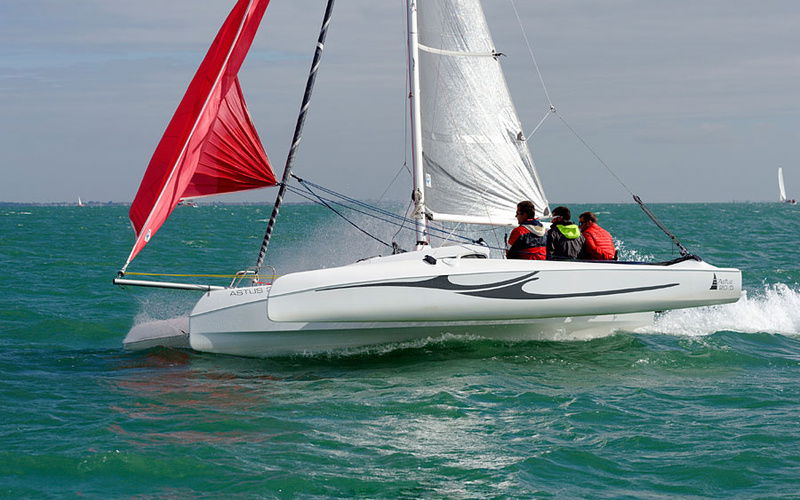


Images have been gathered from various sources and belong to their respective owners.
Latest Market Trends (Latest Available Year Model)
Price: $33,000
Review - Astus 20.5

MarineBroker
06/03/2024, 10:16 AM
2018 Astus 20.5: A Practical Guide to Getting More Out of This Compact Cruising Trimaran
If you’re looking into the 2018 Astus 20.5, you’re probably trying to answer a pretty common question: how do you make a small, trailerable trimaran feel comfortable, capable, and fun without overcomplicating things? That’s the real challenge with boats in this size range. They promise easy launching, simple handling, and exciting performance, but owners and buyers often run into the same issues: limited space, setup confusion, learning the quirks of trimaran sailing, and figuring out whether the boat fits their kind of cruising.
That’s where the 2018 Astus 20.5 stands out. It’s a lightweight, practical multihull designed for sailors who want speed and versatility without stepping into a much larger boat. But like any compact cruiser, getting the best experience depends on knowing how to rig it properly, sail it efficiently, and plan around its strengths.
In this article, we’ll look at the common challenges people face with boats like the 2018 Astus 20.5, and more importantly, how to solve them in a way that makes ownership and sailing more enjoyable.
- What Makes the 2018 Astus 20.5 Different
- The Main Problem: Small Boat, Big Expectations
- How to Make the 2018 Astus 20.5 Easier to Use
- Sailing Comfort: Getting the Most from a Compact Trimaran
- Maintenance and Ownership Tips
- Is the 2018 Astus 20.5 the Right Fit for You?
- Final Thoughts
- What Makes the 2018 Astus 20.5 Different
The 2018 Astus 20.5 is part of a category that appeals to sailors who want performance without the hassle of a larger trailer sailer. It’s a trimaran, which means it uses a main hull with two amas for stability. That design gives it a nice balance of speed, shallow draft, and trailering convenience.
For many people, the attraction is simple:
- It’s easier to store than a keelboat.
- It can often be launched from a ramp with less effort.
- It offers a lively sailing feel.
- It suits coastal cruising, day sailing, and short adventures.
That said, compact multihulls are not “set and forget” boats. They reward preparation. If you expect the boat to behave like a larger cruiser, you may feel frustrated. If you understand its limits and strengths, though, it can be a very satisfying platform.
- The Main Problem: Small Boat, Big Expectations
The biggest issue most people face with a boat like the 2018 Astus 20.5 is expectation management.
A lot of sailors want:
- enough space for a weekend away,
- easy single-handed handling,
- fast sailing,
- low maintenance,
- and a setup that doesn’t take all day.
That’s a lot to ask from a 20-foot boat. The good news is that the Astus 20.5 is designed to solve part of that problem, but the rest comes down to how you use it.
Common pain points include:
- Limited cabin and storage space
- Learning how trimarans respond in gusty conditions
- Managing gear so the deck stays uncluttered
- Setting up and launching efficiently
- Finding the right balance between speed and comfort
In other words, the problem usually isn’t the boat itself. It’s trying to use it like a larger cruiser instead of treating it like the compact performance cruiser it is.
- How to Make the 2018 Astus 20.5 Easier to Use
If you want the 2018 Astus 20.5 to feel more practical, the solution is to simplify everything you can. That starts before you even leave the driveway.
- Keep the Launch Process Simple
Trailerable boats are only convenient if launching doesn’t become a project. A well-organized launch routine can make a huge difference.
Try this:
1. Pack gear in the same order every time.
2. Label lines, bags, and safety items.
3. Pre-rig what you can at home.
4. Use checklists for mast stepping, rig tension, and sail setup.
The less time you spend figuring things out at the ramp, the more you’ll enjoy the boat.
- Reduce Unnecessary Gear
On small trimarans, clutter is the enemy. Extra gear doesn’t just take up space; it also makes movement on deck harder and can affect balance.
A practical rule:
- Bring only what you need for the trip.
- Store heavy items low and centered.
- Use soft bags instead of hard boxes when possible.
- Avoid duplicate tools and accessories.
This is one of the easiest ways to make the boat feel bigger and more manageable.
- Learn the Boat’s Trim Sensitivity
Trimarans often respond quickly to weight placement and sail trim. That’s a plus when you know how to use it, but it can feel twitchy if you don’t.
On the 2018 Astus 20.5, spend time learning:
- how crew weight affects heel and balance,
- how the boat behaves in light air versus stronger breeze,
- when to ease sheets earlier than you would on a monohull,
- how to keep the boat flat for better speed and comfort.
A trimaran usually performs best when sailed efficiently rather than aggressively. Small adjustments often make a bigger difference than brute force.
- Make the Cockpit Work for You
Comfort on a small boat often comes down to how well the cockpit is organized. If everything has a place, the boat feels calmer and easier to sail.
Useful ideas:
- Keep frequently used lines within easy reach.
- Store drinks, sunscreen, and snacks in one designated bag.
- Use non-slip mats or simple deck organizers where appropriate.
- Make sure crew can move without stepping over gear.
This may sound basic, but on a 20-foot boat, organization is comfort.
- Sailing Comfort: Getting the Most from a Compact Trimaran
Many people look at the 2018 Astus 20.5 and wonder whether it can truly be comfortable for real cruising. The answer depends on how you define comfort.
It’s not a floating condo. But for short coastal trips, day sailing, and weekend use, it can be very enjoyable if you plan well.
- Choose the Right Conditions
One of the smartest things you can do is match the boat to the weather. The Astus 20.5 is at its best when used in conditions that let it move freely without becoming overpowered.
That often means:
- moderate wind for lively but controlled sailing,
- protected waters for relaxed cruising,
- careful route planning in choppy conditions,
- reefing early if the breeze builds.
A smaller trimaran can feel fantastic in the right conditions and tiring in the wrong ones. The trick is knowing when to go and when to wait.
- Balance Speed with Comfort
The temptation with a fast, lightweight boat is to push it. But comfort usually improves when you sail a little more conservatively.
For better comfort:
- reef before the boat gets overpowered,
- keep the bows from burying in steep chop,
- avoid overloading the boat with unnecessary equipment,
- sail smoothly instead of constantly correcting.
This helps reduce fatigue and makes the trip more enjoyable for everyone aboard.
- Think in Terms of Short, Smart Cruises
The 2018 Astus 20.5 is especially well suited to short adventures rather than heavy-duty liveaboard-style cruising. That doesn’t make it less useful. It just means the best trips are often simple ones.
Good use cases include:
- overnight coastal hops,
- island or lake cruising,
- day sails with friends or family,
- training and skill-building outings,
- lightweight camping-style sailing.
If you plan trips around the boat’s strengths, you’ll get far more value from it.
- Maintenance and Ownership Tips
A practical solution to many boat ownership frustrations is good maintenance. With a compact trimaran, staying ahead of small issues keeps the boat enjoyable and safe.
- Inspect the Rig Regularly
Because trailerable boats often get stepped, unstepped, and transported more often, rigging deserves close attention.
Check for:
- worn lines,
- loose fittings,
- corrosion at hardware,
- chafe points on sheets and halyards,
- mast and beam connections.
Small problems in the rig can become big problems if ignored.
- Protect the Trailer and Launch Gear
A trailerable boat is only as convenient as the trailer beneath it. If the trailer is neglected, the whole ownership experience gets harder.
Focus on:
- tire condition and pressure,
- bearings and grease,
- winch operation,
- lighting and wiring,
- bunk and roller alignment.
A reliable trailer saves time, stress, and money.
- Clean and Dry the Boat After Use
Salt, moisture, and dirt build up quickly on small boats. A little routine care goes a long way.
After each outing:
- rinse saltwater off hardware and sails,
- dry cushions and interior spaces,
- air out lockers,
- check for trapped water,
- wipe down moving parts.
This helps preserve both performance and resale value.
- Keep a Simple Log
It may sound old-school, but a logbook helps a lot. Write down:
- wind conditions,
- sail setup,
- what worked well,
- what felt awkward,
- any maintenance needed.
Over time, this gives you a clear picture of how to improve your setup and sailing style.
- Is the 2018 Astus 20.5 the Right Fit for You?
The 2018 Astus 20.5 is a strong choice if you want:
- a trailerable multihull,
- a boat that feels fast and responsive,
- low-draft cruising capability,
- a simple platform for day sailing and short trips,
- a learning-friendly boat that still offers excitement.
It may not be ideal if you want:
- lots of interior volume,
- standing headroom,
- heavy offshore capability,
- or a boat that feels like a traditional small cruiser.
That’s not a weakness. It’s just a different sailing philosophy.
If your goal is to enjoy efficient sailing, keep ownership manageable, and explore without taking on the complexity of a larger yacht, this boat makes a lot of sense.
- Practical Buying and Ownership Advice
If you’re researching or considering a 2018 Astus 20.5, the smartest approach is to inspect the boat as a system, not just as a hull.
Look closely at:
- the condition of the sails,
- the trailer,
- beam and folding mechanisms if fitted,
- deck hardware,
- signs of repairs or stress,
- the quality of previous maintenance.
Also ask yourself:
- Will I mostly day sail or cruise overnight?
- Do I have a good place to store and launch it?
- Am I comfortable with a boat that rewards active sailing?
- How much gear do I really need to bring?
These questions matter more than a polished listing description. A well-cared-for example will usually be far more satisfying than a neglected one with a nicer presentation.
- How to Enjoy the Boat More on Every Trip
The best solution for ownership frustration is usually a better routine.
Try building a repeatable sailing rhythm:
- pre-launch checklist,
- rigging order,
- departure setup,
- underway trim checks,
- docking and recovery routine,
- post-sail cleaning.
When the process becomes familiar, the boat feels easier immediately. That’s especially true with a compact trimaran like the 2018 Astus 20.5, where efficiency matters.
Also, don’t underestimate the value of small upgrades that improve usability:
- better line organization,
- clearer labeling,
- more comfortable seating pads,
- a simple shade solution,
- safer storage for essentials.
These changes don’t have to be expensive to make a real difference.
- Final Thoughts
The 2018 Astus 20.5 is a great example of a boat that can be highly rewarding when used the right way. The main challenge for most sailors is not finding the boat itself, but learning how to work with its compact size, responsive handling, and practical cruising limits.
The solution is straightforward: simplify your setup, sail to the boat’s strengths, keep maintenance routine, and focus on smart trip planning. Do that, and the 2018 Astus 20.5 becomes much more than a small trailer sailer. It becomes an efficient, fun, and genuinely useful way to get on the water.
If you’re researching this boat further, it’s worth diving into rigging tips, owner experiences, and trailering best practices before making any decisions. A little preparation goes a long way with a boat like this.
Specifications
General
Boat Type: Sail Boats
Class Type: Daysailer
Specifications
Length: 19.52
Beam: 14.76
Draft: 4.1
Hull Material: GRP
Build
First Built: 2018
Propulsion
Fuel Type: Unleaded
Engines: 1
Power: 0 HP
Brand: Unknown
Accomodation
Berths: 4
Cabins: 1
PROS & CONS
What we appreciated
 Lightweight and easy to trailerInflatable pontoons provide excellent stabilityCompact size ideal for small groups and day tripsVersatile for both calm waters and moderate wavesQuick to inflate and deflate for convenience
What we didn’t appreciate
 Limited space for extended trips or larger groupsNot suitable for rough sea conditionsSmaller engine options limit speed and powerLess storage space compared to hard-hulled boatsInflatable components require regular maintenance and care
Upkeep Costs
Fuel: Approximately $300 - $600 per year depending on usage
Maintenance: Around $500 - $1,000 per year including engine and hull upkeep
Insurance: Typically $300 - $700 annually
Storage: $500 - $1,500 per year depending on location and type (marina, dry storage)
Registration and taxes: $50 - $200 per year depending on local regulations
Rating
6.0
User
Score
Score
Driveability
Technology
Interior
Design
Similar Boats


MarineBroker
Download now for an immersive boat experience like never before! ⛵✨ Your journey begins with a simple click. 🌊📲
#SetSailSmart #DownloadNow
#SetSailSmart #DownloadNow

Subscribe
Copyright 2017 - 2026, Marinebroker.net, All Rights Reserved