Boat Database » Azimut Toffee Crisp
Azimut Toffee Crisp
Inboard Direct-Drive, Diesel, 2x 0 HP
Power Boats 2015 Azimut Toffee Crisp: What to Know Before You Buy, Inspect, or List It for Sale
If you’ve been searching for a 2015 Azimut Toffee Crisp, chances are you’re trying to answer one big question: is this yacht the right fit for yo...
Discover
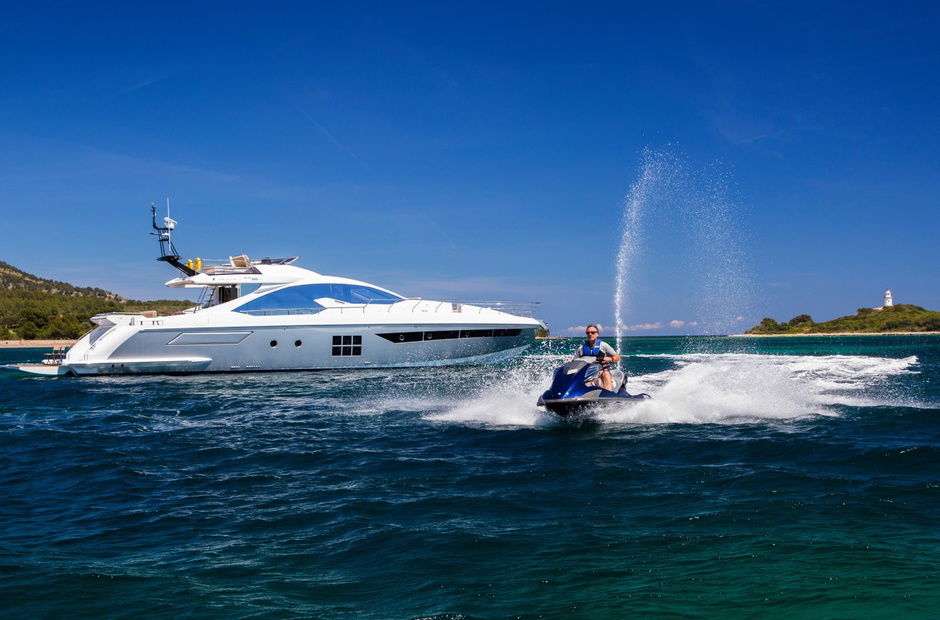
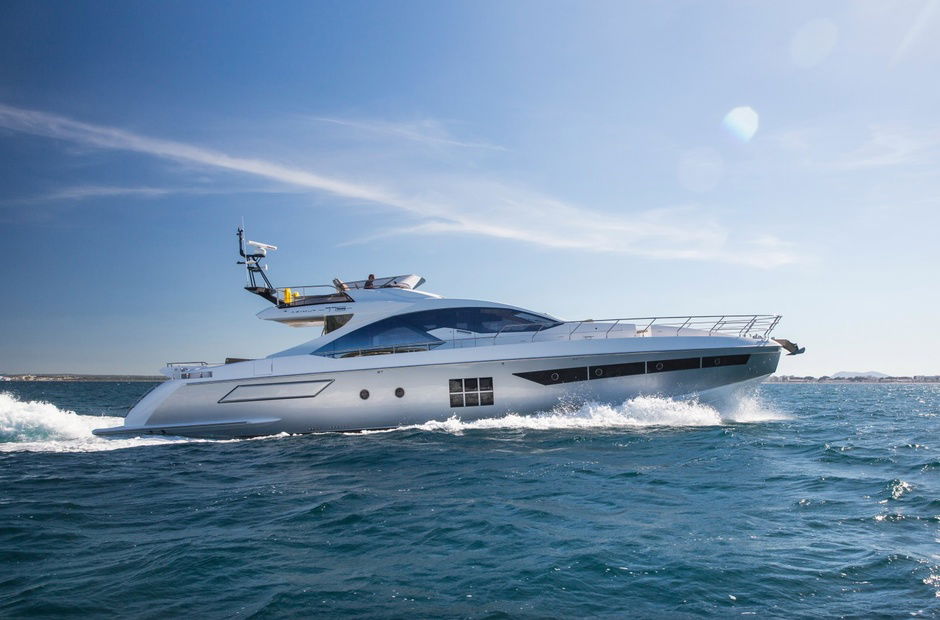
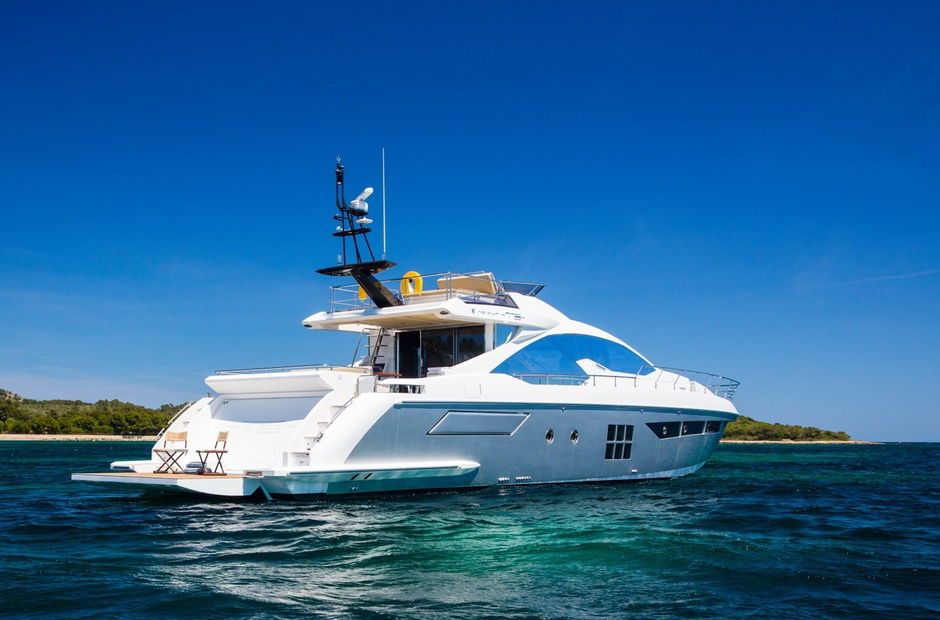
Images have been gathered from various sources and belong to their respective owners.
Review - Azimut Toffee Crisp

MarineBroker
08/12/2024, 1:03 PM
2015 Azimut Toffee Crisp: What to Know Before You Buy, Inspect, or List It for Sale
If you’ve been searching for a 2015 Azimut Toffee Crisp, chances are you’re trying to answer one big question: is this yacht the right fit for your needs, and how do you evaluate it properly without missing something important? That’s a smart question to ask. Boats and yachts can look amazing on the surface, but the real value comes from knowing the condition, maintenance history, layout, and ownership costs underneath all that shine.
For many buyers, the challenge is not just finding a yacht they like. It’s figuring out whether the boat has been cared for well enough to justify the price, whether the systems are up to date, and whether the vessel matches the kind of cruising they actually plan to do. For sellers, the problem is often the opposite: how do you present a yacht like the 2015 Azimut Toffee Crisp in a way that builds trust and attracts serious interest?
The good news is that with the right checklist and a little boating know-how, you can make a much better decision. In this guide, we’ll break down what to look for, common issues to watch, and how to approach the yacht in a practical, informed way.
- Why the 2015 Azimut Toffee Crisp Gets Attention
Azimut yachts are known for their sleek styling, Italian design, and strong presence on the water. A 2015 model sits in a sweet spot for many buyers because it’s recent enough to offer modern features, but old enough that the market may be more approachable than a brand-new build.
The “Toffee Crisp” name often catches attention because it sounds distinctive and memorable, which can make the yacht stand out in listings and searches. But beyond the name, people are usually drawn to this kind of yacht for a few practical reasons:
- Stylish exterior design
- Comfortable interior layout
- Good balance of luxury and usability
- Strong reputation in the motor yacht market
That said, a boat’s appeal is only part of the story. The real question is whether it has been maintained properly and whether it fits your boating style.
- The Main Problem: Looks Good, But Is It a Smart Purchase?
A common issue with yachts like the 2015 Azimut Toffee Crisp is that buyers can get focused on appearance and overlook the details that matter most. A polished interior, glossy hull, and nice photos do not always tell you how the engines, electronics, plumbing, and onboard systems are holding up.
This is where many people run into trouble:
- Hidden maintenance costs after purchase
- Outdated electronics or navigation gear
- Wear in high-use areas like upholstery and flooring
- Engine or generator service gaps
- Moisture intrusion or soft spots that are not obvious at first glance
In other words, the problem is not finding a yacht. The problem is finding the right yacht for the right price, with fewer surprises later.
- What Makes a 2015 Yacht Worth Evaluating Carefully
A 2015 yacht is not brand new, so it’s important to think in terms of condition rather than age alone. Even a well-built vessel can show wear if it has been used heavily or stored improperly.
When evaluating a 2015 Azimut, pay close attention to these areas:
- Engine hours and service records
- Generator condition
- Air conditioning and climate systems
- Electronics and helm upgrades
- Upholstery, carpeting, and interior finishes
- Evidence of saltwater corrosion
- Hull condition and signs of prior repair
- Maintenance logs and ownership history
A yacht that has been professionally maintained can often outperform a newer vessel that has been neglected. That’s why paperwork and inspection results matter so much.
- How to Inspect the 2015 Azimut Toffee Crisp the Right Way
If you’re seriously considering this yacht, the inspection process should be structured and thorough. A walk-through alone is not enough.
Here’s a practical approach:
1. Start with the listing and documents
Ask for the broker’s full spec sheet, service history, recent survey reports, and engine records. If the seller can’t provide basic maintenance information, that’s a red flag.
2. Review the engine and mechanical systems
Check engine hours, oil analysis if available, coolant condition, belts, hoses, and any signs of leaks. Ask when the last major service was completed.
3. Test onboard systems
Run the air conditioning, water maker if equipped, bilge pumps, navigation electronics, lighting, and head systems. Small issues here can become expensive if ignored.
4. Inspect the interior carefully
Look for soft spots, odors, water stains, loose trim, or signs of poor sealing around windows and hatches. These can indicate deeper problems.
5. Hire a marine surveyor
A qualified surveyor can spot structural or mechanical issues that most buyers miss. For a yacht in this class, it’s one of the best investments you can make.
- Common Issues Buyers Should Watch For
Even a well-kept yacht can have age-related concerns. The goal is not to expect perfection. It’s to know what’s normal and what’s not.
Some common issues to look for on a 2015 motor yacht like this include:
- Aging batteries that no longer hold charge well
- Corrosion on fittings and electrical connections
- Wear in canvas, seals, or windows
- Faded exterior upholstery from sun exposure
- Electronic equipment that is functional but outdated
- Minor gelcoat cracks or cosmetic hull wear
None of these automatically make the yacht a bad buy. But they should be factored into your offer and your post-purchase budget.
A good rule of thumb: if several “small” issues show up together, the overall maintenance standard may be lower than it first appears.
- 2015 Azimut Toffee Crisp: Matching the Yacht to Your Boating Style
One of the biggest mistakes buyers make is choosing a yacht based on emotion alone. A boat should fit how you actually plan to use it.
Ask yourself:
- Will you cruise locally or travel longer distances?
- Do you need overnight accommodations for family or guests?
- Will you use the yacht for weekend trips or extended stays?
- Do you prefer relaxed entertaining or performance-focused cruising?
- How many people will typically be onboard?
The 2015 Azimut Toffee Crisp may be a strong fit if you want a yacht that blends comfort and style. But if your priorities are ultra-simple ownership, minimal upkeep, or very shallow-water access, you may want to compare it against other options in the same size range.
- Budgeting Beyond the Purchase Price
A lot of first-time yacht buyers make the mistake of focusing only on the asking price. In reality, the total cost of ownership is what really matters.
When budgeting for a yacht like this, include:
- Survey and haul-out costs
- Insurance
- Dockage or marina fees
- Routine engine and generator service
- Bottom paint and hull maintenance
- Battery replacement
- Electronics updates
- Interior cleaning and detailing
- Unexpected repairs
Even if the yacht is priced attractively, annual ownership costs can add up quickly. Planning for those costs ahead of time helps you avoid stress later.
A practical approach is to set aside a maintenance reserve after purchase. That way, small issues can be handled before they turn into bigger ones.
- Why Maintenance History Matters More Than Hype
If there’s one thing that separates a good yacht purchase from a frustrating one, it’s maintenance history. A boat with complete records tells you the owner was paying attention.
Look for documentation that shows:
- Scheduled engine service
- Generator maintenance
- Hull cleaning and bottom paint history
- Battery replacements
- Updated safety equipment
- Repairs after any incidents or storms
A well-documented yacht is easier to evaluate and usually easier to insure and resell later. If the 2015 Azimut Toffee Crisp has a clean paper trail, that’s a strong sign of responsible ownership.
On the other hand, missing records do not automatically mean the yacht is poor quality. But they do mean you should inspect more carefully and negotiate accordingly.
- How Sellers Can Present the Yacht Better
If you’re on the selling side, the problem is usually trust. Buyers want to know they’re not walking into a hidden repair bill.
To present the yacht well:
- Gather service records in one organized file
- Clean and detail the yacht thoroughly
- Fix minor cosmetic issues before listing
- Take clear, honest photos of all major areas
- Be upfront about known wear or upcoming maintenance
- Highlight recent upgrades and service work
Transparency goes a long way. Buyers are often willing to pay more for a yacht that feels well cared for and honestly represented.
- What a Buyer Should Ask Before Making an Offer
Before you move forward, ask direct questions. Good sellers and brokers should be able to answer them clearly.
Useful questions include:
- How many engine hours are on the yacht?
- When was the last major service completed?
- Are there any known mechanical or structural issues?
- Has the yacht ever been in a storm or suffered damage?
- What equipment has been upgraded recently?
- Are all systems currently operational?
- Is there a recent survey available?
These questions help you separate a polished listing from a genuinely solid vessel.
- When the 2015 Azimut Toffee Crisp Makes Sense
This yacht may make sense if you want:
- A stylish, modern-looking motor yacht
- A balance of luxury and practicality
- A vessel with known service history
- A boat that can work for entertaining and cruising
- A model that still feels current without brand-new pricing
It can be especially appealing for buyers who want a premium experience but are willing to do the homework needed to purchase wisely.
The key is not to rush. A thoughtful inspection and realistic budget will tell you far more than the listing photos ever will.
- A Simple Decision Framework
If you’re still unsure, use this quick checklist:
- Does the yacht fit your intended use?
- Are the maintenance records complete?
- Did the survey come back clean or manageable?
- Are the major systems in good working order?
- Does the total cost fit your budget?
- Would you be comfortable owning it for the next 3 to 5 years?
If you can answer yes to most of these, you’re in a much better position to move forward with confidence.
- Final Thoughts on the 2015 Azimut Toffee Crisp
The 2015 Azimut Toffee Crisp can be an appealing yacht for buyers who value style, comfort, and a well-established brand name. But like any pre-owned yacht, the real value comes down to condition, maintenance history, and whether it matches your boating goals. A careful inspection, a professional survey, and a realistic ownership budget can help you avoid the most common mistakes.
If you’re exploring this yacht, take your time and focus on the details that matter most. The right information will help you decide whether it’s a smart purchase, a good listing opportunity, or simply a yacht worth keeping on your radar. For more helpful yacht-buying advice, it’s always worth comparing similar models and reviewing professional marine resources before making a final decision.
Specifications
General
Boat Type: Power Boats
Class Type: Mega Yacht
Specifications
Length: 77.1
Beam: 18.37
Draft: 5.25
Hull Material: GRP
Build
First Built: 2015
Propulsion
Fuel Type: Diesel
Engines: 2
Power: 0 HP
Brand: Unknown
Accomodation
Cabins: 4
PROS & CONS
What we appreciated
 Sleek and stylish Italian design with high-quality finishesSpacious and comfortable interior layout for its sizeGood performance with efficient and powerful enginesWell-equipped with modern navigation and entertainment systemsSolid build quality and reliable brand reputation
What we didn’t appreciate
 Higher maintenance and operating costs compared to smaller boatsLimited storage space for extended cruisingFuel consumption can be relatively high at top speedsInterior headroom may feel cramped for taller individualsResale value can be affected by market fluctuations for luxury yachts
Upkeep Costs
Insurance: $2,000 - $5,000 per year
Fuel: $5,000 - $10,000 per year (depending on usage)
Maintenance and Repairs: $3,000 - $7,000 per year
Dockage and Storage: $4,000 - $8,000 per year
Annual Registration and Taxes: $500 - $1,500
Rating
8.3
User
Score
Score
Driveability
Technology
Interior
Design
Similar Boats


MarineBroker
Download now for an immersive boat experience like never before! ⛵✨ Your journey begins with a simple click. 🌊📲
#SetSailSmart #DownloadNow
#SetSailSmart #DownloadNow

Subscribe
Copyright 2017 - 2026, Marinebroker.net, All Rights Reserved