Boat Type: Power Boats
Boat Class: Mega Yacht
Length: 87.93 ft
Berths: 6
Cabins: 4
Bathrooms: 3
Max Persons: 9
Boat Database » Sanlorenzo Faster
Sanlorenzo Faster
Inboard Direct-Drive, Diesel, 2x 1820 HP
Power Boats 2006 Sanlorenzo Faster: What Buyers Need to Know Before Making a Move
If you’ve been eyeing a 2006 Sanlorenzo Faster, you’re probably already drawn to the same things most buyers notice first: the sleek Italian styling, the reput...
Discover
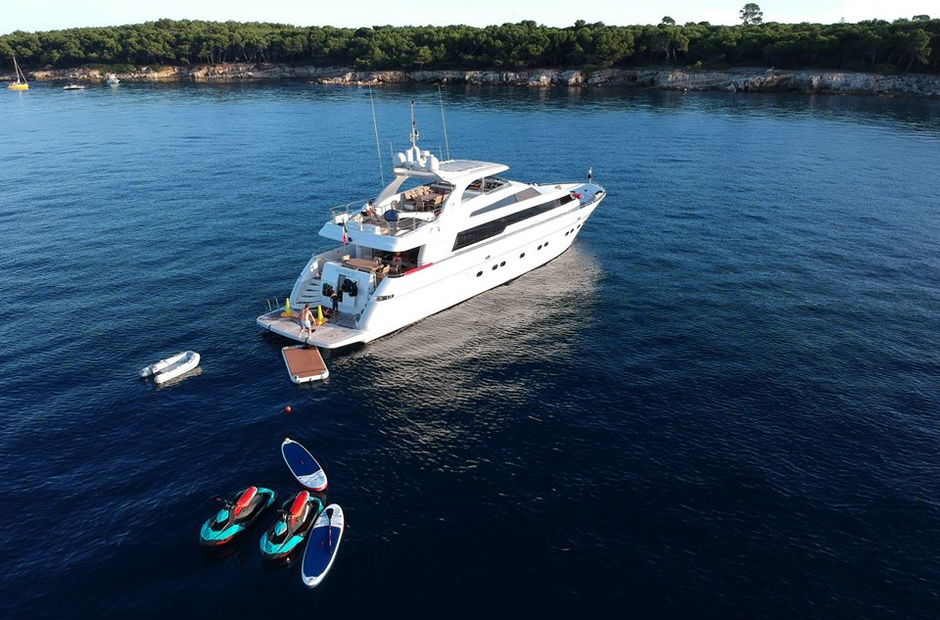


Images have been gathered from various sources and belong to their respective owners.
Review - Sanlorenzo Faster

MarineBroker
01/02/2024, 4:47 AM
2006 Sanlorenzo Faster: What Buyers Need to Know Before Making a Move
If you’ve been eyeing a 2006 Sanlorenzo Faster, you’re probably already drawn to the same things most buyers notice first: the sleek Italian styling, the reputation for luxury, and the kind of performance that makes a yacht feel exciting instead of just comfortable. But once the initial attraction wears off, a more practical question usually comes up: is this the right yacht for your needs, and how do you avoid expensive surprises?
That’s the real challenge with any older performance yacht. A 2006 model can still be a fantastic purchase, but only if you understand what matters most: maintenance history, hull condition, machinery health, layout fit, and the cost of ownership after the sale. Many buyers get caught up in the brand and the look, then overlook the details that determine whether the boat is a smart investment or a headache.
The good news is that with the right approach, you can evaluate a 2006 Sanlorenzo Faster confidently. In this article, we’ll break down the key things to check, the common problem areas to watch for, and how to make a better buying decision without getting overwhelmed.
- Why the 2006 Sanlorenzo Faster still gets attention
Sanlorenzo has long been known for building yachts that blend craftsmanship, style, and practical onboard comfort. The Faster line, in particular, appeals to buyers who want a sportier profile and a more dynamic feel underway.
A 2006 example sits in an interesting spot in the market. It’s old enough that condition matters more than age alone, but new enough that a well-maintained yacht may still offer excellent value compared with newer alternatives.
For many buyers, the appeal comes down to three things:
- Italian design with strong visual presence
- A performance-oriented cruising experience
- A layout that can work well for private use or entertaining
Still, older yachts can hide issues that aren’t obvious in photos. That’s why the smartest buyers focus less on the listing description and more on the actual condition of the vessel.
- The main problem with buying a 2006 Sanlorenzo Faster
The biggest issue is not the yacht itself. It’s the uncertainty around how it has been used and maintained over nearly two decades.
A 2006 yacht may have:
- Updated systems in some areas
- Original components in others
- Cosmetic improvements that mask deeper wear
- Variable maintenance depending on previous ownership
That creates a common buyer problem: how do you tell whether the yacht has been cared for properly?
This matters because older luxury yachts can be costly to repair if major systems have been neglected. Engines, generators, wiring, electronics, seals, and plumbing all age differently. A beautiful interior doesn’t necessarily mean the machinery is in the same shape.
The solution is a structured evaluation process. If you treat the purchase like a technical inspection rather than an emotional decision, you can reduce risk significantly.
- What makes the 2006 Sanlorenzo Faster worth considering
Before getting into the red flags, it helps to understand why this model remains attractive.
A well-kept Sanlorenzo often offers:
- Strong build quality
- Elegant interior finish
- Good onboard comfort for extended stays
- A layout designed for real use, not just display
- A reputation that helps with resale appeal
For buyers who want a yacht that feels refined without being overly flashy, this can be a strong fit. The Faster concept also tends to attract owners who enjoy cruising at a more spirited pace, which adds to the overall experience.
The key phrase here is “well-kept.” Condition is everything with a yacht of this age.
- The first thing to check: maintenance records
If you only focus on one thing before buying, make it the maintenance history.
A complete service record tells you far more than a glossy listing ever will. It shows whether the yacht has been:
- Serviced on schedule
- Stored properly
- Upgraded thoughtfully
- Repaired after issues, not just patched
Look for records covering:
- Engine servicing
- Generator maintenance
- Hull and bottom work
- Electrical repairs
- Air conditioning servicing
- Plumbing and tank system checks
- Annual inspections and winterization
A yacht with incomplete records isn’t automatically a bad buy, but it does mean you’ll need to inspect more carefully and budget more conservatively.
If the seller can’t explain the work done over the years, that’s a warning sign.
- Common issues to watch on an older performance yacht
Every yacht has age-related concerns, and performance-oriented models deserve extra attention because they often run harder and may have more complex systems.
Here are the most common areas to inspect on a 2006 Sanlorenzo Faster:
- Engines and propulsion
The machinery is usually the most expensive part of the boat to repair. You want to know:
- Engine hours
- Service intervals
- Oil analysis results, if available
- Evidence of overheating
- Signs of leaks or corrosion
- Smooth operation under load
A sea trial is essential. Some issues only show up when the engines are warm and under stress.
- Generator condition
Generators are easy to overlook until they fail. Check:
- Start-up reliability
- Noise and vibration
- Cooling system condition
- Service logs
- Load performance
If the generator struggles, that can point to broader maintenance neglect.
- Electrical systems
Older yachts often develop electrical quirks over time. Look for:
- Corroded terminals
- Aging batteries
- Inconsistent charging
- Faulty gauges or displays
- Previous DIY wiring modifications
Electrical issues can be expensive if they’re widespread, so a professional survey matters here.
- Plumbing and tanks
Water systems age quietly, then suddenly become a problem. Inspect:
- Freshwater pumps
- Waste systems
- Tank condition
- Odors around plumbing areas
- Evidence of leaks or staining
These issues may seem minor, but they can affect comfort and resale value.
- Exterior wear
Sun, salt, and motion all take a toll. Check:
- Gelcoat condition
- Window seals
- Deck fittings
- Railings and hardware
- Signs of water intrusion
- Soft spots in the deck
Even cosmetic wear can hint at deeper structural or moisture-related problems.
- How to judge whether the asking price makes sense
A lot of buyers ask, “Is this yacht priced fairly?” The honest answer is that price only makes sense in context.
A lower asking price can be misleading if the boat needs major updates. A higher price may be justified if the yacht has documented maintenance, recent upgrades, and a clean survey.
To evaluate value properly, compare:
- Engine hours versus service history
- Cosmetic condition versus structural condition
- Original equipment versus upgraded systems
- Asking price versus likely refit costs
A useful rule of thumb: calculate what you’ll spend after purchase, not just what you’ll pay upfront.
For example, a yacht that seems cheaper by a noticeable margin may still cost more overall if it needs:
- New batteries
- Electronics upgrades
- Upholstery replacement
- Pump and hose replacement
- Engine or generator servicing
- Paint or gelcoat correction
That’s why the “best deal” is often the yacht with the clearest history, not just the lowest sticker price.
- The smartest buying strategy for a 2006 Sanlorenzo Faster
If you want a practical way to approach the purchase, follow a simple process.
- Step 1: Define how you’ll use the yacht
Ask yourself:
- Will this be for weekend cruising or longer trips?
- Do you need space for guests?
- Is performance a priority?
- Will you run the yacht yourself or use crew?
Your intended use should shape your decision. A yacht that looks ideal on paper may not fit your lifestyle.
- Step 2: Review the paperwork carefully
Before you get emotionally invested, request:
- Ownership history
- Service records
- Survey reports
- Engine documentation
- Refit or upgrade records
- Registration and compliance documents
A clean paper trail is often a sign of a well-managed yacht.
- Step 3: Hire the right surveyor
Not all surveys are equal. For a yacht like this, you want someone experienced with:
- European yacht construction
- Older luxury motor yachts
- Performance hulls and machinery
- Moisture testing and structural inspection
A good surveyor can help you spot issues that a casual walkthrough would miss.
- Step 4: Sea trial the yacht
Never skip the sea trial. This is where you learn how the yacht really behaves.
Pay attention to:
- Acceleration
- Steering response
- Vibration
- Engine temperatures
- Noise levels
- Trim behavior
- Docking ease
If something feels off, investigate further before committing.
- Step 5: Budget for immediate ownership costs
Even a great yacht usually needs some work after purchase.
Plan for:
- Initial servicing
- Safety equipment updates
- Cleaning and detailing
- Minor repairs
- Dockage and insurance
- Unexpected maintenance
A buyer who budgets for these items is far less likely to feel surprised later.
- Why interior condition can be misleading
One of the easiest mistakes to make is falling in love with a polished interior.
Fresh upholstery, new carpets, and updated décor can make a yacht look nearly new. But these improvements don’t always reflect the condition of the mechanical systems or underlying structure.
When inspecting the interior, look beyond the surface:
- Open lockers and storage areas
- Check for damp smells
- Inspect corners and hidden spaces
- Look under cushions and around windows
- Test appliances and fixtures
- Watch for signs of past leaks
Cosmetic upgrades are nice, but they shouldn’t distract from the bigger picture.
- How to spot a well-cared-for example
A strong 2006 Sanlorenzo Faster usually shows a pattern of care, not just occasional fixes.
Signs of a good boat include:
- Consistent service records
- Clean engine room
- Organized wiring and plumbing
- Matching wear patterns
- Recent but sensible upgrades
- No obvious signs of deferred maintenance
A well-maintained yacht often feels “sorted” when you step aboard. Things work. Surfaces are clean. Compartments are dry. The boat gives you confidence.
That feeling matters.
- What upgrades are worth looking for
Some older yachts have already received the kind of upgrades that make ownership easier.
Helpful upgrades may include:
- Modern navigation electronics
- New batteries
- Updated air conditioning components
- Fresh upholstery
- LED lighting
- Improved audio-visual systems
- Replaced hoses, pumps, and seals
These updates can improve usability and reduce near-term expenses. Just make sure the work was done professionally.
Poorly installed upgrades can create new problems.
- Negotiating with confidence
Once you’ve inspected the yacht, the next step is negotiation.
If the survey reveals issues, don’t just focus on lowering the price. Think in terms of repair scope and future value.
You can negotiate based on:
- Required mechanical work
- Cosmetic restoration needs
- Electronics replacement
- Safety or compliance upgrades
- Evidence of maintenance gaps
A fair negotiation is based on facts, not guesswork.
If the seller has been transparent and the boat is in good shape, paying a fair price may be better than chasing a bargain that turns into a project.
- Who the 2006 Sanlorenzo Faster suits best
This yacht is likely to appeal most to buyers who want:
- A stylish European motor yacht
- A performance-capable cruising platform
- A well-appointed interior
- A boat with strong presence and character
- A vessel that can still deliver good value if maintained properly
It may be less ideal for someone who wants the lowest-maintenance ownership experience possible. Older luxury yachts require attention, and that’s part of the deal.
If you’re comfortable with that reality, the reward can be a very enjoyable ownership experience.
- Practical checklist before you buy
Here’s a quick checklist to keep the process simple:
- Verify maintenance records
- Review engine and generator hours
- Inspect the hull, deck, and seals
- Test all electrical and plumbing systems
- Complete a sea trial
- Hire an independent surveyor
- Estimate post-purchase maintenance costs
- Compare condition, not just asking price
This approach helps you make a decision based on evidence instead of excitement alone.
- Final thoughts on buying a 2006 Sanlorenzo Faster
A 2006 Sanlorenzo Faster can be a very appealing yacht for the right buyer, especially if you value style, comfort, and a more engaging cruising experience. But like any older luxury yacht, the real question is not just whether it looks good. It’s whether it has been properly maintained and whether it fits your plans and budget.
The safest path is simple: check the records, inspect the systems, sea trial the boat, and budget realistically. Do that, and you’ll be in a much better position to separate a smart purchase from a costly mistake. If you’re continuing your search, take your time and compare examples carefully. With the right due diligence, the 2006 Sanlorenzo Faster can be a rewarding choice rather than a risky one.
Specifications
General
Boat Type: Power Boats
Class Type: Mega Yacht
Specifications
Length: 87.93
Beam: 22.31
Draft: 6.89
Hull Material: GRP
Build
First Built: 2006
Propulsion
Fuel Type: Diesel
Engines: 2
Power: 1820 HP
Brand: Caterpillar
Accomodation
Berths: 6
Cabins: 4
Bathrooms: 3
PROS & CONS
What we appreciated
 Sleek and stylish Italian designHigh-quality craftsmanship and materialsComfortable and spacious interior for a 2006 modelGood performance with powerful enginesWell-suited for both day cruising and longer trips
What we didn’t appreciate
 Older model may require more maintenanceFuel consumption can be high due to powerful enginesLimited availability of modern electronics and navigation systemsSmaller size compared to newer luxury yachtsPotentially higher costs for repairs and parts due to brand exclusivity
Upkeep Costs
Fuel: Approximately $30,000 - $50,000 per year depending on usage
Maintenance and Repairs: $20,000 - $40,000 per year
Docking and Marina Fees: $15,000 - $30,000 per year
Insurance: $10,000 - $20,000 per year
Crew Salaries (if applicable): $50,000 - $150,000 per year
Rating
7.9
User
Score
Score
Driveability
Technology
Interior
Design
Similar Boats


MarineBroker
Download now for an immersive boat experience like never before! ⛵✨ Your journey begins with a simple click. 🌊📲
#SetSailSmart #DownloadNow
#SetSailSmart #DownloadNow

Subscribe
Copyright 2017 - 2026, Marinebroker.net, All Rights Reserved