Boat Database » Astondoa Julie II
Astondoa Julie II
Inboard Direct-Drive, Diesel, 3x 1300 HP
Power Boats 2001 Astondoa Julie II: What Buyers and Enthusiasts Should Know Before You Decide
If you’ve been searching for information on the 2001 Astondoa Julie II, chances are you’re trying to answer a pretty practical question: is this ya...
Discover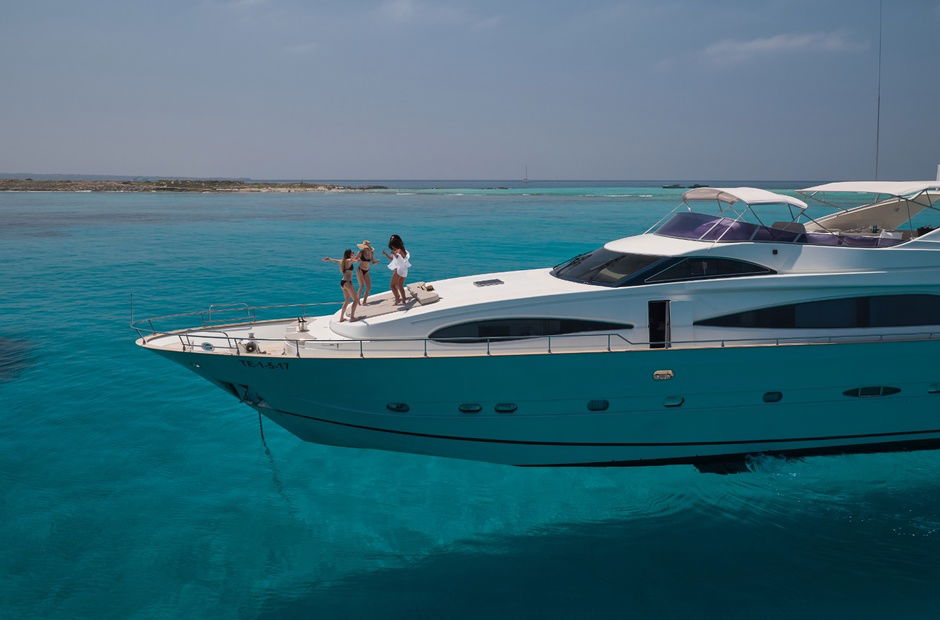


Images have been gathered from various sources and belong to their respective owners.
Review - Astondoa Julie II

MarineBroker
06/03/2024, 6:20 AM
2001 Astondoa Julie II: What Buyers and Enthusiasts Should Know Before You Decide
If you’ve been searching for information on the 2001 Astondoa Julie II, chances are you’re trying to answer a pretty practical question: is this yacht still a smart choice today? That’s a fair concern. Older luxury yachts can be incredibly rewarding, but they also come with a few hidden realities that are easy to overlook if you only focus on the photos or the brand name.
The good news is that a well-kept 2001 Astondoa can still offer a lot of value, especially for buyers who appreciate solid craftsmanship, classic styling, and a comfortable cruising layout. The challenge is knowing what to check, what to expect, and how to avoid expensive surprises.
In this article, we’ll look at the main things people interested in the 2001 Astondoa Julie II should understand before making a decision. We’ll cover common ownership concerns, what makes this model appealing, and the practical steps that can help you judge whether it’s the right fit for your needs. If you’re trying to separate real value from wishful thinking, you’re in the right place.
- Why the 2001 Astondoa Julie II still gets attention
- What buyers should inspect before committing
- How to evaluate condition, maintenance, and operating costs
- Practical ways to decide whether it’s the right yacht for you
- What Makes the 2001 Astondoa Julie II Interesting
Astondoa has long been known for building yachts with a strong balance of craftsmanship, comfort, and Mediterranean styling. The 2001 Astondoa Julie II sits in that era when many builders were still focused on robust construction and practical onboard living, not just flashy design trends.
For people exploring this yacht, the appeal usually comes down to a few things:
- A recognizable brand with a respected history
- A layout designed for comfortable cruising
- A classic look that still feels elegant
- The potential for strong value compared with newer yachts of similar size
That said, age changes everything in the yacht market. A 2001 model is no longer judged mainly by its original brochure. It’s judged by how well it has been maintained, upgraded, and used over time.
That’s why the real question isn’t just “Is the 2001 Astondoa Julie II a good yacht?” It’s “Is this specific yacht in the right condition for the kind of boating I want to do?”
- The Main Problem: Older Luxury Yachts Can Hide Expensive Issues
This is where many buyers run into trouble. A yacht like the 2001 Astondoa Julie II may look ready to go, but older vessels often carry maintenance history that isn’t obvious at first glance.
Common concerns include:
- Aging engines or propulsion systems
- Outdated electronics
- Wear in plumbing, air conditioning, and electrical systems
- Moisture intrusion in decks or cabins
- Cosmetic refreshes that hide deeper structural issues
The tricky part is that some of these problems don’t show up during a quick walk-through. A polished interior can look great while the mechanical systems underneath need serious attention.
For buyers, the real risk is not the purchase price alone. It’s the total cost of ownership after the purchase. That includes refits, surveys, haul-outs, insurance, docking, and regular service.
If you’re interested in the 2001 Astondoa Julie II, the smartest approach is to evaluate the yacht like a long-term project, not just a one-day purchase.
- How to Judge the Condition of a 2001 Astondoa Julie II
The best way to avoid regret is to inspect the yacht methodically. A good survey helps, but you should also know what matters most before you even get that far.
- Check the maintenance records
This is one of the biggest clues to a yacht’s real condition. A well-documented service history usually says more than a polished listing.
Look for:
- Engine service intervals
- Generator maintenance
- Hull and antifouling records
- Electrical upgrades
- Recent replacement of hoses, pumps, batteries, and seals
If records are missing or vague, treat that as a warning sign. It doesn’t automatically mean there’s a problem, but it does mean you’ll need a more cautious inspection.
- Inspect the engines and running gear
For a yacht from 2001, mechanical condition matters more than cosmetics. Engines can last a long time if properly maintained, but neglect adds up quickly.
Pay attention to:
- Oil leaks
- Excess smoke on startup
- Unusual vibration
- Corrosion around mounts and fittings
- Cooling system performance
- Shaft, propeller, and rudder condition
If possible, have a marine mechanic do a compression check or engine analysis. That small expense can save a huge amount later.
- Look closely for moisture and water intrusion
Older yachts often develop hidden moisture issues in decks, windows, hatches, and around fittings. Water intrusion can weaken structure and create mold or rot.
Check for:
- Soft spots on decks
- Stains around windows or ceilings
- Musty smells in cabins and lockers
- Bubbling paint or gelcoat
- Corrosion around fasteners
Moisture meters are useful, but even a careful visual inspection can reveal a lot.
- Test all onboard systems
It’s easy to overlook smaller systems until you’re already living with the boat. On a yacht like the 2001 Astondoa Julie II, these systems can be costly to repair if several are failing at once.
Test:
- Air conditioning
- Water pumps
- Toilets and holding tanks
- Bilge pumps
- Navigation electronics
- Lighting and shore power
- Winches and windlass
A system that “mostly works” is still a problem if parts are obsolete or hard to source.
- Why the 2001 Astondoa Julie II Can Still Be a Smart Buy
Despite the usual concerns with older yachts, there are real advantages to choosing a well-kept vessel from this era.
- Better value for the size and build quality
New yachts are expensive, and depreciation hits hard in the first years. A 2001 model may offer a much lower entry point while still delivering a strong onboard experience.
That means buyers can sometimes get:
- More space
- More equipment
- Better materials
- A proven hull design
For someone who values practical cruising over the latest styling, that can be a very good tradeoff.
- Solid craftsmanship often ages well
Many yachts from this period were built with heavy attention to structure and finish. If the boat has been properly cared for, that older build quality can still be very appealing.
You may notice:
- Sturdy joinery
- Comfortable interior layouts
- Good sea-keeping characteristics
- Traditional design choices that still feel premium
The key is maintenance. Good construction helps, but it doesn’t replace upkeep.
- A more realistic ownership entry point
For some buyers, a used yacht is the only sensible way to enter the market. A 2001 yacht can let you enjoy the lifestyle without taking on the financial burden of a brand-new vessel.
That said, affordability only works if you budget honestly. A lower purchase price does not mean low ownership cost.
- What to Budget for Beyond the Purchase Price
This is where many first-time buyers underestimate the real numbers. If you’re considering the 2001 Astondoa Julie II, plan for more than the asking price.
Typical ownership costs may include:
- Survey and sea trial
- Insurance
- Docking or marina fees
- Fuel
- Routine engine servicing
- Generator service
- Bottom cleaning and antifouling
- Safety gear replacement
- Cosmetic refreshes
- Unexpected repairs
A practical rule is to keep a reserve fund for maintenance and surprises. Older yachts tend to reward owners who stay ahead of problems instead of reacting after things fail.
A good budget mindset looks like this:
1. Purchase price
2. Immediate survey findings
3. First-year service and upgrades
4. Annual operating costs
5. Emergency repair reserve
If the numbers still make sense after those five steps, you’re on much firmer ground.
- Common Refits and Upgrades Buyers Should Expect
With a 2001 yacht, some updates are normal and often worthwhile. In many cases, a few smart upgrades can make the boat much more enjoyable and reliable.
Useful refit areas often include:
- Modern chartplotter and navigation systems
- LED lighting upgrades
- New batteries and charging systems
- Updated upholstery or soft furnishings
- Fresh safety equipment
- Replaced hoses, seals, and pumps
- Improved audio and entertainment systems
Not every upgrade needs to be expensive. Sometimes the best improvements are the ones that improve reliability and reduce stress.
For example, replacing aging batteries and old electronics may not sound glamorous, but it can completely change your ownership experience.
- How to Decide if This Yacht Fits Your Needs
The right yacht is not just about condition. It also has to match how you plan to use it.
Ask yourself:
- Will I cruise locally or take longer trips?
- Do I want a family boat or a private owner’s yacht?
- Am I comfortable with ongoing maintenance?
- Do I have access to a reliable marine service team?
- Is my budget flexible enough for surprises?
If you want a boat for occasional weekend use, your tolerance for older systems may be different than if you plan to cruise regularly.
The 2001 Astondoa Julie II may be a good fit if you value:
- Classic styling
- Comfortable onboard space
- A proven platform
- Better value than a newer yacht
It may be less ideal if you want:
- Minimal maintenance
- The latest tech
- Factory-fresh condition
- Very low operating costs
That’s not a flaw in the yacht itself. It’s just a matter of matching expectations to reality.
- Practical Buying Tips for Interested Owners
If you’re seriously considering the 2001 Astondoa Julie II, here are some simple but effective steps to follow.
- Hire the right surveyor
Choose someone with real experience in larger motor yachts and older European builds. General boat surveys are useful, but model-specific expertise is even better.
- Sea trial the yacht properly
Don’t skip this. A sea trial can reveal issues with:
- Acceleration
- Steering
- Noise and vibration
- Engine temperatures
- Electronics under load
- Comfort underway
- Ask for service invoices, not just verbal promises
Paperwork matters. Receipts and service logs are much more reliable than “everything was done recently.”
- Compare the yacht against similar models
Even if you’re focused on the 2001 Astondoa Julie II, it helps to compare it with other yachts in the same size and age range. That gives you a better sense of value and condition.
- Think in terms of total ownership, not emotion
It’s easy to fall in love with a yacht’s look or layout. That’s normal. But the best decisions come from balancing emotion with practical inspection.
- Signs the Boat May Be Worth Pursuing
Not every older yacht is a gamble. Some are genuinely strong opportunities.
Positive signs include:
- Detailed maintenance records
- Recent mechanical servicing
- Clean survey results
- Dry interior spaces
- Upgraded systems
- A knowledgeable and transparent owner
- Evidence of regular use rather than neglect
A yacht that has been used consistently and maintained well is often better than one that sat idle for years.
A long period of inactivity can create its own problems, including stale fuel, battery failure, and hidden system deterioration.
- When to Walk Away
Sometimes the best decision is to pass. That’s especially true if the survey uncovers multiple major issues at once.
Be cautious if you find:
- Engine problems with unclear history
- Significant moisture damage
- Poor documentation
- Electrical systems in rough shape
- Deferred maintenance across several categories
- A seller unwilling to answer direct questions
One major repair is manageable. Several major repairs together can turn a good-looking yacht into a financial headache.
If the numbers no longer make sense, walking away is often the smartest move.
- Final Thoughts on the 2001 Astondoa Julie II
The 2001 Astondoa Julie II can still be a very appealing yacht for the right buyer. Its value comes from a mix of classic craftsmanship, practical cruising comfort, and the chance to enter the market at a more reasonable price than a newer boat.
But like any older luxury yacht, its real worth depends on condition, maintenance history, and how honestly you assess the total cost of ownership. If you inspect carefully, budget realistically, and focus on the systems that matter most, you’ll be in a much better position to make a confident decision.
If you’re exploring this yacht seriously, take your time, request full records, and lean on a qualified surveyor before committing. A careful approach now can save you a lot of stress later—and help you enjoy the boat for what it should be: a comfortable, rewarding time on the water.
Specifications
General
Boat Type: Power Boats
Class Type: Mega Yacht
Specifications
Length: 96.78
Beam: 21.98
Draft: 4.92
Hull Material: GRP
Build
First Built: 2001
Propulsion
Fuel Type: Diesel
Engines: 3
Power: 1300 HP
Brand: MAN
Accomodation
Cabins: 4
PROS & CONS
What we appreciated
 Classic luxury design with elegant stylingSpacious interior layout suitable for comfortable cruisingSolid build quality with durable materialsGood performance for its size and engine optionsWell-equipped with essential amenities for extended trips
What we didn’t appreciate
 Older model may require more maintenance and repairsFuel efficiency is lower compared to modern boatsLimited availability of replacement parts due to ageOutdated electronics and navigation systemsPotentially higher costs for insurance and docking fees
Upkeep Costs
Annual insurance: $1,200 - $3,000
Fuel: $3,000 - $7,000 per year (depending on usage)
Maintenance and repairs: $4,000 - $8,000 per year
Docking and storage: $2,000 - $5,000 per year
Winterization and annual haul-out: $1,000 - $2,000
Rating
7.2
User
Score
Score
Driveability
Technology
Interior
Design
Similar Boats


MarineBroker
Download now for an immersive boat experience like never before! ⛵✨ Your journey begins with a simple click. 🌊📲
#SetSailSmart #DownloadNow
#SetSailSmart #DownloadNow

Subscribe
Copyright 2017 - 2026, Marinebroker.net, All Rights Reserved