Boat Database » Azimut Hye Seas II
Azimut Hye Seas II
Inboard Direct-Drive, Diesel, 2x 0 HP
Power Boats 2007 Azimut Hye Seas II: What Buyers Need to Know Before Making a Move
If you’ve been looking at the 2007 Azimut Hye Seas II, you’re probably already drawn to the kind of boating experience it promises: sleek Italian styling, a s...
Discover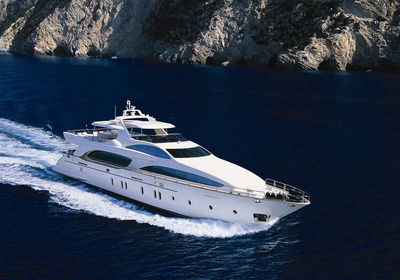


Images have been gathered from various sources and belong to their respective owners.
Review - Azimut Hye Seas II

MarineBroker
07/03/2024, 5:33 AM
2007 Azimut Hye Seas II: What Buyers Need to Know Before Making a Move
If you’ve been looking at the 2007 Azimut Hye Seas II, you’re probably already drawn to the kind of boating experience it promises: sleek Italian styling, a spacious layout, and the kind of onboard comfort that makes weekends feel like real getaways. But here’s the catch—buying a yacht like this isn’t just about liking the look. The real challenge is figuring out whether the boat is actually a smart choice for your needs, budget, and long-term ownership plans.
That’s where a lot of buyers get stuck. A yacht can look fantastic in photos and still come with hidden maintenance issues, outdated systems, or operating costs that catch new owners off guard. The good news is that with the right approach, you can separate the excitement from the practical realities and make a much better decision.
In this guide, we’ll break down what makes the 2007 Azimut Hye Seas II worth a closer look, what common problems buyers should watch for, and how to evaluate it like a seasoned boater instead of an impulse shopper.
- Why the 2007 Azimut Hye Seas II gets attention
The 2007 Azimut Hye Seas II sits in a category that many yacht buyers find appealing: it offers luxury without necessarily jumping into the newest, most expensive tier of ownership. For people who want a stylish motor yacht with a proven brand name, it can feel like a strong middle ground.
Azimut has long been known for its elegant design, smart use of space, and strong presence in the European motor yacht market. That reputation matters because buyers often want more than just a boat—they want a lifestyle package that feels refined and comfortable.
What makes this particular yacht interesting is that it appeals to buyers who value:
- A recognizable luxury brand
- A spacious cruising layout
- Guest-friendly living areas
- A vessel that can still feel modern if properly maintained
But as with any yacht from this era, the condition of the individual boat matters more than the brand name alone. A well-kept 2007 model can be a great find, while a neglected one can become an expensive project.
- The real problem buyers face with older luxury yachts
The biggest issue with a yacht like the 2007 Azimut Hye Seas II is not usually whether it’s attractive. It’s whether it has been maintained well enough to justify the purchase.
Older luxury yachts often come with a few predictable concerns:
- Aging electronics
- Wear in upholstery and interior finishes
- Engine and generator service history gaps
- Hull, plumbing, or electrical issues
- Higher-than-expected refit costs
This is where many buyers make mistakes. They focus on the listing photos, the layout, and the brand, but they don’t dig deep enough into the maintenance records and survey findings. That can turn what looked like a bargain into a money pit.
The practical solution is simple: treat the boat like a system, not just a product. Every major component should be checked, documented, and compared against expected lifespan and service needs. If you do that, you’ll know whether the yacht is a good value or just a pretty face.
- What to inspect first on the 2007 Azimut Hye Seas II
If you’re seriously considering this yacht, start with the areas that usually create the biggest ownership headaches. These are the parts that can quietly drain your budget if overlooked.
- Engines and propulsion
Ask for full service records. You want to know:
- When the engines were last serviced
- Whether oil analysis was done
- If the cooling systems have been maintained
- Whether there have been any overheating issues
Even a beautiful yacht can become costly if the engines were not properly cared for. A sea trial is essential, and it should include checking for vibration, smoke, temperature stability, and smooth throttle response.
- Generator and onboard systems
The generator is easy to ignore until it fails. Since many owners rely on it for air conditioning, lighting, and appliances, it should be tested under load.
Also inspect:
- Batteries and charging systems
- Shore power connections
- AC/DC electrical panels
- Water pumps and plumbing
- Air conditioning performance
These systems may not be flashy, but they’re what make the yacht comfortable and functional.
- Interior condition
The interior tells you a lot about how the yacht has been used. Look for:
- Water intrusion
- Soft spots in flooring
- Odors that suggest mold or mildew
- Upholstery wear
- Cabinet alignment and latch condition
A little cosmetic wear is normal on a 2007 yacht. But signs of moisture damage or poor ventilation should raise a red flag.
- Hull, deck, and exterior
The hull and deck should be carefully inspected for:
- Gelcoat cracking
- Stress fractures
- Signs of prior repairs
- Window seal leaks
- Hardware corrosion
This is especially important on a yacht that may have seen years of sun exposure and saltwater use. Small exterior issues can become bigger problems if they point to structural or water intrusion concerns.
- How to judge whether the yacht is worth the asking price
One of the hardest parts of buying a used yacht is knowing whether the price is fair. With a boat like the 2007 Azimut Hye Seas II, the asking price should reflect not just age, but condition, upgrades, and maintenance history.
A fair evaluation usually depends on:
- Engine hours
- Recent refits or upgrades
- Cosmetic condition
- Survey results
- Market demand for similar models
- Location and transport costs
Here’s a simple way to think about it: a lower asking price isn’t always the better deal if the yacht needs major work. Sometimes the “cheaper” boat ends up costing more once you factor in repairs, replacements, and downtime.
A better approach is to estimate the total cost of ownership for the first 12 to 24 months. That includes:
- Survey and haul-out fees
- Immediate repairs
- Routine maintenance
- Insurance
- Dockage or storage
- Fuel and operating costs
If the numbers still make sense after that, you’re in a much stronger position to buy with confidence.
- Common issues found on 2007-era luxury motor yachts
While every boat is different, yachts from this era often share a few recurring issues. Knowing them ahead of time helps you ask better questions and avoid surprises.
- Aging electronics
Navigation and entertainment systems from 2007 may feel dated. Some may still function fine, but others may be hard to service or upgrade. Replacement can be expensive if the existing systems are proprietary or poorly integrated.
- Cosmetic wear
Wood trim, soft furnishings, and interior finishes may show age even on well-kept boats. This is not always a dealbreaker, but it can affect resale value and comfort.
- Water intrusion
Older yachts often develop leaks around windows, hatches, or deck fittings. Even minor leaks can lead to hidden damage over time.
- Electrical gremlins
Loose connections, corroded terminals, and aging breakers can create frustrating issues. These may not stop the boat from running, but they can make ownership annoying and expensive.
- Deferred maintenance
This is the big one. A yacht may look clean on the surface but still have skipped service intervals, tired hoses, worn belts, or neglected mechanical systems.
The solution is to assume there will be some level of maintenance needed and budget for it before you buy. That way, you’re prepared instead of surprised.
- Why a professional survey is non-negotiable
If you’re shopping for the 2007 Azimut Hye Seas II, a professional marine survey is one of the smartest investments you can make. It may feel like an extra expense, but it can save you from buying a boat with hidden problems.
A good survey should include:
- Hull inspection
- Moisture testing
- Mechanical evaluation
- Electrical assessment
- Sea trial
- Safety equipment review
If possible, use both a marine surveyor and a qualified engine mechanic. A surveyor gives you the big-picture condition of the vessel, while a mechanic can spot engine issues that might otherwise go unnoticed.
This step is especially important because some problems only show up under load or after the boat has been run for a while. A dockside walkthrough alone is not enough.
- How to use maintenance records as your best bargaining tool
Maintenance records are one of the best indicators of how a yacht has been treated. For a boat like the 2007 Azimut Hye Seas II, a clean paper trail can make a huge difference.
Look for records showing:
- Regular engine service
- Generator maintenance
- Bottom cleaning and paint history
- Battery replacement dates
- Upgrades to electronics or safety systems
- Repairs after any incidents
If records are incomplete, that doesn’t automatically mean the boat is bad. But it does mean you should be more cautious and likely expect a lower price or a bigger post-purchase maintenance budget.
You can also use missing documentation as a negotiation point. If the seller can’t prove recent service, you’re taking on more risk—and that should be reflected in the deal.
- Ownership costs people often underestimate
Many first-time yacht buyers focus on purchase price and overlook the ongoing costs. With a luxury yacht, those costs can add up quickly.
Common expenses include:
- Insurance
- Dockage or marina fees
- Fuel
- Routine maintenance
- Winterization or seasonal storage
- Cleaning and detailing
- Parts replacement
- Crew, if applicable
Even if the yacht is in good condition, ownership is rarely “set it and forget it.” A realistic budget helps you enjoy the boat instead of feeling stressed every time something needs attention.
A useful rule of thumb is to reserve a maintenance fund every year. That way, when a pump, battery bank, or electronic component needs replacement, you’re ready for it.
- Who the 2007 Azimut Hye Seas II may be best for
This yacht may be a good fit if you’re someone who:
- Wants a luxury cruising experience
- Appreciates classic Italian yacht styling
- Plans to use the boat for entertaining or family trips
- Is willing to maintain an older premium vessel properly
- Understands the importance of surveys and service history
It may be less ideal if you want:
- Very low maintenance
- The latest onboard technology
- A turnkey boat with no refit needs
- Minimal ownership complexity
In other words, this is the kind of yacht that can be very rewarding for the right buyer, but it works best for someone who goes in with open eyes.
- Practical buying tips for smarter decision-making
If you’re close to making a move, here are a few straightforward tips that can help you avoid common mistakes.
- Never skip the sea trial
You need to see how the yacht performs underway, not just at the dock.
- Compare multiple boats
Even if you love one listing, comparing similar models helps you understand market value and condition differences.
- Budget for immediate fixes
Assume you’ll need to spend something after closing, even if the boat looks great.
- Ask about refits
Upgraded electronics, new upholstery, or recent mechanical work can add real value.
- Check resale potential
Think about how easy the yacht will be to sell later. Popular brands and well-documented maintenance histories usually help.
- Trust your inspection team
If the surveyor or mechanic raises concerns, take them seriously. A nice-looking boat is not worth ignoring major issues.
- How the 2007 Azimut Hye Seas II can fit into a smart ownership plan
The best way to approach a yacht like the 2007 Azimut Hye Seas II is to think beyond the purchase and into the ownership experience. If the boat is well maintained, priced fairly, and inspected properly, it can offer a very satisfying mix of comfort and style.
For buyers who love the idea of luxury cruising but don’t want to pay new-yacht prices, an older Azimut can be appealing. The key is making sure the boat’s condition matches the story the listing is telling.
That means:
- Verifying maintenance history
- Inspecting the mechanical systems
- Understanding refit needs
- Budgeting realistically
- Buying based on condition, not just appearance
If you do those things, you’ll be in a much better position to enjoy the yacht instead of constantly fixing it.
- Final thoughts on buying the 2007 Azimut Hye Seas II
The 2007 Azimut Hye Seas II can be a rewarding yacht for the right buyer, but only if you approach it with a practical mindset. The main challenge isn’t finding a beautiful boat—it’s finding one that has been cared for well enough to make ownership enjoyable rather than stressful.
The smartest buyers focus on inspections, service records, and realistic cost planning before making an offer. That approach helps you avoid hidden problems and gives you a much clearer picture of the yacht’s true value.
If you’re exploring this model, take your time, ask detailed questions, and lean on professional surveys and sea trials. A little due diligence now can save you a lot of money and frustration later.
Specifications
General
Boat Type: Power Boats
Class Type: Mega Yacht
Specifications
Length: 116.47
Beam: 24.28
Draft: 6.56
Hull Material: GRP
Build
First Built: 2007
Propulsion
Fuel Type: Diesel
Engines: 2
Power: 0 HP
Brand: Unknown
Accomodation
Cabins: 5
PROS & CONS
What we appreciated
 Luxurious Italian design with stylish interior and exteriorSpacious layout with comfortable accommodations for extended cruisingPowerful engines providing good performance and speedWell-equipped with modern navigation and entertainment systemsSolid build quality and reliable construction
What we didn’t appreciate
 Older model, may require more maintenance and updatesFuel consumption can be high due to powerful enginesLimited availability of parts specific to this modelSmaller cockpit space compared to newer modelsElectronics and onboard systems may be outdated
Upkeep Costs
Fuel: Approximately $8,000 - $12,000 per year depending on usage
Maintenance and Repairs: Around $10,000 - $15,000 per year
Insurance: Approximately $3,000 - $5,000 per year
Docking and Storage: $5,000 - $10,000 per year depending on location
Miscellaneous (cleaning, registration, upgrades): $2,000 - $4,000 per year
Rating
8.0
User
Score
Score
Driveability
Technology
Interior
Design
Similar Boats


MarineBroker
Download now for an immersive boat experience like never before! ⛵✨ Your journey begins with a simple click. 🌊📲
#SetSailSmart #DownloadNow
#SetSailSmart #DownloadNow

Subscribe
Copyright 2017 - 2026, Marinebroker.net, All Rights Reserved