Boat Type: Power Boats
Boat Class: Mega Yacht
Length: 140.42 ft
Berths: 6
Cabins: 5
Bathrooms: 5
Max Persons: 10
Boat Database » Sanlorenzo Ocean's Four
Sanlorenzo Ocean's Four
Inboard Direct-Drive, Diesel, 2x 2000 HP
Power Boats 2017 Sanlorenzo Ocean’s Four: What Owners and Buyers Should Know Before Making the Move
If you’ve been searching for information on the 2017 Sanlorenzo Ocean’s Four, you’re probably already past the “just browsing” stage. Maybe y...
Discover


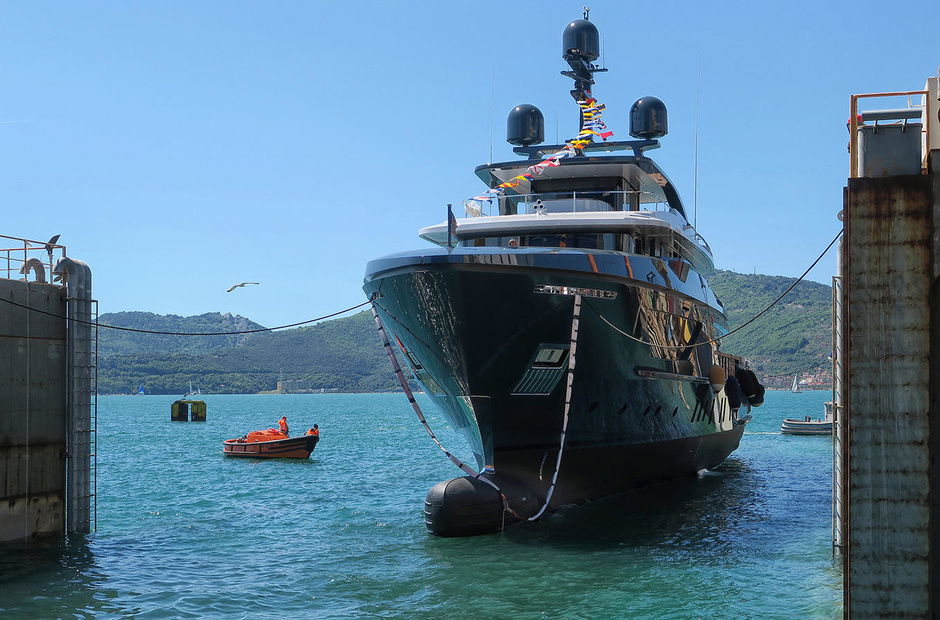
Images have been gathered from various sources and belong to their respective owners.
Review - Sanlorenzo Ocean's Four

MarineBroker
12/31/2023, 5:02 AM
2017 Sanlorenzo Ocean’s Four: What Owners and Buyers Should Know Before Making the Move
If you’ve been searching for information on the 2017 Sanlorenzo Ocean’s Four, you’re probably already past the “just browsing” stage. Maybe you’re comparing yachts, trying to understand whether this model fits your lifestyle, or figuring out what makes it stand out in a crowded luxury market. That’s where things can get tricky. With yachts like this, the details matter: layout, condition, maintenance history, onboard systems, and how well the boat matches the way you actually plan to use it.
The challenge is that many buyers focus on the glamour first and the practical side later. That can lead to missed opportunities, unexpected costs, or choosing a yacht that looks perfect on paper but doesn’t quite suit real-world cruising. The good news is that with the right approach, you can evaluate the 2017 Sanlorenzo Ocean’s Four confidently and avoid the usual pitfalls. In this article, we’ll break down what to look for, what common issues matter most, and how to decide whether this yacht is the right fit for your plans.
- Why the 2017 Sanlorenzo Ocean’s Four Attracts So Much Attention
Sanlorenzo has built a strong reputation for combining Italian design, customization, and solid yacht construction. The 2017 Sanlorenzo Ocean’s Four sits in that sweet spot where style meets serious cruising capability.
For many buyers, the appeal comes down to a few things:
- A refined, modern aesthetic that still feels timeless
- Spacious interior and exterior living areas
- A layout designed for comfortable long-range use
- The prestige and craftsmanship associated with the Sanlorenzo name
But beyond the brand image, the real draw is usability. This is not just a yacht to admire at the dock. It’s the kind of vessel many owners want for extended weekends, family cruising, entertaining, or seasonal living aboard.
That said, luxury yachts in this class are rarely “one-size-fits-all.” Two boats from the same year can feel very different depending on how they were specified, used, and maintained. That’s why understanding the practical side is just as important as appreciating the design.
- The Main Problem Buyers Face: Style vs. Real-World Ownership
The biggest issue people run into when considering a yacht like the 2017 Sanlorenzo Ocean’s Four is assuming that premium design automatically means easy ownership.
It doesn’t.
A yacht can look incredible in photos and still present challenges such as:
- Higher-than-expected operating costs
- Maintenance complexity
- Crew requirements
- Systems that need upgrades or servicing
- Wear and tear hidden beneath polished finishes
This is especially true with pre-owned yachts. A well-kept 2017 model can still have plenty of life left, but only if you understand what to check before committing. Buyers often get caught up in the layout and finishes, then overlook the technical condition, service records, and how the yacht has actually been used.
In other words, the problem isn’t finding a beautiful yacht. The problem is finding one that is beautiful, practical, and financially sensible to own.
- What Makes the 2017 Sanlorenzo Ocean’s Four Stand Out
The 2017 Sanlorenzo Ocean’s Four is appealing because it tends to balance luxury with function. That matters more than people realize.
Here are the characteristics that typically attract interest:
- Elegant interior styling with a custom feel
- Good use of onboard space
- Comfortable guest areas
- Strong emphasis on relaxation and entertainment
- A layout that can work well for private owners or family use
Sanlorenzo is known for semi-custom builds, which means the exact configuration of a yacht can vary more than on mass-produced models. That is a huge advantage if the layout suits your needs, but it also means you need to review the specific boat carefully rather than relying on general assumptions about the model year.
If you’re comparing yachts, ask yourself:
- Does the layout match how I’ll actually use the boat?
- Will I cruise short distances, or do longer passages matter?
- How many guests do I realistically host?
- Do I need space for crew, toys, or extended stays?
These questions help move the conversation from “nice yacht” to “right yacht.”
- Key Areas to Inspect Before Buying
A yacht like this can be a great purchase, but only if the technical side checks out. The smartest buyers treat the inspection process as part of the investment, not an afterthought.
- Hull and Structural Condition
Start with the basics. Even if the yacht has been lightly used, you want to know the hull is sound and there are no signs of prior damage, poor repairs, or moisture issues.
Look for:
- Evidence of blistering, stress cracks, or repairs
- Signs of water intrusion around fittings and windows
- Condition of the gelcoat and exterior finish
- Any history of grounding or collision
A clean survey history is a strong sign, but it should never replace a current professional inspection.
- Engines and Mechanical Systems
The engines are one of the most important value points on any motor yacht. Ask for full service records and verify that regular maintenance has been performed on schedule.
Pay close attention to:
- Engine hours and usage pattern
- Oil analysis results, if available
- Cooling system service
- Generator condition
- Thruster and stabilizer maintenance
A yacht that has been exercised regularly and maintained properly is often a better buy than one that sat idle for long periods.
- Electronics and Navigation Equipment
On a 2017 yacht, electronics may already be nearing the point where updates matter. Navigation systems, displays, and onboard controls should all be checked for reliability and compatibility.
Things to review:
- Chartplotters and radar
- Autopilot performance
- Monitoring systems
- Networking and control interfaces
- Compatibility with modern software or replacements
Even if the system works, ask whether it’s current enough for your needs. Replacing electronics can be expensive, so this should be factored into your decision.
- Interior Condition and Evidence of Use
The interior tells you a lot about how the yacht has been cared for. Cosmetic wear is normal, but it should be consistent with the yacht’s age and usage.
Check for:
- Upholstery wear
- Odors from moisture or poor ventilation
- Cabinet alignment and finish quality
- Carpet or flooring condition
- Signs of leaks around windows and hatches
A yacht that looks great in staged photos may still reveal hidden issues once you inspect the less glamorous areas like storage spaces, bilges, and utility compartments.
- Understanding Ownership Costs Before You Commit
One of the most practical ways to solve the “dream yacht vs. real yacht” problem is to understand the true cost of ownership before you buy.
For a yacht in this class, ongoing expenses can include:
- Routine maintenance
- Engine and generator servicing
- Dockage or marina fees
- Insurance
- Winterization or seasonal storage
- Cleaning and detailing
- Crew costs, if applicable
- Fuel and provisioning
- Unexpected repairs
A common mistake is budgeting only for the purchase price. In reality, annual ownership costs can add up quickly, especially if the yacht is used frequently or kept in a premium marina.
A good rule of thumb is to build a realistic operating budget before you sign anything. That way, you can decide whether the yacht fits your lifestyle long-term, not just your excitement level today.
- How to Tell If the 2017 Sanlorenzo Ocean’s Four Is the Right Fit
The 2017 Sanlorenzo Ocean’s Four may be a strong match if you want a yacht that offers a polished onboard experience without feeling overly flashy or impractical.
It may suit you if you value:
- Comfortable cruising over extreme speed
- High-end finishes and thoughtful design
- A yacht that can entertain guests well
- A balance of luxury and usability
- A respected brand with strong resale appeal
On the other hand, it may not be ideal if you’re looking for:
- Minimal maintenance responsibility
- Very low operating costs
- A purely sporty or performance-focused yacht
- A simple, no-frills ownership experience
The best yacht is the one that fits your actual habits. If you mostly want relaxed family weekends, elegant entertaining, and dependable cruising, this model may be exactly the kind of platform worth considering.
- Practical Tips for Buyers Evaluating This Yacht
If you’re seriously looking at a 2017 Sanlorenzo Ocean’s Four, here’s a simple approach that helps reduce risk and improve confidence.
- Review the full service history
Ask for documentation on engine services, generator maintenance, and any repairs or upgrades. A paper trail matters.
- Hire the right surveyor
Use a marine surveyor and, when relevant, a specialist for engines or electronics. Luxury yachts deserve a detailed inspection.
- Compare actual usage, not just hours
Low hours are not always better. A yacht with regular, careful use may be in better condition than one that was underused.
- Budget for immediate post-purchase work
Even a well-maintained yacht may need cosmetic updates, electronics refreshes, or minor mechanical attention after closing.
- Think about crew and handling
Make sure the yacht is practical for your intended operating style. If you plan to run it yourself, check whether that’s realistic for the size and systems onboard.
- Don’t ignore resale value
Brand reputation, maintenance history, and layout all affect how easy the yacht will be to sell later.
- Why Surveys and Sea Trials Matter So Much
A sea trial is where the yacht stops being a brochure and becomes a real machine. It’s one of the most useful steps in solving the uncertainty around buying a pre-owned luxury yacht.
During a sea trial, you can evaluate:
- Engine performance under load
- Vibration or unusual noise
- Steering response
- Stabilizer behavior
- Electronics in real conditions
- Comfort underway
- Noise levels in cabins and common areas
A dockside inspection can only tell you so much. The sea trial shows how the yacht behaves when it’s actually doing the job it was built for. Combined with a full survey, it gives you a much clearer picture of whether the yacht is worth the asking price.
- Common Mistakes to Avoid
People often make the same few mistakes when shopping for a yacht like this. Avoiding them can save you time, money, and stress.
- Buying based on appearance alone
- Skipping a proper survey
- Ignoring maintenance history
- Underestimating annual costs
- Assuming all 2017 models are equally equipped
- Overlooking electronics age and upgrade needs
- Failing to consider how the yacht fits your cruising style
The most expensive yacht is not always the one with the highest price tag. Sometimes it’s the one that needs the most correction after purchase.
- Where the 2017 Sanlorenzo Ocean’s Four Fits in the Market
In the pre-owned luxury yacht market, a well-kept 2017 Sanlorenzo Ocean’s Four can stand out because it offers a blend of design credibility and practical cruising appeal.
That combination is valuable to buyers who want more than a floating status symbol. They want a yacht that feels refined, works well, and holds its appeal over time.
Its market position is strongest when:
- The yacht has documented maintenance
- Interior and exterior condition are consistent
- Mechanical systems are up to date
- The layout matches buyer expectations
- The asking price reflects actual condition, not just brand name
That’s why comparable listings matter so much. Looking at similar yachts helps you understand whether the boat is priced fairly and whether upgrades or repairs are already built into the value.
- A Simple Decision Framework for Buyers
If you’re still unsure, use this quick framework before moving forward:
1. Does the layout fit my lifestyle?
2. Is the maintenance record complete and believable?
3. Do the engines, generators, and systems check out?
4. Can I comfortably afford the annual ownership cost?
5. Does the yacht need upgrades that change the real price?
6. Would I be happy using this boat in the way I actually cruise?
If you can answer “yes” to most of these, you’re likely looking at a serious candidate. If not, keep comparing.
- Final Thoughts on the 2017 Sanlorenzo Ocean’s Four
The 2017 Sanlorenzo Ocean’s Four is the kind of yacht that attracts attention for good reason: it blends luxury, craftsmanship, and practical cruising appeal. But the real key to making a smart decision is not just admiring the design. It’s understanding the condition, ownership costs, and how well the yacht matches your needs.
If you take the time to review service records, inspect the systems, and think through your actual usage, you’ll be in a much better position to decide whether this yacht is right for you. That’s the best way to turn a beautiful listing into a confident purchase. If you’re exploring more options, keep comparing layouts, maintenance history, and long-term value so you can choose the yacht that truly fits your life on the water.
Specifications
General
Boat Type: Power Boats
Class Type: Mega Yacht
Specifications
Length: 140.42
Beam: 30.84
Draft: 8.53
Hull Material: Steel
Build
First Built: 2017
Propulsion
Fuel Type: Diesel
Engines: 2
Power: 2000 HP
Brand: Caterpillar
Accomodation
Berths: 6
Cabins: 5
Bathrooms: 5
PROS & CONS
What we appreciated
 Luxurious and spacious interior design with high-quality materialsSmooth and stable cruising performance suitable for ocean voyagesGenerous deck space for relaxation and entertainmentAdvanced navigation and onboard technology systemsReputable Italian craftsmanship and brand prestige
What we didn’t appreciate
 High maintenance and operating costs typical for luxury yachtsLimited fuel efficiency due to size and engine powerRequires experienced crew for optimal handling and safetyPotentially limited availability of parts and service depending on locationHigher initial purchase price compared to similar-sized yachts
Upkeep Costs
Insurance: $8,000 - $15,000 per year
Dockage and Mooring Fees: $20,000 - $50,000 per year
Maintenance and Repairs: $30,000 - $60,000 per year
Fuel: $10,000 - $25,000 per year
Crew Salaries (if applicable): $100,000 - $200,000 per year
Rating
8.6
User
Score
Score
Driveability
Technology
Interior
Design
Similar Boats


MarineBroker
Download now for an immersive boat experience like never before! ⛵✨ Your journey begins with a simple click. 🌊📲
#SetSailSmart #DownloadNow
#SetSailSmart #DownloadNow

Subscribe
Copyright 2017 - 2026, Marinebroker.net, All Rights Reserved