2010 Azimut Duke: What Buyers and Owners Should Know Before Moving Forward
If you’re looking at a 2010 Azimut Duke, chances are you’re already drawn to the sleek Italian styling, the spacious layout, and the kind of onboard comfo...
Discover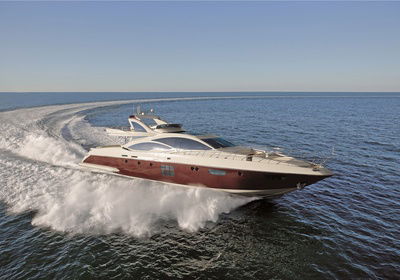

Images have been gathered from various sources and belong to their respective owners.
Review - Azimut Duke

MarineBroker
07/03/2024, 7:08 AM
2010 Azimut Duke: What Buyers and Owners Should Know Before Moving Forward
If you’re looking at a 2010 Azimut Duke, chances are you’re already drawn to the sleek Italian styling, the spacious layout, and the kind of onboard comfort that makes a yacht feel like a floating home. But once the excitement settles, a more practical question usually comes up: is this the right boat for your needs, and what should you watch out for before committing?
That’s the real challenge with a yacht like the 2010 Azimut Duke. Boats in this class can be fantastic, but age, maintenance history, and ownership costs matter just as much as the brand name. A well-kept example can still deliver a great experience, while a neglected one can quickly become expensive and stressful.
The good news is that most of the common concerns around a yacht like this can be managed with the right approach. If you know what to inspect, what to ask, and how to plan for ownership, you can make a much smarter decision and enjoy the boat far more confidently.
- What Makes the 2010 Azimut Duke Worth Considering?
The 2010 Azimut Duke sits in a sweet spot for many buyers who want luxury without jumping into brand-new pricing. Azimut has long been known for stylish European design, good use of space, and a premium onboard feel, and that reputation is a big part of the appeal here.
For many people, the attraction is not just the badge. It’s the overall experience:
- Elegant exterior styling
- Comfortable interior spaces
- Strong entertaining layout
- A yacht that feels refined rather than overly utilitarian
That said, older luxury yachts are rarely about “buy it and forget it.” They’re about buying the right one, then maintaining it properly. That’s especially true for a 2010 model, where condition matters more than age alone.
- The Main Problem Buyers Face with a 2010 Azimut Duke
The biggest issue for most interested buyers is uncertainty.
With a used yacht, especially one around this age, it’s hard to know whether you’re looking at a well-cared-for vessel or a boat that has been cosmetically refreshed to hide deeper problems. On the surface, two yachts may look similar. Underneath, one may need only routine service while the other may require major mechanical, electrical, or cosmetic work.
Common concerns include:
- Engine and generator condition
- Service records that are incomplete or missing
- Wear in upholstery, teak, and interior finishes
- Electrical system aging
- Water intrusion or hidden moisture damage
- Outdated electronics
- Higher-than-expected maintenance costs
So the real problem is not “Is the 2010 Azimut Duke a good yacht?” It’s “How do you tell whether this specific yacht is a good one?”
That’s where a structured buying and ownership approach becomes the solution.
- How to Evaluate a 2010 Azimut Duke the Smart Way
If you’re seriously considering this model, the best move is to treat the process like a full inspection project, not just a showing. A polished yacht can hide a lot, and the more complex the vessel, the more important it is to slow down.
Start with these core checks:
- Review the maintenance records
- Confirm engine hours and service intervals
- Inspect the generator and onboard systems
- Check for moisture, leaks, and signs of past repairs
- Test all electronics and navigation equipment
- Review the condition of soft goods, woodwork, and deck surfaces
If the seller cannot provide solid paperwork, that doesn’t automatically mean the boat is bad. But it does mean you need to be more cautious. A clean history with regular service is one of the strongest signs that the yacht has been cared for properly.
- Why Maintenance History Matters So Much
For a boat like the 2010 Azimut Duke, maintenance history is often more important than cosmetic condition.
A yacht can be polished, detailed, and staged beautifully for a viewing. But if the engines were not serviced on time, the generator has been neglected, or the AC system has been patched repeatedly, those issues can quickly turn into major expenses.
Look for:
- Annual engine servicing
- Impeller and belt replacement records
- Oil and coolant change documentation
- Generator maintenance logs
- Evidence of winterization or proper storage
- Records of haul-outs and bottom work
A well-documented boat usually tells a story of responsible ownership. That story is often worth more than a shiny finish.
- Common Issues to Watch for on an Older Luxury Yacht
Every used yacht has age-related wear, but some areas deserve extra attention on a 2010 Azimut Duke.
- Moisture and Water Intrusion
Water intrusion is one of the most expensive problems to deal with because it often spreads beyond the visible area. Check around windows, hatches, deck fittings, and interior corners for staining, soft spots, or odors.
- Electrical Wear
Older yachts can develop electrical gremlins over time. Corrosion, loose connections, and aging components may cause intermittent failures that are frustrating to trace.
- Interior Aging
Luxury finishes can look impressive, but they also show wear. Cabinet latches, upholstery seams, flooring, and trim can all need attention after years of use.
- Mechanical Fatigue
Even if engines are running well, age and hours matter. You want to know not just whether they start, but whether they have been maintained consistently and professionally.
- Outdated Electronics
Navigation systems evolve quickly. A yacht from 2010 may still be perfectly usable, but you may want to budget for updated chartplotters, radar, or audio systems.
- The Best Solution: Buy Based on Condition, Not Just Brand
The smartest way to approach a 2010 Azimut Duke is to focus on condition, not just reputation.
That means:
- Hiring a qualified marine surveyor
- Bringing in a mechanic to inspect propulsion and generators
- Testing all major onboard systems
- Budgeting for immediate post-purchase maintenance
- Setting aside funds for upgrades
This is especially important because many buyers underestimate the cost of making a used luxury yacht truly “ready.” Even a good boat may need minor fixes, routine replacement items, or cosmetic refreshes after purchase.
A practical rule is to assume you’ll spend something after closing, even if the survey looks favorable. That mindset helps avoid disappointment later.
- What a Good Survey Should Cover
A proper survey is one of the most valuable tools you have. It helps you see beyond the presentation and understand the real condition of the vessel.
A solid survey should cover:
- Hull and structural condition
- Moisture readings in key areas
- Engines and driveline components
- Generator operation
- Fuel, water, and waste systems
- Electrical panels and wiring
- Safety equipment
- Navigation and communication equipment
- Deck hardware and sealing
If the survey reveals small issues, that’s not necessarily a deal-breaker. In fact, most used yachts have some. The key is identifying whether the problems are routine maintenance items or signs of deeper neglect.
- How to Estimate Ownership Costs Realistically
One of the biggest mistakes buyers make is focusing only on purchase price.
With a yacht like the 2010 Azimut Duke, ownership costs can include:
- Dockage or marina fees
- Insurance
- Fuel
- Routine servicing
- Bottom cleaning and antifouling
- Winter storage or haul-out fees
- Parts replacement
- Cosmetic upkeep
- Electronics upgrades
Luxury yachts often require more than just occasional attention. They need steady care to stay enjoyable and reliable.
A good approach is to create a yearly budget before buying. That way, you’ll know whether the boat fits your lifestyle, not just your initial price range.
- Is the 2010 Azimut Duke Right for You?
This model can make sense for buyers who want a stylish, comfortable yacht and are prepared for responsible ownership. It may be a strong fit if you:
- Appreciate European design and layout
- Want a yacht with a premium feel
- Are comfortable with ongoing maintenance
- Plan to use the boat regularly
- Value a good balance of luxury and practicality
It may be less ideal if you want a low-maintenance boat with minimal upkeep. A used luxury yacht is usually not the easiest path for a first-time owner who wants simplicity above all else.
So the question is not just whether the yacht is appealing. It’s whether your expectations match the reality of owning a vessel in this category.
- Practical Tips for Buyers Looking at a 2010 Azimut Duke
If you’re in the market, here are a few simple ways to protect yourself:
1. Never skip the survey
Even if the yacht looks excellent, a professional inspection is essential.
2. Verify service records
Paperwork can reveal a lot about how the boat was treated.
3. Check for hidden water damage
This is one of the most important things to catch early.
4. Test everything underway if possible
Dockside checks are useful, but real operation tells you much more.
5. Budget for immediate improvements
A little financial cushion makes ownership much smoother.
6. Ask about storage history
Boats stored properly usually age better than boats left exposed.
7. Compare multiple examples
Seeing more than one yacht helps you spot what’s normal and what’s not.
- Why the Right 2010 Azimut Duke Can Still Be a Great Buy
A well-maintained 2010 Azimut Duke can still offer a lot of value. You get the styling, layout, and comfort that made the model appealing in the first place, without paying for a brand-new yacht.
For the right buyer, that’s a strong combination.
The key is not rushing the decision. Boats reward patience. The more careful you are upfront, the more likely you are to end up with a yacht that feels like a pleasure instead of a project.
In other words, the solution to the common “used yacht” problem is simple in principle, even if it takes effort in practice: inspect thoroughly, verify maintenance, and buy the best condition you can afford.
- Conclusion
The 2010 Azimut Duke can be a very attractive option for buyers who want a stylish, comfortable yacht with a premium feel. But like any used luxury boat, the real value depends on condition, service history, and how well the vessel has been maintained over time.
If you focus on the right inspection steps, check the records carefully, and plan for ownership costs realistically, you’ll put yourself in a much better position to make a confident decision. That approach helps you avoid expensive surprises and enjoy the boat for what it’s meant to be: a relaxing, rewarding experience on the water.
If you’re exploring this model further, take your time, compare examples, and lean on professional survey support before making a move.
Specifications
General
Boat Type: Power Boats
Class Type: Mega Yacht
Specifications
Length: 103.02
Beam: 23.29
Draft: 4.27
Hull Material: GRP
Build
First Built: 2010
Propulsion
Fuel Type: Diesel
Engines: 2
Power: 2434 HP
Brand: MTU
Accomodation
Cabins: 4
PROS & CONS
What we appreciated
 Sleek and modern Italian design with luxurious finishesSpacious cockpit and comfortable seating for entertainingGood performance with powerful engines for cruisingWell-appointed interior with quality materials and amenitiesAmple storage space and practical layout
What we didn’t appreciate
 Maintenance can be expensive due to luxury componentsLimited cabin headroom for taller individualsFuel consumption is relatively high with powerful enginesSmaller swim platform compared to newer modelsOlder electronics and navigation equipment may need upgrading
Upkeep Costs
Fuel: Approximately $15,000 - $25,000 per year depending on usage
Maintenance and Repairs: Around $5,000 - $10,000 annually
Insurance: Typically $1,500 - $3,000 per year
Docking and Storage: $3,000 - $7,000 annually depending on location
Miscellaneous (Cleaning, Registration, Equipment): $1,000 - $2,000 per year

Rating
8.1
User
Score
Score
Driveability
Technology
Interior
Design
Similar Boats


MarineBroker
Download now for an immersive boat experience like never before! ⛵✨ Your journey begins with a simple click. 🌊📲
#SetSailSmart #DownloadNow
#SetSailSmart #DownloadNow

Subscribe
Copyright 2017 - 2026, Marinebroker.net, All Rights Reserved