2007 Azimut Conundrum: What to Check, What Can Go Wrong, and How to Solve It
If you’re looking into a 2007 Azimut Conundrum, you’re probably doing one of two things: trying to buy one, or trying to figure out whether the one you ...
Discover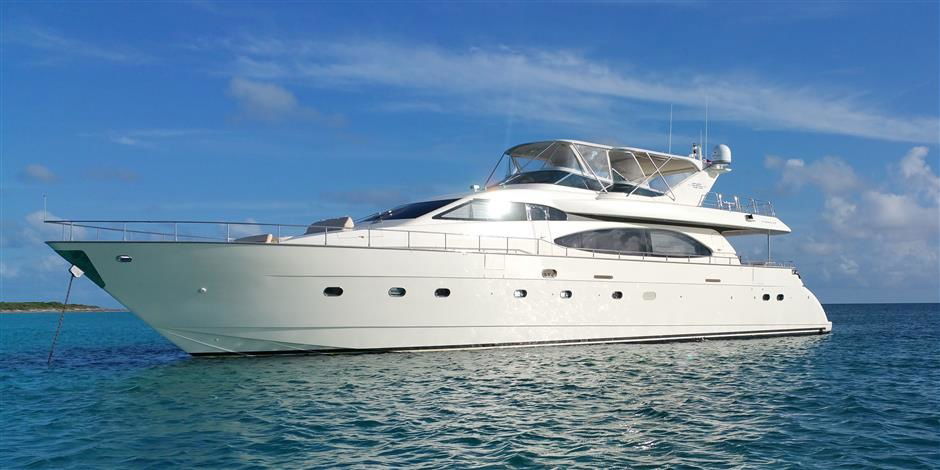


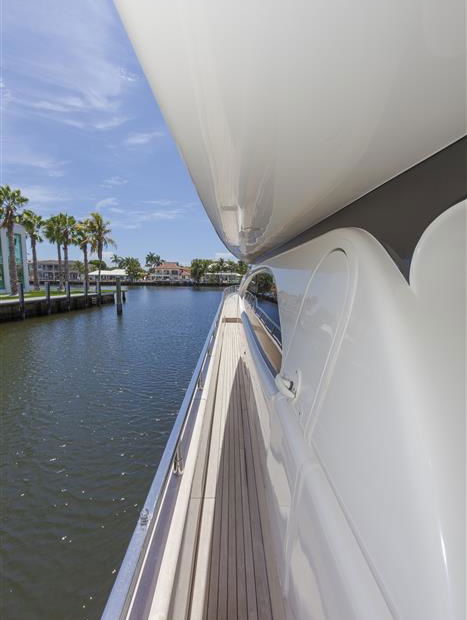
Images have been gathered from various sources and belong to their respective owners.
Review - Azimut Conundrum

MarineBroker
08/12/2024, 12:57 PM
2007 Azimut Conundrum: What to Check, What Can Go Wrong, and How to Solve It
If you’re looking into a 2007 Azimut Conundrum, you’re probably doing one of two things: trying to buy one, or trying to figure out whether the one you already have is a smart boat to keep. Either way, the same issue usually shows up pretty quickly: older luxury yachts can look fantastic on the surface, but hidden maintenance costs, aging systems, and model-specific wear can turn a dream purchase into a headache if you don’t know what to inspect.
That’s the real conundrum here. A 2007 Azimut can be a beautiful, capable yacht with serious appeal, but like many boats from that era, it may hide problems that aren’t obvious during a quick walk-through. Soft spots, outdated electronics, neglected service records, and engine or generator issues can all change the value fast.
The good news is that this is very manageable if you know what to look for. With the right inspection approach, a realistic budget, and a few smart checks, you can separate a solid yacht from an expensive project. Let’s break it down in a practical way.
- Why the 2007 Azimut Conundrum gets tricky
The phrase “2007 Azimut Conundrum” usually refers to the challenge of evaluating an older Azimut yacht from that model year. Azimut is known for stylish Italian design, strong performance, and luxury finishes, but boats from 2007 are now old enough that age-related issues matter just as much as brand reputation.
The main problem is that many buyers focus on appearance first. A yacht can have polished gelcoat, nice upholstery, and a clean salon, while still needing major work underneath.
Common reasons this becomes a problem:
- Deferred maintenance over many seasons
- Aging mechanical systems
- Water intrusion around windows, hatches, or deck hardware
- Electronics that are outdated or partly nonfunctional
- Repairs that were done cosmetically instead of properly
In other words, the boat might look ready to go, but the systems may tell a different story.
- What makes a 2007 Azimut worth considering
Despite the risks, a 2007 Azimut can still be a very good boat if it has been cared for correctly. These yachts often offer strong layout design, good ride comfort, and a premium feel that still holds up today.
For many buyers, the attraction is simple:
- Spacious interior layouts
- Attractive exterior styling
- Strong cruising comfort
- Good resale appeal when maintained well
The key is not to assume all examples are equal. Two boats of the same year can be completely different in condition depending on how they were used and serviced.
A lightly used yacht with full records can be far more attractive than a newer-looking one that has been sitting neglected.
- The biggest problem: hidden maintenance debt
The most common issue with a 2007 Azimut Conundrum is what I’d call “maintenance debt.” That means the boat may have skipped important service over time, and now several systems are due at once.
This is especially common with older luxury yachts because owners often spend on visible upgrades but postpone costly mechanical work.
Examples of maintenance debt include:
- Engine service intervals missed
- Generator service ignored
- Air conditioning not fully maintained
- Seacocks, hoses, and clamps aging out
- Batteries and chargers near the end of life
- Canvas, seals, and trim needing replacement
This adds up fast. A boat that seems affordable at purchase can become expensive within the first season if the basics haven’t been addressed.
The solution is simple, though not always cheap: inspect everything before buying, and assume some systems will need immediate attention even if they are “working.”
- What to inspect first on a 2007 Azimut
If you’re evaluating a 2007 Azimut, start with the systems that cost the most when they fail.
- Engines and engine room
This is the biggest one. Check for:
- Oil leaks
- Coolant leaks
- Corrosion on fittings
- Dirty or neglected engine-room conditions
- Non-original modifications
- Uneven engine hours between port and starboard sides
A clean engine room is not proof of good maintenance, but a dirty one is usually a warning sign.
Ask for:
- Full service records
- Oil analysis if available
- Recent impeller, belt, filter, and coolant service
- Any history of overheating or alarm events
If the seller can’t provide records, budget as if major service is due.
- Generator
Generators are often overlooked until they fail. On a yacht like this, the generator should be tested under load.
Check:
- Start-up behavior
- Smoke
- Noise and vibration
- Cooling water flow
- Service history
- Hours and age
If the generator is original or heavily used, replacement or rebuild costs can be significant.
- Electrical systems
Older yachts often develop electrical quirks. Look for:
- Corroded terminals
- Non-working gauges or switches
- Flickering lights
- Evidence of amateur wiring changes
- Battery bank age
- Charger and inverter condition
Electrical issues are frustrating because they can be intermittent. One day everything works, the next day a hidden connection causes trouble.
- Hull and deck
The hull may look great, but inspect carefully for:
- Stress cracks
- Osmosis or blistering
- Repairs that don’t match surrounding gelcoat
- Soft spots around fittings
- Signs of impact or grounding
On the deck, check around:
- Cleats
- Handrails
- Hatches
- Windlass area
- Window frames
- Rails and stanchions
Water intrusion often starts small and spreads slowly.
- Interior moisture and odor
A luxury yacht should not smell musty. If it does, investigate.
Warning signs include:
- Damp carpet or flooring
- Delamination
- Stained headliners
- Mold in lockers
- Soft bulkheads
- Condensation around windows
Moisture problems can be expensive because they affect both structure and cosmetics.
- The 2007 Azimut Conundrum and common buyer mistakes
A lot of buyers make the same mistakes when shopping older yachts. Avoiding these can save you a lot of money.
- Falling in love with the finish
A polished salon and fresh cushions can hide serious mechanical problems. Cosmetics matter, but they should never be the deciding factor.
- Ignoring service records
A boat without records is not automatically bad, but it should be treated as higher risk. Paperwork tells you how the previous owner treated the yacht.
- Skipping a proper survey
A basic walk-through is not enough. You need a marine surveyor and, ideally, separate mechanical inspections for engines and generator.
- Underestimating refit costs
Even a “good” used yacht may need:
- New batteries
- Electronics updates
- Upholstery work
- AC servicing
- Pump replacements
- Safety gear updates
These are normal, but they add up.
- Not budgeting for first-season fixes
A smart buyer sets aside money for immediate work after closing. That’s not pessimism. It’s realistic ownership planning.
- How to solve the 2007 Azimut Conundrum before buying
The best solution is a structured evaluation process. You do not need to be an expert in every system, but you do need a disciplined approach.
- Step 1: Get a full survey
Hire a qualified marine surveyor who knows larger express cruisers or motor yachts. The survey should cover:
- Hull and structure
- Deck and fittings
- Safety equipment
- General systems
- Moisture concerns
- Sea trial observations
A survey is your first line of defense against expensive surprises.
- Step 2: Add mechanical inspection
For a yacht like this, engine and generator checks should be more than casual. Have a technician inspect:
- Compression or diagnostic data if appropriate
- Cooling systems
- Fluids
- Belts and hoses
- Exhaust system
- Mounts and alignment
This is where many hidden problems show up.
- Step 3: Review logs and receipts
Ask for:
- Annual service records
- Winterization/decommissioning records
- Haul-out history
- Bottom paint records
- Any major repair invoices
Receipts matter because they show whether the boat was maintained consistently or only when something broke.
- Step 4: Sea trial the boat properly
A dockside start is not enough. During the sea trial, pay attention to:
- Engine temperature stability
- Acceleration
- Steering response
- Vibrations
- Trim behavior
- Noise levels
- Electronics under way
A boat can behave beautifully at idle and reveal problems at cruising speed.
- Step 5: Build a repair budget before closing
This is one of the smartest things a buyer can do. Estimate what you’ll need to spend in the first 12 months.
Typical first-year items may include:
- Full fluid and filter service
- Batteries
- Safety gear replacement
- Pump servicing
- Canvas or upholstery repairs
- Electronics updates
- Detail work and corrosion cleanup
If the estimated total makes the deal unattractive, that’s useful information, not a failure.
- If you already own one: practical ways to reduce risk
If the 2007 Azimut Conundrum is already your boat, the solution is ongoing prevention. Older yachts stay reliable when maintenance becomes routine instead of reactive.
Focus on these habits:
- Keep a detailed maintenance log
- Run engines and generator regularly
- Fix small leaks immediately
- Inspect hoses, clamps, and seals every season
- Flush and service AC systems
- Test bilge pumps and alarms
- Clean and protect electrical connections
- Keep moisture under control with ventilation and dehumidification
A lot of expensive boat problems start as small, boring ones. Catching them early is the win.
- Signs the boat may be a good buy
Not every 2007 Azimut is a project. Some are genuinely solid and worth pursuing.
Positive signs include:
- Complete service records
- Clean engine room
- Consistent engine hours
- Evidence of recent upgrades
- Dry bilges
- No strong mold or fuel odors
- Working electronics and systems
- Honest seller who can explain maintenance history
A well-documented boat usually tells its story quickly. If the story is consistent, that’s a strong sign.
- Signs you should walk away
Sometimes the best solution is not to buy.
Consider walking away if you find:
- Major structural moisture issues
- Repeated engine overheating
- Severe corrosion in critical areas
- Evidence of flood damage
- Missing records plus visible neglect
- Multiple systems failing at once
- Seller unwilling to allow full inspection
One or two repair items are normal. A long list of unresolved issues can turn into a full refit.
- How the 2007 Azimut Conundrum affects value
Condition matters more than model year once a yacht reaches this age. A well-kept 2007 Azimut may be worth significantly more than a neglected example because the cost to bring a poor boat back up can be huge.
That means the real value equation is:
Purchase price + survey findings + immediate repairs + ongoing maintenance
A lower asking price is not always a bargain if the repair list is long.
This is why buyers should compare not just listing price, but total ownership cost.
- Practical checklist before you commit
Here’s a simple pre-purchase checklist:
- Review service records
- Inspect engine room carefully
- Sea trial the boat
- Hire a marine surveyor
- Test generator under load
- Check for moisture and odor
- Confirm electronics and navigation gear
- Estimate first-year maintenance costs
- Verify title, documentation, and lien status
If most of these boxes are checked, you’re in much better shape.
- Final thoughts on the 2007 Azimut Conundrum
The 2007 Azimut Conundrum is really about balancing beauty, age, and maintenance reality. These yachts can still be excellent boats, but only if you approach them with a clear plan and realistic expectations. The smartest buyers don’t just ask, “Does it look good?” They ask, “What has been maintained, what hasn’t, and what will it cost to make it right?”
If you inspect carefully, review records, and budget for first-season work, you can avoid most of the common traps. That’s the practical solution: treat the boat like the complex machine it is, not just a luxury item. If you want to go deeper, a qualified surveyor and experienced marine mechanic are your best next steps.
Specifications
General
Boat Type: Power Boats
Class Type: Mega Yacht
Specifications
Length: 84.97
Beam: 21.65
Draft: 5.91
Hull Material: GRP
Build
First Built: 2007
Propulsion
Fuel Type: Diesel
Engines: 2
Power: 0 HP
Brand: Unknown
Accomodation
Cabins: 4
PROS & CONS
What we appreciated
 Luxurious Italian design with sleek, stylish appearanceSpacious interior with high-quality materials and craftsmanshipPowerful engines providing good speed and performanceWell-equipped with modern amenities and electronics for comfortGood handling and stability for a yacht of its size
What we didn’t appreciate
 Maintenance and repair costs can be high due to luxury componentsFuel consumption is relatively high, impacting operating costsOlder model, so some systems and electronics may be outdatedLimited availability of parts specific to the 2007 Azimut ConundrumRequires experienced crew for optimal operation and upkeep
Upkeep Costs
Annual insurance: $2,000 - $5,000
Docking and marina fees: $5,000 - $15,000 per year
Fuel costs: $10,000 - $20,000 per year (depending on usage)
Maintenance and repairs: $8,000 - $15,000 per year
Winter storage and shrink wrapping: $1,500 - $3,500 per year

Rating
7.8
User
Score
Score
Driveability
Technology
Interior
Design
Similar Boats


MarineBroker
Download now for an immersive boat experience like never before! ⛵✨ Your journey begins with a simple click. 🌊📲
#SetSailSmart #DownloadNow
#SetSailSmart #DownloadNow

Subscribe
Copyright 2017 - 2026, Marinebroker.net, All Rights Reserved