Boat Type: Power Boats
Boat Class: Mega Yacht
Length: 77.43 ft
Berths: 6
Cabins: 4
Bathrooms: 3
Max Persons: 8
Boat Database » Sanlorenzo Solal
Sanlorenzo Solal
Inboard Direct-Drive, Diesel, 2x 1400 HP
Power Boats 2000 Sanlorenzo Solal: What Buyers and Enthusiasts Should Know Before Exploring This Yacht
If you’ve been searching for the 2000 Sanlorenzo Solal, chances are you’re trying to answer a pretty common question: *what makes this yac...
Discover
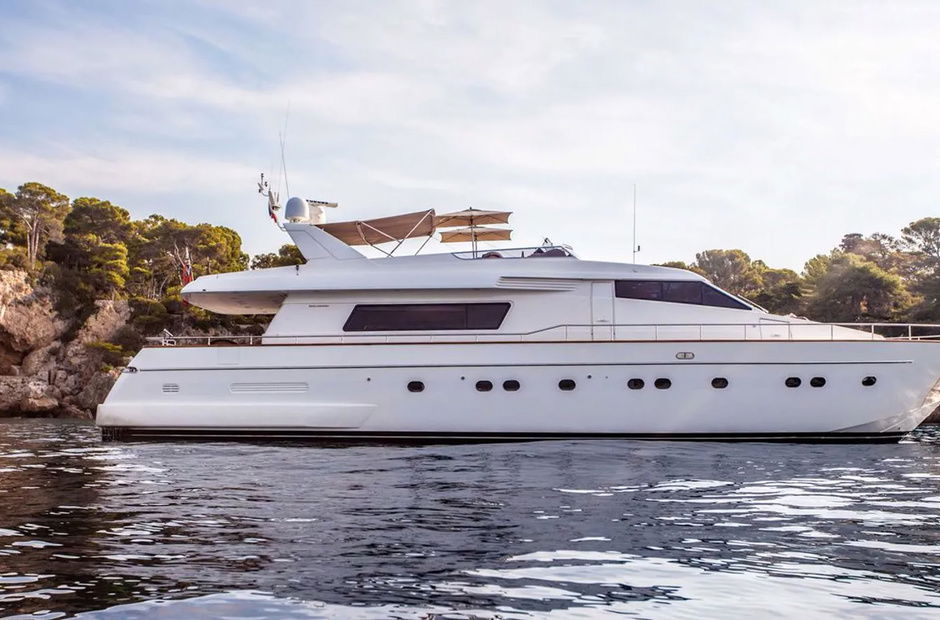
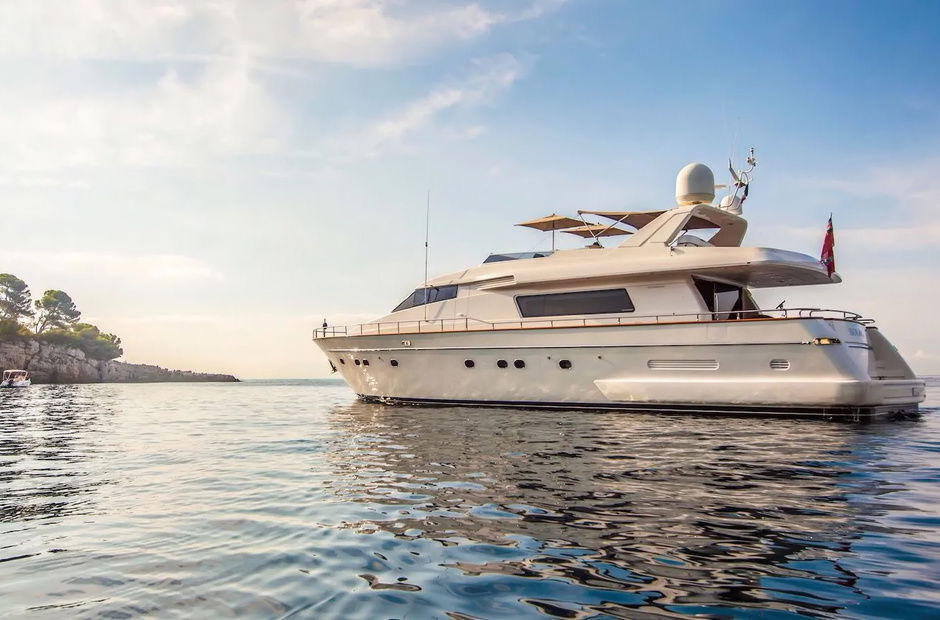
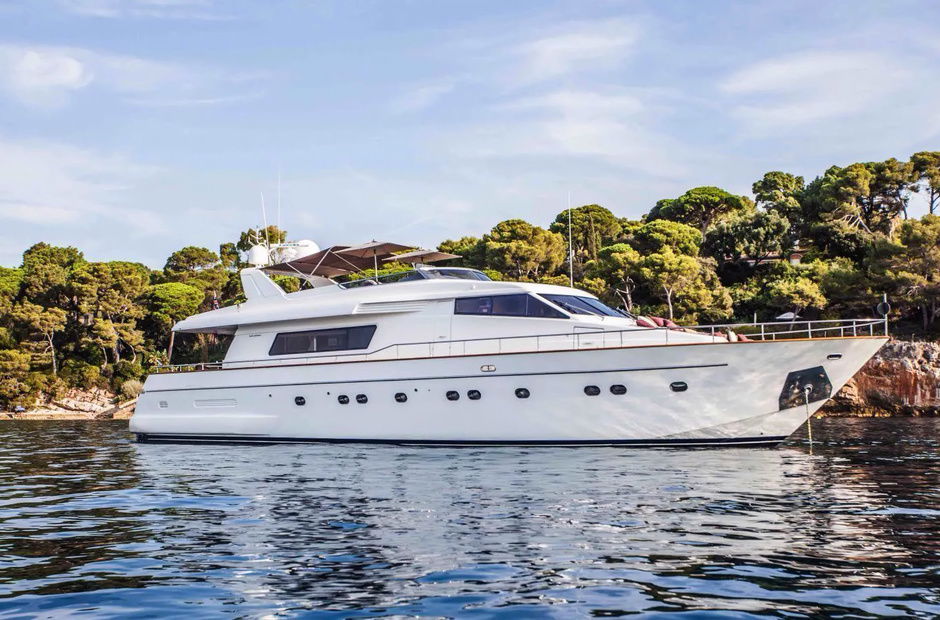
Images have been gathered from various sources and belong to their respective owners.
Review - Sanlorenzo Solal

MarineBroker
01/01/2024, 5:10 AM
2000 Sanlorenzo Solal: What Buyers and Enthusiasts Should Know Before Exploring This Yacht
If you’ve been searching for the 2000 Sanlorenzo Solal, chances are you’re trying to answer a pretty common question: *what makes this yacht worth paying attention to, and how do you judge whether it’s the right fit?* That’s a smart place to start. Boats and yachts from this era can be excellent opportunities, but they also come with a few realities that are easy to overlook if you’re only looking at photos, basic specs, or a polished listing.
The challenge is simple: older luxury yachts can vary a lot in condition, maintenance history, onboard systems, and long-term operating costs. Two yachts that look similar on paper may feel completely different once you step aboard. That’s especially true with a vessel like the 2000 Sanlorenzo Solal, where craftsmanship, layout, and upkeep all matter as much as the brand name.
The good news? With the right approach, you can evaluate this yacht confidently and avoid expensive surprises. In this article, we’ll break down what to look for, what questions to ask, and how to decide whether the 2000 Sanlorenzo Solal is a practical and rewarding choice.
- What Makes the 2000 Sanlorenzo Solal Interesting?
Sanlorenzo has long been known for building elegant, custom-style yachts with a strong reputation for craftsmanship and interior quality. A 2000 model from this yard often appeals to buyers who want classic styling, solid build quality, and a layout designed for comfortable cruising rather than just short-term showpiece ownership.
The 2000 Sanlorenzo Solal stands out because yachts like this tend to offer a balance of prestige and livability. For many enthusiasts, that’s the sweet spot. You get the character of an early-2000s luxury yacht, but with the potential for more approachable pricing than newer models.
That said, the real value of a yacht like this is not just in the name. It’s in how well the boat has been maintained, how its systems have aged, and whether it still matches your intended use.
- The Main Problem Buyers Face With Older Luxury Yachts
The biggest issue with yachts from 2000 is not usually the design itself. It’s uncertainty.
When people look at an older yacht, they often focus on the visible features:
- the woodwork
- the cabin layout
- the flybridge or deck space
- the brand reputation
But the hidden side matters more:
- engine condition
- generator hours
- electrical systems
- plumbing and sanitation
- electronics and navigation equipment
- signs of moisture, corrosion, or structural wear
This is where many buyers get caught out. A yacht may appear beautifully kept, yet still need significant investment to become reliable and comfortable for regular use.
For the 2000 Sanlorenzo Solal, the problem is not “is it a good yacht?” The real question is: *is this specific yacht in good enough condition to justify the purchase and ongoing ownership costs?*
- How to Evaluate the 2000 Sanlorenzo Solal the Right Way
If you’re seriously considering a yacht like this, the best solution is to evaluate it like a boating professional, not just a shopper. That means looking beyond the listing and focusing on three things: condition, usage, and cost.
Here’s a practical framework.
- 1. Start With the Maintenance History
Maintenance history is one of the strongest indicators of how a yacht will perform after purchase. A well-documented service record tells you the owner likely took care of the boat consistently, not just cosmetically.
Look for:
- engine service logs
- generator service records
- haul-out and bottom maintenance history
- upgrades to navigation or safety systems
- invoices for major repairs
- evidence of winterization or seasonal care
If records are incomplete, that doesn’t automatically mean the yacht is a bad option. But it does mean you should be more cautious and budget for a deeper survey.
- 2. Check the Engines and Mechanical Systems
On an older yacht, engines can make or break the deal. Even if the hull and interior are in good shape, a tired propulsion system can quickly turn an attractive purchase into a costly one.
Ask about:
- engine hours
- recent servicing
- oil analysis, if available
- cooling system condition
- shaft, propeller, and seal wear
- vibration or unusual noise under load
A sea trial is especially important. Some issues only show up when the yacht is operating normally, not while it’s tied to the dock.
- 3. Inspect the Electrical and Onboard Systems
Older yachts often need updates in the electrical department. Over time, wiring, batteries, chargers, and control panels can age in ways that aren’t visible at first glance.
Pay attention to:
- battery bank condition
- inverter and charger setup
- AC/DC panel organization
- navigation electronics
- lighting and control systems
- bilge alarms and pumps
A clean, well-labeled electrical system is usually a good sign. A messy or heavily modified one may indicate years of patchwork repairs.
- 4. Look for Moisture and Structural Concerns
Water intrusion is one of the most expensive problems in any yacht. It can affect decks, bulkheads, cabins, and hidden spaces long before it becomes obvious.
Check for:
- soft spots underfoot
- staining around windows or hatches
- musty odors in cabins or lockers
- corrosion around fittings
- delamination or cracks
- evidence of repeated leaks
A marine surveyor can help identify these issues early. For an older yacht, that step is absolutely worth it.
- 5. Understand How the Yacht Has Been Used
A yacht that has been lightly used but poorly maintained can be riskier than one that’s been actively and properly cared for. Usage tells you a lot.
For example:
- A yacht used regularly on short local trips may have more engine cycling and wear on systems.
- A yacht used seasonally with proper maintenance may be in better overall shape.
- A charter-registered yacht may have higher wear, but sometimes better service discipline.
The point is not to judge usage as good or bad. It’s to understand what kind of life the yacht has lived.
- Why the Sanlorenzo Name Still Matters
Sanlorenzo has a strong reputation in the luxury yacht world because the brand has traditionally focused on quality, customization, and refined design. That reputation matters when you’re comparing older yachts from different builders.
With a 2000 Sanlorenzo Solal, the brand can be a useful starting point because it suggests:
- thoughtful interior layout
- better-than-average finish quality
- strong owner appeal
- long-term recognition in the brokerage market
Still, brand reputation should never replace a proper inspection. A premium yacht that has been neglected can cost more to restore than a less famous boat in excellent condition.
- What Buyers Should Expect From a 2000 Yacht
Buying a yacht from 2000 means accepting that some components may be original, partially updated, or nearing the end of their service life. That’s normal. The key is knowing what to expect so you can plan properly.
Common areas that may need attention include:
- upholstery and soft furnishings
- electronics and displays
- air conditioning systems
- pumps and valves
- teak decking or exterior woodwork
- paint or gelcoat touch-ups
- interior lighting and appliances
If the yacht has already had major upgrades, that can be a big advantage. But if not, factor those items into your budget before you fall in love with the layout.
- Practical Tips for a Safer Purchase Decision
Here are a few simple ways to reduce risk when evaluating the 2000 Sanlorenzo Solal or any similar yacht.
- Hire the right survey team
Use a qualified marine surveyor and, if possible, a separate engine specialist. One person can’t always catch everything.
- Sea trial the yacht
A dockside inspection is useful, but a sea trial reveals how the yacht behaves under real conditions.
- Ask for recent invoices
Recent work is more useful than vague assurances. Paper trails matter.
- Budget for immediate upgrades
Even a good yacht may need new batteries, safety gear, servicing, or electronics updates soon after purchase.
- Compare against similar yachts
Don’t evaluate one yacht in isolation. Compare condition, equipment, and maintenance history against other boats in the same size and age range.
- Think about your intended use
A yacht ideal for weekend cruising may not be the best fit for long-range family trips or entertaining guests regularly.
- Signs the Yacht Could Be a Good Fit
A well-kept yacht from this era can be a very satisfying ownership experience. The 2000 Sanlorenzo Solal may be worth serious consideration if it shows the following signs:
- consistent maintenance records
- clean engine-room presentation
- updated or functional electronics
- dry interior spaces with no signs of water intrusion
- recent servicing on critical systems
- a layout that matches your cruising style
When those boxes are checked, an older yacht can deliver a lot of value. You may get a more distinctive design and a more spacious feel than many newer boats in the same budget range.
- When to Walk Away or Renegotiate
Sometimes the smartest move is not to buy, or to renegotiate based on survey findings.
Be careful if you find:
- major engine wear with no recent service history
- repeated leaks or unresolved moisture issues
- outdated systems that will require immediate large-scale replacement
- poor documentation
- signs of cosmetic cover-ups hiding deeper problems
If the yacht needs significant work, that doesn’t always mean “no.” It may simply mean the asking price should reflect the real cost of bringing it up to standard.
A good rule of thumb: if the repairs start to approach the value of a better-maintained alternative, it’s time to pause and compare options.
- Ownership Costs to Keep in Mind
A yacht is never just a purchase price. Ongoing costs are part of the reality, especially for older luxury vessels.
Typical ownership expenses may include:
- annual servicing
- docking or marina fees
- insurance
- fuel
- haul-outs and bottom work
- cleaning and detailing
- system replacements over time
- crew costs, if applicable
For a yacht like the 2000 Sanlorenzo Solal, the smartest buyers are the ones who plan beyond the sale. If you budget realistically, ownership becomes much more enjoyable and far less stressful.
- Why This Yacht Can Still Make Sense Today
Not every older yacht is a compromise. In many cases, a well-maintained model from 2000 offers a strong combination of character, craftsmanship, and value.
The appeal of the 2000 Sanlorenzo Solal is that it may give you:
- classic luxury yacht styling
- a respected builder name
- a comfortable onboard experience
- potentially better value than a newer equivalent
- room to personalize or upgrade over time
For the right buyer, that’s a compelling package. The key is patience and due diligence. You’re not just buying a yacht; you’re buying its history.
- Conclusion
The 2000 Sanlorenzo Solal can be an appealing option for buyers who appreciate classic yacht design, quality craftsmanship, and a more considered ownership experience. But like any older luxury yacht, its true value depends on condition, maintenance, and how well it fits your plans.
The smartest approach is to inspect carefully, review records, sea trial the boat, and budget for possible updates. If everything checks out, you may find a yacht that offers real enjoyment and strong long-term satisfaction. If you’re still comparing options, take your time and gather as much information as possible before making a move. A little extra research now can save a lot of money and stress later.
Specifications
General
Boat Type: Power Boats
Class Type: Mega Yacht
Specifications
Length: 77.43
Beam: 20.67
Draft: 5.91
Hull Material: GRP
Build
First Built: 2000
Propulsion
Fuel Type: Diesel
Engines: 2
Power: 1400 HP
Brand: Caterpillar
Accomodation
Berths: 6
Cabins: 4
Bathrooms: 3
PROS & CONS
What we appreciated
 Classic and elegant Italian designSpacious and comfortable interior layoutGood build quality and craftsmanshipReliable performance with well-maintained enginesSuitable for both coastal cruising and longer trips
What we didn’t appreciate
 Older model may require more maintenanceLimited availability of modern onboard technologyFuel consumption can be relatively highParts and service might be costly due to brand premiumSmaller resale market compared to more common brands
Upkeep Costs
Annual maintenance: $10,000 - $15,000
Fuel: $20,000 - $30,000 per year (depending on usage)
Insurance: $5,000 - $8,000 per year
Docking and marina fees: $10,000 - $20,000 per year
Crew salaries (if applicable): $50,000 - $100,000 per year
Rating
7.0
User
Score
Score
Driveability
Technology
Interior
Design
Similar Boats


MarineBroker
Download now for an immersive boat experience like never before! ⛵✨ Your journey begins with a simple click. 🌊📲
#SetSailSmart #DownloadNow
#SetSailSmart #DownloadNow

Subscribe
Copyright 2017 - 2026, Marinebroker.net, All Rights Reserved