1988 Azimut Runaway: What Owners Need to Know Before Buying, Restoring, or Maintaining One
If you’re looking at a 1988 Azimut Runaway, chances are you’re already drawn to the classic Italian styling, the solid presence, and the k...
Discover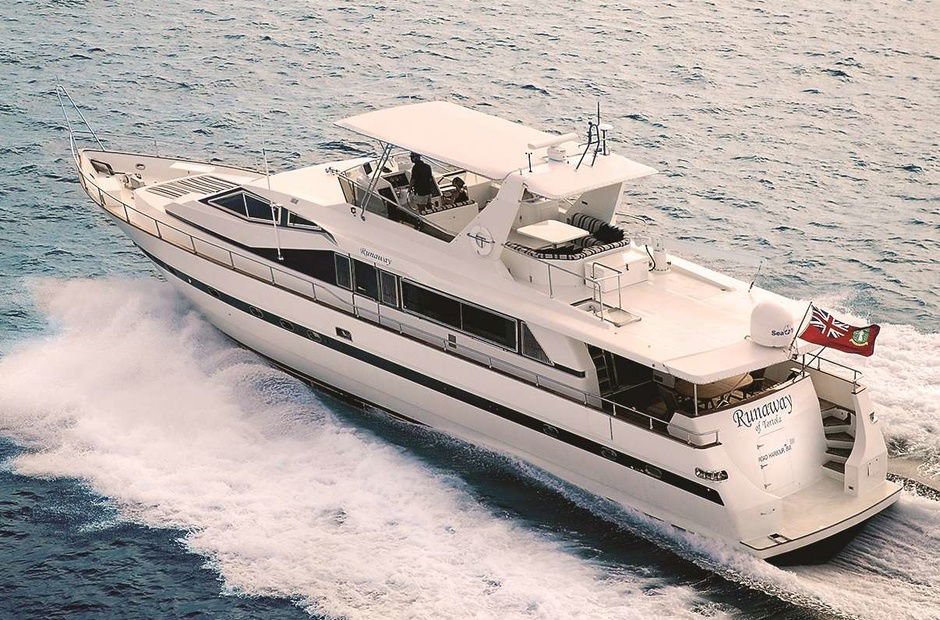
Images have been gathered from various sources and belong to their respective owners.
Review - Azimut Runaway

MarineBroker
08/12/2024, 1:08 PM
1988 Azimut Runaway: What Owners Need to Know Before Buying, Restoring, or Maintaining One
If you’re looking at a 1988 Azimut Runaway, chances are you’re already drawn to the classic Italian styling, the solid presence, and the kind of character older yachts seem to have in spades. Boats from this era can be incredibly rewarding, but they also come with a few common headaches that newer buyers sometimes underestimate.
The biggest challenge with a boat like the 1988 Azimut Runaway is not usually the hull itself. It’s everything around it: aging systems, outdated wiring, tired upholstery, old plumbing, and the possibility of hidden maintenance costs that can add up fast. For many people, the real problem is figuring out whether they’re looking at a great value or a money pit.
The good news? With the right inspection approach, a realistic maintenance plan, and a clear understanding of what to check first, an older Azimut can still be a very enjoyable boat. This article breaks down the most common issues, what to look for, and how to approach ownership in a smart, stress-free way.
- Why the 1988 Azimut Runaway Still Appeals to Buyers
Older Azimut yachts have a certain charm that’s hard to fake. They were built during a time when design focused heavily on style, comfort, and a strong on-water presence.
For many buyers, the appeal comes down to a few things:
- Classic Italian lines that still look good today
- Spacious layouts compared with similarly sized boats
- Solid cruising comfort for weekend trips or coastal use
- Potential value if the boat has been well cared for
That said, buying an older yacht is never just about looks. A boat from 1988 may have been maintained beautifully, or it may have been patched together over decades of use. That’s why the real skill is learning how to separate cosmetic appeal from mechanical reality.
- The Main Problem with a 1988 Azimut Runaway
The biggest issue with older yachts is usually not one dramatic failure. It’s the accumulation of age-related wear across multiple systems.
Here’s what commonly creates trouble:
- Deferred maintenance
- Aging engines or drivetrain components
- Electrical systems that no longer meet modern standards
- Water intrusion in decks, windows, or fittings
- Outdated electronics and navigation gear
- Interior wear that looks minor but hides bigger issues
A boat can appear clean and attractive on the surface while still needing serious work underneath. That’s why the smartest buyers focus less on “does it look good?” and more on “what will it take to keep it reliable?”
- What to Inspect First on the 1988 Azimut Runaway
If you’re considering this model, start with the systems that are most expensive to repair. These are the areas that can quickly turn a good deal into an expensive project.
- Hull and structural condition
Check for signs of osmosis, blistering, stress cracks, and repairs around high-load areas. Look closely at the transom, stringers, and around through-hulls.
Older fiberglass boats can last a long time, but only if the structure remains sound. A clean hull is nice, but hidden moisture or structural weakness matters much more.
- Engines and propulsion
Engine condition is one of the biggest deciding factors on any older yacht. Ask for service records, oil analysis if available, and a recent sea trial.
Watch for:
- Hard starting
- Excessive smoke
- Overheating
- Unusual vibration
- Leaks around seals or hoses
If the boat has been sitting, expect more than just routine service. Fuel systems, cooling components, and hoses may all need attention.
- Electrical system
Boats from the late 1980s often have electrical setups that were fine for their time but are not ideal today. Corrosion, aging breakers, old batteries, and messy wiring are all common.
Look for:
- Corroded terminals
- Non-standard wiring repairs
- Overloaded circuits
- Aging battery banks
- Poor labeling or lack of documentation
Electrical issues can be frustrating because they often create small, repeating problems that are hard to trace.
- Plumbing and tanks
Freshwater, wastewater, and fuel systems all age in their own way. Hoses harden, tanks corrode, and fittings loosen over time.
Pay attention to:
- Odors around the cabin or bilge
- Slow drains
- Leaks under sinks or near heads
- Rust around tanks or fittings
- Weak water pressure
These may seem minor, but they can signal broader maintenance neglect.
- Interior and cosmetic condition
A lot of buyers focus on the interior because it’s what they see first. That’s understandable, but upholstery and cabinetry are easier to refresh than engines or structure.
Still, interior condition can tell you a lot about how the boat was cared for overall. Peeling veneer, mold, soft flooring, or a musty smell often point to moisture problems.
- Common Issues on Older Azimut Yachts
The 1988 Azimut Runaway may vary depending on how it was used and maintained, but older Azimut yachts often share a few familiar concerns.
- Moisture intrusion
Water is the enemy of any older boat. Leaky deck fittings, old windows, and aging seals can let water into places you don’t want it.
Over time, that can lead to:
- Rot in cabinetry or subfloors
- Corrosion in electrical systems
- Damaged insulation
- Mold and mildew
A moisture meter and a careful visual inspection are worth their weight in gold.
- Aging hardware and fittings
Stainless steel can still look decent even when the backing plates or fasteners beneath it are failing. Rails, cleats, hatches, and stanchions should all be checked carefully.
If hardware moves when it shouldn’t, that’s a warning sign.
- Outdated systems
Even if systems still work, they may be well past their best years. Older electronics, original gauges, and old AC/DC components may not give you the reliability you want.
This is especially important if you plan to cruise often or take longer trips. Reliability matters more than nostalgia when you’re offshore or far from a service yard.
- Expense creep
The most common financial problem with a boat like this is not a single major repair. It’s a long list of smaller fixes that keep showing up.
Examples include:
- Hoses
- Pumps
- Batteries
- Lights
- Switches
- Seals
- Filters
- Upholstery repairs
Individually, these may seem manageable. Together, they can change the economics of ownership fast.
- How to Judge Whether the 1988 Azimut Runaway Is Worth It
The best way to evaluate an older yacht is to separate “needs work” from “needs everything.”
A boat is usually a better candidate if:
- The hull and structure are sound
- The engines have service history
- The wiring is tidy and functional
- There is evidence of consistent ownership
- Major systems are operational
- The asking price reflects age and condition
A boat becomes risky when:
- There are no maintenance records
- The bilge is dirty and neglected
- The boat has obvious water damage
- The engines haven’t been run regularly
- Systems appear patched together
- The seller can’t explain known issues clearly
If you’re unsure, spend the money on a proper marine survey and engine survey. That step often saves far more than it costs.
- Practical Solution: A Smart Inspection and Ownership Plan
The best solution for anyone interested in a 1988 Azimut Runaway is to approach it like a project with categories, not a single yes-or-no decision.
- Step 1: Get a full survey
A qualified marine surveyor can identify structural, moisture, and safety concerns that casual buyers miss. If the boat has diesel engines, a separate engine mechanic inspection is a smart move too.
Ask for attention to:
- Hull integrity
- Moisture readings
- Engine compression or running condition
- Electrical safety
- Fuel system condition
- Steering and control systems
- Step 2: Build a repair priority list
Not every issue needs to be fixed immediately. Rank items as:
1. Safety-critical
2. Reliability-critical
3. Comfort-related
4. Cosmetic
That keeps you from spending too much on upholstery before dealing with hoses, pumps, or wiring.
- Step 3: Budget beyond the purchase price
A common mistake is buying an older yacht and assuming the purchase price is the main cost. It usually isn’t.
A realistic budget should include:
- Survey fees
- Immediate repairs
- Annual maintenance
- Dockage or storage
- Insurance
- Unexpected breakdown reserve
For older boats, that reserve is especially important. Even a well-kept boat can surprise you.
- Step 4: Focus on systems that affect use
If your goal is weekend cruising, prioritize the systems that make the boat usable and safe. That usually means:
- Engines
- Batteries
- Charging systems
- Cooling systems
- Pumps
- Navigation basics
- Bilge management
You can live with older decor. You can’t enjoy a boat that won’t start or keeps taking on water.
- Step 5: Keep a maintenance log
Once you own an older boat, documentation becomes part of the value. Keep records of:
- Oil changes
- Filter replacements
- Battery dates
- Repairs
- Parts used
- Survey findings
This helps with troubleshooting, resale, and avoiding duplicate work later.
- Maintenance Tips That Make a Big Difference
If you already own a 1988 Azimut Runaway, or you’re planning to, a few habits can dramatically improve reliability.
- Run the boat regularly
Boats that sit tend to deteriorate faster. Regular use helps keep systems moving and can reveal problems before they become serious.
- Stay ahead of corrosion
Saltwater and age are a rough combination. Inspect terminals, clamps, and metal fittings often. Use corrosion protection where appropriate and replace compromised parts early.
- Check bilges often
A clean bilge is one of the best signs of a well-kept boat. It also helps you spot leaks quickly.
Look for:
- Oil
- Fuel sheen
- Standing water
- Loose hoses
- Pump issues
- Replace old hoses and clamps proactively
A hose that “still looks okay” may still be at the end of its life. This is one of those boring upgrades that prevents big headaches later.
- Don’t ignore smells
A musty cabin, fuel odor, or sewage smell is rarely just cosmetic. It usually points to a system that needs attention.
- Why Older Boats Can Still Be a Great Choice
There’s a reason people keep coming back to classic yachts. When they’re in good condition, older boats can offer a lot of value.
You may get:
- More space for the money
- A more distinctive look
- A comfortable layout
- A boat with character and history
- Lower purchase price than a newer equivalent
The tradeoff is that you need to be more hands-on. If you enjoy learning your boat and staying on top of maintenance, that can actually be part of the fun.
- Who Should Consider the 1988 Azimut Runaway
This kind of boat can make sense for the right buyer.
It may be a good fit if you:
- Appreciate classic yacht design
- Are comfortable with ongoing maintenance
- Have a realistic repair budget
- Want a project with potential
- Plan to use the boat locally or regionally
It may not be ideal if you:
- Want turnkey reliability with minimal upkeep
- Have no interest in systems maintenance
- Need the latest electronics and amenities
- Prefer predictable operating costs
Being honest about your expectations is the best way to avoid regret later.
- Final Thoughts on Buying and Owning a 1988 Azimut Runaway
The 1988 Azimut Runaway can be a rewarding boat if you go in with open eyes. Like many older yachts, its value depends less on the badge and more on the condition of the hull, engines, wiring, and maintenance history.
The smartest approach is simple: inspect carefully, prioritize the important systems, and budget for age-related work before you buy. If the boat has been cared for well, it can still provide plenty of enjoyment. If it has been neglected, the repairs can quickly outweigh the appeal.
For anyone seriously considering one, the best next step is a thorough survey and a realistic maintenance plan. That’s how you turn an older yacht from a risky purchase into a boat you can actually enjoy.
Specifications
General
Boat Type: Power Boats
Class Type: Mega Yacht
Specifications
Length: 82.02
Beam: 20.01
Draft: 5.91
Hull Material: GRP
Build
First Built: 1988
Propulsion
Fuel Type: Diesel
Engines: 2
Power: 0 HP
Brand: Unknown
Accomodation
Cabins: 3
PROS & CONS
What we appreciated
 Classic Italian design with elegant stylingSpacious interior for a boat of its sizeSolid build quality typical of Azimut yachtsGood cruising performance for coastal watersWell-maintained models have good resale value
What we didn’t appreciate
 Older model may require extensive maintenanceOutdated electronics and navigation systemsFuel efficiency is lower compared to modern boatsLimited availability of replacement partsInterior and fittings may show signs of wear and aging
Upkeep Costs
Fuel: Approximately $5,000 - $8,000 per year depending on usage
Maintenance and Repairs: $3,000 - $7,000 annually
Insurance: $1,000 - $3,000 per year
Docking and Storage: $2,000 - $6,000 annually
Registration and Taxes: $200 - $600 per year
Rating
6.2
User
Score
Score
Driveability
Technology
Interior
Design
Similar Boats


MarineBroker
Download now for an immersive boat experience like never before! ⛵✨ Your journey begins with a simple click. 🌊📲
#SetSailSmart #DownloadNow
#SetSailSmart #DownloadNow

Subscribe
Copyright 2017 - 2026, Marinebroker.net, All Rights Reserved