1988 Azimut Auspro: What to Know Before Buying, Restoring, or Maintaining This Classic Yacht
If you’ve been searching for information on the 1988 Azimut Auspro, you’re probably trying to solve a very specific problem: figuring ou...
Discover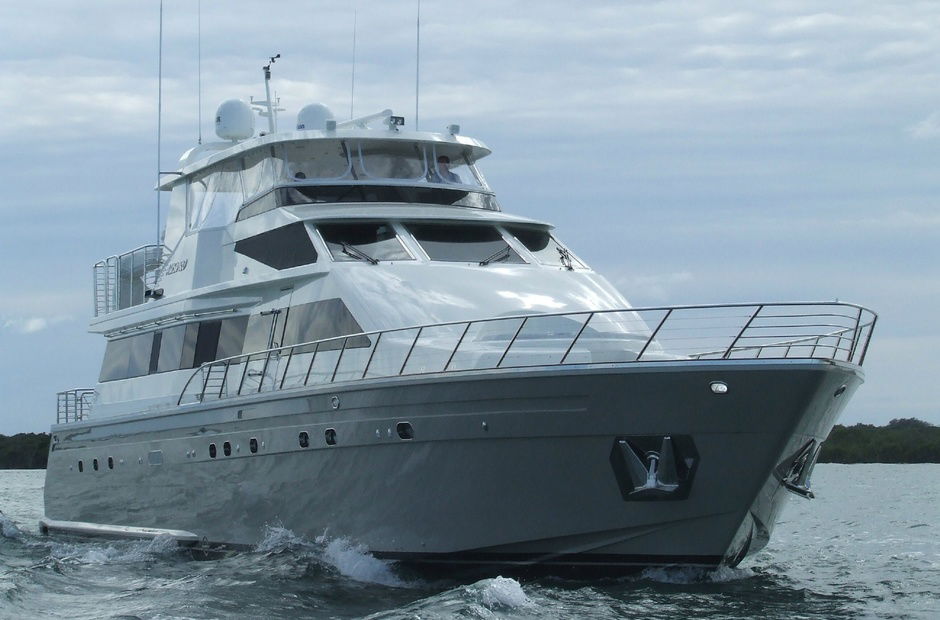

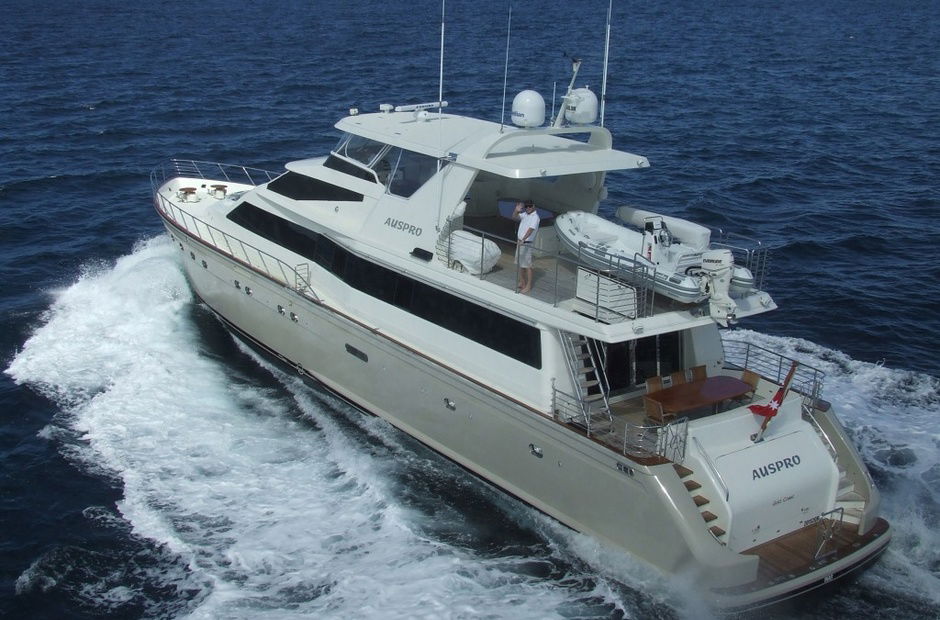
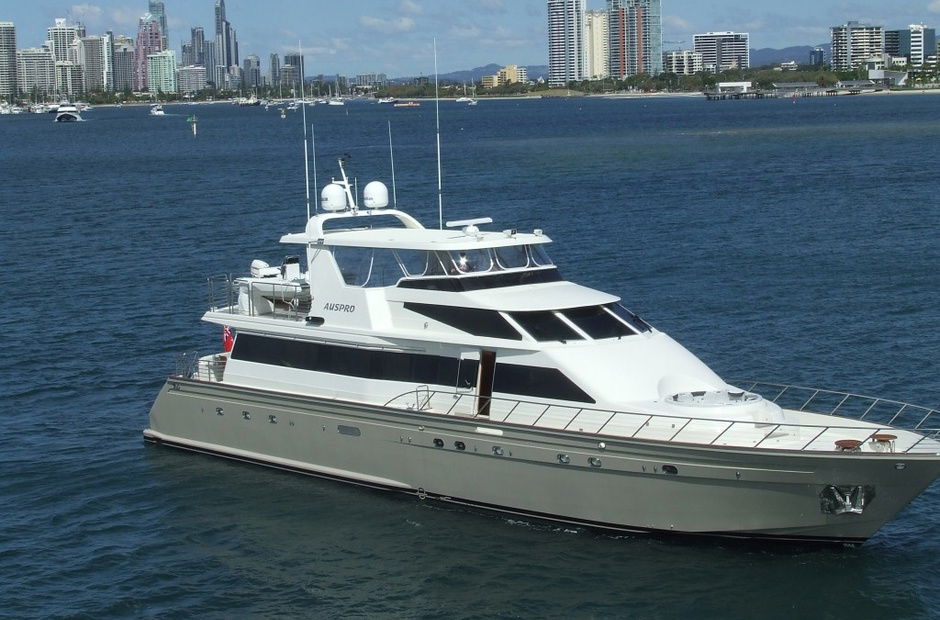
Images have been gathered from various sources and belong to their respective owners.
Review - Azimut Auspro

MarineBroker
08/07/2024, 4:15 AM
1988 Azimut Auspro: What to Know Before Buying, Restoring, or Maintaining This Classic Yacht
If you’ve been searching for information on the 1988 Azimut Auspro, you’re probably trying to solve a very specific problem: figuring out whether this older yacht is still a smart choice, and what it really takes to keep one in good shape. That’s a fair question. Boats from this era can be incredibly rewarding, but they can also hide expensive surprises if you don’t know what to look for.
The 1988 Azimut Auspro sits in that interesting sweet spot where classic Italian styling meets the realities of age. For many buyers and owners, the challenge is not just finding the boat, but understanding the condition, maintenance needs, and long-term value of a vessel that’s now decades old. Is it seaworthy? Is it worth restoring? What systems should be checked first? And how do you avoid turning a dream boat into a money pit?
The good news is that with the right approach, an older Azimut can still be a very enjoyable boat. In this article, we’ll break down the most important things to know, from inspection tips to maintenance priorities, so you can make a more confident decision.
- Understanding the 1988 Azimut Auspro
The 1988 Azimut Auspro is part of a generation of yachts that many boaters appreciate for their design, build quality, and comfortable layout. Like many boats from the late 1980s, it was built during a time when style and onboard comfort were becoming just as important as performance.
That said, age changes everything on a boat. Even a well-built yacht can develop issues over time, especially if it has seen inconsistent maintenance or spent long periods sitting unused. That’s why the main question for most interested buyers isn’t just “What is it?” but “What condition is it in now?”
For people looking at a 1988 model, the key is to separate the boat’s original reputation from its current reality. A clean survey, solid maintenance history, and realistic expectations matter far more than the badge on the hull.
- The Main Problem: Age-Related Wear and Hidden Maintenance Costs
The biggest challenge with a 1988 Azimut Auspro is simple: it’s an older yacht, and older yachts often come with hidden costs.
Even if the boat looks good at first glance, age-related wear can show up in places that are easy to miss:
- Engine wear or outdated mechanical components
- Electrical systems that no longer meet modern standards
- Moisture intrusion in decks, bulkheads, or cabin areas
- Aging hoses, fittings, and plumbing
- Upholstery, teak, and interior materials that need renewal
- Corrosion in metal parts, tanks, and hardware
The real problem is that many issues are not obvious during a casual walkthrough. A boat may appear clean and well-kept, but still need significant work before it’s reliable.
That’s why anyone considering this model should think beyond cosmetics. The solution is not just finding a nice-looking example, but evaluating the boat as a complete system.
- Why the 1988 Azimut Auspro Still Appeals to Buyers
Despite the age factor, there’s a reason people still search for the 1988 Azimut Auspro. Older Azimuts often attract buyers who value classic yacht styling and a more substantial onboard feel than many newer production boats.
Some of the appeal includes:
- Timeless Italian design
- Spacious interior layouts for cruising
- A reputation for comfortable living spaces
- Potential for good value compared with newer yachts
- The satisfaction of restoring or preserving a classic vessel
For the right owner, this type of boat can offer a lot of enjoyment. But it works best for someone who understands that ownership is part boating and part project management.
If you’re the type of buyer who enjoys improving a vessel over time, a classic yacht can be very rewarding. If you want turn-key reliability with minimal attention, you’ll need to inspect carefully and budget realistically.
- What to Check First on a 1988 Azimut Auspro
Before making any decision, focus on the systems that matter most. A boat’s appearance can be refreshed, but structural and mechanical problems are where costs really climb.
Here’s the order I’d recommend:
1. Hull and structure
Check for cracks, repairs, signs of osmosis, soft spots, and water intrusion. Pay special attention around fittings, windows, and deck hardware.
2. Engines and drivetrain
Older engines can still perform well, but only if they’ve been maintained properly. Look for service records, oil condition, exhaust issues, and signs of overheating.
3. Electrical system
Inspect wiring, battery banks, chargers, panels, and all visible connections. Older boats often have electrical modifications done over the years, and not all of them are clean or safe.
4. Plumbing and tanks
Freshwater and waste systems age just like everything else. Check hoses, pumps, tank condition, and any signs of leaks or odors.
5. Interior moisture
Musty smells, staining, or soft cabinetry can point to long-term leaks. Water damage inside a yacht often means more than one issue.
6. Steering and running gear
Rudders, shafts, seals, props, and bearings should all be checked closely. These parts are easy to overlook until they become expensive problems.
- The Best Solution: A Smart Inspection Strategy
If you’re serious about the 1988 Azimut Auspro, the best solution is to inspect it like a buyer, not a dreamer.
That means bringing in the right professionals and asking the right questions. A marine surveyor can help identify structural and safety issues, while a qualified mechanic can assess engine condition more accurately than a general walkthrough ever could.
A good inspection strategy includes:
- A full pre-purchase survey
- Engine and generator testing under load
- Moisture readings in suspect areas
- A close look at all through-hulls and fittings
- Review of maintenance logs and repair receipts
- Sea trial, if possible
This approach saves time and money. It also helps you decide whether the boat is a solid candidate for ownership or a project that’s too far gone.
A lot of buyers make the mistake of focusing only on asking price. But on an older yacht, the real cost is often in the first 12 to 24 months after purchase.
- Maintenance Priorities for an Older Azimut Yacht
Once you own an older boat, your goal should be to make it dependable before making it beautiful. That order matters.
Here are the maintenance priorities I’d suggest for an older Azimut:
- Replace all critical hoses and clamps if their age is unknown
- Service engines, generators, and transmissions immediately
- Inspect and update bilge pumps and float switches
- Check batteries, charging systems, and shore power connections
- Reseal windows, deck hardware, and any obvious leak points
- Replace worn safety gear and expired equipment
- Clean and inspect fuel tanks and fuel lines
- Address soft spots or delamination before cosmetic work
This kind of maintenance may not be exciting, but it’s what makes the boat usable. Once the fundamentals are solid, you can move on to cosmetics like upholstery, varnish, and exterior detailing.
A practical rule: if a repair affects safety, reliability, or water intrusion, it should come before aesthetics.
- Common Issues Found on Older 1980s Yachts
While every boat is different, older yachts from this era often share a few familiar issues. Knowing them helps you avoid surprises.
Typical problem areas include:
- Aging sealants around windows and hatches
- Electrical systems with mixed-era components
- Original gauges or controls that no longer work consistently
- Engine room ventilation that may be less effective than modern standards
- Worn fuel lines or questionable tank condition
- Interior water damage from long-term leaks
- Outdated navigation electronics
None of these automatically make a boat a bad buy. In fact, many are normal for a vessel of this age. The real question is whether the issues are manageable and reflected in the price.
If a boat has several of these problems at once, the repair budget can grow fast. That’s why it’s important to estimate not just what is broken, but what is likely to fail soon.
- How to Judge Whether It’s Worth Restoring
A lot of people ask whether an older yacht like the 1988 Azimut Auspro is worth restoring. The answer depends on three things: hull condition, mechanical condition, and your budget.
A good restoration candidate usually has:
- A sound hull and structure
- Engines that are serviceable or rebuildable
- A mostly complete interior
- Minimal evidence of major water intrusion
- A price that leaves room for repairs
A poor candidate usually has:
- Structural issues
- Major engine failure
- Severe moisture damage
- Neglected systems across the board
- A price that doesn’t match the work required
The best way to think about it is this: restoration is only worthwhile when the boat has a strong foundation. Cosmetics can be fixed. Deep structural neglect is much harder to overcome.
If you’re not sure, compare the total projected cost of purchase plus repairs with the cost of a better-maintained example. Sometimes the “cheaper” boat ends up being the most expensive one.
- Budgeting Realistically for Ownership
One of the smartest things you can do is build a realistic budget before committing. Older yachts often need more than just annual maintenance.
A practical budget should include:
- Survey and inspection costs
- Immediate mechanical servicing
- Safety equipment replacement
- Electrical updates
- Leak repairs
- Unexpected parts and labor
- Cosmetic improvements, if desired
Even a well-cared-for classic yacht should have a reserve fund. That’s especially true if the boat has been sitting unused or has incomplete records.
A simple rule many experienced owners use is to keep a repair reserve separate from the purchase budget. That way, you’re not forced to delay important work because all your money went into the initial purchase.
- Why Maintenance Records Matter So Much
If there’s one thing that can make or break your decision, it’s the maintenance history.
A 1988 boat with detailed records is often a much safer bet than a “clean-looking” boat with no paperwork. Records tell you:
- How regularly the engines were serviced
- Whether major systems were updated
- If recurring issues were addressed properly
- How the boat was stored and used
- Whether expensive work has already been done
No records doesn’t always mean disaster, but it does mean more uncertainty. And uncertainty is expensive on older yachts.
If you’re reviewing a listing, ask for:
- Engine service logs
- Winterization records
- Receipts for parts and labor
- Survey reports
- Documentation of upgrades or refits
The more complete the history, the easier it is to estimate future costs.
- Making the Boat More Practical for Modern Use
If you do decide to own or restore a 1988 Azimut Auspro, one of the best moves is to modernize the systems that matter most.
You don’t need to turn it into a brand-new yacht. But a few updates can make a huge difference in day-to-day usability.
Consider modern upgrades like:
- New marine batteries and smart charging
- Updated navigation electronics
- LED lighting
- Modern safety equipment
- Improved bilge monitoring
- Fresh hoses and plumbing components
- Efficient air conditioning servicing or replacement, if equipped
These upgrades don’t just add comfort. They reduce stress and improve reliability, which is especially important on an older vessel.
The goal is not to erase the boat’s character. It’s to make it practical enough that you can actually enjoy it without constant worry.
- Who the 1988 Azimut Auspro Is Best For
This model is best suited to a certain kind of owner.
It’s a good fit if you:
- Appreciate classic yacht styling
- Don’t mind regular maintenance
- Understand older marine systems
- Want potential value in a restoration project
- Enjoy hands-on ownership
It may not be ideal if you:
- Want a boat with minimal upkeep
- Prefer modern electronics and systems from the start
- Don’t have time to manage repairs
- Are uncomfortable with older mechanical equipment
That doesn’t mean the boat is a bad choice. It just means the ownership experience is different. The more honest you are about your time, budget, and skill level, the better your results will be.
- Practical Buying Tips for First-Time Older Yacht Buyers
If this is your first time looking at an older yacht, keep these tips in mind:
- Never skip the survey
- Don’t trust appearance alone
- Assume some systems will need replacement
- Compare repair estimates before negotiating
- Ask for a sea trial whenever possible
- Bring in a mechanic if engines are a concern
- Walk away if the numbers stop making sense
The best deals are not always the cheapest boats. They’re the boats that have the fewest hidden problems relative to price.
A calm, methodical approach will save you more money than trying to “win” a deal quickly.
- Conclusion
The 1988 Azimut Auspro can be a rewarding boat for the right owner, but only if you approach it with clear eyes. The main challenge is age-related wear, hidden maintenance needs, and the risk of underestimating repair costs. The best solution is a careful inspection, realistic budgeting, and a focus on the systems that affect safety and reliability first.
If the hull is sound, the mechanical systems are serviceable, and the maintenance history is decent, this classic yacht can still offer a lot of value and enjoyment. Take your time, ask the right questions, and prioritize function before cosmetics. If you’re still researching, keep digging into surveys, service records, and comparable listings so you can make a smarter decision.
Specifications
General
Boat Type: Power Boats
Class Type: Mega Yacht
Specifications
Length: 90.55
Beam: 20.34
Draft: 5.91
Hull Material: GRP
Build
First Built: 1988
Propulsion
Fuel Type: Diesel
Engines: 2
Power: 0 HP
Brand: Unknown
Accomodation
Cabins: 4
PROS & CONS
What we appreciated
 Classic Italian design with elegant stylingSpacious interior for a boat of its sizeSolid build quality typical of Azimut yachtsGood cruising capabilities for coastal watersRelatively affordable price on the used market
What we didn’t appreciate
 Older model, may require significant maintenanceOutdated navigation and onboard technologyLimited fuel efficiency compared to modern boatsPotentially higher costs for replacement partsSmaller engine power relative to newer models
Upkeep Costs
Annual maintenance: $5,000 - $10,000
Docking/Marina fees: $3,000 - $8,000 per year
Fuel: $4,000 - $7,000 per year depending on usage
Insurance: $1,000 - $3,000 per year
Winter storage and haul-out: $1,500 - $3,000 per year
Rating
6.1
User
Score
Score
Driveability
Technology
Interior
Design
Similar Boats


MarineBroker
Download now for an immersive boat experience like never before! ⛵✨ Your journey begins with a simple click. 🌊📲
#SetSailSmart #DownloadNow
#SetSailSmart #DownloadNow

Subscribe
Copyright 2017 - 2026, Marinebroker.net, All Rights Reserved