Boat Type: Power Boats
Boat Class: Trawler
Length: 26.25 ft
Berths: 4
Bathrooms: 1
Max Persons: 8
Boat Database » Askeladden P80 Pilothouse
Askeladden P80 Pilothouse
Outboard four-stroke, Unleaded, 1x 300 HP
Power Boats 2018 Askeladden P80 Pilothouse: How to Get the Most Out of This Versatile Pilothouse Boat
If you’re looking into the 2018 Askeladden P80 Pilothouse, chances are you already know it’s a serious all-rounder. It’s the kind of boat t...
Discover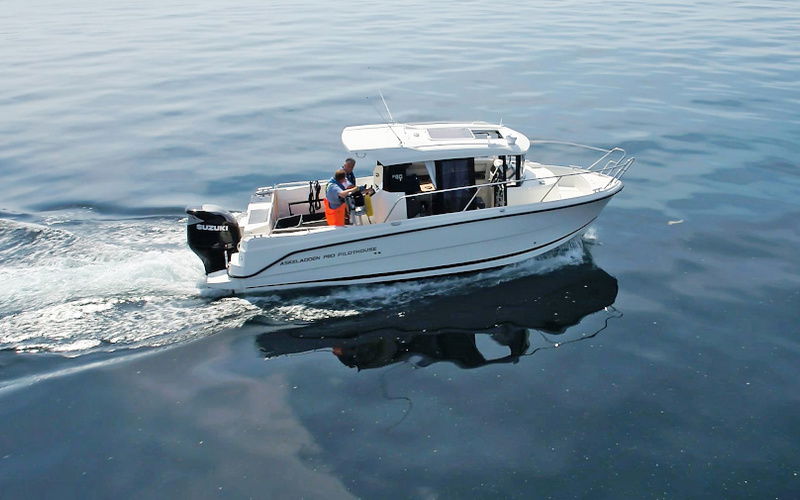


Images have been gathered from various sources and belong to their respective owners.
Review
2018 Askeladden P80 Pilothouse: How to Get the Most Out of This Versatile Pilothouse Boat
If you’re looking into the 2018 Askeladden P80 Pilothouse, chances are you already know it’s a serious all-rounder. It’s the kind of boat that can handle family cruising, fishing trips, and practical day boating without feeling out of place in any of them. But that versatility can also create a common problem: owners and buyers often struggle to figure out whether the boat is truly being used to its full potential.
Some people focus only on speed or comfort. Others get caught up in equipment lists and miss the bigger picture: how a pilothouse boat should actually work for real-life boating. With a model like the 2018 Askeladden P80 Pilothouse, the real value comes from understanding how to set it up, use it, and maintain it for the kind of boating you actually do.
In this article, we’ll break down what makes the 2018 Askeladden P80 Pilothouse appealing, the most common challenges people face with boats in this class, and practical ways to solve them. Whether you’re researching a purchase or already own one, the goal is simple: help you get more confidence, comfort, and enjoyment from the boat.
- What Makes the 2018 Askeladden P80 Pilothouse Stand Out
The 2018 Askeladden P80 Pilothouse sits in a sweet spot for boaters who want protection from the weather without giving up open-deck usability. The pilothouse layout gives you a sheltered helm area, which is especially useful in colder climates, windy conditions, or longer runs where comfort matters.
That’s a big reason boats like this appeal to a wide audience. They’re practical, but they’re not dull. You get the feeling of a capable utility boat with the comfort level of a more refined family cruiser.
A few features typically make this type of boat attractive:
- Enclosed helm for weather protection
- Good visibility from the wheelhouse
- Flexible deck space for fishing or family use
- Strong offshore or coastal capability depending on setup
- Efficient use of space compared with open boats
For many buyers, the appeal is not just in the boat itself, but in how it adapts to different boating styles. One weekend it can be a fishing platform. The next, it can be a comfortable day boat for friends and family.
- The Real Problem: Versatility Can Be Hard to Manage
The biggest challenge with a boat like the 2018 Askeladden P80 Pilothouse is that versatility can create confusion. People often expect one boat to do everything perfectly, and that’s rarely realistic.
A pilothouse boat needs to be set up with intention. If it’s too fishing-focused, it may feel cramped for social outings. If it’s too comfort-focused, it may lose some of the practical advantages that make the design special in the first place.
This is where many owners run into trouble:
- They overload the boat with gear
- They don’t optimize storage
- They use the wrong seating or deck layout for their needs
- They neglect maintenance of critical systems
- They underestimate how much weather protection and ventilation matter
In other words, the boat is often not the problem. The setup is.
- Understanding the 2018 Askeladden P80 Pilothouse Layout
A good way to get more from any pilothouse boat is to understand how the layout supports different uses. The 2018 Askeladden P80 Pilothouse is designed around a protected helm and a practical deck arrangement, which means every square meter matters.
The pilothouse area usually serves as the command center. It’s where visibility, ergonomics, and protection come together. This is important because a comfortable helm reduces fatigue on longer trips and makes the boat easier to handle in rougher conditions.
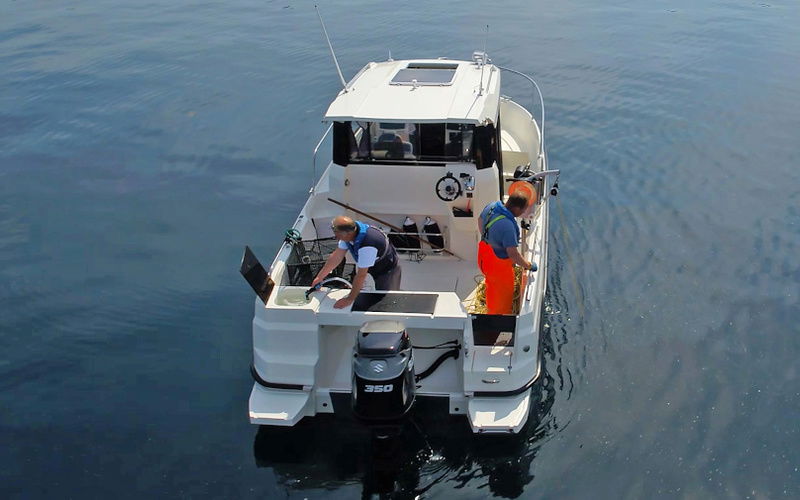
The deck area, meanwhile, is where the boat proves its flexibility. Depending on how you use it, the space can support:
- Fishing and gear storage
- Family seating and social time
- Overnight or extended day trips
- Easy movement around the boat
- Quick cleanup after a trip
The trick is to avoid treating the boat like a one-purpose machine. It works best when each area has a clear role.
- How to Solve the “Too Much Boat, Not Enough Plan” Problem
A common issue among owners and buyers is that they buy a capable boat without deciding how they’ll use it most of the time. That leads to frustration. The boat feels either underused or poorly matched to the trip.
The solution is simple but powerful: define your primary boating style first.
Ask yourself:
- Will this be mainly a family cruiser?
- Do I want it for fishing most weekends?
- Is this for mixed-use coastal trips?
- Will I boat mostly in cold, wet, or windy conditions?
- Do I need overnight capability or just day use?
Once you answer those questions, you can make better decisions about equipment, storage, seating, electronics, and onboard accessories.
For example:
- A family cruiser setup may prioritize seating, cabin comfort, and easy boarding.
- A fishing setup may prioritize rod storage, washdown systems, and deck openness.
- A mixed-use setup may focus on modular seating and smart storage.
The 2018 Askeladden P80 Pilothouse works best when the onboard setup matches the owner’s actual routine.
- Practical Ways to Improve Comfort on a Pilothouse Boat
Comfort is one of the biggest reasons people choose a pilothouse boat, but comfort doesn’t happen automatically. It depends on thoughtful use of the space.
Here are some practical ways to improve comfort aboard the 2018 Askeladden P80 Pilothouse:
- Keep the helm uncluttered
A clean helm improves visibility and reduces stress. Only keep the controls and electronics you actually use.
- Use weather protection wisely
The enclosed helm is a major advantage, but ventilation matters too. In warmer weather, airflow prevents the cabin from feeling stuffy.
- Add seating only where it helps
Extra seating is useful, but too much can make the deck feel crowded. Aim for balance.
- Store gear out of the way
Loose items make any boat feel smaller and less comfortable. Use dedicated storage for life jackets, ropes, tools, and safety gear.
- Choose marine-friendly materials
Cushions, covers, and flooring should be easy to clean and resistant to moisture.
Comfort is not just about luxury. It’s about making the boat easier to enjoy for longer periods.
- Getting the Best Performance from the 2018 Askeladden P80 Pilothouse
Performance on a boat like this is not only about top speed. It’s also about handling, fuel efficiency, load balance, and how confidently the boat behaves in changing conditions.
If you want better performance, start with the basics:
- Keep the hull clean
Marine growth can affect speed and fuel burn more than many owners realize.
- Check weight distribution
Uneven loading can make the boat feel sluggish or less stable.
- Maintain the engine properly
Regular servicing helps preserve reliability and performance.
- Match throttle use to conditions
Running at the right cruising speed often gives a better balance of comfort and efficiency than pushing hard all the time.
- Review propeller condition
A damaged or poorly matched prop can reduce performance noticeably.
For many boaters, the best performance improvement comes not from major upgrades but from consistent maintenance and smart operation.
- Why Maintenance Matters More Than People Think
If you own or are considering the 2018 Askeladden P80 Pilothouse, maintenance should be part of the conversation from day one. A good boat can become frustrating fast if small issues are ignored.
Pilothouse boats often see mixed use, which means they can be exposed to salt, moisture, sun, and temperature changes in the same season. That combination can wear down fittings, seals, electronics, and upholstery.
Key maintenance areas include:
- Engine servicing
- Battery checks
- Bilge inspection and cleaning
- Window and seal inspection
- Electrical system checks
- Deck hardware tightening
- Upholstery care
- Hull cleaning and antifouling when needed
A simple routine helps prevent bigger problems later. Even a short monthly checklist can save time and money.
Here’s a practical approach:
1. Inspect visible wear points every trip
2. Rinse salt and grime after use
3. Check electronics and lights regularly
4. Watch for leaks or unusual noises
5. Schedule seasonal service before peak boating periods
This kind of discipline keeps the boat ready when you want to use it, not when something finally fails.
- The Best Use Cases for the 2018 Askeladden P80 Pilothouse
One reason this model attracts attention is that it fits several boating lifestyles. It’s not a niche boat that only works in one scenario.
It tends to make sense for:
- Coastal cruising
The pilothouse gives protection and confidence in changeable weather.
- Family day trips
The layout can support relaxed outings with enough comfort for everyone onboard.
- Serious recreational fishing
The deck and helm arrangement can work well for practical fishing use.
- Mixed-use ownership
If you want one boat to handle different activities, this type of design is a strong candidate.
The key is not to expect it to behave like a pure sport boat or a full cabin cruiser. It has its own identity. Once you accept that, it becomes much easier to appreciate what it offers.
- What to Check Before Buying One
If you’re researching a 2018 Askeladden P80 Pilothouse for purchase, a careful inspection matters a lot. Boats in this category can look great on paper, but condition and setup are everything.
Focus on these areas:
- Engine hours and service history
- Hull condition and signs of impact
- Electronics functionality
- Cabin dryness and seal integrity
- Deck wear and nonslip condition
- Steering and throttle responsiveness
- Trailer condition if included
- Evidence of proper winterization or storage
It’s also smart to ask how the boat was used. A well-maintained boat with heavy but careful use can be a better buy than a lightly used one that sat neglected.
If possible, take a sea trial. That gives you a feel for:
- Visibility from the helm
- Noise and vibration levels
- Stability at cruising speed
- Docking behavior
- Comfort in real conditions
A sea trial often reveals more than a listing ever will.
- Simple Upgrades That Can Make a Big Difference
You don’t need to overhaul a pilothouse boat to improve it. Small upgrades often deliver the best value.
Useful improvements may include:
- Better navigation electronics
- Upgraded marine radio or communication gear
- More efficient LED lighting
- Practical storage organizers
- Quality covers for seats and equipment
- Additional USB charging points
- Non-slip deck enhancements
- Fishing accessories if that’s your main use
The best upgrades are the ones that support your real boating habits. If you rarely fish, don’t overbuild the boat for fishing. If you often cruise with family, focus on comfort and convenience instead.
- Common Mistakes Owners Make
Even a well-designed boat can feel disappointing if it’s used badly. Some of the most common mistakes include:
- Overloading with unnecessary gear
- Ignoring ventilation in the pilothouse
- Skipping regular maintenance
- Failing to balance the boat properly
- Choosing accessories that don’t fit the actual use case
- Not learning the boat’s handling characteristics
These mistakes are easy to make because the boat feels capable. But capability only helps when it’s paired with good habits.
A better approach is to keep things simple, organized, and intentional.
- Conclusion
The 2018 Askeladden P80 Pilothouse is appealing because it offers a practical mix of shelter, versatility, and usable deck space. But like any pilothouse boat, its real value depends on how well it matches your boating style and how thoughtfully it’s set up and maintained.
If you’re trying to solve the common problem of “how do I make this boat work best for me?”, the answer is to define your main use, keep the layout clean and functional, and stay on top of maintenance. That approach turns a capable boat into a genuinely enjoyable one. Whether you’re buying, upgrading, or simply learning more, a little planning goes a long way.
If you want to keep exploring, compare setup ideas, maintenance checklists, and real-world owner experiences before making your next boating decision.
Specifications
General
Boat Type: Power Boats
Class Type: Trawler
Specifications
Length: 26.25
Beam: 9.51
Draft: 2.62
Hull Material: GRP
Build
First Built: 2018
Propulsion
Fuel Type: Unleaded
Engines: 1
Power: 300 HP
Brand: Suzuki
Accomodation
Berths: 4
Bathrooms: 1
PROS & CONS
What we appreciated
 Robust and seaworthy hull design suitable for rough watersSpacious and comfortable pilothouse providing excellent protection from the elementsEfficient use of interior space with practical layoutGood fuel efficiency due to lightweight constructionHigh-quality Scandinavian craftsmanship and materials
What we didn’t appreciate
 Limited availability of aftermarket parts outside ScandinaviaSmaller cockpit area compared to some competitorsLower top speed relative to similarly sized open boatsBasic electronics package may require upgradesCabin space might be tight for extended cruising with multiple passengers
Upkeep Costs
Fuel: Approximately $2,000 - $3,000 per year depending on usage
Maintenance and Repairs: Around $1,000 - $2,000 annually
Insurance: Typically $500 - $1,200 per year
Storage and Mooring: $1,000 - $3,000 per year depending on location
Registration and Licensing: $100 - $300 per year
Rating
0
User
Score
Score
Driveability
Technology
Interior
Design
Similar Boats


MarineBroker
Download now for an immersive boat experience like never before! ⛵✨ Your journey begins with a simple click. 🌊📲
#SetSailSmart #DownloadNow
#SetSailSmart #DownloadNow

Subscribe
Copyright 2017 - 2026, Marinebroker.net, All Rights Reserved