Boat Database » Aquanaut European Voyager Classic 1700
Aquanaut European Voyager Classic 1700
Inboard Direct-Drive, Diesel, 2x 148 HP
Power Boats 2013 Aquanaut European Voyager Classic 1700: What Owners Should Know Before Buying, Cruising, or Restoring
If you’re looking at the 2013 Aquanaut European Voyager Classic 1700, chances are you already appreciate what makes this k...
Discover
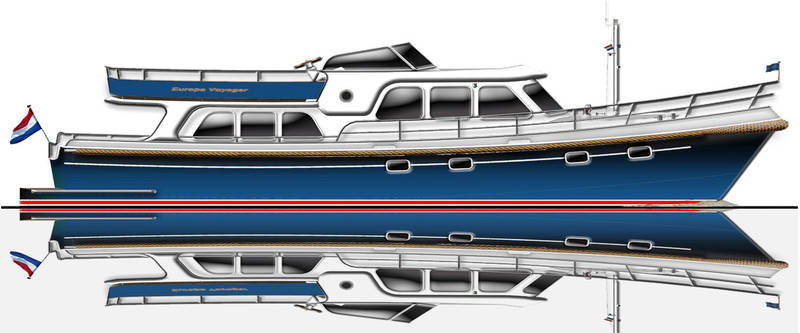
Images have been gathered from various sources and belong to their respective owners.
Review - Aquanaut European Voyager Classic 1700

MarineBroker
04/02/2024, 2:03 PM
2013 Aquanaut European Voyager Classic 1700: What Owners Should Know Before Buying, Cruising, or Restoring
If you’re looking at the 2013 Aquanaut European Voyager Classic 1700, chances are you already appreciate what makes this kind of boat special: long-range comfort, classic styling, and the kind of build quality that makes slow cruising feel like a proper escape. But like any larger motor yacht, especially one that’s over a decade old, the real challenge isn’t just admiring it from the dock. It’s knowing whether it fits your cruising plans, budget, and maintenance expectations.
That’s where many buyers and owners run into trouble. A boat like the 2013 Aquanaut European Voyager Classic 1700 can be a fantastic platform, but only if you understand what to look for before purchase and how to keep it in top shape afterward. Hidden wear, outdated systems, and mismatched expectations can turn a dream boat into a frustrating project.
The good news? With the right inspection checklist, a realistic ownership plan, and a few smart upkeep habits, you can avoid the common pitfalls and enjoy the boat the way it was meant to be used: comfortably, confidently, and with far fewer surprises.
- Why the 2013 Aquanaut European Voyager Classic 1700 Still Gets Attention
The 2013 Aquanaut European Voyager Classic 1700 sits in that sweet spot between traditional Dutch steel cruiser charm and practical modern liveaboard comfort. Boats in this category tend to appeal to people who want more than weekend day-boating. They want a vessel that can handle canal cruising, inland waterways, longer coastal hops, and extended stays aboard.
What makes this model appealing is usually a mix of:
- Spacious interior layout
- Strong displacement cruising characteristics
- Classic lines and a timeless profile
- A reputation for solid construction
- Good suitability for relaxed, fuel-efficient travel
For the right owner, that’s a big advantage. But the same features that make it attractive also mean buyers need to think carefully about condition, systems, and long-term maintenance. A well-kept cruiser of this type can be a joy. A neglected one can become expensive quickly.
- The Main Problem: Old-Buyers’ Expectations vs. Real-World Condition
The biggest issue people face with a 2013 Aquanaut European Voyager Classic 1700 is not the design itself. It’s assuming that a premium boat automatically equals a low-maintenance experience.
That’s rarely true.
At this age, even a well-built yacht can have hidden issues in areas like:
- Engine servicing history
- Electrical upgrades
- Plumbing wear
- Window seals and moisture intrusion
- Hull coatings and corrosion protection
- Navigation electronics that are now outdated
- Interior wear from long-term use
This is especially important because boats are not like cars. A boat can look clean on the surface while still carrying expensive maintenance needs below deck. The solution is not to avoid the model. It’s to evaluate it with a proper ownership mindset.
- What to Check Before Buying a 2013 Aquanaut European Voyager Classic 1700
If you’re shopping for this boat, the best move is to inspect it as a system, not just a cosmetic object. A polished hull and tidy cabin are nice, but they don’t tell you whether the boat is mechanically sound.
Here’s where to focus.
- Hull and Structure
A steel cruiser deserves a careful look at its hull condition, coatings, and any signs of corrosion. Even when steel is strong, maintenance quality matters a lot.
Check for:
- Rust spots around fittings and welds
- Blistering or damaged paint systems
- Signs of old repairs
- Water ingress around windows, hatches, and deck hardware
- Evidence of poor drainage in lockers or bilges
If possible, have the boat surveyed out of the water. That’s where many structural concerns become easier to spot.
- Engine and Mechanical Systems
The engine is one of the most important parts of any cruising yacht. A boat of this size may have a dependable diesel setup, but condition matters more than brand reputation.
Ask for:
- Full service records
- Oil analysis if available
- Cooling system maintenance history
- Belt, filter, and impeller replacement dates
- Hours on the engine and generator
- Evidence of professional winterization or layup care
A clean engine room is encouraging, but paperwork is even better. A careful owner usually keeps records. If the records are vague or missing, budget for a thorough service right away.
- Electrical System
Older yachts often become “projects” because of electrical upgrades. Over time, owners add solar, inverters, battery banks, new chargers, and modern electronics. That can be great, but only if the work was done properly.
Inspect for:
- Neat wiring and labeled circuits
- Updated battery banks
- Functional shore power systems
- Modern battery charging equipment
- Corrosion on terminals or fuse blocks
- Compatibility between old and new components
Electrical issues are one of the most common sources of frustration on older boats. If the system looks like a patchwork of upgrades, it may need a professional review.
- Plumbing and Tanks
On a cruising boat, plumbing should be treated as a major system, not an afterthought. Freshwater, wastewater, and bilge management all affect comfort and safety.
Look for:
- Leaks under sinks and around pumps
- Weak water pressure
- Stiff or aging hoses
- Tank condition and accessibility
- Odors that might suggest stagnant water or sanitation issues
- Pump performance in showers, heads, and bilges
Even small plumbing problems can become annoying fast, especially if you plan to spend nights aboard.
- Windows, Seals, and Moisture
One of the most common hidden issues in cruising boats is water intrusion. It often starts small and gets expensive later.
Pay attention to:
- Condensation inside lockers
- Soft or stained headliners
- Musty smells
- Fogged windows
- Sealant around frames and fittings
- Damp spots under carpets or behind panels
Moisture damage can affect both comfort and resale value. If you’re touring a boat and notice repeated signs of dampness, don’t ignore them.
- How to Decide If the 2013 Aquanaut European Voyager Classic 1700 Fits Your Cruising Style
A boat can be excellent and still not be right for your needs. That’s why you should think about how you actually plan to use it.
This model tends to make the most sense for people who want:
- Comfortable inland or coastal cruising
- A stable, easy-going ride
- Space for longer stays aboard
- A classic, practical feel rather than a sporty one
- A boat that emphasizes livability over speed
It may be less ideal if you want:
- Fast planing performance
- Minimal maintenance obligations
- A very small crew-friendly setup for casual day trips
- Ultra-modern styling and electronics already installed
The key question is simple: do you want a proper cruising boat, or are you expecting a low-effort floating apartment? Those are not the same thing.
- A Smart Inspection Checklist for Buyers
If you’re seriously considering a 2013 Aquanaut European Voyager Classic 1700, use a structured inspection plan. This helps prevent emotional decisions and keeps you focused on real value.
Here’s a practical checklist:
1. Review maintenance records
- Engine servicing
- Hull treatment
- Electrical work
- Winter storage history
2. Inspect the hull and deck
- Rust
- Paint condition
- Fittings
- Drainage
- Evidence of repairs
3. Test all onboard systems
- Engine start and idle
- Steering
- Bilge pumps
- Water pumps
- Lighting
- Heating and cooling
4. Check interior condition
- Upholstery wear
- Cabinet alignment
- Moisture marks
- Odors
- Floor softness
5. Confirm navigation equipment
- Radar
- Plotter
- AIS
- VHF radio
- Instrument functionality
6. Hire a surveyor
- Especially for hull, mechanical, and moisture assessment
A survey might feel like an extra expense, but it can save you from a much bigger one later.
- The Best Practical Solution: Buy With a Maintenance Plan, Not Just a Dream
The best solution for anyone interested in this boat is to approach it with a maintenance-first mindset. That means you’re not just buying a model you like. You’re buying a boat you can confidently support.
A strong ownership plan should include:
- Immediate post-purchase servicing
- Budget for upgrades
- Annual inspection schedule
- Winterization or off-season storage plan
- Contingency funds for unexpected repairs
A common mistake is spending the full budget on the purchase price and leaving nothing for the first year of ownership. That’s risky. Even a well-cared-for boat may need attention in areas like batteries, hoses, seals, filters, or electronics.
A good rule of thumb is to reserve a meaningful maintenance cushion after purchase. That way, you can fix small issues early before they become major ones.
- Common Upgrades That Make Sense on a Boat Like This
If you do buy a 2013 Aquanaut European Voyager Classic 1700, certain upgrades can make ownership easier and more enjoyable without changing the character of the boat.
Useful upgrades often include:
- Modern battery monitoring
- LED interior and navigation lighting
- Updated chartplotter or multifunction display
- Better ventilation fans
- Improved shore power protection
- Solar support for battery maintenance
- Fresh upholstery or cabin soft goods
- New hoses and clamps where age is visible
These upgrades are usually about reliability and comfort, not flashy customization. That’s the right approach for a cruiser of this type.
- How to Keep Operating Costs Under Control
A larger cruising yacht can become expensive if you don’t stay ahead of maintenance. The good news is that many costs are manageable with planning.
Here are a few ways to keep expenses under control:
- Service the engine on schedule, not after problems appear
- Keep the hull and coatings in good condition
- Fix small leaks immediately
- Replace aging hoses and belts proactively
- Use a seasonal checklist
- Monitor battery health regularly
- Store the boat properly when not in use
A lot of ownership costs come from delay. Small issues are relatively cheap. Neglected issues are not.
It also helps to keep a simple logbook. Record service dates, parts replaced, and any unusual observations. That habit makes future troubleshooting much easier and helps preserve resale value.
- Who Will Appreciate This Boat Most
The 2013 Aquanaut European Voyager Classic 1700 is likely to appeal most to buyers who value comfort, space, and a steady cruising experience over speed or sportiness.
It’s a strong fit for:
- Couples planning extended trips
- Retirees looking for comfortable cruising
- Families who want a livable boat
- Buyers interested in inland or coastal exploration
- Owners who appreciate traditional craftsmanship
If you like the idea of traveling slowly, enjoying the route, and spending time aboard in comfort, this type of boat can be very rewarding.
- Red Flags That Should Make You Pause
Even if you love the layout and styling, step back if you notice major warning signs.
Watch for:
- Missing service records
- Fresh paint hiding corrosion
- Electrical wiring that looks improvised
- Persistent dampness or mold
- Strong fuel or sewage smells
- No evidence of professional maintenance
- A seller who avoids detailed questions
A boat should come with answers. If you’re getting vague responses and rushed pressure, that’s usually a sign to slow down.
- Final Thoughts on Buying or Owning the 2013 Aquanaut European Voyager Classic 1700
The 2013 Aquanaut European Voyager Classic 1700 can be a very appealing cruising boat for the right owner, especially if you value comfort, classic styling, and practical long-range use. But the real key to enjoying it is understanding that older boats reward careful inspection and consistent maintenance.
If you’re considering one, focus on condition, records, and systems—not just looks. With a proper survey, a realistic budget, and a clear maintenance plan, you can turn this boat into a dependable and enjoyable cruising platform. That’s the smartest way to protect your investment and your time on the water. If you want to go further, compare survey findings, maintenance costs, and cruising needs before making your final decision.
Specifications
General
Boat Type: Power Boats
Class Type: Trawler
Specifications
Length: 56.1
Beam: 16.73
Draft: 4.43
Hull Material: Steel
Build
First Built: 2013
Propulsion
Fuel Type: Diesel
Engines: 2
Power: 148 HP
Brand: Perkins
Accomodation
Berths: 6
PROS & CONS
What we appreciated
 Classic and timeless design with a European touchHigh-quality construction and durable materialsStable and smooth ride suitable for various water conditionsSpacious cockpit layout for comfortable cruisingEfficient fuel consumption for its size and class
What we didn’t appreciate
 Older model, may lack modern technological featuresLimited availability of replacement parts due to brand raritySmaller engine options might limit high-speed performanceMinimal onboard amenities compared to newer boatsPotentially higher maintenance costs due to age
Upkeep Costs
Fuel: Approximately $500 - $1,000 per year depending on usage
Maintenance and Repairs: $1,000 - $2,000 per year
Storage (Marina or Dry Dock): $1,200 - $3,000 per year
Insurance: $400 - $800 per year
Registration and Taxes: $100 - $300 per year
Rating
7.7
User
Score
Score
Driveability
Technology
Interior
Design
Similar Boats


MarineBroker
Download now for an immersive boat experience like never before! ⛵✨ Your journey begins with a simple click. 🌊📲
#SetSailSmart #DownloadNow
#SetSailSmart #DownloadNow

Subscribe
Copyright 2017 - 2026, Marinebroker.net, All Rights Reserved