Boat Database » Avalon LSZ Elite Windshield 24
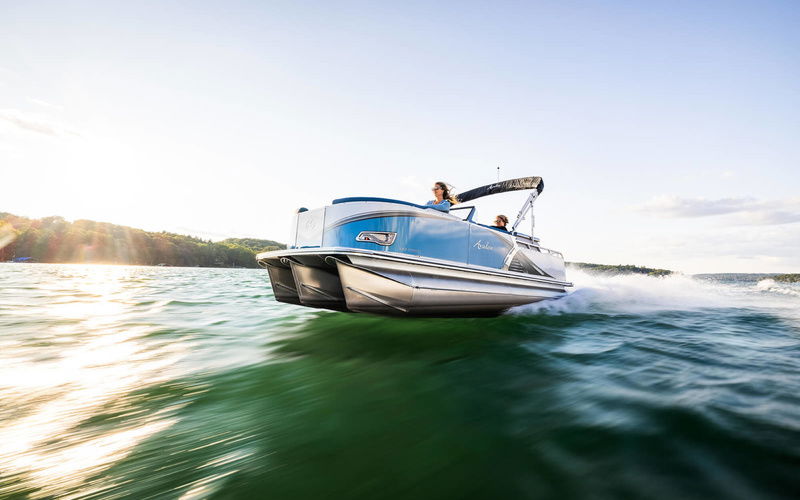
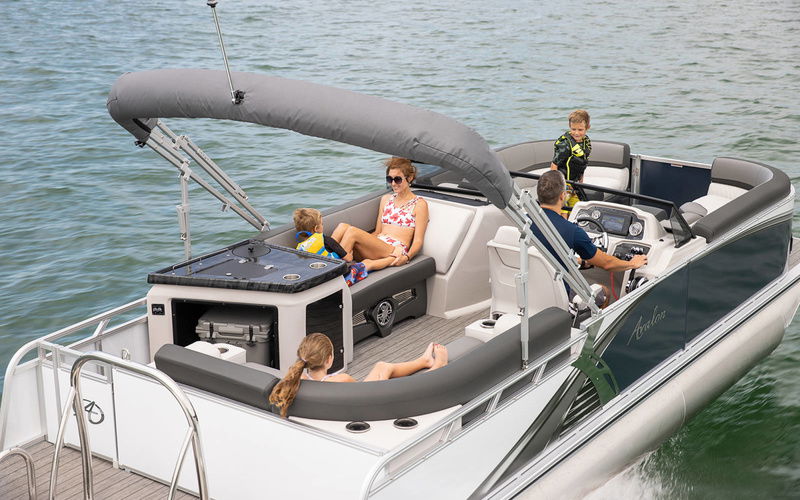
Avalon LSZ Elite Windshield 24
Outboard four-stroke, Unleaded, 1x 200 HP
Power Boats 2020 Avalon LSZ Elite Windshield 24: How to Keep Your Pontoon Comfortable, Clear, and Ready for the Water
If you own or are shopping for a 2020 Avalon LSZ Elite Windshield 24, you already know this pontoon is built for relaxed cr...
Discover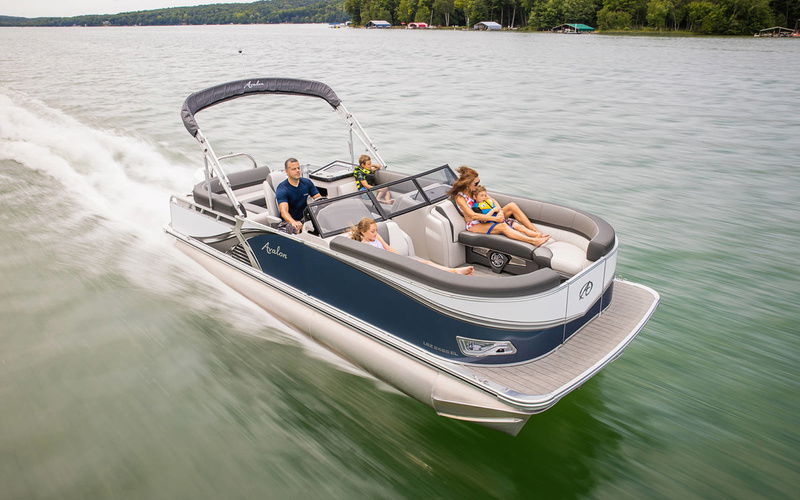

Images have been gathered from various sources and belong to their respective owners.
Review - Avalon LSZ Elite Windshield 24

MarineBroker
06/27/2024, 7:53 AM
2020 Avalon LSZ Elite Windshield 24: How to Keep Your Pontoon Comfortable, Clear, and Ready for the Water
If you own or are shopping for a 2020 Avalon LSZ Elite Windshield 24, you already know this pontoon is built for relaxed cruising, family time, and all-day fun on the lake. But there’s one thing many boat owners don’t think about until they’re out on the water: the windshield. It seems like a simple feature, yet it can make a big difference in comfort, visibility, and even how enjoyable the ride feels when the wind picks up.
A windshield on a pontoon isn’t just about looks. It helps reduce spray, blocks a portion of the wind, and can make the helm area feel much more comfortable during longer trips. The problem is that boaters often deal with issues like poor visibility, cracked acrylic, loose hardware, water spots, or a windshield that just doesn’t fit their boating style anymore. That’s where a little know-how goes a long way.
In this article, we’ll break down what makes the 2020 Avalon LSZ Elite Windshield 24 important, common windshield-related problems, and practical ways to keep your setup in top shape.
- Why the windshield matters on the 2020 Avalon LSZ Elite Windshield 24
On a pontoon like the Avalon LSZ Elite, the windshield does more than protect the helm. It helps shape the overall boating experience.
For many owners, it improves:
- Comfort for the driver and front passengers
- Protection from wind blast at cruising speed
- Reduced spray in light chop
- Better visibility in changing weather
- A cleaner, more finished look for the helm area
That said, pontoon windshields are often exposed to sun, moisture, cleaning chemicals, and vibration. Over time, even a well-made windshield can show wear. If you’re trying to preserve the value and usability of your boat, staying ahead of windshield issues is a smart move.
- Common problems boaters face with pontoon windshields
A lot of people assume windshield problems are rare, but in real boating life, they show up pretty often. The good news is that most of them are manageable if you know what to look for.
Here are the most common ones:
- Scratches and haze from improper cleaning
- Stress cracks caused by age, impact, or overtightened hardware
- Loose mounting brackets or fasteners
- Water intrusion around the frame
- Clouding from UV exposure
- Wind noise or rattling at speed
- Misalignment after trailering or rough water use
These issues may start small, but they can get worse fast. A minor crack can spread. A loose bracket can turn into a noisy, shaky helm area. And a cloudy windshield can reduce visibility just enough to make driving less enjoyable.
- How to tell when your windshield needs attention
Not every issue means you need a replacement right away. Sometimes a deep clean, hardware adjustment, or careful inspection is enough. Still, there are signs that shouldn’t be ignored.
Watch for:
- Visible cracks, even small ones
- White stress marks near screw holes or corners
- Excessive wobble when the boat is underway
- Foggy or yellowed panels
- Water pooling where it shouldn’t
- Distorted visibility through the windshield
- Screws that keep backing out
If your 2020 Avalon LSZ Elite Windshield 24 is showing any of these symptoms, it’s worth checking the windshield closely before the next outing. A little preventive maintenance can save you from bigger repair costs later.
- Why visibility matters more than most people think
A windshield should help your boating experience, not make it harder to see. On the water, even small visibility issues can matter more than they do on land.
Sun glare, water spray, and reflections can all make it difficult to see other boats, docks, markers, or swimmers. If the windshield is scratched or cloudy, that problem gets worse.
Here’s why clear visibility matters:
- It helps with safe navigation in busy areas
- It reduces eye strain on longer cruises
- It improves confidence at the helm
- It makes docking and maneuvering easier
- It keeps the ride more relaxing for everyone on board
If you’ve ever tried to drive into the late afternoon sun with a hazy windshield, you know how frustrating it can be. Keeping the windshield clean and in good condition is one of the simplest ways to make boating safer and more enjoyable.
- Cleaning the 2020 Avalon LSZ Elite Windshield 24 the right way
One of the biggest mistakes boat owners make is using the wrong cleaner or towel. Acrylic and polycarbonate surfaces can scratch easily, and once that happens, the damage is often permanent.
A better cleaning routine looks like this:
1. Rinse off loose dirt first
Use fresh water to remove dust, salt, pollen, or grit before wiping.
2. Use a soft microfiber cloth
Avoid rough sponges, paper towels, or anything abrasive.
3. Choose a plastic-safe cleaner
Mild soap and water often work well. If you use a specialty product, make sure it’s safe for marine windshields.
4. Wipe gently in straight motions
Circular rubbing can sometimes make scratches more noticeable.
5. Dry with a clean microfiber towel
This helps prevent water spots and streaks.
6. Avoid harsh chemicals
Ammonia-based glass cleaners and strong solvents can damage some windshield materials.
A consistent cleaning routine keeps the windshield looking better and helps preserve clarity over time.
- Preventing scratches and clouding before they start
Prevention is always easier than repair. If you want your pontoon windshield to stay in good shape, a few simple habits can make a big difference.
Helpful tips include:
- Cover the boat when stored
- Keep sand and grit off cleaning cloths
- Don’t lean heavy gear against the windshield
- Use UV protection products if recommended for your material
- Avoid dragging ropes, coolers, or tackle boxes across the helm area
- Inspect the windshield after trailering
Sun damage is especially common in marine environments. A windshield that sits uncovered all summer can slowly lose clarity. If your boat is stored outside, a fitted cover is one of the best investments you can make.
- Hardware checks that every pontoon owner should do
A windshield can look fine from a distance while still having hardware issues underneath. Vibration from trailering and normal boating can loosen screws, brackets, and mounting points over time.
Check these areas regularly:
- Screws and bolts along the frame
- Mounting brackets at the base
- Hinges or support points, if equipped
- Any rubber gaskets or seals
- Areas where the windshield meets the console
If you notice movement, tighten things carefully. But don’t overtighten. That can create stress in the material and lead to cracks later. If a fastener keeps loosening, there may be a worn hole or mounting issue that needs a better fix.
- When repair makes sense and when replacement is the better choice
Not every windshield problem requires a full replacement. Sometimes a repair or adjustment is enough. But there are times when replacing the windshield is the smarter long-term move.
Repair may be enough if:
- The issue is minor surface haze
- A screw is loose but the mounting area is intact
- There’s light staining or residue
- A gasket needs replacement
Replacement may be the better option if:
- Cracks are spreading
- The windshield is badly scratched
- Visibility is permanently reduced
- The frame is bent or damaged
- The material has become brittle or yellowed
For owners of a 2020 Avalon LSZ Elite Windshield 24, the right choice often depends on how much the windshield affects safety and comfort. If it’s interfering with your view or rattling during use, replacement may provide the best return in everyday enjoyment.
- Matching the windshield to your boating style
One overlooked issue is that boaters sometimes expect a windshield to do more than it was designed to do. On a pontoon, the windshield can improve comfort, but it won’t fully block wind like a car windshield.
That’s why it helps to think about how you actually use your boat.
Ask yourself:
- Do you cruise at moderate speeds for long periods?
- Do you often boat in windy conditions?
- Are you usually carrying family or guests near the helm?
- Do you trailer frequently?
- Is your boat stored indoors or outdoors?
If you mostly use the boat for calm-water cruising, a well-maintained windshield may be all you need. If you’re often out in windier conditions, you may want to pay closer attention to fit, hardware strength, and material clarity.
- Practical upgrades that improve windshield performance
Sometimes the best solution isn’t replacing the whole windshield. Small upgrades can make the setup more comfortable and easier to maintain.
Consider these improvements:
- Better fasteners to reduce rattling
- Protective covers for storage
- UV-safe cleaning products
- Replacement seals or gaskets
- Anti-fog or anti-static treatments, if compatible
- Upgraded support hardware for stability
These changes may seem minor, but they can improve day-to-day use quite a bit. A windshield that stays stable, clean, and clear is one less thing to worry about when you’re trying to enjoy the water.
- How the windshield affects resale value and first impressions
If you ever plan to sell your pontoon, details matter. Buyers notice the windshield right away because it’s part of the helm area and one of the first things they see.
A clean, damage-free windshield suggests the boat has been cared for. On the other hand, a cracked or cloudy windshield can make the whole boat feel older and less maintained.
That first impression affects:
- Buyer confidence
- Perceived value
- Time on the market
- Negotiation leverage
Even if you’re not planning to sell soon, maintaining the windshield is a simple way to protect the boat’s overall condition. It’s one of those small details that can pay off later.
- A simple maintenance routine for long-term care
If you want to keep the 2020 Avalon LSZ Elite Windshield 24 looking and performing well, consistency is the key. You don’t need a complicated maintenance plan.
A basic routine could look like this:
Weekly or after each outing:
- Rinse off dirt and spray
- Wipe with a microfiber cloth
- Check for new scratches or loose hardware
Monthly:
- Inspect all mounting points
- Look for clouding, cracks, or stress marks
- Reapply any approved protectant
Seasonally:
- Do a full hardware check
- Clean thoroughly before storage
- Cover the boat properly
- Replace worn seals or fasteners
This kind of simple routine helps you catch problems early and keeps the windshield in better shape for the long haul.
- Choosing the right solution for your boat
The best solution depends on what problem you’re actually trying to solve. If your windshield is just dirty, a careful cleaning may fix the issue. If it’s loose, hardware work might be enough. If it’s cracked or badly worn, replacement may be the most practical answer.
A good rule of thumb:
- Clean it if visibility is the main issue
- Tighten and inspect it if there’s movement or noise
- Repair it if the damage is minor and localized
- Replace it if safety, comfort, or clarity is compromised
For owners focused on the 2020 Avalon LSZ Elite Windshield 24, the goal should be simple: keep the helm area safe, clear, and comfortable enough that you can enjoy the boat without distractions.
- Why small windshield problems shouldn’t be ignored
It’s easy to put off windshield maintenance because the boat still “works.” But small issues have a way of becoming bigger ones.
A loose bracket can damage the frame. A tiny crack can spread in hot sun or rough water. A cloudy panel can make every trip less pleasant. And once the windshield starts affecting visibility or comfort, it can change how much you enjoy the boat overall.
Taking care of it early is usually cheaper, easier, and less stressful than waiting until the problem gets worse.
- Conclusion
The 2020 Avalon LSZ Elite Windshield 24 plays a bigger role in your boating experience than many owners realize. It helps with comfort, visibility, and the overall feel of the helm area, but it also needs regular care to stay in good condition. By cleaning it properly, checking the hardware, watching for cracks or clouding, and replacing worn parts when needed, you can keep your pontoon ready for smooth, enjoyable outings.
The best approach is simple: inspect often, clean gently, and fix small issues before they turn into bigger ones. If you want to keep learning about pontoon maintenance and comfort upgrades, it’s worth exploring more boat care tips and product-specific guidance so your time on the water stays easy and fun.
Specifications
General
Boat Type: Power Boats
Class Type: Pontoon Boat
Specifications
Length: 24.51
Beam: 8.5
Draft: 1.97
Hull Material: Aluminium
Build
First Built: 2020
Propulsion
Fuel Type: Unleaded
Engines: 1
Power: 200 HP
Brand: Unknown
Accomodation
PROS & CONS
What we appreciated
 Spacious and comfortable seating for family and friendsHigh-quality, durable construction with premium materialsPowerful and fuel-efficient engine optionsSmooth and stable ride with excellent handlingAttractive, stylish design with modern features
What we didn’t appreciate
 Higher price point compared to some competitorsLimited storage space for longer tripsWindshield may limit visibility in certain conditionsRequires regular maintenance to keep upholstery in top shapeLarger size may be challenging for novice boaters to maneuver
Upkeep Costs
Fuel: Approximately $1,200 - $2,000 per year depending on usage
Maintenance and Repairs: Around $600 - $1,200 annually
Storage: $500 - $1,500 per year depending on location and type
Insurance: $300 - $700 per year
Registration and Taxes: $50 - $200 per year
Rating
7.8
User
Score
Score
Driveability
Technology
Interior
Design
Similar Boats


2021 Avalon Catalina Platinum Versatile Rear Bench Windshield 25
Power Boats • Pontoon Boat
LOA 7.7 • Beam 2.59


MarineBroker
Download now for an immersive boat experience like never before! ⛵✨ Your journey begins with a simple click. 🌊📲
#SetSailSmart #DownloadNow
#SetSailSmart #DownloadNow

Subscribe
Copyright 2017 - 2026, Marinebroker.net, All Rights Reserved