Boat Database » Avalon LSZ Cruise Rear Bench 20
Avalon LSZ Cruise Rear Bench 20
Outboard four-stroke, Unleaded, 1x 90 HP
Power Boats 2018 Avalon LSZ Cruise Rear Bench 20: How to Keep Your Pontoon Seating Comfortable, Safe, and Easy to Maintain
If you own or are shopping for a 2018 Avalon LSZ Cruise Rear Bench 20, you probably already know one thing: rear seati...
Discover
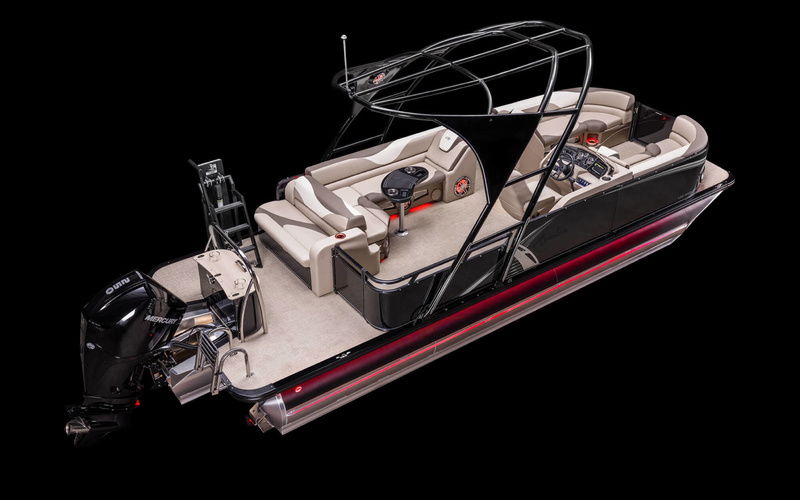

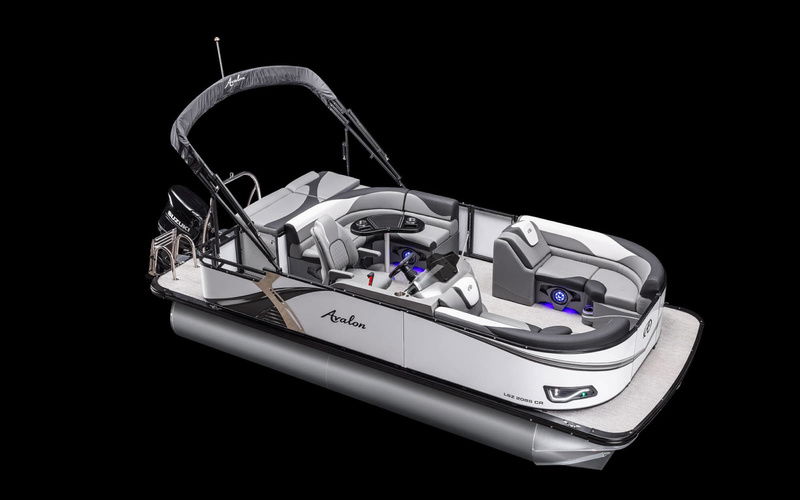
Images have been gathered from various sources and belong to their respective owners.
Review - Avalon LSZ Cruise Rear Bench 20

MarineBroker
06/26/2024, 1:32 PM
2018 Avalon LSZ Cruise Rear Bench 20: How to Keep Your Pontoon Seating Comfortable, Safe, and Easy to Maintain
If you own or are shopping for a 2018 Avalon LSZ Cruise Rear Bench 20, you probably already know one thing: rear seating on a pontoon can make or break the whole boating experience. That bench is more than just a place to sit. It affects passenger comfort, deck flow, storage access, and even how enjoyable your time on the water feels when friends and family are aboard.
The challenge is that rear benches take a lot of abuse. Sun, splashes, foot traffic, sunscreen, dirt, and constant use can wear them down faster than other parts of the boat. And when the seating area starts feeling uncomfortable, cramped, or hard to keep clean, the whole boat can feel less inviting. For many owners, the real problem isn’t just “the seat” itself—it’s figuring out how to keep that rear bench functional, attractive, and durable without overcomplicating maintenance or spending money in the wrong place.
The good news? With the right care, smart upgrades, and a few practical habits, you can get a lot more life and comfort out of your pontoon seating. Let’s break down what usually goes wrong and what actually helps.
- Why the Rear Bench Matters on a Pontoon
On a pontoon like the Avalon LSZ Cruise, the rear bench plays a bigger role than people sometimes expect. It’s not just extra seating. It influences the overall layout of the boat and how easily people move around while underway or anchored.
A well-designed rear bench can:
- Give passengers a comfortable place to ride
- Balance the social layout of the boat
- Provide easier access to storage areas underneath
- Help keep traffic flowing on deck
- Add to the boat’s overall appearance and resale value
When the rear bench is in good shape, the whole boat feels more polished and easier to enjoy. When it’s worn, loose, faded, or uncomfortable, it becomes one of the first things people notice.
- Common Problems Owners Run Into
If you’re dealing with a 2018 Avalon LSZ Cruise Rear Bench 20, the most common issues usually fall into a few categories. These aren’t necessarily major failures, but they can become frustrating over time.
- Cushion wear and fading
Pontoon seats live in a tough environment. Even with covers, UV exposure can fade vinyl and weaken stitching over time. Sun damage often shows up as:
- Discoloration
- Cracking or dryness
- Stiff upholstery
- Fading in high-exposure areas
Once the material starts aging, the bench can look older than the rest of the boat.
- Moisture and mildew buildup
Rear seating is more likely to get wet from spray, swimmers, wet towels, or rain. If moisture gets trapped under cushions or in seams, mildew can develop quickly.
That can lead to:
- Musty smells
- Staining
- Soft spots in foam
- Faster deterioration of the vinyl and stitching
- Loose hardware or shifting cushions
Over time, vibration and regular use can loosen fasteners, hinges, or mounting points. If cushions shift when someone sits down, the bench becomes annoying and may even feel unsafe.
- Limited comfort for longer rides
A rear bench may look fine but still feel uncomfortable after 20 or 30 minutes on the water. Common comfort complaints include:
- Backrests that feel too upright
- Seat foam that has compressed
- Edges that dig into the legs
- Not enough support for multiple passengers
- Storage access issues
Many rear benches sit over storage compartments or access panels. If the bench is difficult to lift, remove, or maintain, it can make basic boat use more frustrating than it should be.
- How to Tell Whether the Problem Is the Seat, the Structure, or the Maintenance
Before replacing anything, it helps to figure out what you’re actually dealing with. A lot of owners assume the bench is “bad” when the real issue is just routine wear or poor care.
Here’s a simple way to narrow it down.
- If the vinyl looks rough but the foam feels fine
This usually means the upholstery is the main issue. In many cases, cleaning, conditioning, or re-covering the seat may be enough.
- If the cushion feels flat or uneven
That points to foam compression or breakdown. A seat can look okay on the outside but still need internal repair.
- If the bench rocks, squeaks, or shifts
That’s often a mounting or hardware issue rather than a cushion issue.
- If it smells musty after rain or washing
You’re likely dealing with trapped moisture, poor drainage, or mildew in the foam or seams.
- If the seat is uncomfortable for passengers
That may simply mean the design or padding doesn’t match how you use the boat. In that case, small changes like added support, replacement cushions, or layout adjustments can make a big difference.
- Practical Ways to Improve Comfort Without Overdoing It
You don’t always need a full replacement to make a rear bench more enjoyable. Sometimes the best solution is a combination of cleaning, protection, and small upgrades.
- Deep clean the vinyl regularly
A mild marine-safe cleaner can remove dirt, sunscreen, and grime before they break down the material. Avoid harsh household chemicals, since they can dry out vinyl and shorten its life.
A good cleaning routine usually includes:
- Soft brush or microfiber cloth
- Marine vinyl cleaner
- Clean water rinse
- Dry towel wipe-down after washing
For stubborn stains, test a small area first.
- Use a protectant made for marine vinyl
UV protectants help reduce fading and drying. This is especially useful for boats stored outdoors or used in full sun.
A protectant can help with:
- Color retention
- Surface flexibility
- Resistance to cracking
- Easier future cleaning
- Check the foam condition
If the cushion feels soft in some spots and firm in others, the foam may be breaking down. Replacing foam inserts can restore comfort without changing the entire seat assembly.
This is a smart fix when:
- The vinyl is still in decent shape
- The bench structure is sound
- The seat just no longer supports people well
- Add support where it matters
Sometimes a thin cushion topper or replacement padding can improve the ride. This is especially useful for passengers who sit on the rear bench for longer periods.
A small comfort upgrade can reduce pressure points and make the seating area feel more premium.
- Keep the area dry
Moisture is one of the biggest enemies of boat seating. After rain or a washdown, make sure the rear bench dries fully.
Helpful habits include:
- Lifting cushions when possible
- Opening storage compartments for airflow
- Using snap-on or fitted covers
- Wiping down wet surfaces after use
- The Best Solution Often Starts With Prevention
The easiest way to deal with rear bench problems is to prevent them from getting worse. This saves time, money, and frustration later.
- Store the boat properly
If your pontoon sits outside, a good cover matters. It helps protect the rear bench from sun, rain, pollen, and falling debris.
If possible:
- Use a fitted cover instead of a loose tarp
- Park in shade when available
- Avoid long-term exposure to standing water
- Clean after saltwater use
If the boat sees saltwater, rinse the seating area with fresh water after each outing. Salt can speed up wear, stain materials, and leave a gritty residue that breaks down upholstery over time.
- Don’t let sunscreen and oils sit on the vinyl
Lotions, tanning oils, and even some bug sprays can stain marine upholstery. Wipe them off as soon as possible.
- Inspect stitching and seams regularly
A small seam issue is much easier to fix early. If ignored, it can spread and lead to bigger upholstery damage.
Look for:
- Loose threads
- Small splits
- Puckering
- Areas where water may seep in
- When a Replacement Makes More Sense Than Repair
Sometimes repair is the right answer. Other times, replacing the rear bench components is the smarter move.
Replacement may be worth considering if:
- The foam is badly broken down
- The vinyl is cracked or heavily faded
- The frame or base is damaged
- The bench no longer matches the rest of the boat
- Repairs would cost close to a full replacement
If your 2018 Avalon LSZ Cruise Rear Bench 20 is structurally sound but cosmetically worn, reupholstery can be a strong middle-ground option. It keeps the original fit while refreshing the look and feel.
If the bench is sagging, loose, or water-damaged internally, full replacement may be the better long-term fix.
- How to Choose the Right Repair or Upgrade Path
The right solution depends on what matters most to you: comfort, appearance, durability, or budget.
Here’s a simple decision guide.
- Choose cleaning and protection if:
- The seat is still comfortable
- Damage is mostly surface-level
- You want to slow down future wear
- Choose reupholstery if:
- The foam is okay but the vinyl is worn
- You want to restore the look without changing the layout
- The bench is a good fit for your boating style
- Choose foam replacement if:
- The seat feels flat or uneven
- Comfort has dropped but the outer material is still decent
- Choose a full replacement if:
- The bench is damaged internally
- Hardware is failing
- Water intrusion has caused deeper problems
- Tips for Keeping the Rear Bench Looking Good Longer
A lot of seat damage happens slowly. The trick is consistency, not perfection.
Try these habits:
1. Wipe down the bench after each trip
2. Keep a soft brush and marine cleaner onboard
3. Use seat covers when storing the boat
4. Open storage areas regularly to let air circulate
5. Avoid dragging gear across the cushions
6. Check for loose fasteners at the start of each season
7. Treat small stains immediately
These small steps go a long way toward preserving both comfort and appearance.
- Why Fit and Layout Matter So Much
On a pontoon, seating isn’t just about comfort. It shapes how people use the deck.
A rear bench that fits the boat well should:
- Leave enough walking space
- Allow passengers to sit naturally
- Work with storage access
- Match the rest of the interior style
- Hold up to repeated use without feeling flimsy
If the bench is awkward or poorly maintained, passengers may avoid using it. That can make the whole boat feel less balanced and less social.
For owners of the 2018 Avalon LSZ Cruise Rear Bench 20, the goal is usually not just to “fix a seat.” It’s to keep the boat feeling comfortable, clean, and easy to enjoy every time you head out.
- What to Look for Before Buying Parts or Planning Repairs
If you’re sourcing replacement parts or planning a restoration, take time to measure and inspect carefully before ordering anything.
Check:
- Overall bench length and depth
- Mounting points and hardware spacing
- Condition of the base or frame
- Cushion thickness
- Style and color match
- Whether the seat is original or has been modified
Even small differences can affect fit. It’s better to measure twice than deal with a return or a part that doesn’t line up properly.
- A Simple Maintenance Routine That Works
If you want an easy routine, this is a solid starting point:
Weekly during boating season:
- Wipe down the bench
- Remove dirt, sunscreen, and water spots
- Check for trapped moisture
Monthly:
- Deep clean with marine-safe products
- Inspect seams and hardware
- Apply protectant if needed
Seasonally:
- Lift cushions and inspect underneath
- Check foam condition
- Look for mildew, cracks, or loose mounting points
- Decide whether any repairs should happen before next season
This kind of routine keeps small issues from turning into expensive ones.
- Final Thoughts on the 2018 Avalon LSZ Cruise Rear Bench 20
The 2018 Avalon LSZ Cruise Rear Bench 20 is a key part of the boating experience, and keeping it in good shape pays off in comfort, appearance, and overall usability. Most rear bench problems start small: fading, moisture, loose hardware, or foam that slowly loses support. The good news is that many of these issues can be managed with regular cleaning, proper drying, smart protection, and timely repairs.
If the bench is still structurally sound, a little maintenance may be all it needs. If wear has gone deeper, reupholstery, foam replacement, or a full replacement can bring the seating area back to life. Either way, the best approach is to catch problems early and choose the fix that matches how you actually use your boat. For more boating maintenance tips and pontoon care ideas, it’s worth exploring additional resources before your next outing.
Specifications
General
Boat Type: Power Boats
Class Type: Pontoon Boat
Specifications
Length: 19.42
Beam: 8.5
Draft: 1.97
Hull Material: Aluminium
Build
First Built: 2018
Propulsion
Fuel Type: Unleaded
Engines: 1
Power: 90 HP
Brand: Unknown
Accomodation
PROS & CONS
What we appreciated
 Spacious rear bench seating ideal for socializing and relaxingQuality build with durable materials ensuring longevitySmooth and stable ride suitable for cruising on lakes and calm watersVersatile layout accommodating various recreational activitiesGood storage options for gear and personal items
What we didn’t appreciate
 Limited top speed compared to performance-oriented boatsMay have higher fuel consumption due to size and engine optionsNot designed for rough water conditions or high wavesLacks advanced technological features available in newer modelsPotentially higher maintenance costs for pontoon components
Upkeep Costs
Fuel: Approximately $1,200 - $1,800 per year depending on usage
Maintenance: Around $500 - $1,000 per year
Insurance: Typically $300 - $600 per year
Storage: $600 - $1,200 annually depending on location and type
Registration and Taxes: $100 - $300 per year

Rating
7.1
User
Score
Score
Driveability
Technology
Interior
Design
Similar Boats


MarineBroker
Download now for an immersive boat experience like never before! ⛵✨ Your journey begins with a simple click. 🌊📲
#SetSailSmart #DownloadNow
#SetSailSmart #DownloadNow

Subscribe
Copyright 2017 - 2026, Marinebroker.net, All Rights Reserved