Boat Database » Avalon LSZ Cruise Rear Bench 22
Avalon LSZ Cruise Rear Bench 22
Outboard four-stroke, Unleaded, 1x 115 HP
Power Boats 2020 Avalon LSZ Cruise Rear Bench 22: How to Keep Your Pontoon Seating Comfortable, Clean, and Boat-Ready
If you own or are shopping for a 2020 Avalon LSZ Cruise Rear Bench 22, you already know how much the rear bench matters to ...
Discover
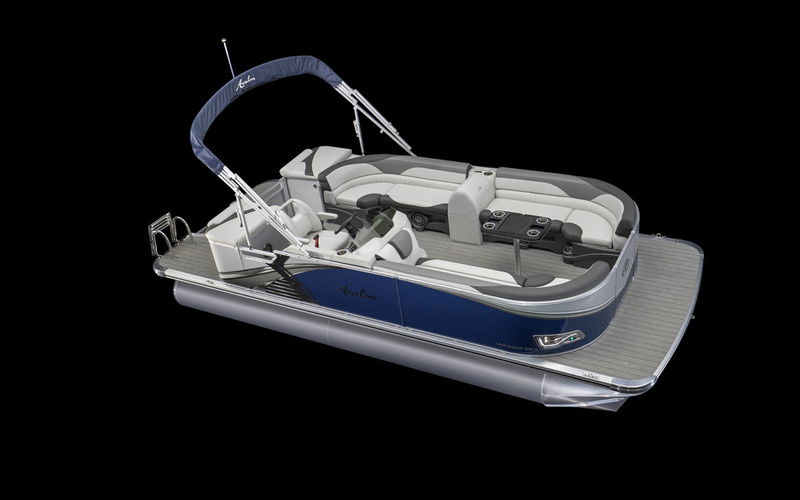
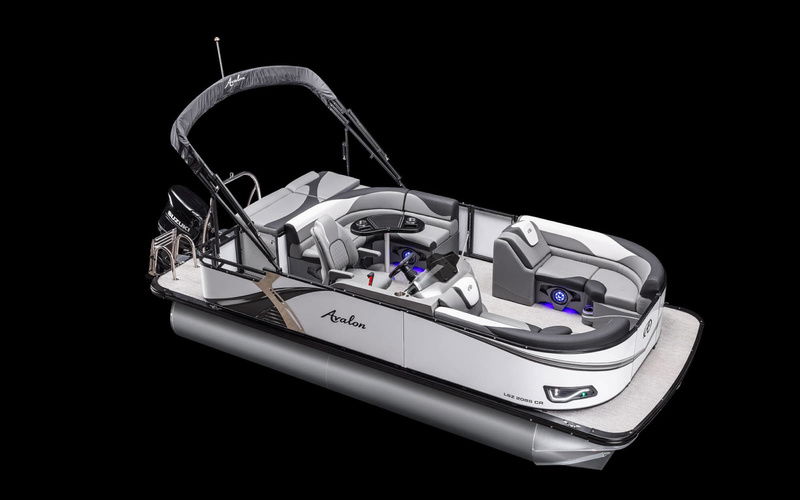
Images have been gathered from various sources and belong to their respective owners.
Review - Avalon LSZ Cruise Rear Bench 22

MarineBroker
06/27/2024, 5:13 AM
2020 Avalon LSZ Cruise Rear Bench 22: How to Keep Your Pontoon Seating Comfortable, Clean, and Boat-Ready
If you own or are shopping for a 2020 Avalon LSZ Cruise Rear Bench 22, you already know how much the rear bench matters to the overall boating experience. It’s one of those spots on a pontoon that seems simple at first, but in real use it becomes a gathering place, a storage challenge, a comfort zone, and sometimes even a maintenance headache.
A rear bench takes a lot of wear. It gets splashed, exposed to sun, stepped on, sat on, and often used as a catch-all for coolers, towels, fishing gear, and life jackets. Over time, that can lead to faded vinyl, loose seams, mildew, sagging cushions, or just a layout that no longer feels as functional as it should. If you’ve been noticing that your pontoon’s rear seating isn’t as comfortable or convenient as it used to be, you’re not alone.
The good news is that most rear-bench problems can be prevented or fixed with a few practical habits. In this article, we’ll look at the common issues owners face with the 2020 Avalon LSZ Cruise Rear Bench 22, and more importantly, how to solve them without overcomplicating the process.
- Why the Rear Bench Matters on a Pontoon Boat
On a pontoon, the rear bench is more than just extra seating. It plays a big role in how the boat feels during a day on the water.
A well-designed rear bench helps with:
- Passenger comfort on longer rides
- Balanced seating distribution
- Easy access to gear and storage
- Social space for family and friends
- A cleaner, more organized deck layout
For a 22-foot pontoon like the 2020 Avalon LSZ Cruise Rear Bench 22, the rear seating area often becomes one of the most used spots on the boat. That means it needs to hold up to regular use, changing weather, and a lot of movement. When it starts to show wear, the whole boat can feel less inviting.
That’s why it makes sense to treat the rear bench as an important part of the boating setup, not just an accessory. Small improvements in care, cleaning, and layout can make a noticeable difference in how the boat performs and feels.
- Common Problems Owners Notice with Rear Bench Seating
Most pontoon owners run into a few familiar issues with rear bench seating. These problems usually don’t happen all at once. They build up slowly from normal use.
Here are some of the most common ones:
- Fading from UV exposure
- Mildew or mold spots from trapped moisture
- Cracked or stiff vinyl
- Loose upholstery seams
- Flattened foam or sagging cushions
- Rusted hinges or corroded hardware
- Dirt buildup in seams and corners
- Poor storage access under the bench
- Slippery or worn seating surfaces
These issues are especially common on boats that spend a lot of time in the sun or are stored outdoors. Even a high-quality pontoon interior can wear down if it isn’t cleaned and protected regularly.
The frustrating part is that many of these problems start small. A little moisture left under a cushion, for example, can turn into mildew. A tiny tear in vinyl can grow into a bigger repair later. The earlier you address them, the easier they are to manage.
- What Usually Causes Rear Bench Wear
Understanding the cause makes it much easier to prevent problems. With pontoon seating, the biggest causes are usually pretty straightforward.
- Sun and UV damage
Direct sunlight breaks down vinyl and fades colors over time. If your boat is uncovered for long periods, this becomes one of the biggest threats to the rear bench.
- Moisture and poor drying
Water from rain, spray, or wet swimsuits can get trapped in seams or under cushions. If the area doesn’t dry fully, mildew can develop quickly.
- Heavy use
Rear benches often get the most traffic because people naturally gather there. More sitting, standing, and shifting means more wear.
- Dirt and debris
Sand, sunscreen, food crumbs, and lake residue can work their way into stitching and seams. Over time, this can damage the finish and make cleaning harder.
- Improper cleaning products
Harsh cleaners can dry out vinyl or strip protective coatings. Using the wrong product can actually create more maintenance problems.
If you know what’s causing the wear, you can choose the right solution instead of just reacting to damage after it happens.
- How to Protect the 2020 Avalon LSZ Cruise Rear Bench 22
A good maintenance routine goes a long way. You do not need a complicated process. The goal is to keep the bench clean, dry, and protected.
- Clean it regularly
Wipe down the rear bench after each outing if possible. If that’s not realistic, make it part of your weekly routine during boating season.
Use:
- Mild soap
- Warm water
- A soft cloth or sponge
- A non-abrasive brush for seams
Avoid:
- Bleach-based cleaners
- Rough scrub pads
- Strong solvents
- Anything that leaves a sticky residue
A simple cleaning routine removes sunscreen, dirt, and moisture before they can settle in.
- Dry it thoroughly
This step is easy to skip, but it matters a lot. After cleaning or after a wet day on the water, dry the bench completely.
Pay attention to:
- Seams
- Corners
- Under-seat areas
- Hinges and storage compartments
If possible, open storage access so air can circulate underneath. A dry bench is much less likely to develop mildew or odor.
- Use a UV protectant
Vinyl protectants made for marine use can help reduce fading and cracking. They also add a layer of defense against sun damage.
Look for products designed specifically for boat upholstery. A good protectant should help without making the surface overly slick.
- Cover the boat when not in use
A fitted cover or mooring cover can dramatically reduce sun and rain exposure. This is one of the easiest ways to extend the life of the rear bench and the rest of the interior.
Even short-term coverage helps if the boat sits in the sun all day between outings.
- Check hardware regularly
If your rear bench includes hinges, latches, or storage access points, inspect them every so often.
Look for:
- Rust
- Loose screws
- Corrosion
- Stiff movement
- Water intrusion
Catching hardware issues early keeps the bench functional and safer to use.
- When a Rear Bench Needs More Than Cleaning
Sometimes the issue is bigger than dirt or fading. If the bench feels uncomfortable or looks visibly damaged, it may need repair or replacement of parts.
Signs it may need more attention:
- Cushions no longer bounce back
- Vinyl is splitting or cracking
- Seams are opening
- Foam feels waterlogged
- The bench rocks or shifts
- Storage access is damaged
- Mold returns quickly after cleaning
At that point, cleaning alone won’t solve the problem. You may need to inspect the cushion structure, upholstery, or mounting points.
For many owners, this is where a practical upgrade or replacement part becomes the better long-term solution. If the seating no longer supports the way you actually use the boat, restoring it can improve both comfort and resale value.
- Choosing the Right Solution for Rear Bench Problems
The best solution depends on what’s wrong. There’s no one-size-fits-all answer, but there is a smart way to decide.
- If the vinyl is faded but intact
Use a marine-safe cleaner and UV protectant. This is usually enough to improve appearance and slow future damage.
- If mildew is the issue
Use a cleaner made for marine upholstery and make sure the area dries completely. Improve ventilation and storage habits so the problem does not return.
- If the cushion feels flat
The foam may be breaking down. In that case, re-cushioning or replacing the affected section may be the best fix.
- If seams are splitting
Small seam repairs can sometimes be handled early, but widespread stitching failure usually means the material is aging out.
- If hardware is corroded
Replace rusted or seized hardware before it causes more damage to the bench structure.
- If the bench layout no longer works for your boating style
Sometimes the issue is not damage, but function. Maybe you need better access to storage, more seating comfort, or a cleaner traffic flow on deck. In that case, adjusting the setup around the rear bench can make the boat feel much more usable.
The key is to match the solution to the actual problem. That saves time, money, and frustration.
- Practical Tips to Make the Rear Bench Last Longer
A few small habits can make a big difference in how long your rear bench stays in good shape.
- Remove wet gear before storing it on the bench
- Wipe sunscreen off surfaces after use
- Keep food and drinks in designated areas
- Use boat shoes or clean feet to reduce grime
- Don’t let standing water sit on cushions
- Open storage compartments after the trip to air out
- Inspect the bench at the start and end of each season
If you use the boat often, these habits become second nature. They also help protect the rest of the pontoon interior, not just the rear bench.
One especially helpful habit is doing a quick “post-trip reset.” That means spending five to ten minutes after each outing clearing debris, wiping surfaces, and checking for moisture. It sounds small, but it prevents a lot of long-term wear.
- Why Comfort Matters More Than People Think
It’s easy to focus only on appearance when looking at pontoon seating, but comfort matters just as much. A rear bench that looks fine but feels hard, uneven, or damp can change how people use the boat.
Comfort affects:
- How long guests want to stay seated
- Whether passengers spread out or crowd other areas
- How relaxing the boat feels overall
- The enjoyment of cruising, fishing, or anchoring out
On a family pontoon, the rear bench often becomes the place where people sit to talk, dry off, or take a break from the sun. If that seating area is neglected, the whole boating experience can feel less enjoyable.
That’s why keeping the 2020 Avalon LSZ Cruise Rear Bench 22 in good condition is not just about maintenance. It’s about preserving the kind of easy, comfortable atmosphere that makes pontoon boating fun in the first place.
- A Simple Seasonal Maintenance Routine
If you want an easy way to stay ahead of problems, use a seasonal checklist.
- Start of season:
- Inspect vinyl for cracks or fading
- Clean all seating surfaces
- Check seams and stitching
- Test hinges and storage access
- Apply UV protectant
- During season:
- Wipe down after use
- Dry wet areas quickly
- Keep the bench free of clutter
- Watch for mildew or odors
- End of season:
- Deep clean all upholstery
- Let everything dry fully
- Repair small damage before storage
- Cover the boat properly
- Store in a dry, ventilated area if possible
This routine is simple, but it helps preserve both the look and function of the seating area over time.
- When It Makes Sense to Replace Instead of Repair
Repair is not always the best answer. If the bench has multiple issues at once, replacement may be the more practical choice.
Replacement may make sense when:
- The vinyl is badly cracked
- Foam is permanently compressed
- Water damage has spread inside the cushion
- Repairs no longer hold
- The bench is uncomfortable despite cleaning
- The cost of repair is close to replacement
A lot of owners try to stretch worn seating too long. While that’s understandable, it can lead to ongoing frustration and more maintenance work. A fresh, properly fitted solution often restores the boat’s feel right away.
If you’re evaluating options, look for marine-grade materials, durable upholstery, and a design that matches how you use the boat. That way, the rear bench works with your boating habits instead of against them.
- Final Thoughts for Avalon LSZ Owners
The 2020 Avalon LSZ Cruise Rear Bench 22 is one of those boat features that quietly shapes the whole experience on the water. When it’s clean, comfortable, and well cared for, the boat feels more inviting and easier to enjoy. When it starts to wear down, though, small problems can affect comfort, appearance, and even how useful the deck feels.
The best solution is usually a mix of regular cleaning, moisture control, UV protection, and timely repairs. If the bench is already showing serious wear, it may be worth considering replacement or restoration before the damage spreads. A little attention now can save a lot of hassle later and keep your pontoon ready for many more seasons of relaxed cruising.
Specifications
General
Boat Type: Power Boats
Class Type: Pontoon Boat
Specifications
Length: 21.42
Beam: 8.5
Draft: 1.97
Hull Material: Aluminium
Build
First Built: 2020
Propulsion
Fuel Type: Unleaded
Engines: 1
Power: 115 HP
Brand: Unknown
Accomodation
PROS & CONS
What we appreciated
 Spacious rear bench seating provides ample room for passengersHigh-quality construction with durable materials for longevitySmooth and stable ride due to pontoon designModern LSZ series offers updated styling and featuresFuel-efficient performance with reliable engine options
What we didn’t appreciate
 Limited top speed compared to performance boatsMay require a larger trailer and tow vehicle due to sizeLess maneuverable in tight spaces compared to smaller boatsBasic amenities compared to luxury pontoon modelsCan be heavier, affecting fuel consumption when fully loaded
Upkeep Costs
Fuel: Approximately $500 - $1,000 per season depending on usage
Maintenance: Around $500 - $1,200 annually (engine servicing, cleaning, minor repairs)
Insurance: Typically $300 - $700 per year
Storage: $600 - $2,000 per year depending on location and type (dry storage, slip, etc.)
Registration and taxes: $50 - $200 annually depending on state

Rating
7.1
User
Score
Score
Driveability
Technology
Interior
Design
Similar Boats


MarineBroker
Download now for an immersive boat experience like never before! ⛵✨ Your journey begins with a simple click. 🌊📲
#SetSailSmart #DownloadNow
#SetSailSmart #DownloadNow

Subscribe
Copyright 2017 - 2026, Marinebroker.net, All Rights Reserved