Boat Database » Avalon Catalina Rear Lounger 23
Avalon Catalina Rear Lounger 23
Outboard four-stroke, Unleaded, 1x 125 HP
Power Boats 2019 Avalon Catalina Rear Lounger 23: What Owners Should Know Before Buying, Using, or Upgrading
If you’re looking at the 2019 Avalon Catalina Rear Lounger 23, chances are you’re trying to answer a few practical questions before ...
Discover
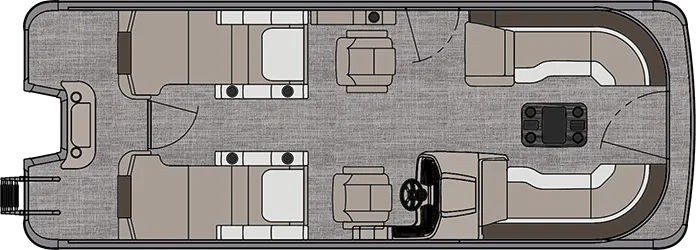
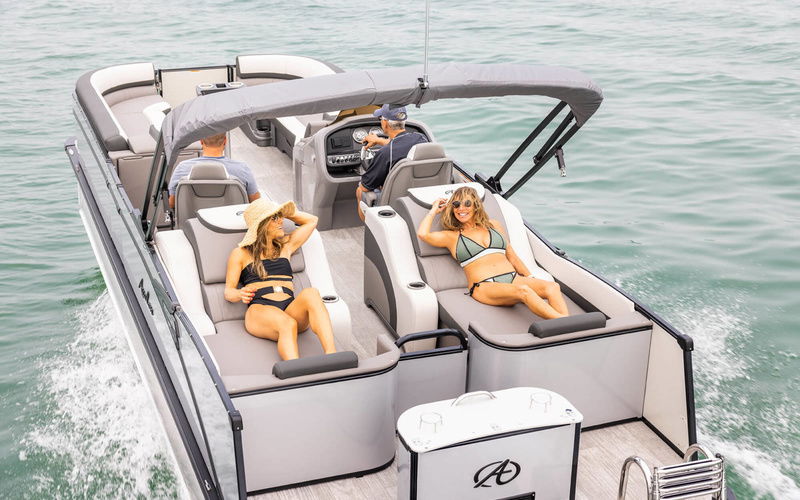

Images have been gathered from various sources and belong to their respective owners.
Review - Avalon Catalina Rear Lounger 23

MarineBroker
06/26/2024, 11:48 AM
2019 Avalon Catalina Rear Lounger 23: What Owners Should Know Before Buying, Using, or Upgrading
If you’re looking at the 2019 Avalon Catalina Rear Lounger 23, chances are you’re trying to answer a few practical questions before making a move. Is it the right layout for your family? Will the rear lounger setup actually work for the way you boat? And if you already own one, how do you get the most comfort, performance, and value out of it without overcomplicating things?
That’s the real challenge with pontoons like this. The 2019 Avalon Catalina Rear Lounger 23 is appealing because it blends style, comfort, and a social layout, but choosing the right boat is never just about looks. You need to think about how you’ll use it, where you’ll take it, how many people you’ll bring along, and whether the design fits your boating habits.
The good news is that this model has a lot going for it when it comes to casual cruising, family time, and relaxing on the water. In this article, we’ll break down what makes the layout useful, what buyers should watch for, and how to solve the most common issues people run into with rear-lounger pontoons. If you’re trying to make a smarter decision, this guide will help you do it with confidence.
- What Makes the 2019 Avalon Catalina Rear Lounger 23 Stand Out
The 2019 Avalon Catalina Rear Lounger 23 is part of a popular pontoon family known for comfort-focused design and easygoing lake performance. The “rear lounger” layout is especially attractive to boaters who want a social space at the back of the boat, often with a view of the water and a more relaxed seating arrangement.
This setup is ideal for people who enjoy cruising, anchoring out, or spending long afternoons with friends and family. Instead of a layout that pushes everyone forward, the rear lounger creates a more open, lounge-like feel that works well for conversation and relaxation.
A 23-foot pontoon is also a sweet spot for many owners. It’s large enough to feel roomy, but still manageable for trailering, docking, and storage compared with bigger models.
- Why the Rear Lounger Layout Appeals to So Many Boaters
One of the biggest reasons people search for the 2019 Avalon Catalina Rear Lounger 23 is the seating design. Rear loungers have become popular because they make the boat feel more like a floating living room than a traditional runabout.
That matters if your idea of boating is less about speed and more about comfort. A rear-facing lounge gives guests a chance to enjoy the ride, watch the wake, or simply stretch out and relax.
Here’s why the layout works so well:
- It creates a natural social area at the back of the boat.
- It gives passengers a comfortable place to sit while underway or anchored.
- It often feels more spacious than standard bench seating.
- It’s better suited for casual cruising than high-energy watersports.
For many families, this layout is the solution to the common problem of everyone crowding around the same section of the boat. With more defined seating, people spread out more naturally and the onboard experience feels calmer.
- The Main Problem Buyers Face: Choosing Comfort Without Sacrificing Practicality
When people shop for a pontoon like the 2019 Avalon Catalina Rear Lounger 23, they often run into the same issue: they want a boat that feels luxurious and relaxing, but they don’t want something that becomes awkward to use.
That’s a fair concern.
A lounge-heavy layout can sometimes reduce open deck space, and some buyers worry it won’t be versatile enough for different activities. Others wonder whether a rear lounger is a good fit for kids, guests, or light watersports.
The practical solution is to match the layout to your real boating habits.
Ask yourself:
- Do you mostly cruise and relax?
- Do you entertain guests often?
- Do you anchor and swim more than tow?
- Do you want a boat that feels like a social space first and a sports platform second?
If the answer is yes to the first three, the rear lounger design is probably a strong match. If you want a boat that’s built mainly for tubing, skiing, or fast-paced action, you may want to compare it with more open or performance-focused layouts.
- 2019 Avalon Catalina Rear Lounger 23: Comfort Features That Matter
What makes this boat appealing isn’t just the seating arrangement. It’s also the way the Catalina line typically emphasizes comfort and user-friendly details.
While exact features can vary depending on the package and options chosen, buyers often look for the following kinds of benefits in this model:
- Plush upholstery designed for longer outings
- A layout that encourages conversation and lounging
- Plenty of seating for family and friends
- Easy movement through the boat
- Storage areas for gear, coolers, and personal items
These features matter because they solve a common boating pain point: clutter and discomfort. A well-designed pontoon should make it easy to enjoy the day without constantly rearranging bags, towels, and life jackets.
If you’re comparing boats, pay close attention to how the seating is arranged and how much usable storage is included. A comfortable boat is great, but a comfortable boat that stays organized is even better.
- Is the 2019 Avalon Catalina Rear Lounger 23 Good for Families?
For many families, yes, it absolutely can be.
The rear lounger layout works especially well for mixed-age groups because it gives everyone a place to settle in. Adults can relax in the lounge area, while kids usually enjoy moving between seats, watching the water, or hanging out near the swim platform when the boat is stopped.
That said, family boating has its own priorities. You want safety, visibility, and enough room to move around without feeling cramped.
This model is a solid family option if you value:
- Casual cruising over high-speed boating
- Comfortable seating for several passengers
- A relaxed environment for day trips
- Easy boarding and swimming access
The solution to making it family-friendly is simple: plan the boat around real use. Add practical storage bins, keep essentials organized, and think through how passengers will move from seating to swimming and back again.
- How to Tell If a Rear Lounger Fits Your Boating Style
Not every boater uses a pontoon the same way. That’s why the 2019 Avalon Catalina Rear Lounger 23 is a great fit for some people and less ideal for others.
If you mainly want a boat for:
- Sunset cruises
- Lake days with friends
- Dockside lounging
- Swimming and relaxing
- Casual sightseeing
then this layout makes a lot of sense.
If you’re more focused on:
- Watersports
- Fishing
- Fast acceleration
- Large gear hauling
- Maximum open deck space
then you may want to compare it with a different pontoon style.
The easiest way to solve this decision is to picture a typical day on the water. Not the best-case scenario, but the most common one. If most of your time is spent talking, relaxing, and cruising slowly, a rear lounger is likely the better fit.
- Performance Expectations: What Buyers Should Realistically Look For
A lot of people search for the 2019 Avalon Catalina Rear Lounger 23 because they want a comfortable pontoon, but it’s also important to think about performance realistically.
A 23-foot pontoon is generally designed for stability and smooth cruising rather than aggressive speed. That’s part of the appeal. You get a steady ride, easier handling, and a more relaxed boating experience.
Performance depends on several factors:
- Engine choice
- Load weight
- Water conditions
- Pontoon tube configuration
- Propeller setup
If you’re buying used, it’s smart to ask how the boat was typically operated. A boat that spent its life cruising lightly on calm water may feel very different from one that was often loaded with passengers and gear.
The practical solution here is to test the boat in conditions similar to how you plan to use it. A quick dockside look is helpful, but it won’t tell you how the boat feels with a full crew on a busy weekend.
- Buying Used? What to Inspect on a 2019 Avalon Catalina Rear Lounger 23
If you’re shopping for a used 2019 Avalon Catalina Rear Lounger 23, the biggest mistake is focusing only on appearance. A pontoon can look clean and still have issues that affect safety, comfort, or value.
Here’s what to check carefully:
- Upholstery condition
- Flooring wear
- Seam integrity on seats
- Corrosion or oxidation on rails and hardware
- Condition of the pontoons themselves
- Engine service records
- Steering and throttle responsiveness
- Electrical systems and lights
- Bimini top and frame condition
Pay close attention to signs of water intrusion, mildew, or neglected maintenance. Those can turn into expensive repairs later.
A good solution is to bring along a checklist and, if possible, have a marine mechanic inspect the boat before purchase. That small step can save a lot of money and stress.
- Common Problems With Rear Lounger Pontoons and How to Handle Them
Like any pontoon, the 2019 Avalon Catalina Rear Lounger 23 can develop issues over time. The good news is that many of the common problems are manageable if you catch them early.
Some typical concerns include:
- Worn upholstery from sun exposure
- Loose seat bases or hardware
- Fading or cracking vinyl
- Storage areas that trap moisture
- Electrical accessory issues
- Dirt and grime buildup in high-traffic areas
The best solution is regular maintenance. Clean the upholstery with marine-safe products, keep the boat covered when not in use, and inspect hardware at the start and end of each season.
A lot of owners wait until something feels “bad enough” to fix. That usually costs more in the long run. Small repairs and routine care go a long way with pontoons, especially ones designed for comfort and leisure.
- How to Make the Most of the Rear Lounger Design
If you already own the 2019 Avalon Catalina Rear Lounger 23, the real value comes from using the layout well. A rear lounger shines when the boat feels organized, welcoming, and easy to move around in.
A few simple upgrades or habits can make a big difference:
- Use weather-resistant storage bins for loose items
- Keep soft goods dry and off the floor
- Add cup holders or accessory organizers if needed
- Use seat covers or a full cover when stored
- Create a “drop zone” for shoes, towels, and bags
The goal is to preserve the relaxing feel of the rear lounger area. When the boat gets cluttered, the layout loses some of its charm.
One of the smartest things you can do is treat the pontoon like a small outdoor living space. That mindset helps you keep it clean, functional, and enjoyable.
- Who Is the 2019 Avalon Catalina Rear Lounger 23 Best For?
This boat is a strong match for boaters who want comfort first and foremost. It’s especially appealing to:
- Families who cruise together
- Couples who like relaxed lake days
- Groups of friends who socialize on the water
- Owners who want a stylish, easygoing pontoon
- People who value lounging and conversation over performance
That’s really the heart of the appeal. The 2019 Avalon Catalina Rear Lounger 23 is not trying to be everything at once. It’s designed to make a certain kind of boating experience better: laid-back, comfortable, and social.
If that’s the experience you want, the boat makes a lot of sense.
- Smart Tips for Comparing It With Other Pontoon Boats
If you’re still deciding, compare this model against similar pontoons using a few practical criteria rather than just brand names or looks.
Look at:
- Seating layout
- Storage space
- Engine options
- Deck space
- Ease of boarding
- Maintenance history
- Overall condition if buying used
It also helps to think about your usual passenger count. A boat that feels spacious for four people may feel tight with eight. Matching the layout to your real crew is one of the easiest ways to avoid buyer’s remorse.
The solution is to compare boats the way you’ll actually use them, not just how they look in listings or showroom photos.
- Final Thoughts on the 2019 Avalon Catalina Rear Lounger 23
The 2019 Avalon Catalina Rear Lounger 23 stands out because it solves a common boating problem: how to create a space that feels relaxing, social, and easy to enjoy without making the boat overly complicated. For the right buyer, that rear lounger layout is a big advantage. It offers comfort, a casual atmosphere, and a layout that works especially well for cruising, family time, and laid-back lake days.
If you’re shopping used, focus on condition, maintenance, and how the boat fits your actual boating style. If you already own one, a little routine care and smart organization can make the experience even better. In the end, this model is all about making time on the water feel simple and enjoyable. If you want to learn more, compare similar pontoon layouts and inspect real-world features before making your next move.
Specifications
General
Boat Type: Power Boats
Class Type: Pontoon Boat
Specifications
Length: 23.43
Beam: 8.5
Draft: 1.97
Hull Material: Aluminium
Build
First Built: 2019
Propulsion
Fuel Type: Unleaded
Engines: 1
Power: 125 HP
Brand: Unknown
Accomodation
PROS & CONS
What we appreciated
 Spacious rear lounger seating ideal for relaxation and socializingHigh-quality construction with durable materials for longevitySmooth and stable ride suitable for calm lakes and riversModern design with ample storage compartmentsGood fuel efficiency for a pontoon of its size
What we didn’t appreciate
 Limited performance in rough or choppy waters due to pontoon designMay require a larger trailer for transport due to sizeLess maneuverable compared to smaller or single-hull boatsStandard engine options may lack high speed or power for watersportsInterior customization options might be limited compared to newer models
Upkeep Costs
Fuel: Approximately $1,500 - $2,500 per year depending on usage
Maintenance and Repairs: Around $1,000 - $1,500 per year
Storage: $500 - $2,000 per year depending on location and type
Insurance: $300 - $700 per year
Registration and Taxes: $100 - $300 per year
Rating
7.3
User
Score
Score
Driveability
Technology
Interior
Design
Similar Boats


2021 Avalon Catalina Platinum Quad Lounger Windshield 27
Power Boats • Pontoon Boat
LOA 8.36 • Beam 2.59


MarineBroker
Download now for an immersive boat experience like never before! ⛵✨ Your journey begins with a simple click. 🌊📲
#SetSailSmart #DownloadNow
#SetSailSmart #DownloadNow

Subscribe
Copyright 2017 - 2026, Marinebroker.net, All Rights Reserved