Boat Database » Avalon Venture Cruise Rear Bench 16
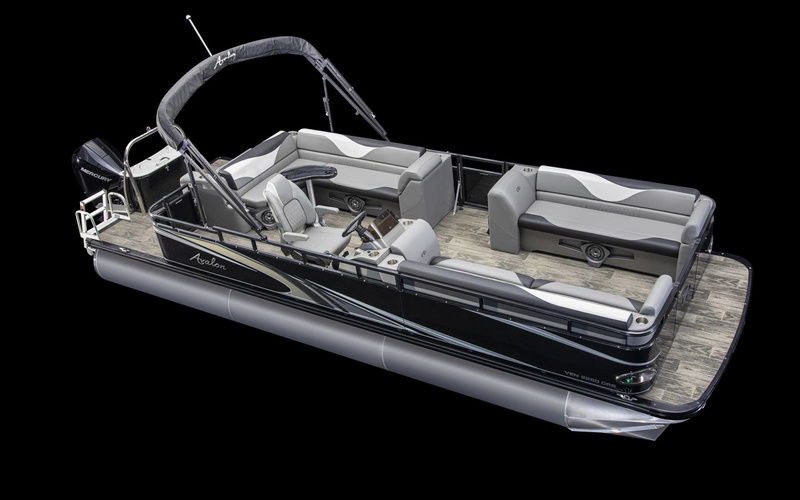
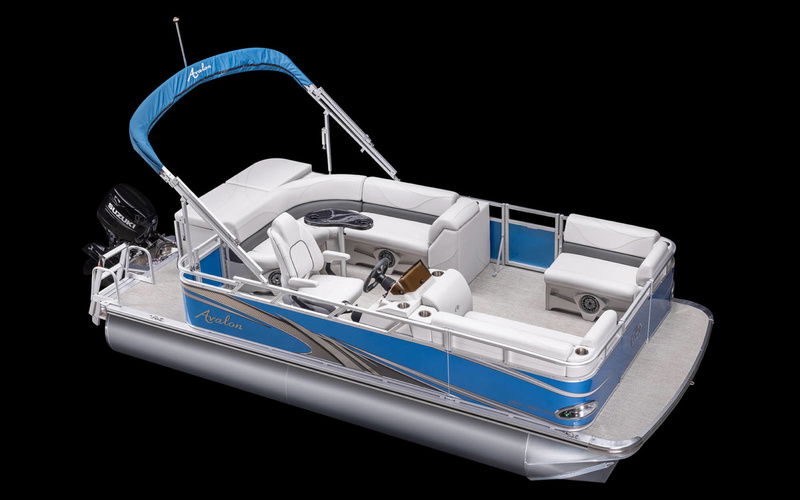
Avalon Venture Cruise Rear Bench 16
Outboard four-stroke, Unleaded, 1x 50 HP
Power Boats 2020 Avalon Venture Cruise Rear Bench 16: What to Know Before You Replace, Repair, or Upgrade
If you’re looking into the 2020 Avalon Venture Cruise Rear Bench 16, chances are you’re dealing with one of a few common boat-owner hea...
Discover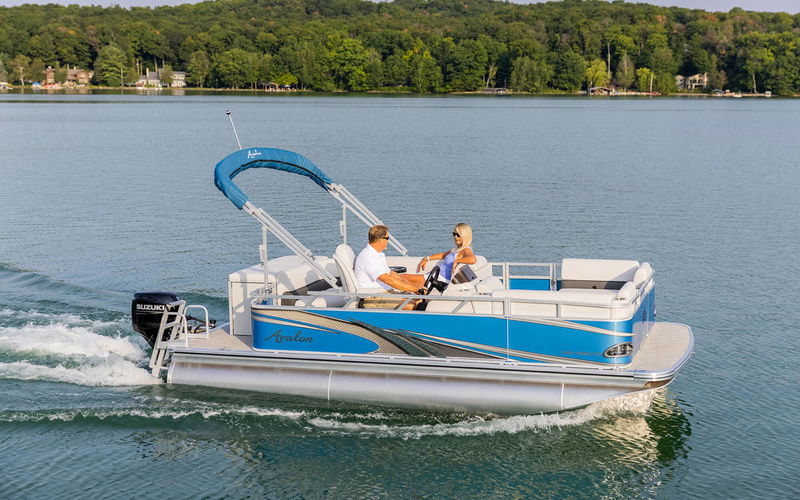

Images have been gathered from various sources and belong to their respective owners.
Review - Avalon Venture Cruise Rear Bench 16

MarineBroker
06/28/2024, 7:09 AM
2020 Avalon Venture Cruise Rear Bench 16: What to Know Before You Replace, Repair, or Upgrade
If you’re looking into the 2020 Avalon Venture Cruise Rear Bench 16, chances are you’re dealing with one of a few common boat-owner headaches: a worn-out seat, a damaged rear bench, or a layout that just isn’t as comfortable or practical as it used to be. Rear bench seating might not be the flashiest part of a pontoon, but it plays a big role in how your boat feels on the water.
A rear bench can affect everything from passenger comfort to storage access and even how easy it is to keep your deck clean and organized. When it starts showing its age, you notice it fast. Cushions flatten, vinyl cracks, seams loosen, and suddenly the back of the boat becomes the least enjoyable spot onboard.
The good news is that you usually don’t need to overhaul the whole boat to fix the problem. With the right approach, you can improve comfort, restore function, and make smart decisions about repair, replacement, or upgrading. In this guide, we’ll walk through what the rear bench does, the most common issues owners run into, and practical ways to solve them without overcomplicating the process.
- Why the Rear Bench Matters on a Pontoon Boat
The rear bench on a pontoon like the 2020 Avalon Venture Cruise Rear Bench 16 is more important than many owners realize. It’s not just extra seating. It helps shape the whole flow of the deck.
On a cruise-style pontoon, the rear bench often serves as:
- Passenger seating for lounging or socializing
- A transition area near the stern
- A space that influences traffic flow on board
- A visual anchor for the boat’s interior layout
When the bench is in good shape, the boat feels open, comfortable, and easy to use. When it’s not, the whole stern area can feel awkward or worn down.
A rear bench also takes more abuse than people expect. It gets constant sun exposure, moisture from swimmers, sunscreen, dirt, and repeated use. Over time, that wear adds up. That’s why understanding the condition of the bench is the first step in solving comfort and maintenance problems.
- Common Problems Owners Run Into
If you’re researching the 2020 Avalon Venture Cruise Rear Bench 16, you’re probably trying to solve a real issue rather than just browsing. The most common rear bench problems usually fall into a few categories.
- Worn or cracked vinyl
Pontoon upholstery lives a tough life. UV rays dry out the material, and temperature swings make it expand and contract. Eventually, the vinyl can crack, fade, or peel.
- Flattened cushions
Even if the exterior looks okay, the foam inside may have lost support. That makes the seat less comfortable and can give the bench a tired, sagging look.
- Loose seams or stitching
Seams are often the first place to fail when a seat is heavily used. Once stitching starts to separate, moisture can get inside and make the damage worse.
- Water intrusion
A rear bench is more exposed to spray, rain, and wet swim gear. If water gets trapped in the cushion or base, it can lead to mildew, odors, or hidden damage.
- Structural wear
Sometimes the problem isn’t the upholstery at all. The frame, hinges, or mounting hardware may loosen over time, causing squeaks, movement, or instability.
- Why These Problems Happen
Understanding the cause makes the fix much easier. Most rear bench issues come from a mix of age, weather, and regular use.
Here are the biggest culprits:
- Sun exposure: UV rays break down vinyl and fade color
- Moisture: Water can seep into seams and foam
- Heavy use: Frequent sitting compresses cushions
- Poor storage: Boats left uncovered wear faster
- Lack of cleaning: Dirt and grime speed up material breakdown
This is especially true on family boats and cruise pontoons, where the rear bench gets used constantly during long days on the water.
The key takeaway is simple: most bench problems are preventable or manageable if caught early.
- How to Inspect the Rear Bench Properly
Before deciding whether to repair or replace, do a careful inspection. A quick glance isn’t enough.
Use this checklist:
1. Check the vinyl surface
Look for cracks, fading, puckering, or soft spots.
2. Press the cushions
If they feel flat or uneven, the foam may be breaking down.
3. Inspect seams and stitching
Small seam splits can grow fast if ignored.
4. Look underneath
Check for rust, corrosion, loose screws, or warped mounting points.
5. Smell for mildew
A musty odor usually means moisture has gotten inside the cushion.
6. Test stability
Sit on the bench and shift your weight. Any wobble or creaking should be addressed.
If the bench has only cosmetic wear, you may be able to extend its life with cleaning, conditioning, or a cushion refresh. If the frame or base is compromised, replacement may be the better route.
- Repair or Replace: How to Decide
This is usually the biggest question for owners of the 2020 Avalon Venture Cruise Rear Bench 16. The answer depends on the type and extent of damage.
- Repair makes sense when:
- The frame is solid
- The damage is limited to vinyl or stitching
- The foam still has decent support
- The bench is otherwise comfortable and functional
Repairs can include:
- Vinyl patching
- Re-stitching seams
- Replacing foam inserts
- Tightening or replacing hardware
- Deep cleaning and mildew treatment
- Replace makes sense when:
- The vinyl is badly cracked or split
- Foam is waterlogged or collapsing
- The frame is bent, rusted, or unstable
- Multiple areas are failing at once
- Repairs would cost nearly as much as a new bench solution
A good rule of thumb: if the bench has several issues at once, replacement is usually more cost-effective in the long run.
- Practical Ways to Improve Comfort Without a Full Overhaul
Sometimes the rear bench isn’t broken, it just isn’t working well for how you use the boat. In that case, a few smart upgrades can make a big difference.
- Add better cushioning
If the bench feels too firm or worn out, replacing the foam or adding a seat topper can improve comfort quickly.
- Use marine-grade covers
Covers help protect the bench from UV damage, dirt, and moisture. They’re especially useful if the boat sits outside between trips.
- Improve drainage and drying
Make sure wet cushions can dry properly after use. Leaving them damp is one of the fastest ways to create mildew problems.
- Upgrade hardware
Loose or corroded fasteners can make a bench feel worse than it really is. Replacing basic hardware with marine-grade components can improve stability and durability.
- Clean and condition regularly
A simple maintenance routine goes a long way:
- Rinse off salt and dirt
- Use a marine-safe vinyl cleaner
- Apply UV protectant
- Dry thoroughly before storage
These steps won’t fix major damage, but they can extend the life of the bench significantly.
- What to Look for in a Replacement Solution
If replacement is the right answer, focus on fit, durability, and comfort. For the 2020 Avalon Venture Cruise Rear Bench 16, the goal is to restore the boat’s usability without creating new headaches.
Look for these features:
- Marine-grade vinyl that resists UV and moisture
- Foam designed for outdoor marine seating
- Strong stitching and reinforced seams
- A structure that matches the boat’s layout
- Easy-to-clean surfaces
- Hardware that resists corrosion
It’s also worth paying attention to how the bench fits into the rest of the deck. A rear bench should support the boat’s traffic pattern, not block movement or make access to other areas awkward.
If you’re upgrading rather than replacing exactly like-for-like, think about how your family uses the boat:
- Do passengers lounge in the back?
- Is the rear area used for fishing, swimming, or docking access?
- Do you need easier cleanup after kids and pets?
- Is storage access important?
The best solution is the one that fits your real boating habits.
- Maintenance Tips to Make the New Bench Last Longer
Once you’ve repaired or replaced the rear bench, protecting it becomes the next priority. A little maintenance helps prevent the same problems from coming back too soon.
Here are some simple habits that help:
- Keep the boat covered when not in use
- Wipe down cushions after each outing
- Avoid harsh cleaners that damage vinyl
- Store the boat in a dry, shaded area when possible
- Check seams and fasteners at the start and end of the season
- Remove standing water quickly
If your boat sees a lot of summer use, consider making bench care part of your regular post-trip routine. Ten minutes of upkeep can save a lot of money later.
- How the Rear Bench Affects the Overall Boating Experience
It’s easy to think of a rear bench as just a seat, but on a pontoon it has a bigger impact than that. A comfortable, well-kept bench makes the whole boat feel more inviting.
When the rear bench is in good shape, people naturally spend more time onboard. They relax more easily, move around more comfortably, and enjoy the ride without constantly shifting to avoid a bad cushion or sticky surface.
That matters on a cruise boat, where comfort is a big part of the experience. A worn bench can make the stern feel neglected, while a solid, clean seating area helps the boat feel cared for and enjoyable.
In other words, fixing the rear bench isn’t just about maintenance. It’s about making the boat more usable and more fun.
- When It’s Worth Getting Professional Help
Some rear bench issues are easy for a handy owner to handle. Others are better left to a marine professional or upholstery shop.
Consider professional help if:
- The frame is damaged
- You suspect hidden water damage
- The bench needs custom upholstery work
- You want a cleaner, factory-style finish
- The repair involves electrical components or complex mounting
A professional can also help confirm whether the issue is isolated or part of a larger structural problem. That can prevent wasted time and money on temporary fixes.
- A Simple Game Plan for Owners
If you’re trying to figure out what to do next with the 2020 Avalon Venture Cruise Rear Bench 16, here’s the simplest approach:
1. Inspect the bench closely
2. Identify whether the issue is cosmetic, comfort-related, or structural
3. Decide if repair is realistic
4. Compare repair cost to replacement value
5. Protect the bench with regular maintenance going forward
That process keeps you from rushing into the wrong solution. It also helps you spend money where it actually improves the boating experience.
- Conclusion
The 2020 Avalon Venture Cruise Rear Bench 16 is one of those boat features that quietly affects comfort, appearance, and day-to-day usability. When it’s in good condition, the whole stern area feels better. When it starts to wear out, the problems show up fast in the form of cracked vinyl, sagging cushions, or loose hardware.
The best solution depends on the type of damage. Small issues can often be repaired, while more serious wear may call for replacement or a better long-term upgrade. Either way, regular cleaning, protection, and inspection can help you get more life out of the bench and keep your pontoon feeling ready for the water.
If you’re planning your next repair or upgrade, start with a careful inspection and choose the fix that matches how you actually use your boat. That’s usually the smartest and most cost-effective path.
Specifications
General
Boat Type: Power Boats
Class Type: Pontoon Boat
Specifications
Length: 17.42
Beam: 7.51
Draft: 1.97
Hull Material: Aluminium
Build
First Built: 2020
Propulsion
Fuel Type: Unleaded
Engines: 1
Power: 50 HP
Brand: Unknown
Accomodation
PROS & CONS
What we appreciated
 Spacious rear bench seating ideal for family and guestsDurable construction with high-quality materialsSmooth and stable ride suitable for cruising and fishingAmple storage compartments for gear and accessoriesEasy to maneuver and dock due to compact size
What we didn’t appreciate
 Limited horsepower capacity may restrict speed optionsBasic features compared to more premium pontoon modelsNo built-in restroom or cabin for extended tripsRear bench seating may limit open deck spaceStandard engine options might have lower fuel efficiency
Upkeep Costs
Insurance: $300 - $600 per year
Storage: $500 - $1,500 per year (varies by location and type)
Maintenance: $200 - $500 per year
Fuel: $100 - $300 per year (depending on usage)
Registration and fees: $50 - $150 per year

Rating
6.5
User
Score
Score
Driveability
Technology
Interior
Design
Similar Boats


MarineBroker
Download now for an immersive boat experience like never before! ⛵✨ Your journey begins with a simple click. 🌊📲
#SetSailSmart #DownloadNow
#SetSailSmart #DownloadNow

Subscribe
Copyright 2017 - 2026, Marinebroker.net, All Rights Reserved