Boat Database » Avalon GS Cruise II 21
Avalon GS Cruise II 21
Outboard four-stroke, Unleaded, 1x 115 HP
Power Boats 2017 Avalon GS Cruise II 21: A Practical Guide to Common Ownership Challenges and Easy Fixes
If you’re looking into the 2017 Avalon GS Cruise II 21, chances are you already know it’s the kind of pontoon that’s built for relaxed d...
Discover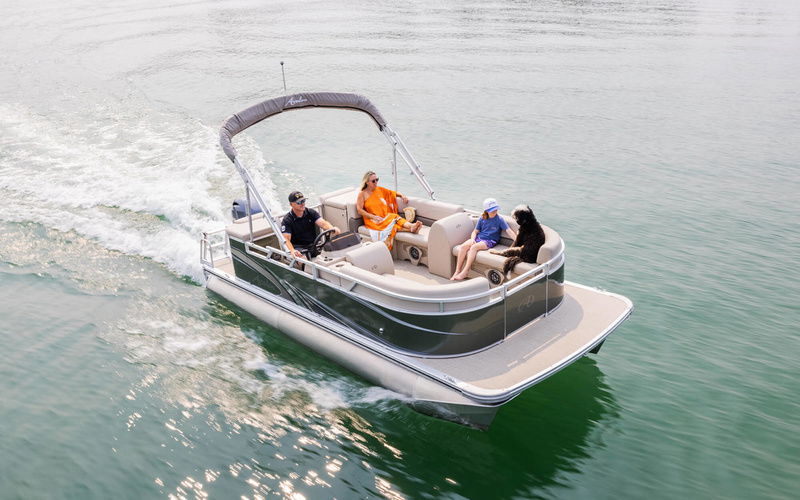

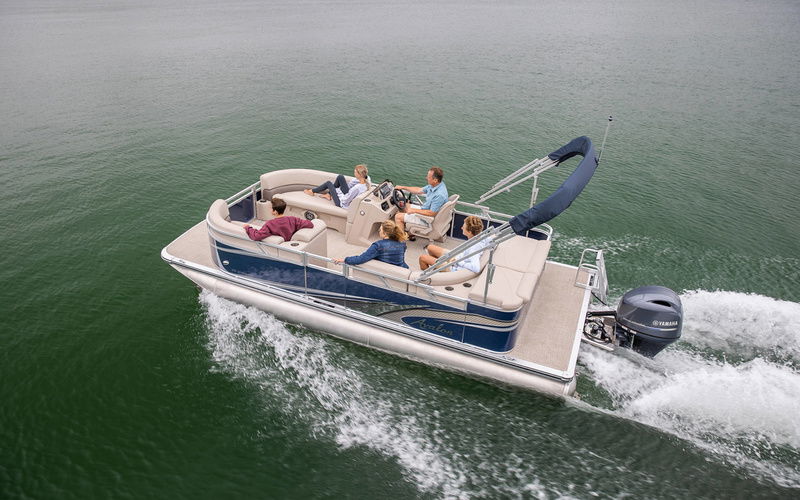
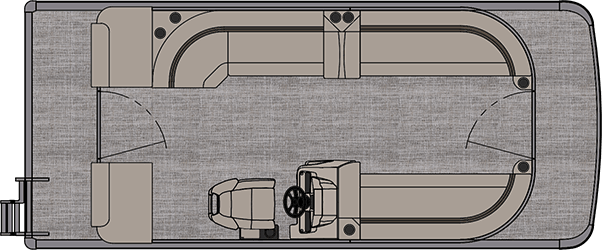
Images have been gathered from various sources and belong to their respective owners.
Review - Avalon GS Cruise II 21

MarineBroker
06/28/2024, 12:32 AM
2017 Avalon GS Cruise II 21: A Practical Guide to Common Ownership Challenges and Easy Fixes
If you’re looking into the 2017 Avalon GS Cruise II 21, chances are you already know it’s the kind of pontoon that’s built for relaxed days on the water, family cruising, and easygoing fun. It has a reputation for comfort and smooth handling, which makes it appealing to buyers who want something dependable without getting too complicated. But like any boat, it can come with a few ownership headaches that are easy to overlook at first.
The most common problem for people interested in the 2017 Avalon GS Cruise II 21 isn’t usually one major flaw. It’s more often a mix of smaller concerns: how to evaluate its condition, what to check before buying, how to keep it performing well, and how to avoid expensive surprises later. The good news is that most of these issues are manageable with the right inspection routine and maintenance habits.
In this article, we’ll walk through the practical things to watch for, what matters most during a walkthrough or sea trial, and how to keep this pontoon boat in solid shape for the long haul.
- What Makes the 2017 Avalon GS Cruise II 21 Worth Considering
The 2017 Avalon GS Cruise II 21 is a 21-foot pontoon designed for casual boating, family outings, and comfortable cruising. For many buyers, the appeal is straightforward: plenty of deck space, stable handling, and an easy onboard experience.
A 21-foot pontoon is often a sweet spot for people who want a boat that feels roomy but still manageable. It’s large enough to host a small group, yet not so big that docking and trailering become stressful for newer owners.
A boat like this is usually used for:
- Lake cruising
- Fishing and relaxing
- Short day trips
- Family recreation
- Tubing or light watersports, depending on engine setup
That versatility is part of the reason people search for this model. But versatility also means buyers should pay close attention to how the boat was used. A pontoon that spent its life as a gentle cruiser will usually show different wear than one used hard for towing or heavy social use.
- The Main Problem Buyers Run Into: Hidden Condition Issues
When people shop for a used pontoon like the 2017 Avalon GS Cruise II 21, the biggest problem is not always the boat itself. It’s not knowing how to judge its real condition.
On paper, a listing may look great. In person, though, small issues can add up fast:
- Worn decking or carpet
- Corrosion on fittings
- Soft seats or cracked vinyl
- Engine maintenance gaps
- Damaged pontoons or under-deck components
- Electrical problems from age or moisture
These issues can be easy to miss if you only look at the boat from the dock. That’s why a careful inspection matters so much.
The challenge is that pontoon boats often appear simpler than fiberglass boats, but they still have plenty of systems that need attention. If any of them were neglected, the cost to fix them can quickly change the value of the boat.
- How to Inspect a 2017 Avalon GS Cruise II 21 Before Buying
A smart inspection can save a lot of frustration later. If you’re considering this model, focus on the areas that affect safety, reliability, and long-term ownership costs.
- Start with the pontoons
The pontoons are the foundation of the boat. Check for dents, punctures, weld damage, or signs of repairs.
Look closely for:
- Uneven wear
- Corrosion around seams
- Water intrusion
- Scrapes from beaching or trailer loading
Minor cosmetic marks are normal on a used pontoon. Deep dents, patched areas, or signs of repeated impact deserve more attention.
- Check the deck and flooring
Walk every part of the deck and listen for soft spots or flexing. A solid deck should feel firm underfoot.
Pay attention to:
- Loose fasteners
- Soft flooring
- Water stains
- Mold or mildew smell
- Areas that feel spongy
If the decking feels weak, that can point to moisture damage underneath. That’s a repair you don’t want to ignore.
- Inspect the upholstery
Pontoon seats take a beating from sun, moisture, and regular use. On the 2017 Avalon GS Cruise II 21, the seating should still be in decent shape unless the boat was stored poorly.
Check for:
- Cracked vinyl
- Stiff or faded cushions
- Broken stitching
- Mold under cushions
- Rust on seat frames
Upholstery replacement can be expensive, so this is one of those details that affects value more than many buyers realize.
- Review the engine and controls
If the boat includes an outboard motor, ask for service records. Even a good engine can become a problem if it wasn’t maintained properly.
Look for:
- Smooth starting
- Clean idle
- Strong acceleration
- No unusual smoke
- No overheating
- Responsive throttle and steering
Also inspect the control cables, propeller, and lower unit for wear or damage. A clean-running engine is one of the best signs that the boat was cared for.
- Test electrical and accessories
Pontoon boats often have lights, gauges, stereos, pumps, and other accessories that seem minor until they stop working.
Check:
- Navigation lights
- Horn
- Bilge pump
- Battery condition
- Gauge function
- Stereo and speakers
- Courtesy lighting
Electrical problems are often caused by age, corrosion, or poor storage. They’re fixable, but they can be annoying if ignored.
- Common Ownership Issues and How to Solve Them
Once you own a 2017 Avalon GS Cruise II 21, the main goal is to keep small issues from turning into big repairs. Most pontoon problems are preventable with routine care.
- Problem: Vinyl and upholstery wear
Sun exposure is one of the biggest enemies of pontoon seating. Over time, vinyl can dry out, fade, or crack.
Solution:
- Clean seats regularly with a marine-safe cleaner
- Use UV protectant
- Keep the boat covered when not in use
- Store cushions dry and ventilated
If you live in a hot, sunny area, this matters even more. A good cover and regular cleaning can extend upholstery life significantly.
- Problem: Corrosion on hardware
Even freshwater boats can develop corrosion, especially around fasteners, railings, and electrical connections.
Solution:
- Rinse the boat after use
- Inspect metal parts often
- Apply marine corrosion inhibitor
- Replace rusted hardware early
- Keep battery terminals clean and tight
A little prevention goes a long way here. Corrosion starts small but spreads fast if ignored.
- Problem: Deck moisture and mildew
Pontoon boats are exposed to water constantly, and moisture trapped under cushions or flooring can lead to mildew and odor.
Solution:
- Dry the boat thoroughly after use
- Lift cushions during storage when possible
- Keep drain areas clear
- Use moisture absorbers in covered storage
- Clean mildew stains right away
If the boat smells musty, don’t just mask it. Find the source and dry it out properly.
- Problem: Engine performance issues
A used boat may run fine at idle but struggle under load if maintenance has been inconsistent.
Solution:
- Follow the manufacturer’s service schedule
- Change fuel filters and spark plugs as needed
- Use fresh, stabilized fuel
- Flush the engine after saltwater use
- Have a mechanic inspect it annually
Most engine problems are easier and cheaper to prevent than repair. That’s especially true for older outboards that may have sat unused for long periods.
- Problem: Trailer wear and launch stress
If the 2017 Avalon GS Cruise II 21 comes with a trailer, don’t overlook it. A neglected trailer can create headaches every time you launch.
Solution:
- Check tires for dry rot and proper pressure
- Inspect bearings and lights
- Grease moving parts
- Look for frame rust
- Test winch and bunk condition
A good trailer makes ownership much easier. A bad one can turn every trip into a hassle.
- What to Look for in Maintenance Records
One of the best ways to reduce risk is to review the boat’s history. Maintenance records tell you a lot about how the 2017 Avalon GS Cruise II 21 was treated.
Useful records include:
- Engine service logs
- Winterization notes
- Oil and filter changes
- Battery replacement dates
- Upholstery repairs
- Pontoon repairs or inspections
- Trailer service history
If the seller can’t provide records, that doesn’t automatically mean the boat is bad. But it does mean you should inspect it more carefully and budget for possible catch-up maintenance.
A well-documented boat usually gives you more confidence, even if it’s not the newest or flashiest option.
- Why a Sea Trial Matters So Much
A sea trial is one of the best tools for evaluating any used pontoon boat, including the 2017 Avalon GS Cruise II 21. It shows you how the boat behaves in real conditions, not just how it looks at the dock.
During the test, pay attention to:
- How quickly it starts
- Whether it idles smoothly
- Steering effort and responsiveness
- Acceleration
- Vibration or rattling
- Noise from the engine or deck
- How it handles turns and wake
A boat can look clean and still have hidden mechanical issues. A sea trial helps reveal those problems before you commit.
If possible, test the boat with the typical number of passengers it will carry. Pontoon performance can change a lot depending on load.
- How to Keep a 2017 Avalon GS Cruise II 21 in Great Shape
Once you’ve bought the boat, simple habits can make a huge difference in how long it stays comfortable and reliable.
Here are the basics:
1. Rinse the boat after each outing
2. Keep it covered when stored
3. Clean seats and flooring regularly
4. Inspect the engine before each season
5. Grease fittings and check hardware
6. Charge and maintain the battery
7. Winterize properly if you live in a cold climate
These steps may sound basic, but they prevent many of the most common pontoon problems. Boats that are cleaned and stored correctly usually last longer and cost less to maintain.
- Is the 2017 Avalon GS Cruise II 21 a Good Fit for You?
This model makes the most sense for someone who wants a comfortable, easy-to-use pontoon for relaxed lake life. It’s a practical choice if your priorities are stability, space, and simple enjoyment rather than high-speed performance.
It may be a good fit if you:
- Want a family-friendly cruiser
- Prefer low-stress boating
- Need a manageable 21-foot layout
- Value comfort over flashy features
- Plan to use it for casual recreation
It may be less ideal if you want:
- Fast watersports performance
- A highly upgraded luxury layout
- Minimal maintenance responsibility
- Large-group entertaining space
The key is matching the boat to how you actually plan to use it. That’s where a lot of buyers go wrong. They focus on the listing details instead of the real-world experience.
- Final Thoughts on Buying and Owning This Pontoon
The 2017 Avalon GS Cruise II 21 can be a solid choice for buyers who want a comfortable and dependable pontoon, but the smartest approach is to look beyond the surface. The biggest challenge is usually spotting hidden wear before it becomes an expensive surprise.
If you inspect the pontoons, deck, upholstery, engine, and trailer carefully, you’ll have a much better sense of the boat’s real condition. From there, regular cleaning, proper storage, and routine service can keep it running smoothly for years.
In other words, the solution is not complicated: buy carefully, maintain consistently, and don’t ignore small issues. That’s how you get the most out of a boat like the 2017 Avalon GS Cruise II 21 without turning ownership into a headache. If you’re still comparing options, it’s worth digging into service history, condition reports, and maintenance best practices before making a final decision.
Specifications
General
Boat Type: Power Boats
Class Type: Pontoon Boat
Specifications
Length: 21.42
Beam: 8.5
Draft: 1.97
Hull Material: Aluminium
Build
First Built: 2017
Propulsion
Fuel Type: Unleaded
Engines: 1
Power: 115 HP
Brand: Unknown
Accomodation
PROS & CONS
What we appreciated
 Spacious and comfortable layout suitable for family outingsHigh-quality construction with durable materialsSmooth and stable ride with good handling characteristicsMultiple seating options and ample storage compartmentsWell-equipped with modern features and amenities
What we didn’t appreciate
 May have higher fuel consumption compared to smaller boatsLimited top speed due to pontoon designCan be bulky and less maneuverable in tight spacesMaintenance costs can be higher for premium componentsStorage and transport require large space and appropriate trailers
Upkeep Costs
Fuel: Approximately $1,200 - $2,000 per year depending on usage
Insurance: Around $300 - $600 per year
Maintenance and Repairs: $500 - $1,000 per year
Storage: $500 - $1,500 per year depending on location and type
Registration and Taxes: $100 - $300 per year
Rating
6.6
User
Score
Score
Driveability
Technology
Interior
Design
Similar Boats


MarineBroker
Download now for an immersive boat experience like never before! ⛵✨ Your journey begins with a simple click. 🌊📲
#SetSailSmart #DownloadNow
#SetSailSmart #DownloadNow

Subscribe
Copyright 2017 - 2026, Marinebroker.net, All Rights Reserved