Boat Database » Avalon Catalina Versatile Rear Bench 23
Avalon Catalina Versatile Rear Bench 23
Outboard four-stroke, Unleaded, 1x 125 HP
Power Boats 2020 Avalon Catalina Versatile Rear Bench 23: How to Keep Your Pontoon Comfortable, Functional, and Ready for Every Trip
If you’ve been looking at the 2020 Avalon Catalina Versatile Rear Bench 23, you probably already know this i...
Discover

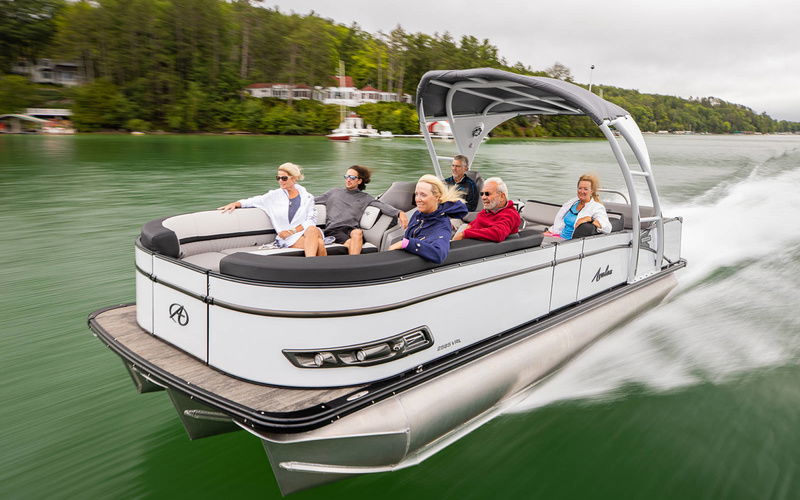

Images have been gathered from various sources and belong to their respective owners.
Review - Avalon Catalina Versatile Rear Bench 23

MarineBroker
06/26/2024, 12:11 PM
2020 Avalon Catalina Versatile Rear Bench 23: How to Keep Your Pontoon Comfortable, Functional, and Ready for Every Trip
If you’ve been looking at the 2020 Avalon Catalina Versatile Rear Bench 23, you probably already know this isn’t just another pontoon seating setup. Rear bench layouts on a Catalina are all about making the most of your space, giving passengers a comfortable place to relax while still keeping the deck practical for cruising, fishing, or hanging out at the sandbar.
But here’s the real challenge: a rear bench can only feel “versatile” if the rest of the boat setup supports it. Too often, owners run into the same issues—awkward traffic flow, not enough storage, wet cushions, or seating that doesn’t match how they actually use the boat. A bench that looks great on paper can become frustrating if it’s not arranged, maintained, or used the right way.
The good news is that most of these problems are easy to solve once you understand how to work with the layout instead of against it. In this article, we’ll break down what makes the 2020 Avalon Catalina Versatile Rear Bench 23 valuable, the most common pain points owners face, and practical ways to get more comfort, more function, and more enjoyment out of every ride.
- What Makes the 2020 Avalon Catalina Versatile Rear Bench 23 Stand Out
The Catalina line from Avalon is known for a blend of comfort and clean styling, and the versatile rear bench is designed to support that reputation. On a 23-foot pontoon, every inch matters, so the rear bench has to do more than just provide a place to sit.
A well-designed rear bench can help with:
- Passenger comfort during cruising
- Better use of the aft section of the deck
- A more social layout for groups
- Easier movement between seating zones
- A cleaner, more open feel than bulky furniture arrangements
For many boaters, the rear bench becomes a favorite spot because it gives passengers a stable, relaxed place to ride while still leaving room for conversation and activity. That’s especially useful on a 23-foot model, where the balance between seating and open space is always important.
The “versatile” part matters too. It usually means the layout is intended to adapt to different boating styles, whether you’re taking family cruises, hosting friends, or spending quiet mornings on the water. The key is making sure the bench works with your habits, not just your brochure.
- The Most Common Problem: A Great Bench That Doesn’t Fit Real-Life Use
The biggest issue people run into with rear bench seating is simple: the boat may be comfortable, but the layout doesn’t always match how they actually use it.
For example, a family that spends most of the day moving around the deck may find the rear bench creates a bottleneck. A couple who likes long sunset cruises may want deeper comfort and better back support. Someone who fishes from the stern may need easier access to open deck space instead of a full seating zone.
Common problems include:
- Limited storage near the seating area
- Moisture buildup under cushions
- Cushions that get hot in direct sun
- Traffic flow that feels cramped
- Rear seating that’s underused because it’s not convenient
- Wear and tear from kids, pets, or heavy use
These are not deal-breakers. They’re just signs that the setup needs a little attention. Once the bench area is organized and protected properly, it can become one of the most useful parts of the boat.
- Why Rear Bench Seating Can Be So Useful on a 23-Foot Pontoon
A 23-foot pontoon is a sweet spot for many boaters. It’s large enough to feel roomy, but still easy to manage on the water and at the dock. That makes the rear bench especially valuable because it helps maximize the usable footprint without making the boat feel crowded.
Here’s why this seating style works well:
- It supports social cruising
- It gives passengers a stable place to relax
- It can help distribute weight more evenly
- It keeps the center of the boat open for movement
- It works well for both casual and family-oriented boating
On a boat this size, layout efficiency is everything. A rear bench can free up the midsection of the deck for cooler storage, conversation, or simply moving around without stepping over chairs. That’s one reason many pontoon owners prefer integrated seating over loose furniture.
The trick is making sure the bench area stays clean, dry, and easy to use. That’s where most of the practical solutions come in.
- 2020 Avalon Catalina Versatile Rear Bench 23: Comfort Tips That Actually Help
Comfort on a pontoon doesn’t come from the seat alone. It comes from how the seat is maintained and how the surrounding area supports it.
A few easy ways to improve comfort:
- Add weather-appropriate seat covers when the boat is stored
- Use marine-grade cleaning products to keep vinyl soft and clean
- Make sure cushions dry fully after rain or washing
- Check that the bench hardware is secure and not wobbling
- Use throw pillows or removable back support if the layout allows it
Small details make a big difference. A seat that feels firm and clean at the start of the season can become uncomfortable fast if it’s exposed to sun, salt, mildew, or dirt. Regular maintenance keeps the bench feeling inviting instead of worn out.
Also, think about how passengers actually sit. A rear bench is often used by adults who want a relaxed ride and kids who want a safe, stable place to hang out. If the cushions are flattened or the upholstery is sticky from sunscreen, nobody’s going to enjoy using it.
- Storage and Organization Around the Rear Bench
One of the smartest ways to solve rear bench frustrations is to improve the storage around it. A clean deck feels bigger, safer, and more comfortable.
Here’s what helps:
- Keep life jackets in labeled bins or under-seat storage
- Store dock lines and bumpers away from the seating area
- Use waterproof bags for towels and electronics
- Avoid stacking gear on the bench itself
- Keep snacks and drinks in a designated cooler location
If the bench area gets overloaded with gear, it stops being a seating area and becomes clutter. That makes the boat feel smaller and less enjoyable.
A good habit is to give every item a home. When the deck is organized, the rear bench becomes what it should be: a comfortable place to sit, not a catch-all for loose equipment.
- Solving Moisture and Mildew Problems Before They Start
Moisture is one of the biggest enemies of pontoon comfort. Even a well-built rear bench can become unpleasant if water gets trapped under cushions or inside seams.
To reduce moisture issues:
- Dry the bench after every wet outing
- Lift cushions when storing the boat for ventilation
- Check for clogged drain paths nearby
- Clean spills quickly
- Use a mildew-resistant cleaner on vinyl surfaces
If you boat in humid climates or keep the boat covered for long periods, ventilation matters even more. Trapped moisture can lead to odor, mildew stains, and long-term upholstery damage.
A simple routine goes a long way. After a day on the water, wipe down the bench, let it air out, and make sure the cover isn’t sealing in dampness. That small effort can extend the life of the seating area significantly.
- How to Make the Rear Bench More Family-Friendly
Families tend to use pontoon boats differently than solo boaters or fishing crews. The rear bench needs to be safe, simple, and easy to access.
A few family-friendly upgrades and habits can help:
- Use non-slip mats near the seating area
- Keep sharp or heavy items away from the bench
- Teach kids to sit before the boat starts moving
- Store sunscreen and drinks within reach
- Add shade when possible for hot afternoons
The rear bench often becomes a favorite hangout spot for kids because it feels secure and social. But that only works if the area stays tidy and easy to supervise.
If you’re boating with children, think about visibility too. You want adults to be able to glance back and see everyone clearly. A clutter-free bench zone helps with that.
- Matching the Rear Bench to Your Boating Style
Not every pontoon owner uses their boat the same way, and that’s why the “best” seating setup depends on your routine.
If you cruise often:
- Focus on comfort and back support
- Keep the area open and uncluttered
- Prioritize shade and clean upholstery
If you entertain guests:
- Make sure the bench area flows naturally into the rest of the deck
- Keep drinks and snacks accessible
- Use easy-to-clean materials and accessories
If you fish from the boat:
- Leave enough open stern access
- Keep tackle and gear out of the seating zone
- Choose simple, durable maintenance routines
If you spend time at anchor or drifting:
- Add extras like removable cushions or lumbar support
- Make the seating area feel more lounge-like
- Keep surfaces cool and dry
The best part about the 2020 Avalon Catalina Versatile Rear Bench 23 is that it can support different styles of boating. But to get the most out of it, you need to shape the space around your habits.
- Maintenance Habits That Protect Your Investment
Pontoon seating takes a beating from sun, water, foot traffic, and storage conditions. A little routine care keeps the rear bench looking and feeling much better over time.
Basic maintenance checklist:
- Rinse off dirt and salt after use
- Use a soft cloth and marine-safe cleaner on vinyl
- Inspect seams for early wear
- Tighten loose hardware
- Keep the bench covered when not in use
- Store the boat in a shaded or protected area when possible
It’s easy to overlook seating maintenance because it doesn’t seem as urgent as engine care or trailer upkeep. But worn upholstery and damaged cushions can affect the whole boating experience.
Think of the rear bench as part of the boat’s comfort system. If it’s cared for properly, it helps the entire vessel feel newer and more enjoyable.
- Practical Upgrades That Improve the Rear Bench Area
You don’t always need major changes to get better results. Sometimes, a few small upgrades make the biggest difference.
Useful additions might include:
- Removable seat covers
- Marine-grade storage bins
- UV-protective sprays for upholstery
- Portable shade solutions
- Non-slip flooring near the stern
- Accent lighting for evening use
If you’re trying to improve the bench area without redesigning the boat, start with the basics: cleanliness, organization, and comfort. Then add extras only if they solve a real need.
For example, if the rear bench gets too much sun, shade is a smart investment. If the area gets messy quickly, better storage will help more than decorative accessories. The goal is practical improvement, not just cosmetic change.
- When the Rear Bench Becomes the Best Seat on the Boat
It’s funny how often the most overlooked seat ends up being the favorite one. Once the rear bench is clean, comfortable, and easy to access, it can become one of the most popular places on the boat.
Passengers like it because:
- It offers a stable ride
- It feels social and relaxed
- It’s close to the action without being in the way
- It works well for conversation and sightseeing
That’s especially true on a 23-foot Catalina, where the layout is already designed to balance comfort and usability. When the rear bench is functioning well, it helps the whole boat feel more organized and enjoyable.
A lot of boating satisfaction comes down to small things. A seat that stays dry, a deck that stays open, and a layout that supports your routine can make the difference between a decent outing and a great one.
- Common Mistakes to Avoid
If you want the 2020 Avalon Catalina Versatile Rear Bench 23 to perform at its best, avoid these common mistakes:
- Letting cushions stay wet for long periods
- Using household cleaners that damage marine vinyl
- Overloading the area with gear
- Ignoring small tears or loose seams
- Storing the boat without ventilation
- Assuming the layout works the same for every boating activity
These mistakes are easy to make, especially when you’re focused on getting out on the water. But the fix is usually simple: stay consistent with cleaning, keep the area organized, and adapt the space to your needs.
- Conclusion: Make the Rear Bench Work for You
The 2020 Avalon Catalina Versatile Rear Bench 23 can be a really smart part of a well-planned pontoon layout, but only if it’s used and maintained with real boating habits in mind. Most of the common problems—clutter, moisture, discomfort, and awkward flow—are easy to solve with a few practical changes.
Keep the area clean, dry, and organized. Match the setup to how you actually use the boat. And treat the rear bench as part of the boat’s overall comfort system, not just another seat. With the right approach, it can become one of the most useful and enjoyable spots on board. If you’re comparing layouts or planning upgrades, it’s worth taking a closer look at how your seating supports the way you really boat.
Specifications
General
Boat Type: Power Boats
Class Type: Pontoon Boat
Specifications
Length: 23.43
Beam: 8.5
Draft: 1.97
Hull Material: Aluminium
Build
First Built: 2020
Propulsion
Fuel Type: Unleaded
Engines: 1
Power: 125 HP
Brand: Unknown
Accomodation
PROS & CONS
What we appreciated
 Spacious and versatile rear bench seating suitable for families and groupsHigh-quality construction with durable materials for long-lasting useSmooth and stable ride ideal for both calm and moderately choppy watersGood storage options to accommodate gear and personal itemsModern design with comfortable and ergonomic seating arrangements
What we didn’t appreciate
 Relatively heavy, which may affect fuel efficiency and speedLimited top speed compared to performance-oriented boatsMay require a powerful engine to optimize performanceHigher price point compared to entry-level pontoon boatsCan be bulky, making trailering and storage more challenging
Upkeep Costs
Insurance: $500 - $1,000 per year
Storage: $1,000 - $3,000 per year
Maintenance and Repairs: $1,000 - $2,500 per year
Fuel: $500 - $1,500 per year
Registration and Taxes: $100 - $300 per year

Rating
7.0
User
Score
Score
Driveability
Technology
Interior
Design
Similar Boats


2021 Avalon Catalina Platinum Versatile Rear Bench Windshield 25
Power Boats • Pontoon Boat
LOA 7.7 • Beam 2.59


MarineBroker
Download now for an immersive boat experience like never before! ⛵✨ Your journey begins with a simple click. 🌊📲
#SetSailSmart #DownloadNow
#SetSailSmart #DownloadNow

Subscribe
Copyright 2017 - 2026, Marinebroker.net, All Rights Reserved