Boat Database » Avalon Catalina Versatile Rear Bench 25
Avalon Catalina Versatile Rear Bench 25
Outboard four-stroke, Unleaded, 1x 135 HP
Power Boats 2020 Avalon Catalina Versatile Rear Bench 25: How to Maximize Comfort, Space, and Everyday Usability on the Water
If you own or are shopping for a 2020 Avalon Catalina Versatile Rear Bench 25, you probably already know why this l...
Discover
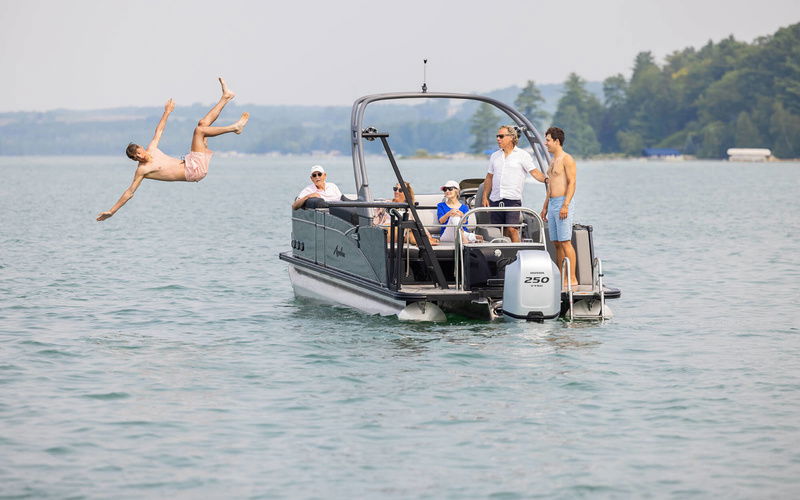
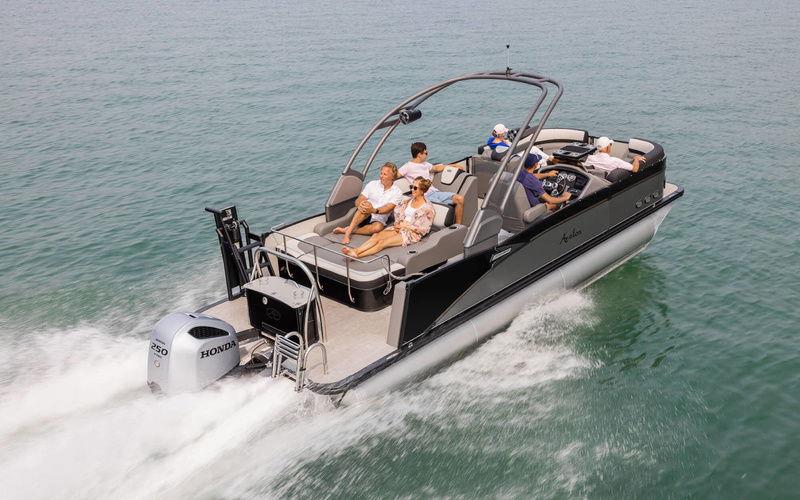

Images have been gathered from various sources and belong to their respective owners.
Review - Avalon Catalina Versatile Rear Bench 25

MarineBroker
06/26/2024, 12:21 PM
2020 Avalon Catalina Versatile Rear Bench 25: How to Maximize Comfort, Space, and Everyday Usability on the Water
If you own or are shopping for a 2020 Avalon Catalina Versatile Rear Bench 25, you probably already know why this layout gets attention. It offers a smart mix of seating, movement space, and lounge-friendly design that works well for families, entertaining, and relaxed cruising. But there’s a common challenge with pontoons like this: many owners want the boat to feel more open and comfortable without losing the practical seating they need for guests.
That balance can be harder than it sounds. Rear bench seating is great for socializing and keeping the deck flexible, but if the layout isn’t used well, the boat can feel cramped, cluttered, or less functional than it should. Storage gets messy, traffic flow gets awkward, and the rear area may not deliver the comfort people expected when they chose this model.
The good news is that this is usually a layout problem, not a boat problem. With the right setup, habits, and a few smart upgrades, the 2020 Avalon Catalina Versatile Rear Bench 25 can become a highly usable, comfortable pontoon that works for cruising, anchoring out, and entertaining. Let’s look at the most common issues owners face and how to solve them in a practical way.
- What Makes the 2020 Avalon Catalina Versatile Rear Bench 25 Stand Out?
The Catalina line is known for a more upscale pontoon feel, and the versatile rear bench configuration is designed to support that. A 25-foot platform gives you enough room to create distinct zones without making the deck feel oversized or disconnected.
That matters because pontoon owners usually want three things at once:
- Comfortable seating
- Easy movement around the deck
- Enough open space for gear, kids, coolers, or fishing accessories
The rear bench setup helps with this by creating a social area at the back of the boat while still leaving room for other activities. When it’s arranged well, it can feel like a floating lounge instead of a boat that’s been packed with seats.
The challenge is that the rear bench can easily become underused or overused. Too many loose items, poor storage habits, or the wrong accessories can make the aft area feel crowded. That’s where a smarter approach comes in.
- The Most Common Problem: Rear Bench Boats Can Feel Cluttered Fast
A lot of owners love the idea of a versatile rear bench, but after a few outings, they notice the same issue: the back of the boat becomes the catch-all space.
That usually happens because rear bench seating tends to attract:
- Towels
- Bags
- Life jackets
- Coolers
- Water toys
- Extra shoes
- Miscellaneous gear
Before long, the bench area stops feeling like seating and starts feeling like storage. This can make guests uncomfortable and reduce the usable space on the deck.
There’s also a safety angle. Clutter around seating and walkways can create trip hazards, block access, and make it harder to move quickly when docking or anchoring. On a pontoon, where people often move around more freely, that matters.
The solution is not to remove the rear bench or avoid using it. Instead, it’s to build a better system for how the space is used.
- How to Make the Rear Bench More Functional
The best way to improve a rear bench layout is to think in zones. Every area on the boat should have a purpose.
For the rear bench, that purpose is usually one of these:
- Social seating
- Quiet lounging
- Quick access to gear
- Transition space between the deck and the stern
Once you define the purpose, it becomes easier to keep the area organized.
Here are a few practical ways to do that:
- Use waterproof storage bins for loose items
- Keep only one “active” cooler onboard instead of several bags
- Assign one storage spot for life jackets and another for towels
- Use soft-sided gear bags that can be tucked away easily
- Avoid stacking items on seats, even for short periods
A simple rule helps a lot: if something doesn’t need to be out, store it. That keeps the rear bench ready for actual seating instead of becoming a clutter zone.
- Seating Comfort Matters More Than Most People Think
On a pontoon, comfort isn’t just about cushion softness. It’s also about how people sit, move, and interact with the layout.
With a 2020 Avalon Catalina Versatile Rear Bench 25, the rear bench should support relaxed conversation and easy lounging. But if the seating angle, cushion condition, or surrounding arrangement isn’t right, it can feel less inviting.
A few comfort checks can make a big difference:
- Make sure cushions are clean and dry before use
- Check for worn upholstery or flattened padding
- Add removable seat pads if the bench feels too firm
- Keep throw pillows minimal so they don’t become clutter
- Make sure guests can get in and out without awkward stepping
If you use the rear bench often, it’s worth paying attention to how people naturally sit there. Are they facing each other? Turning sideways? Avoiding the area because it feels too exposed or too tight? Small adjustments can improve the whole experience.
- Smart Storage Is the Real Secret to a Better Layout
One of the biggest reasons owners feel frustrated with pontoon seating is storage. A boat can have great seating and still feel chaotic if storage isn’t handled well.
The rear bench area works best when storage is intentional. That means using built-in compartments where available and avoiding “temporary” placement of items that tend to stay there all day.
A good storage strategy includes:
- Keeping heavy items low and centered
- Storing frequently used items near the seating area
- Separating wet gear from dry gear
- Using labeled bags or bins for family members
- Packing only what you actually need for the day
If your outings are usually casual cruises, you likely don’t need a lot of gear accessible at once. That makes it easier to keep the rear bench clear and usable. If you’re anchoring out for swimming, create a small swim kit with towels, sunscreen, and water toys so it’s easy to grab without spreading everything across the deck.
- Make the Rear Area Work for Different Types of Boating
One reason the 2020 Avalon Catalina Versatile Rear Bench 25 appeals to so many people is that it can support different boating styles. But the layout works best when you adapt it to the day’s activity.
For cruising:
- Keep the rear bench open and uncluttered
- Focus on comfort and conversation
- Use minimal gear on deck
For swimming and sandbar stops:
- Create a “wet zone” near the stern
- Store towels and toys in one easy-access container
- Keep dry items away from splash areas
For family outings:
- Make sure there’s clear space for kids to move safely
- Use storage to reduce tripping hazards
- Keep snacks and essentials organized in one spot
For quiet evenings on the water:
- Reduce clutter even more
- Use the rear bench as a lounge space
- Add a small, soft layer of comfort like a blanket or cushion if needed
The point is that the boat doesn’t need a new layout for every trip. It just needs a little planning.
- What to Do If the Rear Bench Feels Too Exposed
Some owners find that rear bench seating feels open in a way that’s not always comfortable, especially when they have kids onboard or are cruising in busier areas. That’s a common pontoon concern.
If that’s the case, there are a few easy ways to improve the feeling of security and privacy without changing the whole boat:
- Use removable seat backs or cushions where appropriate
- Position guests so they’re not facing direct wind all the time
- Add shade accessories if the area gets too much sun
- Keep the stern area free from unnecessary movement
- Use the bench as a seated zone, not a pass-through area
A lot of comfort comes from predictability. If people know where to sit, where to store things, and where to walk, the space feels calmer and more secure.
- Maintenance Tips That Help the Boat Feel Better Longer
Even the best layout can feel disappointing if the boat isn’t maintained well. Rear bench areas, especially on pontoons, are exposed to sun, moisture, and frequent use.
To keep the 2020 Avalon Catalina Versatile Rear Bench 25 feeling clean and comfortable, focus on a few simple maintenance habits:
- Wipe down seating after each trip
- Let cushions dry fully before covering the boat
- Inspect seams and upholstery for wear
- Clean under and around the bench area regularly
- Check for mildew, especially after humid or rainy outings
These habits do more than protect appearance. They also make the boat feel more inviting every time you step aboard. Nobody wants to settle into a damp or musty seat, and regular care helps prevent that.
If you store the boat for long periods, use breathable covers where possible and avoid trapping moisture under cushions. That can extend the life of the seating and keep the rear bench area pleasant season after season.
- Simple Upgrades That Can Improve the Experience
You don’t need a major refit to improve the usability of a rear bench pontoon. A few small upgrades can make the boat feel much more polished.
Useful additions may include:
- Non-slip floor mats in high-traffic areas
- Storage organizers for small items
- Soft coolers instead of hard coolers
- Removable cup holders or caddies
- Weather-resistant seat covers
- Better lighting for evening use
The key is to choose upgrades that support the way you actually use the boat. If your biggest issue is clutter, storage solutions matter most. If it’s comfort, look at cushions and shade. If it’s nighttime usability, lighting becomes more important.
A good upgrade should solve a real problem, not just add more gear.
- Buying or Evaluating This Layout? Here’s What to Look For
If you’re considering a boat with this setup, or you’re checking out a used one, pay attention to how the rear bench area feels in person.
Look for:
- Easy movement from stern to center deck
- Enough seating depth for relaxed use
- Clean upholstery and solid cushion support
- Practical storage nearby
- A layout that doesn’t force people to squeeze past each other
Also think about your normal boating style. A rear bench is ideal for some owners and less ideal for others. If you like open lounging, social seating, and flexible use, it’s a strong layout. If you need a dedicated fishing setup or a very open rear deck, you may want to compare it with other pontoon configurations.
The best boat is the one that fits your actual habits, not just the one that looks good on paper.
- Why the 25-Foot Size Works So Well
The 25-foot length is one of the reasons this model format is appealing. It gives you enough deck space to create a comfortable rear bench area without making the boat feel too large to handle casually.
That size tends to hit a sweet spot for many families and weekend boaters:
- Big enough for guests
- Manageable for docking and trailering
- Flexible enough for multiple uses
- Comfortable for both short trips and longer cruises
On a smaller pontoon, rear bench seating can feel tight. On a much larger one, the layout can feel spread out and less social. The 25-foot format often balances those extremes nicely.
- A Practical Way to Use the Space Better Starting This Weekend
If you want to improve your rear bench setup right away, try this simple reset before your next outing:
1. Remove everything from the seating area.
2. Sort items into must-have, nice-to-have, and unnecessary.
3. Store must-haves in one organized container.
4. Keep only the items you’ll actually use on deck.
5. Check that walkways stay clear from bow to stern.
6. Sit in the rear bench yourself and see how it feels.
That last step matters more than people realize. If the space feels awkward to you, it will probably feel awkward to guests too. A few minutes of rearranging can completely change the experience.
- Conclusion
The 2020 Avalon Catalina Versatile Rear Bench 25 works best when the rear bench is treated as a true living space, not just extra seating or a storage spot. The biggest issues owners face are usually clutter, comfort, and poor space management, but those problems are easy to improve with a little structure.
By organizing gear, keeping walkways clear, maintaining the seating properly, and matching the layout to how you actually boat, you can make the most of this pontoon’s strengths. The result is a more comfortable, safer, and more enjoyable day on the water. If you’re exploring this model or already own one, a few smart adjustments can go a long way toward making the rear bench area feel like one of the best parts of the boat.
Specifications
General
Boat Type: Power Boats
Class Type: Pontoon Boat
Specifications
Length: 25.43
Beam: 8.5
Draft: 1.97
Hull Material: Aluminium
Build
First Built: 2020
Propulsion
Fuel Type: Unleaded
Engines: 1
Power: 135 HP
Brand: Unknown
Accomodation
PROS & CONS
What we appreciated
 Spacious and versatile rear bench seating suitable for families and groupsHigh-quality construction with durable materials for longevitySmooth and stable ride due to well-designed pontoon structureModern and comfortable interior with ample storage optionsGood fuel efficiency for a pontoon of its size
What we didn’t appreciate
 Limited top speed compared to smaller, more performance-oriented boatsLarger size may make docking and maneuvering in tight spaces challengingHigher price point compared to entry-level pontoonsRequires a trailer and larger vehicle for transport due to size and weightMinimal advanced electronics or luxury features in base model
Upkeep Costs
Fuel: Approximately $500 - $1,200 per season depending on usage and engine type
Maintenance and Repairs: $300 - $700 annually
Insurance: $200 - $600 per year
Storage: $500 - $1,500 annually depending on location and type (marina, dry dock, etc.)
Registration and Taxes: $50 - $150 per year depending on state

Rating
7.1
User
Score
Score
Driveability
Technology
Interior
Design
Similar Boats


MarineBroker
Download now for an immersive boat experience like never before! ⛵✨ Your journey begins with a simple click. 🌊📲
#SetSailSmart #DownloadNow
#SetSailSmart #DownloadNow

Subscribe
Copyright 2017 - 2026, Marinebroker.net, All Rights Reserved