Boat Database » Avalon GS Cruise II 19
Avalon GS Cruise II 19
Outboard four-stroke, Unleaded, 1x 75 HP
Power Boats 2017 Avalon GS Cruise II 19: A Practical Guide to Common Ownership Challenges and Smart Solutions
If you’re looking into the 2017 Avalon GS Cruise II 19, you’re probably past the “dream boat” stage and into the real-world questio...
Discover

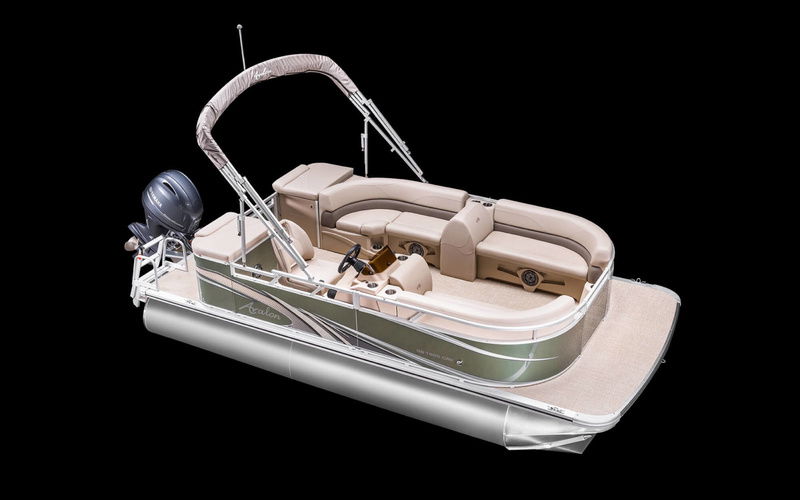

Images have been gathered from various sources and belong to their respective owners.
Review - Avalon GS Cruise II 19

MarineBroker
06/27/2024, 1:14 PM
2017 Avalon GS Cruise II 19: A Practical Guide to Common Ownership Challenges and Smart Solutions
If you’re looking into the 2017 Avalon GS Cruise II 19, you’re probably past the “dream boat” stage and into the real-world questions that matter: Is it comfortable for my family? Will it handle the kind of water I use? What should I watch for before buying or maintaining one? Those are the right questions to ask.
A pontoon like the 2017 Avalon GS Cruise II 19 can be a great fit for relaxed cruising, fishing, and casual days on the lake. But like any used boat, the experience depends heavily on condition, setup, and how it’s been cared for. A clean-looking pontoon can still have hidden issues, and a well-kept one can deliver years of easy enjoyment.
The good news is that most of the common concerns with a used 19-foot pontoon are manageable once you know what to check. In this article, we’ll walk through the typical problems buyers and owners run into, how to spot them early, and what practical steps can help you get the most out of the boat without turning every weekend into a repair project.
- Why the 2017 Avalon GS Cruise II 19 Appeals to So Many Boat Buyers
The 2017 Avalon GS Cruise II 19 sits in a very popular sweet spot. It’s compact enough to be easier to tow, launch, and store, but still offers the relaxed seating and stability many people want from a pontoon.
For families, couples, and first-time boat owners, that combination matters. You’re not dealing with a huge platform that feels intimidating at the ramp, but you still get enough deck space for lounging, chatting, and enjoying the water.
A boat like this is often chosen for:
- Calm lake cruising
- Family outings
- Swimming stops
- Light fishing
- Easy weekend use
That said, smaller pontoons also come with trade-offs. They may not handle rough water as comfortably as larger models, and performance depends a lot on engine choice, load, and maintenance. That’s why understanding the common pain points is so important before buying or relying on one.
- The Most Common Problem: Hidden Wear in a Used Pontoon Boat
The biggest issue people face with a used 2017 Avalon GS Cruise II 19 is not always something obvious like a broken seat or faded carpet. More often, it’s hidden wear that doesn’t show up until you’re already on the water.
This can include:
- Corrosion on fittings or the engine
- Soft spots in the deck
- Worn upholstery
- Electrical issues
- Damage from poor storage
- Leaks in the tubes or seals
A pontoon boat may look “clean” at first glance, but years of sun, water, and storage conditions can quietly age the boat in ways that matter. The challenge is knowing what to inspect before those issues become expensive.
The solution starts with a careful, methodical walkthrough rather than a quick visual check.
- 2017 Avalon GS Cruise II 19: What to Inspect Before You Buy
If you’re considering this model on the used market, a good inspection can save you a lot of stress later. The goal is not to find a perfect boat, because very few used boats are perfect. The goal is to find one that has been maintained well enough to be worth the investment.
Here’s what to check first:
- Deck condition
Press on different areas of the floor, especially near high-traffic spots and around the console. A solid deck should feel firm, not spongy or soft.
- Pontoon tubes
Look for dents, weld cracks, corrosion, and signs of patching. Minor cosmetic wear is common, but structural issues are a red flag.
- Upholstery
Check for seams coming apart, mildew, sun cracking, and cushions that have lost shape. Replacing upholstery can get expensive, so this matters.
- Console and gauges
Test every gauge, switch, and light you can. Electrical problems are common in used boats and can be annoying to chase down.
- Steering and throttle
Turn the wheel fully in both directions and test the throttle response. Stiff or sticky controls may point to cable wear or corrosion.
- Engine hours and service records
If available, service records tell you much more than the hour meter alone. Regular oil changes, winterization, and lower unit service are all good signs.
- Trailer condition
If the boat includes a trailer, inspect the tires, bunks, lights, winch, and frame. A bad trailer can turn a good boat into a headache.
A professional marine survey is often worth it if you’re serious about buying. It may cost a bit up front, but it can reveal issues that are easy to miss during a casual inspection.
- Why Pontoon Boats Develop Problems Over Time
Understanding why these boats wear out helps you prevent future issues. A pontoon spends a lot of its life exposed to sun, water, vibration, and storage conditions. That combination is tough on materials.
Common causes of wear include:
- UV damage from constant sun exposure
- Moisture trapped under covers
- Lack of winterization
- Corrosion from freshwater or brackish water use
- Loose fasteners from vibration
- Neglected cleaning after use
Even a well-built pontoon like the 2017 Avalon GS Cruise II 19 can show age if it’s been left outside without proper care. On the other hand, a boat that’s cleaned, covered, and serviced regularly can stay in excellent shape for years.
The practical takeaway is simple: maintenance matters more than mileage alone.
- How to Solve Performance Complaints on the 2017 Avalon GS Cruise II 19
Another common issue owners mention is performance. Some buyers expect a pontoon to feel quick and sporty, then get frustrated when acceleration is modest or top speed is lower than expected.
That’s not unusual. Pontoon boats are designed more for stability and comfort than speed. But if the boat feels sluggish, there are a few likely causes.
Here’s how to improve or diagnose performance:
- Check the propeller
A damaged or poorly matched prop can hurt acceleration and efficiency. Even small nicks can make a difference.
- Reduce unnecessary weight
Extra gear, waterlogged items, or too many passengers can slow the boat down more than people expect.
- Inspect the hull and tubes
Marine growth, drag, or tube damage can affect performance. A clean underside matters.
- Make sure the engine is properly tuned
Old plugs, dirty fuel, or neglected maintenance can reduce power.
- Confirm engine size matches expectations
Some 19-foot pontoons are set up for casual cruising rather than high-speed use. If you want more punch, the engine package matters a lot.
If your 2017 Avalon GS Cruise II 19 feels underpowered, don’t assume the whole boat is the problem. Often, the issue is a mix of maintenance, prop selection, and load management.
- Comfort Issues: Small Changes That Make a Big Difference
A lot of people buy a 19-foot pontoon because they want a relaxed, easygoing day on the water. But comfort can suffer if the layout, seating, or accessories aren’t right for your needs.
Common comfort complaints include:
- Not enough shade
- Limited storage
- Tight seating with a full group
- Wet decks after swimming
- Bouncy ride in wind or chop
The fix is usually not complicated.
Try these practical upgrades or adjustments:
- Add or improve a bimini top for shade
- Use marine-grade storage bins to keep clutter down
- Bring quick-dry towels and waterproof bags
- Keep passenger load reasonable for the deck size
- Choose calmer water when possible
- Add non-slip mats in high-traffic areas
If you’re using the boat for family cruising, small comfort improvements can dramatically change the experience. A better shade setup or smarter storage often makes the boat feel much larger than it is.
- Maintenance Tips for Long-Term Reliability
If you already own a 2017 Avalon GS Cruise II 19, the best way to avoid major problems is to stay ahead of maintenance. A little routine care goes a long way on a used pontoon.
Here’s a simple maintenance routine that helps:
- Rinse the boat after each use
- Clean the upholstery with marine-safe products
- Check for loose hardware monthly
- Inspect the cover for tears or water pooling
- Change engine oil and filters on schedule
- Grease fittings as recommended
- Winterize before freezing temperatures
- Keep the battery charged and stored properly
It also helps to do a quick pre-launch check every time:
1. Fuel level
2. Battery switch
3. Bilge or drainage area
4. Steering and throttle
5. Safety gear
6. Navigation lights
7. Propeller condition
These habits may seem basic, but they prevent a surprising number of breakdowns. Most boat problems don’t start as disasters. They start as small things that were ignored.
- Buying Used: Questions to Ask the Seller
If you’re shopping for a 2017 Avalon GS Cruise II 19, asking the right questions can reveal a lot more than the listing itself.
Useful questions include:
- How long have you owned it?
- Where has it been stored?
- Was it used in freshwater only?
- Has the engine been serviced regularly?
- Has it ever been winterized?
- Are there any known issues?
- Has anything been replaced recently?
- Is the trailer included, and what condition is it in?
Pay attention not just to the answers, but to how confidently the seller responds. Clear records and straightforward answers usually indicate a better-maintained boat.
If the seller is vague about service history or avoids direct questions, that’s a sign to dig deeper.
- Is the 2017 Avalon GS Cruise II 19 Right for Your Use Case?
This boat can be a strong fit, but only if it matches how you actually plan to use it. A lot of dissatisfaction comes from buying a boat that looks good on paper but doesn’t fit the owner’s routine.
It’s a good match if you want:
- Easy cruising on lakes or calm water
- A manageable size for towing and storage
- Family-friendly seating
- A simple, low-stress boating experience
It may be less ideal if you want:
- Fast performance
- Heavy-duty offshore capability
- Large-group entertaining space
- A boat that can handle rough water regularly
The 2017 Avalon GS Cruise II 19 works best when expectations are realistic. It’s a comfortable pontoon for relaxed outings, not a high-performance machine. If that’s the kind of boating you enjoy, it can be a very satisfying option.
- Smart Ways to Extend the Life of Your Pontoon
A used pontoon boat can stay reliable far longer than many people expect if it’s treated well. The key is consistency, not complicated repairs.
A few habits make a big difference:
- Keep it covered when not in use
- Store it properly during the off-season
- Wash off grime, pollen, and water spots
- Avoid overloading the deck
- Fix small issues before they spread
- Use marine-grade replacement parts when needed
Think of it like this: every season of good care helps protect your investment and keeps your time on the water more enjoyable. Boats that are neglected usually cost more later, not because of one major failure, but because of lots of small avoidable problems.
- Final Thoughts on the 2017 Avalon GS Cruise II 19
The 2017 Avalon GS Cruise II 19 can be a solid choice for anyone who wants a comfortable, easy-to-handle pontoon for casual boating. Like any used boat, though, the real story is in the condition, maintenance history, and how well it matches your needs.
The most common problems are usually related to wear, performance, and upkeep rather than major design flaws. With a careful inspection, realistic expectations, and a simple maintenance routine, many of those issues can be managed or avoided entirely.
If you’re thinking about buying one, take your time, inspect thoroughly, and ask the right questions. If you already own one, a little preventative care can keep it running smoothly and make every trip on the water a better one.
Specifications
General
Boat Type: Power Boats
Class Type: Pontoon Boat
Specifications
Length: 19.42
Beam: 8.5
Draft: 1.97
Hull Material: Aluminium
Build
First Built: 2017
Propulsion
Fuel Type: Unleaded
Engines: 1
Power: 75 HP
Brand: Unknown
Accomodation
PROS & CONS
What we appreciated
 Spacious and comfortable seating for up to 10 peopleSmooth and stable ride with pontoon designQuality construction with durable materialsFuel-efficient and reliable engine optionsVersatile layout suitable for cruising and watersports
What we didn’t appreciate
 Limited storage space compared to larger modelsMay require a larger tow vehicle due to weightBasic electronics and features may be outdatedPontoon design less suitable for rough watersHigher maintenance costs due to multiple pontoons
Upkeep Costs
Fuel: Approximately $500 - $1,000 per season depending on usage and fuel prices
Maintenance: $300 - $600 annually for engine service, cleaning, and minor repairs
Storage: $500 - $1,200 per year depending on location and type of storage
Insurance: $200 - $600 annually depending on coverage and provider
Registration and Licensing: $50 - $150 per year depending on state regulations
Rating
6.1
User
Score
Score
Driveability
Technology
Interior
Design
Similar Boats


2021 Avalon Catalina Platinum Quad Lounger Windshield 25
Power Boats • Pontoon Boat
LOA 7.75 • Beam 2.59


MarineBroker
Download now for an immersive boat experience like never before! ⛵✨ Your journey begins with a simple click. 🌊📲
#SetSailSmart #DownloadNow
#SetSailSmart #DownloadNow

Subscribe
Copyright 2017 - 2026, Marinebroker.net, All Rights Reserved