Boat Database » Avalon GS Rear Fish 25
Avalon GS Rear Fish 25
Outboard four-stroke, Unleaded, 1x 135 HP
Power Boats 2020 Avalon GS Rear Fish 25: How to Get More Comfort, Function, and Fishing Value from a Rear-Fishing Pontoon
If you’ve been looking into the 2020 Avalon GS Rear Fish 25, chances are you’re trying to figure out one simple thing: ...
Discover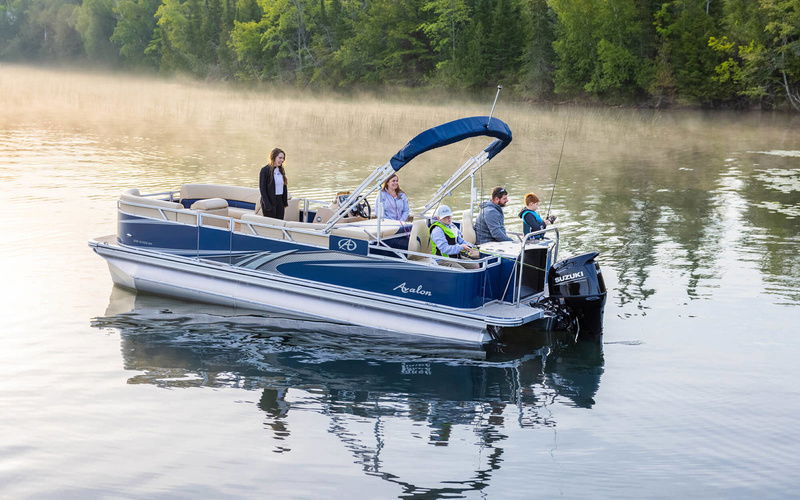
Images have been gathered from various sources and belong to their respective owners.
Review - Avalon GS Rear Fish 25

MarineBroker
06/28/2024, 6:09 AM
2020 Avalon GS Rear Fish 25: How to Get More Comfort, Function, and Fishing Value from a Rear-Fishing Pontoon
If you’ve been looking into the 2020 Avalon GS Rear Fish 25, chances are you’re trying to figure out one simple thing: is it set up in a way that actually works for real-world boating? That’s a fair question. A lot of buyers love the idea of a rear-fishing pontoon, but once they start thinking about how they’ll use it, the details matter fast.
Maybe you want a boat that can handle calm family cruises and still give you a solid fishing layout. Maybe you’re trying to avoid common frustrations like cramped seating, limited rod storage, awkward movement around the deck, or a setup that feels too “one-purpose” for your lifestyle. That’s the real challenge with many pontoon boats: they look great on paper, but the layout has to support how you actually spend time on the water.
The good news is that a rear-fishing pontoon like the 2020 Avalon GS Rear Fish 25 can be a very practical choice when you understand how to use it well. With the right approach to layout, gear, and onboard habits, you can turn it into a comfortable, versatile boat that works for fishing, relaxing, and day cruising without feeling cluttered or overcomplicated.
- Why the 2020 Avalon GS Rear Fish 25 Stands Out
The 2020 Avalon GS Rear Fish 25 sits in a popular sweet spot for boaters who want a pontoon with fishing capability built into the design. The “25” in the name points to a 25-foot platform, which gives you a lot more usable space than smaller pontoons. That extra room matters more than people think, especially when you’re trying to balance passengers, gear, and fishing activity.
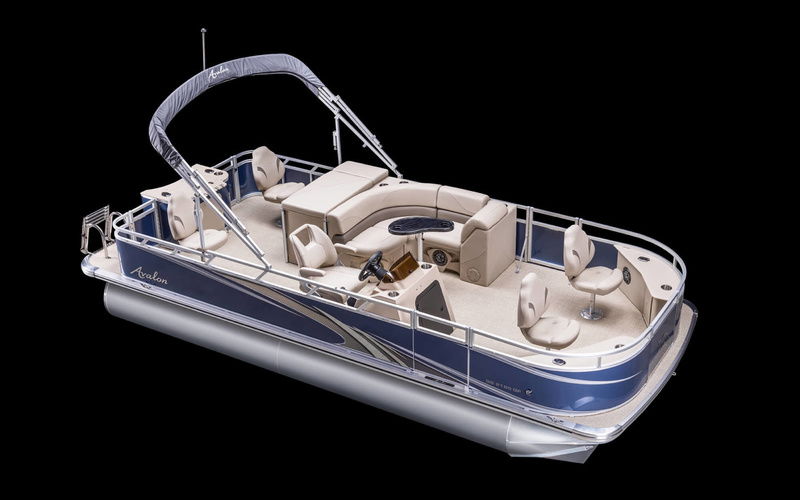
A rear-fishing layout is designed to place the fishing station toward the back of the boat. That can be a big advantage if you like casting from a stable area, keeping bait and tackle organized, and separating fishing activity from the main lounge space. For many owners, that means less compromise.
What makes this kind of setup appealing is the flexibility:
- You can fish without taking over the entire boat.
- Passengers still have room to relax.
- Gear can be stored in a more organized way.
- The boat can work for mixed-use outings, not just one style of boating.
That said, the biggest problem people run into with a boat like this is not the boat itself. It’s using it in a way that doesn’t match the layout. If you load it with the wrong gear, overcrowd the deck, or ignore how movement works around a rear fishing station, even a great pontoon can feel less convenient than it should.
- The Main Problem: Making a Rear-Fishing Pontoon Work for Both Anglers and Guests
The common issue with a rear fish pontoon is balancing two different experiences at once. On one side, you want a functional fishing platform. On the other, you want a comfortable social boat for family and friends. Those goals can clash if the deck isn’t managed well.
Here’s what that usually looks like in real life:
- Fishing gear ends up scattered instead of stored.
- Passengers sit in areas that block casting or movement.
- The rear fishing zone gets crowded with coolers, bags, and extra chairs.
- People don’t know where to stand or walk while someone is fishing.
- The boat feels “busy” instead of relaxing.
For a 25-foot pontoon, this is especially important because the larger deck can either be a huge advantage or a place where things get messy fast. The size gives you options, but it also makes planning more important.
The solution is not to choose between fishing and comfort. It’s to set the boat up so each activity has its place.
- How to Use the 2020 Avalon GS Rear Fish 25 More Effectively
The best way to get value from the 2020 Avalon GS Rear Fish 25 is to think about zones. Boats like this perform better when you mentally divide the deck into areas for fishing, lounging, storage, and movement.
A simple layout strategy helps a lot:
1. Keep the rear fishing area clear
This is your working zone. It should stay open enough for casting, landing fish, and handling gear.
2. Use the middle area for traffic flow
The center of the pontoon should remain easy to walk through. This reduces crowding and makes the boat feel bigger.
3. Place lounging items away from fishing activity
Towels, bags, and extra coolers can quickly get in the way if they’re not stored properly.
4. Store tackle and tools in dedicated spots
A small amount of organization goes a long way on any fishing pontoon.
5. Teach guests the layout before leaving the dock
This sounds basic, but it prevents a lot of awkward movement and accidental interference.
When people talk about boat comfort, they often focus on seat cushions or upholstery. Those matter, sure. But on a rear-fishing pontoon, comfort also comes from how easily everyone can move, sit, fish, and relax without constantly adjusting around each other.
- Fishing Tips for a Rear-Fishing Pontoon Setup
If your goal is to fish from the 2020 Avalon GS Rear Fish 25, a few practical habits will make a noticeable difference. Rear-fishing pontoons are stable and accessible, but they work best when you keep your setup simple and efficient.
Useful tips include:
- Bring only the tackle you plan to use that day.
Too much gear creates clutter and slows you down.
- Use compact rod storage.
Rods left loose on deck can become a tripping hazard or get damaged.
- Keep bait and tools within arm’s reach.
A rear fishing station is most effective when everything you need is nearby.
- Choose the right anchoring or drifting approach for your water.
Calm lakes, slow-moving rivers, and protected bays each call for different tactics.
- Plan for easy cleanup.
Fishing on a pontoon is more enjoyable when rinsing and organizing afterward is quick.
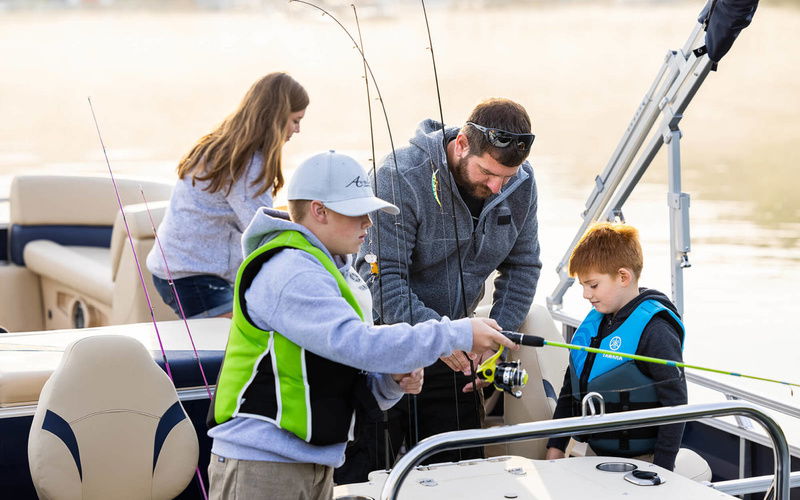
If you’re fishing with kids or beginners, the rear-fishing layout can be especially useful. It gives them a more predictable place to stand or sit while keeping them away from the most active parts of the boat. That can make the whole trip feel safer and less chaotic.
- Comfort and Social Use: Don’t Let the Fishing Layout Take Over
One of the best things about a 25-foot pontoon is that it can still feel like a social boat. The trick is keeping the fishing setup from dominating the whole experience.
A lot of owners make the mistake of turning the deck into a full-time fishing station, even when most outings are actually family cruises or casual lake days. That can make the boat feel less flexible than it should.
To keep the boat comfortable for everyone:
- Leave open seating areas available.
- Keep a clear path from bow to stern.
- Avoid stacking gear in walkways.
- Use storage compartments consistently.
- Think about shade and seating orientation for non-anglers.
This is where the 2020 Avalon GS Rear Fish 25 can really shine. A rear-fishing pontoon gives you a fishing-friendly setup without forcing the whole boat to behave like a dedicated bass boat. That makes it a smart choice for boaters who want one platform that can do more than one job.
If your group includes anglers and non-anglers, it helps to set expectations before the outing. Let everyone know where fishing will happen, where they can relax, and what areas should stay clear during casting. That small bit of communication can make the entire day smoother.
- Storage and Organization: The Quiet Key to a Better Boating Day
Storage is one of the most overlooked parts of pontoon ownership. It’s not the flashy feature people talk about first, but it’s often the difference between a smooth trip and a frustrating one.
On a boat like the 2020 Avalon GS Rear Fish 25, organization matters because fishing gear, snacks, safety equipment, and personal items can pile up quickly. Without a system, the deck starts to feel smaller than it is.
A few storage habits can help:
- Use labeled bags or boxes for tackle.
- Keep life jackets in a consistent, easy-to-reach location.
- Store wet items separately from dry gear.
- Use compartments for cords, tools, and small accessories.
- Return items to the same place after every outing.
It also helps to create a “before launch” checklist. That way, you’re not improvising every time you head out.
A simple checklist might include:
- Fuel and battery check
- Rods and tackle
- Safety gear
- Drinks and snacks
- Towels and sunscreen
- Trash bag
- Dock lines and anchor if needed
This kind of preparation doesn’t just save time. It makes the boat feel more enjoyable because you’re not constantly digging around for things.
- Who the 2020 Avalon GS Rear Fish 25 Is Best For
This type of pontoon is a good fit for boaters who want versatility. If you enjoy fishing but don’t want to give up comfort, a rear-fishing pontoon makes a lot of sense.
It’s especially useful for:
- Families who want a mix of cruising and fishing
- Lake owners who spend long days on the water
- Casual anglers who don’t need a dedicated fishing boat
- Groups that want space to relax and still cast a line
- Owners who value a stable, easy-to-use platform
It may be less ideal if you want a highly specialized fishing machine with a very minimal layout. But for people who want a balanced boat, that’s usually the point. The 2020 Avalon GS Rear Fish 25 is about flexibility, not extreme specialization.
That balance is what makes it appealing to so many buyers. You can fish in the morning, cruise in the afternoon, and still have a comfortable place for everyone to sit and enjoy the ride.
- Practical Ways to Improve the Experience on Board
If you already own or are considering the 2020 Avalon GS Rear Fish 25, a few upgrades and habits can make the boat even better without overcomplicating it.
Here are some practical ideas:
- Add non-slip mats in high-traffic areas.
These help when the deck gets wet from fish, spray, or foot traffic.
- Use rod holders wisely.
They reduce clutter and protect gear during travel.
- Keep a small cleaning kit on board.
Paper towels, wipes, and a brush can make cleanup much easier.
- Choose seating arrangements based on the day’s activity.
If fishing is the priority, keep the rear area open. If cruising is the goal, shift focus to comfort.
- Invest in basic sun protection.
Shade, hats, and sunscreen matter more than people expect on long lake days.
These changes don’t have to be expensive. They just need to support the way you actually use the boat.
- Why Layout Matters More Than Specs Alone
When people shop for pontoons, they often get focused on horsepower, length, or brand names. Those things matter, but layout is what determines how the boat feels once you’re on the water.
A 25-foot rear-fishing pontoon gives you a strong starting point. But the real experience depends on whether the deck supports movement, storage, fishing, and lounging in a natural way.
That’s why the 2020 Avalon GS Rear Fish 25 can be such a good match for the right buyer. It offers enough room to breathe, enough structure to support fishing, and enough flexibility to avoid feeling too narrow in purpose.
The best boating days usually don’t come from having the most gear. They come from having a setup that fits your routine.
- Common Mistakes to Avoid
If you want a smoother experience with a rear-fishing pontoon, try to avoid these common mistakes:
- Bringing too much gear
- Letting the deck get cluttered
- Forgetting to define fishing zones
- Ignoring guest movement on board
- Overlooking basic storage organization
- Assuming a large deck will automatically stay functional
These mistakes are easy to make, especially when you’re excited to get on the water. But they’re also easy to fix once you start thinking more intentionally about how the boat is used.
A little planning goes a long way on a pontoon. That’s especially true when the boat has both fishing and leisure roles to play.
- Conclusion
The 2020 Avalon GS Rear Fish 25 is a strong example of how a pontoon can support both fishing and relaxed boating when it’s used thoughtfully. The biggest challenge for most owners isn’t the boat itself — it’s keeping the layout organized so anglers and guests can both enjoy the day. With clear zones, smart storage, and a simple approach to gear management, the boat becomes much easier to use and a lot more enjoyable overall.
If you’re considering this style of pontoon, focus less on trying to make it do everything and more on making it work well for your routine. That’s where the real value shows up. For anyone comparing rear-fishing pontoons, learning how layout, storage, and onboard flow affect the experience is a smart next step.
Specifications
General
Boat Type: Power Boats
Class Type: Pontoon Boat
Specifications
Length: 25.43
Beam: 8.5
Draft: 1.97
Hull Material: Aluminium
Build
First Built: 2020
Propulsion
Fuel Type: Unleaded
Engines: 1
Power: 135 HP
Brand: Unknown
Accomodation
PROS & CONS
What we appreciated
 Spacious deck layout ideal for fishing and socializingHigh-quality construction with durable materialsReliable Mercury outboard engine optionsComfortable seating with ample storage compartmentsSmooth and stable ride on various water conditions
What we didn’t appreciate
 Higher price point compared to some competitorsLess suitable for high-speed cruisingLimited cabin or enclosed space for overnight tripsHeavier weight may affect trailering and fuel efficiencySome users report limited customization options
Upkeep Costs
Fuel: Approximately $1,500 - $2,500 per year depending on usage
Maintenance and Repairs: Around $1,000 - $2,000 per year
Storage: $500 - $2,000 annually depending on location and type
Insurance: $300 - $600 per year
Registration and Taxes: $100 - $300 per year

Rating
6.9
User
Score
Score
Driveability
Technology
Interior
Design
Similar Boats


MarineBroker
Download now for an immersive boat experience like never before! ⛵✨ Your journey begins with a simple click. 🌊📲
#SetSailSmart #DownloadNow
#SetSailSmart #DownloadNow

Subscribe
Copyright 2017 - 2026, Marinebroker.net, All Rights Reserved