Boat Database » Avalon Venture Cruise Rear Bench 18
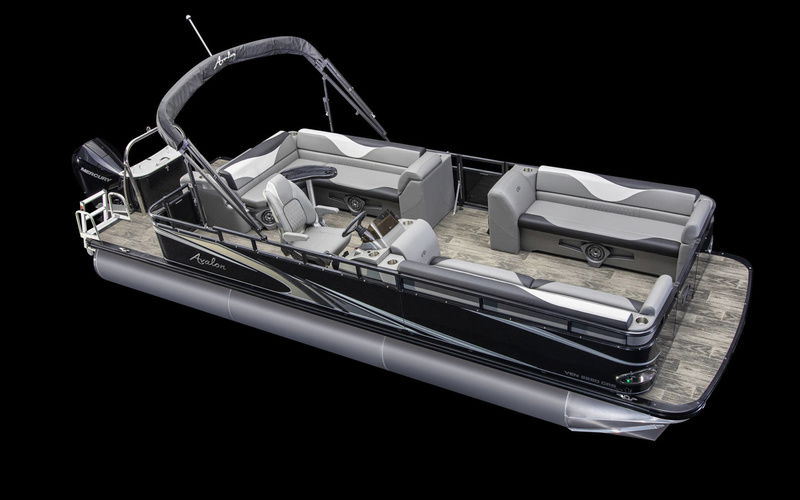
Avalon Venture Cruise Rear Bench 18
Outboard four-stroke, Unleaded, 1x 75 HP
Power Boats 2020 Avalon Venture Cruise Rear Bench 18: How to Keep Your Pontoon Comfortable, Safe, and Ready for Better Days
If you own or are shopping for a 2020 Avalon Venture Cruise Rear Bench 18, you probably already know that a rear benc...
Discover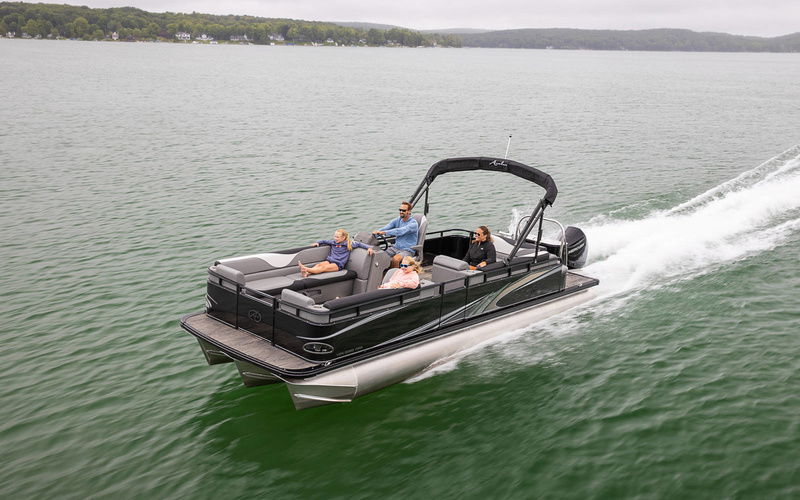


Images have been gathered from various sources and belong to their respective owners.
Review - Avalon Venture Cruise Rear Bench 18

MarineBroker
06/28/2024, 9:10 AM
2020 Avalon Venture Cruise Rear Bench 18: How to Keep Your Pontoon Comfortable, Safe, and Ready for Better Days
If you own or are shopping for a 2020 Avalon Venture Cruise Rear Bench 18, you probably already know that a rear bench on a pontoon does more than just give people a place to sit. It affects how the boat feels, how people move around onboard, and even how enjoyable long days on the water can be. When that bench starts showing wear, feels uncomfortable, or just doesn’t seem to fit the way you use the boat, it can turn a relaxing ride into a frustrating one.
That’s the common problem many pontoon owners run into: the rear bench is one of the most used areas on the boat, but it’s also one of the easiest to overlook until something goes wrong. Maybe the cushions are fading, the seating layout feels cramped, or you’re trying to figure out how to maintain or replace parts without making things more complicated than they need to be.
The good news is that there are practical ways to solve these issues. With a little know-how, you can improve comfort, protect your investment, and keep your pontoon feeling fresh and functional for many seasons.
- Understanding the Role of the Rear Bench on a Pontoon
The rear bench on a pontoon boat is one of those features people don’t always think about until they spend time using it. On the 2020 Avalon Venture Cruise Rear Bench 18, it serves as both a seating area and part of the boat’s overall layout flow.
A good rear bench helps with:
- Passenger comfort during cruising
- Balanced weight distribution
- Easier conversation and social seating
- Better use of space on the deck
- A cleaner, more organized look
Because pontoons are often used for family outings, fishing trips, sunset cruises, and casual entertaining, the rear bench gets a lot of attention. People sit there with wet swimsuits, sandy feet, coolers nearby, and gear moving in and out all day. That means it needs to be durable, easy to clean, and comfortable enough for long rides.
When this area starts to wear out, the whole boat can feel less inviting. That’s why it pays to pay attention to comfort, condition, and maintenance before small issues become bigger ones.
- Common Problems Owners Notice with the 2020 Avalon Venture Cruise Rear Bench 18
Every boat develops some wear over time, especially in high-use seating areas. The rear bench is often one of the first places where owners notice changes.
Some of the most common issues include:
- Faded upholstery from sun exposure
- Cracking or splitting in vinyl
- Cushions that feel flattened or less supportive
- Loose seams or stitching
- Hardware corrosion from moisture
- Stains from sunscreen, drinks, or lake water
- Mold or mildew from trapped moisture
- Uncomfortable seating after long use
These problems usually don’t happen all at once. They build slowly through regular use, sun exposure, and weather. That’s why they can be easy to ignore until the bench starts looking tired or feels noticeably less comfortable.
For many owners, the biggest frustration is not knowing whether the issue is cosmetic or something that needs immediate attention. The answer usually depends on whether the damage is affecting safety, support, or the boat’s structure.
- How to Tell If Your Rear Bench Needs Attention
Not every sign of wear means you need a full replacement. Sometimes a deep clean, minor repair, or cushion refresh is enough. Other times, the bench may need more serious work.
Here are a few signs to watch for:
- The vinyl feels brittle or rough to the touch
- Seams are opening up
- Foam no longer rebounds properly
- Water seems to soak into the seating area
- The bench shifts, squeaks, or feels unstable
- Rust is visible on brackets or mounting points
- The bench no longer matches the rest of the boat’s condition
A simple way to judge the situation is to ask:
- Is the issue mostly appearance?
- Does it affect comfort?
- Could it lead to further damage if left alone?
If the answer is yes to the last two, it’s worth addressing sooner rather than later. Rear seating takes a lot of abuse, and small problems tend to spread when moisture and UV exposure are involved.
- Why Comfort Matters More Than People Think
A rear bench might seem like a basic feature, but comfort plays a huge role in how people experience the boat. If the seating is too firm, too flat, or poorly positioned, passengers may avoid using it. That can make the boat feel less balanced and less enjoyable overall.
On a pontoon like the 2020 Avalon Venture Cruise Rear Bench 18, comfort affects:
- How long guests want to stay onboard
- Whether families use the rear seating area at all
- How easy it is to relax on longer cruises
- How well the boat works for socializing
A comfortable rear bench gives people a place to settle in without constantly shifting around. It also helps create a better flow for the entire deck. When seating feels inviting, the whole boat feels more usable.
This is especially important if you often take out groups with different ages and preferences. Kids may want to climb around, older guests may want back support, and everyone appreciates a seat that doesn’t feel worn out after an hour.
- Practical Ways to Maintain the Rear Bench
The good news is that a lot of rear bench problems can be slowed down or prevented with simple maintenance. You don’t need to be a marine technician to keep this area in good shape.
Try these maintenance habits:
- Wipe down the upholstery after each outing
- Use a marine-safe cleaner for vinyl surfaces
- Let cushions dry fully before covering the boat
- Check seams and stitching regularly
- Inspect mounting hardware for rust or looseness
- Avoid harsh household cleaners that can damage vinyl
- Use UV protection products made for marine seating
Regular cleaning matters more than many owners realize. Sunscreen, salt, lake residue, and dirt can all wear down surfaces over time. A quick wipe-down after use helps preserve the material and keeps stains from setting in.
Moisture control is another big one. If the bench stays damp under a cover or in storage, mildew can develop fast. Good airflow and dry storage habits can make a big difference.
- When Repair Makes More Sense Than Replacement
Not every issue means you need to replace the entire rear bench. In many cases, a focused repair is the smarter option.
Repair may be enough if:
- The foam is still supportive
- The frame or base is in good condition
- Damage is limited to one cushion or seam
- The upholstery is worn but not structurally failing
Replacement may be the better choice if:
- Multiple sections are cracked or torn
- Moisture has damaged the interior padding
- The bench has persistent mold or mildew
- Hardware or mounting points are badly corroded
- The seat no longer feels secure
A lot depends on how the bench is built and how much wear it has seen. If the structure is sound, updating the surface materials can extend its life significantly. If the damage has spread into the frame or support system, replacement becomes more practical.
One helpful approach is to inspect the bench in layers:
1. Surface condition
2. Cushion support
3. Frame integrity
4. Mounting hardware
5. Moisture damage
That makes it easier to decide whether you’re dealing with a cosmetic issue or a deeper one.
- Choosing the Right Fix for Your Boating Style
The best solution depends on how you use your pontoon. A boat that’s mostly used for quiet family cruising has different needs than one that sees heavy weekend traffic, kids, pets, and constant loading and unloading.
Think about your usage:
- Frequent cruising: prioritize comfort and back support
- Family boating: prioritize durability and easy cleaning
- Watersports use: prioritize moisture resistance and quick-dry materials
- Entertaining guests: prioritize layout and seating flow
If your rear bench is part of a social seating zone, comfort and appearance matter more. If the boat sees rougher use, toughness and maintenance ease become more important.
For the 2020 Avalon Venture Cruise Rear Bench 18, the right solution often means balancing all three:
- Comfort
- Durability
- Ease of upkeep
That balance is what keeps the boat enjoyable without creating more work than necessary.
- What to Look for in Replacement or Upgraded Seating
If you’re considering updating the rear bench area, it helps to know what features matter most. Not all marine seating is built the same, and small differences can affect long-term satisfaction.
Look for:
- Marine-grade vinyl
- UV resistance
- Mold and mildew resistance
- Strong stitching and reinforced seams
- Foam that holds its shape
- Hardware designed for wet environments
- Easy-to-clean surfaces
Marine-grade materials are especially important because regular furniture materials simply don’t hold up well on a boat. Sun, splash, humidity, and temperature changes can wear out standard materials quickly.
Better materials may cost more upfront, but they usually save time and frustration later. Fewer repairs, less fading, and easier cleaning all add up over a season.
Also consider the feel of the seat. Some cushions are made to be softer and more lounge-like, while others are firmer and more supportive. The best choice depends on whether your passengers prefer relaxed cruising or more upright seating.
- How the Rear Bench Affects the Whole Boat Experience
It’s easy to treat a rear bench as just one piece of furniture, but on a pontoon, every seating area plays a role in how the boat functions. If the rear bench is uncomfortable or worn, people tend to avoid that section. That changes how passengers spread out, where they gather, and how balanced the boat feels during use.
A well-kept rear bench can improve:
- Passenger comfort
- Visual appeal
- Social seating arrangement
- Overall boat value
- Pride of ownership
This is especially true on a pontoon like the 2020 Avalon Venture Cruise Rear Bench 18, where seating is a major part of the boat’s appeal. When the rear bench looks good and feels good, the whole boat feels better maintained.
Many owners notice that once they improve one seating area, they start paying more attention to the rest of the boat too. That’s usually a good thing. Small upgrades in comfort and upkeep often lead to a much better boating season overall.
- Simple Seasonal Care Tips That Make a Big Difference
Seasonal care is one of the easiest ways to extend the life of your rear bench. Whether you boat year-round or only during the warm months, your seating needs protection when the boat is not in use.
Before storage:
- Clean and dry all surfaces completely
- Remove any standing water
- Check for tears or weak seams
- Inspect for mildew or odor
- Use a breathable cover when possible
During the season:
- Rinse off dirt and debris regularly
- Keep harsh items off the seats
- Avoid leaving wet towels or gear on the bench for long periods
- Recheck hardware after rough water or heavy use
If you boat in a hot, sunny climate, UV exposure becomes one of the biggest threats. If you boat in a humid climate, moisture control matters more. Either way, consistent care is what keeps the seating looking and feeling good.
- A Practical Solution That Works for Most Owners
For most people, the best solution is not to wait until the rear bench is badly damaged. Instead, handle issues early with a mix of cleaning, inspection, minor repair, and, if needed, targeted replacement.
A smart approach looks like this:
1. Inspect the bench at the start and end of each season
2. Clean it with marine-safe products
3. Repair small issues before they spread
4. Replace worn components only when necessary
5. Protect the seating from sun and moisture
That approach saves money, reduces stress, and helps preserve the comfort of the boat. It also keeps the 2020 Avalon Venture Cruise Rear Bench 18 ready for the kind of relaxed, easygoing use most pontoon owners want.
If you’re unsure about whether the bench needs repair or replacement, start with a detailed inspection. In many cases, the answer becomes clear once you check the vinyl, foam, seams, and mounting points closely.
- Conclusion
The rear bench on a pontoon may seem like a small detail, but it has a big impact on comfort, appearance, and overall enjoyment. For owners and shoppers interested in the 2020 Avalon Venture Cruise Rear Bench 18, the key is to watch for early signs of wear, keep up with regular maintenance, and choose the right fix based on how the boat is actually used.
A clean, supportive, well-kept rear bench makes every outing better. Whether you need a simple refresh, a repair, or a more complete update, taking action early helps protect both your comfort and your boat’s value. If you want to keep learning, it’s worth exploring marine upholstery care, seasonal maintenance tips, and seating upgrade options that fit your boating style.
Specifications
General
Boat Type: Power Boats
Class Type: Pontoon Boat
Specifications
Length: 19.42
Beam: 7.51
Draft: 1.97
Hull Material: Aluminium
Build
First Built: 2020
Propulsion
Fuel Type: Unleaded
Engines: 1
Power: 75 HP
Brand: Unknown
Accomodation
PROS & CONS
What we appreciated
 Spacious rear bench seating ideal for socializing and family outingsDurable construction with high-quality materials for longevitySmooth and stable ride suitable for calm lakes and riversEasy to maneuver and handle, even for beginner boatersModern design with comfortable amenities and good storage options
What we didn’t appreciate
 Limited suitability for rough or choppy water conditionsMay lack powerful engine options for high-speed performanceRelatively heavy, which can affect fuel efficiency and transportBasic instrumentation and fewer advanced electronics compared to newer modelsRear bench configuration might reduce open deck space for some activities
Upkeep Costs
Fuel: Approximately $500 - $1,200 per season depending on usage and engine type
Maintenance: Around $300 - $700 annually for routine upkeep and minor repairs
Insurance: Typically $400 - $800 per year based on coverage and location
Storage: $500 - $1,500 per year depending on marina or storage facility
Registration and Taxes: $100 - $300 annually depending on state regulations

Rating
6.8
User
Score
Score
Driveability
Technology
Interior
Design
Similar Boats


MarineBroker
Download now for an immersive boat experience like never before! ⛵✨ Your journey begins with a simple click. 🌊📲
#SetSailSmart #DownloadNow
#SetSailSmart #DownloadNow

Subscribe
Copyright 2017 - 2026, Marinebroker.net, All Rights Reserved