Boat Type: Power Boats
Boat Class: Flybridge
Length: 69.98 ft
Berths: 8
Cabins: 4
Bathrooms: 4
Max Persons: 16
Boat Database » Austin Parker 72 Fly
Austin Parker 72 Fly
Inboard Direct-Drive, Diesel, 2x 1400 HP
Power Boats 2009 Austin Parker 72 Fly: What Buyers Should Know Before Making a Move
If you’re looking at the 2009 Austin Parker 72 Fly, you’re probably already drawn to its mix of Italian styling, generous flybridge space, and serious cruisi...
Discover
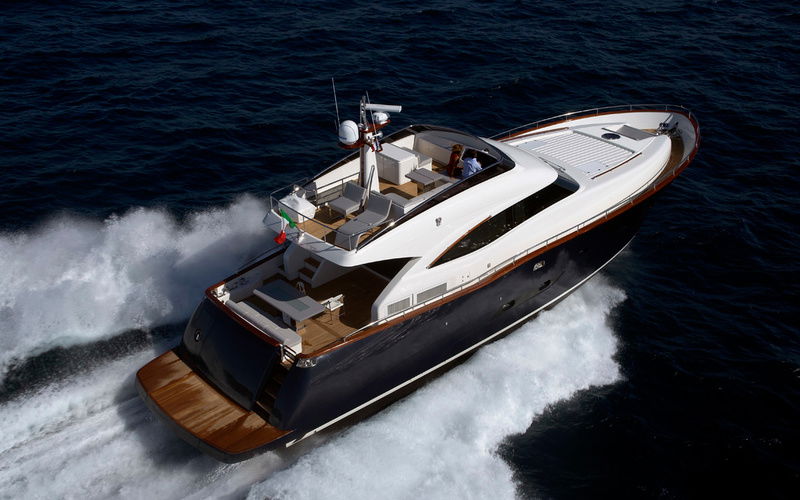
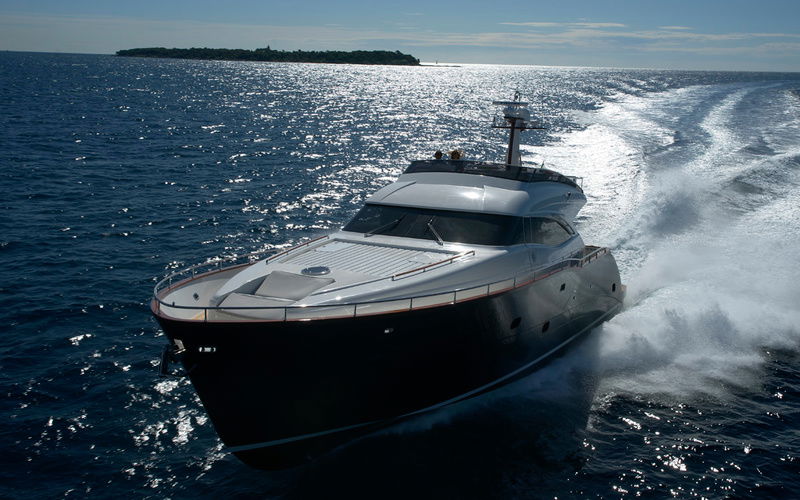

Images have been gathered from various sources and belong to their respective owners.
Review - Austin Parker 72 Fly

MarineBroker
06/24/2024, 9:56 AM
2009 Austin Parker 72 Fly: What Buyers Should Know Before Making a Move
If you’re looking at the 2009 Austin Parker 72 Fly, you’re probably already drawn to its mix of Italian styling, generous flybridge space, and serious cruising presence. It’s the kind of yacht that turns heads at the dock, but like any large pre-owned vessel, the real question is not just whether it looks good — it’s whether it fits your cruising plans, budget, and expectations.
That’s where many buyers get stuck. A yacht like the 2009 Austin Parker 72 Fly can seem straightforward at first glance, but once you start comparing layouts, maintenance history, engine hours, onboard systems, and overall condition, the decision gets a lot more complex. The good news is that most of the stress can be removed with the right approach. If you know what to inspect, what to ask, and what to prioritize, you can separate a smart purchase from an expensive mistake.
In this article, we’ll break down the key things to know about the 2009 Austin Parker 72 Fly, the common challenges buyers face, and how to evaluate whether this yacht is the right fit for your needs.
- Why the 2009 Austin Parker 72 Fly Still Gets Attention
The 2009 Austin Parker 72 Fly sits in a sweet spot for buyers who want a large flybridge yacht with a strong sense of style and comfort. Austin Parker has long been associated with elegant lines, practical layouts, and a cruising-friendly build philosophy.
For many people, the appeal comes down to three things:
- A spacious flybridge for entertaining and visibility
- A layout that supports longer stays aboard
- A size range that feels substantial without jumping into superyacht complexity
At around 72 feet, this yacht offers enough volume to feel truly luxurious, but it’s still manageable compared with much larger vessels. That makes it attractive to owners who want to cruise with family and guests, or even spend extended periods aboard without feeling cramped.
The challenge is that yachts in this class can vary a lot depending on how they’ve been used and maintained. A well-kept example can still feel impressive years later, while a neglected one may hide costly issues beneath the surface.
- The Main Problem Buyers Face: Condition vs. Appearance
One of the biggest mistakes buyers make is focusing too heavily on looks.
A yacht like the 2009 Austin Parker 72 Fly may present beautifully in photos or at first viewing. Fresh upholstery, polished gelcoat, and clean teak can create a strong first impression. But the real value is often determined by what’s happening behind the scenes.
Common issues buyers should watch for include:
- Aging electronics
- Outdated navigation systems
- Engine service gaps
- Generator wear
- Moisture intrusion
- Electrical or plumbing faults
- Cosmetic updates that mask deeper problems
This is especially important on a yacht from 2009. Even if the vessel has been lightly used, time alone affects hoses, seals, batteries, pumps, and soft goods. The solution is not to avoid the yacht altogether — it’s to inspect it with a disciplined process.
- What Makes the 2009 Austin Parker 72 Fly Worth Considering
Before getting into the inspection side, it helps to understand why this model remains appealing.
The 2009 Austin Parker 72 Fly typically stands out for:
- Strong onboard presence
- Comfortable flybridge living
- Good social spaces for guests
- A layout designed for cruising rather than just day use
- A balance between performance and comfort
For buyers who want a yacht that can handle coastal cruising, weekend escapes, or longer passages in comfort, this is a compelling format. Flybridge yachts are especially popular among owners who want a higher helm position, better visibility, and an outdoor living area that becomes a second salon.
In practical terms, that means the 72 Fly is often best suited to people who value:
- Outdoor entertaining
- Family cruising
- Multi-day trips
- A yacht that feels larger than its footprint suggests
If that sounds like your style, the model deserves a closer look.
- How to Evaluate the Hull and Exterior Properly
When buying any pre-owned yacht, the exterior inspection should go beyond a quick walkaround.
Start with the hull and deck areas. Look for signs of repairs, stress, blistering, or uneven finishes. On a yacht of this age, cosmetic wear is normal, but structural or moisture-related issues need attention.
Here’s what to check:
- Hull sides for fairing inconsistencies
- Deck fittings for leaks or movement
- Windows and hatches for seal integrity
- Teak condition and caulking wear
- Swim platform and transom hardware
- Railings, cleats, and deck hardware for corrosion
A good exterior doesn’t just mean the boat is pretty. It often tells you how carefully the yacht has been maintained overall.
If you notice mismatched sealant, soft spots in the deck, or water staining near windows, those are worth investigating further. Small clues can reveal bigger maintenance patterns.
- The Engine Room: Where the Real Story Usually Lives
For many experienced buyers, the engine room is the most important part of the inspection.
The 2009 Austin Parker 72 Fly should be evaluated like any serious cruising yacht: engines, generator, cooling systems, fuel lines, batteries, and bilge cleanliness all matter. A tidy engine room is not a guarantee of quality, but it often reflects the owner’s habits.
Focus on the following:
- Engine hours and service records
- Signs of leaks around hoses and fittings
- Corrosion on electrical terminals
- Condition of belts, mounts, and filters
- Generator service history
- Bilge cleanliness and odor
- Cooling system maintenance
If the boat has been sitting for periods of time, ask about lay-up procedures and recommissioning. Long idle periods can create hidden problems, even when the yacht looks fine externally.
A practical solution here is to request a full mechanical survey and sea trial. That combination gives you a much better picture than a dockside inspection alone.
- Interior Layout: Comfort Matters More Than Flash
One reason buyers look at the 2009 Austin Parker 72 Fly is the sense of space inside. But comfort is not only about square footage. It’s about how well the layout works in real life.
Ask yourself:
- Does the salon feel open and social?
- Are the cabins practical for your guest count?
- Is there enough storage for longer trips?
- Does the galley support the way you actually cook and entertain?
- Are crew or guest spaces arranged logically?
A great yacht layout should make life easier, not just look impressive in a brochure.
For example, if you plan to cruise with family, you’ll want cabins that are quiet, accessible, and easy to use. If you plan to host friends often, salon flow and outdoor seating become more important. If your trips are longer, storage and galley function move up the list fast.
The best solution is to imagine a normal day aboard, not just a glamorous one. Where do people sit, sleep, store gear, and move around? That’s where layout quality really shows.
- Flybridge Features That Actually Matter
The flybridge is one of the main selling points of the 2009 Austin Parker 72 Fly, so this area deserves careful attention.
A good flybridge should feel like a usable outdoor living space, not just an elevated helm. When evaluating this area, think about how you’ll use it.
Important questions include:
- Is there comfortable seating for your typical guest count?
- Is the helm protected and easy to operate?
- Is visibility good from the captain’s position?
- Are the controls intuitive and updated?
- Is there enough shade or can it be added?
- Does the space feel safe underway?
Many buyers get excited about the size of the flybridge but forget to check practical details like sun exposure, access steps, or wind protection. Those things matter a lot once you start using the yacht regularly.
If the flybridge is going to be a major social area, it should be easy to move through, easy to clean, and pleasant in both calm and breezy conditions.
- Electrical, Plumbing, and Systems: The Hidden Cost Zone
This is where many pre-owned yacht purchases get expensive after closing.
The 2009 Austin Parker 72 Fly may have systems that are perfectly serviceable, but a 2009 build also means some components may be nearing the end of their useful life. That doesn’t mean the yacht is a bad buy — it just means you need a realistic budget.
Pay close attention to:
- Shore power systems
- Battery banks and charging systems
- AC and DC distribution
- Water pumps and tanks
- Heads and holding tanks
- Air conditioning units
- Navigation and entertainment electronics
Aging electronics are especially common. Chart plotters, radar units, displays, and networked systems may still work, but they can be outdated, hard to service, or incompatible with newer equipment.
A smart solution is to separate “works today” from “future upgrade needed.” That helps you budget properly instead of being surprised later.
- Sea Trial: Don’t Skip It, Even If the Boat Looks Great
A dockside inspection can only tell you so much. The sea trial is where you learn how the yacht behaves under load.
During the sea trial, check:
- Engine startup and idle behavior
- Acceleration and throttle response
- Steering feel
- Vibration or unusual noise
- Temperature and pressure readings
- Trim behavior
- Stabilization or ride comfort, if equipped
- Electronics performance underway
This is also your chance to notice how the boat feels at different speeds. Does it track well? Is visibility comfortable from the helm? Does anything rattle or vibrate unexpectedly?
A yacht can look immaculate and still have underlying mechanical or handling issues. The sea trial is one of the best tools for confirming whether the boat has been maintained properly.
- Budgeting Beyond the Purchase Price
One of the biggest mistakes buyers make is assuming the asking price tells the whole story.
With a yacht like the 2009 Austin Parker 72 Fly, ownership costs can include:
- Survey and haul-out fees
- Immediate repairs after purchase
- Annual engine and generator service
- Bottom paint and prop work
- Insurance
- Dockage or marina fees
- Electronics upgrades
- Interior soft-good replacements
It’s smart to set aside a post-purchase reserve fund. Even a well-maintained yacht often needs something once ownership changes hands.
A practical rule is to avoid spending every dollar on the purchase itself. Leave room for recommissioning, because that’s usually when the true condition of the boat becomes clear.
- Who the 2009 Austin Parker 72 Fly Suits Best
This yacht is likely a strong fit for buyers who want:
- A stylish flybridge cruiser
- Enough space for family and guests
- Comfortable longer-range cruising
- A boat that feels substantial without being unmanageable
- A vessel with real onboard living potential
It may be less ideal for someone who wants a very simple ownership experience or a low-maintenance day boat. A 72-foot yacht, even a well-designed one, comes with responsibilities.
The best match is usually an owner who enjoys the boating lifestyle enough to stay on top of maintenance, upgrades, and planning. If that sounds like you, the 2009 Austin Parker 72 Fly can be a rewarding platform.
- Practical Buying Strategy: How to Reduce Risk
If you’re seriously considering this model, here’s a simple way to reduce risk:
1. Review maintenance records first
Look for consistency, not just recent service.
2. Inspect the engine room carefully
This often reveals how the yacht has really been cared for.
3. Get a professional survey
Use someone familiar with larger flybridge yachts.
4. Do a sea trial
Never rely on dockside impressions alone.
5. Budget for updates
Especially electronics, soft goods, and preventative maintenance.
6. Compare against similar yachts
Condition matters more than model name alone.
This process helps you make a decision based on facts, not just emotions. That matters a lot in the pre-owned yacht market, where first impressions can be misleading.
- Common Red Flags to Watch For
A few warning signs should make you slow down and dig deeper:
- Missing service records
- Fresh cosmetic work with no explanation
- Strong odors in cabins or bilges
- Corrosion in electrical spaces
- Water intrusion around windows or hatches
- Unexplained engine-hour inconsistencies
- Poorly documented upgrades
None of these automatically mean “walk away,” but they do mean “investigate before you commit.”
If several red flags show up at once, that’s often a sign the boat may require more work than it initially appears.
- Why Patience Pays Off with a Yacht Like This
Buying a yacht is part technical decision, part lifestyle decision. With the 2009 Austin Parker 72 Fly, patience is one of your best tools.
The right boat will not only look good on paper, it will feel right when you inspect it, run it, and imagine using it the way you actually plan to use it. That’s the real test.
A well-chosen example can offer a lot of value: space, comfort, and cruising enjoyment without moving into an even larger and more complex class of yacht. But the key is to evaluate it carefully and honestly.
- Conclusion
The 2009 Austin Parker 72 Fly remains an appealing option for buyers who want a stylish, spacious flybridge yacht with real cruising capability. But like any pre-owned vessel in this size range, the smartest move is to look beyond appearance and focus on condition, systems, service history, and overall fit for your boating plans.
If you take the time to inspect the hull, engine room, interior, and flybridge carefully, and back that up with a proper survey and sea trial, you’ll be in a much better position to make a confident decision. That’s the real solution: not just finding a yacht you like, but finding one that makes sense to own. If you’re comparing options, keep researching similar flybridge yachts and use a checklist so you can judge each one fairly.
Specifications
General
Boat Type: Power Boats
Class Type: Flybridge
Specifications
Length: 69.98
Beam: 20.34
Draft: 6.53
Hull Material: GRP
Build
First Built: 2009
Propulsion
Fuel Type: Diesel
Engines: 2
Power: 1400 HP
Brand: Man
Accomodation
Berths: 8
Cabins: 4
Bathrooms: 4
PROS & CONS
What we appreciated
 Spacious flybridge offering excellent visibility and additional lounging areaHigh-quality Italian craftsmanship with elegant design and luxurious finishesRobust build with solid hull ensuring seaworthiness and safetyPowerful engine options providing good performance and cruising speedWell-appointed interior with comfortable cabins and modern amenities
What we didn’t appreciate
 Older model, may require updates to electronics and navigation systemsFuel consumption can be high due to size and engine powerMaintenance and parts for Italian luxury yachts can be costly and sometimes hard to sourceLimited dealer and service network depending on locationLarge size may restrict access to smaller marinas and increase docking fees
Upkeep Costs
Annual maintenance and servicing: $30,000 - $50,000
Fuel costs (depends on usage, approx. 100-150 gallons/hour): $60,000 - $100,000 per year
Crew salaries (captain, engineer, deckhands): $150,000 - $300,000 per year
Insurance: $20,000 - $40,000 per year
Docking and marina fees: $15,000 - $40,000 per year
Rating
7.6
User
Score
Score
Driveability
Technology
Interior
Design
Similar Boats


MarineBroker
Download now for an immersive boat experience like never before! ⛵✨ Your journey begins with a simple click. 🌊📲
#SetSailSmart #DownloadNow
#SetSailSmart #DownloadNow

Subscribe
Copyright 2017 - 2026, Marinebroker.net, All Rights Reserved