Boat Database » Al Shaali AS 75
Al Shaali AS 75
Inboard Direct-Drive, Diesel, 2x 1150 HP
Power Boats 2017 Al Shaali AS 75: What Buyers and Owners Should Know Before Making a Move
The 2017 Al Shaali AS 75 is the kind of yacht that gets attention for all the right reasons: size, presence, and the promise of comfortable cruising. B...
Discover

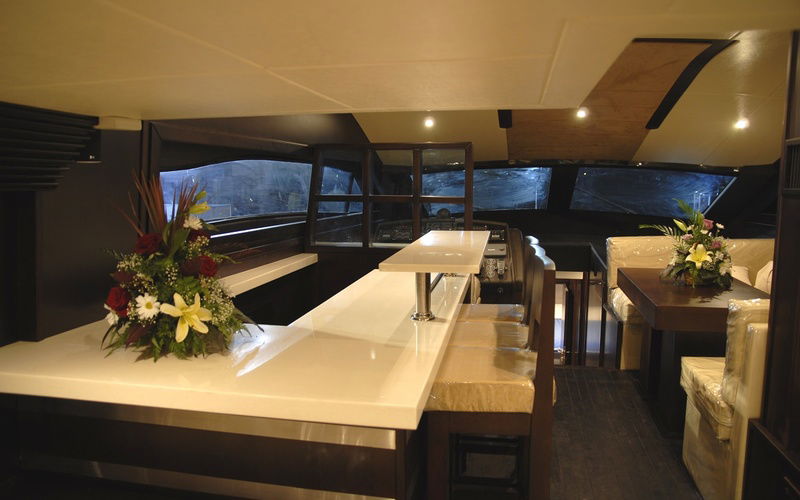

Images have been gathered from various sources and belong to their respective owners.
Review - Al Shaali AS 75

MarineBroker
02/06/2024, 8:57 AM
2017 Al Shaali AS 75: What Buyers and Owners Should Know Before Making a Move
The 2017 Al Shaali AS 75 is the kind of yacht that gets attention for all the right reasons: size, presence, and the promise of comfortable cruising. But if you’re researching this model, you’re probably not just admiring it from a distance. You’re likely trying to answer a more practical question: is it the right yacht for your needs, and how do you avoid expensive surprises if you buy or operate one?
That’s the real challenge with a yacht like the 2017 Al Shaali AS 75. On paper, it looks like a strong option for private cruising, entertaining, or long-range family time on the water. In real life, the value depends on condition, maintenance history, systems reliability, and how well the yacht has been cared for over the years. A large yacht can be a dream purchase, but only if you understand the common issues that come with ownership and know what to check before committing.
In this article, we’ll walk through the most important things to look at, the problems owners often face, and the practical steps that can help you make a smarter decision.
- Why the 2017 Al Shaali AS 75 attracts serious buyers
The 2017 Al Shaali AS 75 sits in a category that appeals to owners who want generous space without stepping into the ultra-custom world. At 75 feet, it offers a layout that can support private cruising, hosting guests, and extended time aboard.
For many buyers, the appeal comes down to a few key strengths:
- A large onboard footprint for entertaining and relaxation
- Strong visual presence at the dock
- A layout that can support multiple cabins and social areas
- The ability to cruise comfortably with family or guests
That said, yachts in this class are not simple purchases. They are more like floating properties, and the true cost of ownership goes well beyond the asking price. The buyer who understands that early is usually the one who avoids regret later.
- The real problem: hidden ownership costs and maintenance surprises
If you’re interested in the 2017 Al Shaali AS 75, the biggest problem is usually not finding the yacht itself. The challenge is understanding what condition it’s really in and what it will cost to keep it operating properly.
Many buyers focus on the layout, aesthetics, and engine hours. Those matter, but they don’t tell the whole story. A yacht can look excellent on the surface while hiding expensive issues in systems that are hard to inspect casually.
Common problem areas include:
- Engine and generator wear
- Electrical system faults
- Air conditioning inefficiency
- Water intrusion or moisture damage
- Teak, gelcoat, and exterior cosmetic deterioration
- Electronics that are outdated or poorly maintained
- Deferred service on pumps, seals, and valves
These issues can turn a strong-looking yacht into a costly project. And because a 75-foot yacht has more systems than a smaller boat, small maintenance gaps can add up quickly.
- Understanding the 2017 Al Shaali AS 75 before you buy
Before getting too excited about the yacht’s style or layout, it helps to think like a surveyor. The goal is not to find reasons not to buy. The goal is to know exactly what you’re buying.
Start with the basics:
- Service records: Are they complete and consistent?
- Engine hours: Do they match the yacht’s age and usage pattern?
- Ownership history: Was it privately used, chartered, or lightly used?
- Upgrades: Have major systems been modernized?
- Survey results: Were any issues identified and repaired properly?
A well-maintained yacht can age gracefully. A poorly maintained one can become expensive very fast, even if it has low hours. In many cases, maintenance quality matters more than age alone.
- What to inspect first on a 2017 Al Shaali AS 75
If you’re evaluating this model, focus on the systems that are most likely to affect safety, comfort, and long-term value.
- Engines and propulsion
The engines are the heart of the yacht. Look for:
- Clean service history
- Smooth startup and idle
- No unusual smoke
- Stable operating temperatures
- No signs of oil, fuel, or coolant leaks
Also check the shafting, propellers, and running gear. Even minor vibration can point to alignment issues or wear that should not be ignored.
- Generators and power supply
On a yacht this size, generator reliability matters a lot. If the generators are weak or neglected, the whole onboard experience suffers.
Check for:
- Proper load handling
- Clean exhaust
- Reliable start/stop behavior
- Evidence of regular servicing
- Electrical systems
Electrical problems can be frustrating and expensive to trace. Look at:
- Battery banks
- Chargers and inverters
- Panel labeling and organization
- Corrosion around terminals
- Evidence of amateur modifications
A neat system is often a good sign. A messy one usually deserves a closer look.
- HVAC and cooling
In warm climates, air conditioning is not a luxury. It is a major part of the yacht’s comfort and livability.
Test:
- Cooling performance in all cabins
- Water flow and pump operation
- Ventilation and duct condition
- Signs of mold or moisture buildup
- Hull and deck condition
Inspect the hull for:
- Blisters
- Cracks
- Repairs
- Fading or chalking
- Signs of previous impact
On deck, check fittings, seals, hatches, and windows for leaks. Water intrusion is one of the most common hidden issues on larger yachts.
- Interior condition
The interior tells you a lot about how the yacht was used and cared for.
Look for:
- Soft flooring or stained upholstery
- Musty smells
- Loose cabinetry
- Watermarks around windows or ceilings
- Wear in high-traffic areas
A clean interior is nice, but the real question is whether it’s clean because it was maintained well or simply refreshed cosmetically for sale.
- Common issues owners may face with the 2017 Al Shaali AS 75
No yacht is perfect, and a 2017 model is old enough to have had some wear, but new enough to still be very attractive if maintained properly. The key is knowing which issues are common so you can budget and plan realistically.
- Deferred maintenance
This is one of the biggest hidden problems in large yachts. Some owners delay service because the boat still “runs fine.” That can work for a while, but eventually small issues become bigger ones.
Examples include:
- Old hoses and clamps
- Worn seals
- Dirty fuel systems
- Aging batteries
- Neglected cooling systems
- Cosmetic aging
Even when a yacht is mechanically sound, cosmetic wear can affect value and resale appeal.
Watch for:
- Sun-faded surfaces
- Wood trim wear
- Upholstery cracking
- Teak maintenance issues
- Oxidation on exterior surfaces
- Electronics obsolescence
Technology moves fast, and yacht electronics can become outdated quickly. Navigation screens, radar, cameras, and entertainment systems may work but feel behind current standards.
This is not always a dealbreaker, but it can mean extra investment after purchase.
- Moisture and leak-related damage
Large yachts have many openings, joints, and systems where water can get in. If leaks are ignored, they may lead to:
- Interior damage
- Mold growth
- Electrical issues
- Structural concerns over time
- How to solve the problem: a smarter buying and ownership strategy
The best solution is not guessing. It’s building a process that reduces risk before and after purchase.
- Get a full marine survey
A professional survey is essential. For a yacht like the 2017 Al Shaali AS 75, you want more than a casual walkthrough.
Ask for:
- Hull and structural inspection
- Engine and generator evaluation
- Electrical testing
- Moisture readings
- Sea trial
- Sea water system checks
- Interior and equipment review
If possible, hire specialists for engines and electronics in addition to the general surveyor. That extra step can save a lot of money.
- Review maintenance records carefully
Service logs tell a story. You want to see consistent care, not just occasional major repairs.
Good signs include:
- Regular oil changes
- Documented generator service
- Cooling system maintenance
- Battery replacements
- Updated safety gear
Missing records are not always a dealbreaker, but they should lower your confidence and increase your inspection depth.
- Budget for immediate post-purchase work
Even a well-kept yacht usually needs some attention after purchase. Build a reserve for:
- Bottom paint
- Battery replacement
- Service intervals
- Cleaning and detailing
- Electronics updates
- Minor repairs
A practical rule is to assume that any used yacht will need a first-season refresh. That doesn’t mean something is wrong. It just means ownership is more realistic when you plan ahead.
- Prioritize reliability over appearance
A shiny yacht with weak systems is a bad deal. A yacht that looks a little tired but has strong mechanical records may be the smarter buy.
When comparing options, ask:
- Which yacht is better documented?
- Which one has fewer unresolved issues?
- Which one will cost less to operate over the next 12 months?
That mindset usually leads to better long-term value.
- Ownership tips that help protect value
If you already own a 2017 Al Shaali AS 75, or you’re planning to, the goal is to keep it in strong condition and avoid the common traps that hurt resale value.
- Stick to a maintenance schedule
Routine service is cheaper than emergency repair. Stay on top of:
- Engine oil and filters
- Generator service
- Cooling system checks
- Battery health
- Bilge pump testing
- Safety equipment inspections
- Keep the yacht clean and dry
Moisture is a major enemy. Regular cleaning, ventilation, and leak checks help prevent mold, odors, and hidden damage.
- Use qualified technicians
Large yacht systems are complex. A good technician may cost more upfront, but the work is usually more reliable and less expensive in the long run.
- Log everything
Keep records of:
- Repairs
- Parts replaced
- Service dates
- Survey findings
- Upgrades
This helps with resale and gives future buyers confidence.
- Update aging systems strategically
You don’t need to replace everything at once. Focus first on systems that affect safety and reliability, then move to comfort and appearance.
Good priorities often include:
1. Engines and generators
2. Electrical and battery systems
3. HVAC
4. Navigation and safety electronics
5. Cosmetic improvements
- Is the 2017 Al Shaali AS 75 a good fit for you?
This yacht can make a lot of sense for the right buyer. It is especially appealing if you want a spacious platform for family cruising, entertaining, or enjoying longer trips with good onboard comfort.
It may be a strong fit if you:
- Value size and presence
- Want a yacht with multiple social and sleeping areas
- Are willing to maintain a larger vessel properly
- Prefer a used yacht with proven design over a brand-new build premium
It may be less ideal if you want:
- Very low operating costs
- Minimal maintenance responsibility
- A simple ownership experience
- The latest electronics and finishes without upgrades
That’s why the smartest buyers focus less on the dream and more on the total package: condition, records, systems, and future upkeep.
- Practical checklist before making a decision
Here’s a simple checklist to use when evaluating the 2017 Al Shaali AS 75:
- Review all service records
- Hire a full marine surveyor
- Test engines, generators, and electronics
- Inspect for leaks and moisture
- Check interior condition for hidden damage
- Estimate first-year operating costs
- Compare repair needs against asking price
- Confirm parts and service support availability
If the yacht passes these checks, you’ll have a much clearer picture of whether it’s a smart purchase.
The 2017 Al Shaali AS 75 can be a very appealing yacht, but the real value depends on what’s underneath the surface. The most common problem buyers face is not the yacht’s design itself, but hidden maintenance issues, outdated systems, and unexpected repair costs. The good news is that these risks can be managed with a careful survey, solid records review, and a realistic ownership budget. If you approach the process with patience and a practical mindset, you’ll be in a much better position to enjoy the yacht rather than constantly react to problems. For anyone considering this model, the smartest next step is simple: inspect thoroughly, plan ahead, and learn as much as you can before you buy.
Specifications
General
Boat Type: Power Boats
Class Type: Flybridge
Specifications
Length: 73.82
Beam: 18.04
Draft: 5.91
Hull Material: GRP
Build
First Built: 2017
Propulsion
Fuel Type: Diesel
Engines: 2
Power: 1150 HP
Brand: CAT
Accomodation
Berths: 8
Cabins: 4
Bathrooms: 4
PROS & CONS
What we appreciated
 Sleek and modern design with a luxurious finishSpacious deck layout suitable for entertaining guestsHigh-quality craftsmanship and materials usedPowerful engine options providing good performanceAdvanced navigation and onboard technology features
What we didn’t appreciate
 Limited availability of parts and service outside the Middle EastRelatively high fuel consumption due to powerful enginesSmaller brand recognition compared to mainstream manufacturersPotentially higher maintenance costs given bespoke buildLess resale market liquidity compared to more common yacht brands
Upkeep Costs
Fuel: Approximately $30,000 - $50,000 per year depending on usage
Maintenance and Repairs: Around $10,000 - $20,000 annually
Docking and Storage: $5,000 - $15,000 per year depending on location
Insurance: $3,000 - $7,000 per year
Crew Salaries: $50,000 - $100,000 per year depending on crew size and experience
Rating
7.3
User
Score
Score
Driveability
Technology
Interior
Design
Similar Boats


MarineBroker
Download now for an immersive boat experience like never before! ⛵✨ Your journey begins with a simple click. 🌊📲
#SetSailSmart #DownloadNow
#SetSailSmart #DownloadNow

Subscribe
Copyright 2017 - 2026, Marinebroker.net, All Rights Reserved