Boat Type: Power Boats
Boat Class: Flybridge
Length: 66.93 ft
Berths: 6
Cabins: 3
Bathrooms: 2
Max Persons: 16
Boat Database » Austin Parker 64 Fly
Austin Parker 64 Fly
Inboard Direct-Drive, Diesel, 2x 1200 HP
Power Boats 2012 Austin Parker 64 Fly: What to Know Before Buying, Owning, or Upgrading This Flybridge Yacht
If you’re looking at a 2012 Austin Parker 64 Fly, chances are you’re already drawn to the blend of Italian styling, generous space, ...
Discover


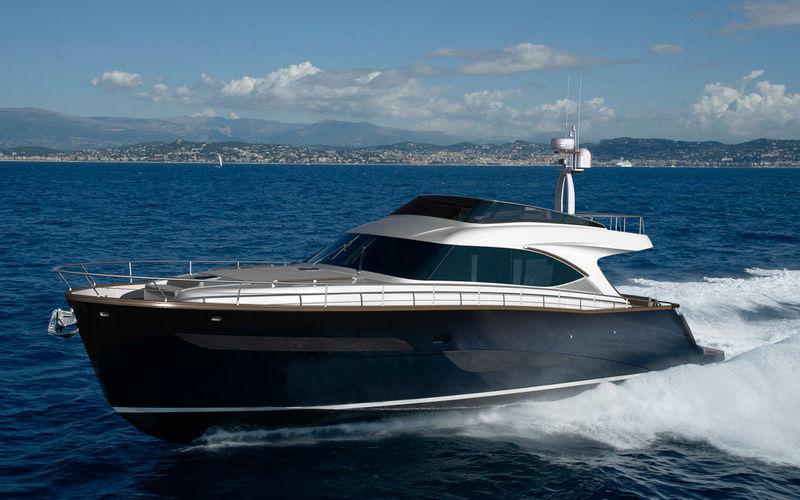
Images have been gathered from various sources and belong to their respective owners.
Review - Austin Parker 64 Fly

MarineBroker
06/24/2024, 9:52 AM
2012 Austin Parker 64 Fly: What to Know Before Buying, Owning, or Upgrading This Flybridge Yacht
If you’re looking at a 2012 Austin Parker 64 Fly, chances are you’re already drawn to the blend of Italian styling, generous space, and serious cruising capability. It’s the kind of yacht that turns heads at the dock, but the real question most buyers and owners end up asking is simpler: is it the right boat for the way I want to cruise?
That’s where things get interesting. A yacht like the 2012 Austin Parker 64 Fly can be a fantastic choice, but only if you understand what it offers, what to inspect carefully, and how to set it up for your needs. Many people get caught up in the layout, the flybridge, or the brand name and overlook the practical side of ownership: maintenance history, systems condition, fuel economy, and how the boat actually performs offshore or around the islands.
In this guide, we’ll walk through the key things to know about the 2012 Austin Parker 64 Fly, common ownership concerns, and the smartest ways to evaluate whether it’s a good fit. If you’re trying to make a confident decision, this will help you focus on the details that matter most.
- What Makes the 2012 Austin Parker 64 Fly Stand Out
The Austin Parker 64 Fly sits in a sweet spot for buyers who want a luxury motor yacht that still feels manageable compared with much larger vessels. At around 64 feet, it offers the kind of volume and comfort that makes extended trips practical, without moving into the complexity of a much bigger yacht.
One of the biggest draws is the flybridge layout. It gives you a second social area, better visibility underway, and a more open-air cruising experience. For many owners, that upper deck becomes the favorite place to relax, dine, or run the boat.
The 2012 model year also matters because it reflects a design era where builders were balancing style with usable space. In this size range, that usually means:
- A comfortable salon with good natural light
- A practical galley arrangement
- Multiple guest cabins for family or friends
- A master suite that feels more like a small apartment than a boat cabin
- Enough outdoor seating for entertaining without feeling crowded
For the right buyer, that combination is the appeal. You’re not just buying a yacht for weekends at the marina. You’re getting a platform that can handle longer cruises, overnight stays, and entertaining in a way that feels relaxed.
- The Main Problem Buyers Face with a 2012 Austin Parker 64 Fly
The biggest challenge with a used yacht like this is not deciding whether it looks good. It’s figuring out whether the specific boat in front of you has been cared for properly.
That’s the real problem: two boats of the same model can feel completely different depending on maintenance, usage, and upgrades.
Here are the most common concerns buyers run into:
- Engines with incomplete service records
- Aging electronics that are expensive to replace
- Moisture intrusion or hidden water damage
- Generator or air-conditioning issues
- Wear on upholstery, teak, and exterior finishes
- Deferred maintenance from years of light use or long idle periods
A yacht can appear clean and polished while still hiding costly issues underneath. That’s why the smartest buyers focus less on cosmetics and more on systems, documentation, and condition.
The good news is that this problem has a straightforward solution: inspect methodically, verify the history, and prioritize the systems that affect safety, reliability, and operating cost.
- Understanding the Layout and How It Supports Real Use
One reason the 2012 Austin Parker 64 Fly remains interesting is that it’s built for practical living aboard. The flybridge adds a social and operational advantage, while the main deck usually gives you a good balance between indoor comfort and outdoor flow.
When evaluating the layout, think about how you’ll actually use the yacht.
Ask yourself:
- Will you cruise mostly with family or with guests?
- Do you want a boat that’s comfortable for weekends, or long-range trips?
- Is the flybridge a must-have for entertaining?
- Do you need crew accommodations, or will you run the boat yourselves?
A lot of buyers fall in love with the general feel of the yacht, but the best purchase is the one that matches your lifestyle. For example, if you plan to spend time in warm climates, the flybridge and shaded outdoor seating areas may be a major plus. If you expect more private cruising, cabin layout and noise levels underway may matter more than the social spaces.
A well-designed 64-footer should make movement easy. Look for:
- Clear circulation from cockpit to salon
- Easy access to side decks
- A helm position with strong visibility
- Storage that supports longer trips
- Cabins that offer real privacy, not just extra berths
That’s where the 2012 Austin Parker 64 Fly can make sense for many owners. It’s large enough to feel substantial, but still compact enough to remain usable without a huge crew.
- What to Inspect First on a Used 2012 Austin Parker 64 Fly
If you’re seriously considering one, the first inspection should be focused and practical. Don’t start with the upholstery or the entertainment system. Start with the systems that cost the most to fix.
Here’s the order I’d recommend:
1. Engines and service records
Check hours, service intervals, oil analysis if available, and whether major maintenance has been done on time.
2. Generator and electrical systems
Generators often reveal how a yacht has really been used. A weak or unreliable generator can be a sign of neglected maintenance.
3. Air conditioning and plumbing
Comfort systems matter a lot on a boat this size. Replacing compressors, pumps, or plumbing components can add up quickly.
4. Hull, deck, and moisture checks
Look for signs of water intrusion around windows, hatches, fittings, and deck hardware.
5. Electronics and navigation gear
Older screens, radar, autopilot, and chartplotters can be expensive to modernize.
6. Interior condition
Cabin wear tells you a lot about use patterns, but it should come after the mechanical basics.
A professional survey is essential, but you should still go in with a checklist. Boats of this size can hide issues in places that are easy to miss during a casual walkthrough.
- Common Ownership Costs You Should Expect
A lot of people focus on the purchase price and underestimate ongoing expenses. That’s one of the fastest ways to turn a dream boat into a stressful one.
For a yacht like the 2012 Austin Parker 64 Fly, ownership costs can include:
- Routine engine service
- Bottom paint and haul-outs
- Generator maintenance
- Air-conditioning service
- Battery replacement
- Upholstery and canvas care
- Dockage or marina fees
- Insurance
- Unexpected repairs
The exact number depends on usage, location, and condition, but the main point is this: a 64-foot flybridge yacht is not a low-maintenance asset.
A useful rule of thumb is to budget for more than just planned service. Boats age in layers. Even if the engines are healthy, you may still need to address hoses, seals, pumps, electronics, or cosmetic items that have simply reached the end of their life.
If you’re comparing this model to others in the same class, ask yourself:
- Which boat has the strongest maintenance records?
- Which boat has the most up-to-date systems?
- Which one will cost less to operate over the next 2-3 years?
That approach usually leads to a better decision than choosing based on appearance alone.
- Performance Expectations: What the 2012 Austin Parker 64 Fly Is Good At
A yacht like this is generally about comfortable cruising, not racing around at top speed. What matters more is how it handles in real conditions.
Buyers typically want to know:
- Is it stable underway?
- Is it comfortable in moderate chop?
- Does it feel easy to maneuver?
- Is visibility from the helm good?
- Can it cruise efficiently enough for regular use?
For a 64-foot flybridge yacht, the sweet spot is usually a balance between comfort and range. You want enough power for confident cruising, but not so much complexity that maintenance becomes a burden.
The flybridge configuration helps with visibility and social use, but it can also add windage. That means docking and close-quarters handling should be evaluated carefully. If you’re running the boat yourself, thrusters, joystick controls, or updated navigation aids can make a big difference.
A sea trial should answer practical questions like:
- How quickly does the boat get on plane?
- Is the helm responsive?
- Are there unusual vibrations?
- Does the boat track well?
- How noisy is it at cruising speed?
These details matter more than brochure numbers. A yacht that feels solid and predictable is usually a better long-term ownership experience.
- Upgrades That Make the Biggest Difference
If you already own a 2012 Austin Parker 64 Fly, or you’re thinking about buying one, a few upgrades can dramatically improve usability.
The best upgrades are the ones that improve reliability, safety, and comfort without overcomplicating the boat.
Top upgrades to consider:
- Modern chartplotters and radar
- AIS and updated navigation electronics
- Battery monitoring systems
- LED lighting conversion
- New soft goods and exterior cushions
- Fresh canvas or enclosure work
- Thruster upgrades or service
- Improved audio and entertainment systems
- New tender handling gear if you cruise with one
If the boat has older electronics, updating the helm can make a huge difference in day-to-day confidence. Likewise, replacing tired soft goods can make the yacht feel much newer without changing its character.
The key is to avoid over-improving beyond the boat’s intended use. A smart refit should make ownership easier, not turn the yacht into a never-ending project.
- How to Judge Whether a Specific Boat Is a Good Value
Not every 2012 Austin Parker 64 Fly will be a good buy, even if the price looks attractive.
To judge value properly, compare the boat against three things:
- Maintenance history
- Current condition
- Cost to bring it up to your standard
A lower-priced yacht with weak records may end up costing more than a better-maintained example. That’s why the cheapest option is rarely the best value.
Here’s a simple way to think about it:
- Strong records + good condition = usually a safer purchase
- Weak records + average condition = caution required
- Weak records + visible issues = only worth considering at a steep discount
Also consider how the boat has been used. A lightly used yacht can still have aging systems if it sat idle for long periods. On the other hand, a boat that was used regularly and serviced properly may be in better shape than one that looked pristine but was neglected mechanically.
If you’re working with a broker or surveyor, ask for:
- Full service records
- Engine and generator hours
- Recent invoices
- Details on any refits
- Any known defects or deferred maintenance
That paperwork often tells you more than the listing photos ever will.
- Practical Buying Tips for This Model
If you’re in the market for a 2012 Austin Parker 64 Fly, a disciplined buying process will save you time and money.
Here are a few practical tips:
- Don’t rush the first boat you like
- Treat the survey as a decision tool, not a formality
- Sea trial the boat in realistic conditions if possible
- Check all systems, not just the obvious ones
- Compare at least two or three examples before deciding
- Budget for immediate post-purchase maintenance
It also helps to think about your cruising style before you buy. A yacht that’s perfect for Mediterranean-style marina hopping may not be ideal for longer offshore passages, and vice versa.
If you plan to spend a lot of time aboard, comfort systems like climate control, storage, and cabin layout become more important. If you’re mostly day cruising, handling and deck usability may matter more.
The more clearly you define your use case, the easier it becomes to decide whether this model is the right fit.
- Who the 2012 Austin Parker 64 Fly Is Best For
This yacht tends to suit buyers who want a stylish, well-sized flybridge boat with enough space for family cruising and entertaining.
It’s a strong match if you:
- Want a yacht in the 60- to 70-foot range
- Value outdoor living and a flybridge
- Plan to cruise with guests or family
- Prefer a boat that feels substantial but not enormous
- Are comfortable with proper maintenance and upkeep
It may be less ideal if you want ultra-low operating costs, minimal maintenance, or a very simple ownership experience. Like most yachts in this class, it rewards owners who stay ahead of service and treat it as a serious piece of machinery, not just a floating lounge.
That said, for the right buyer, the 2012 Austin Parker 64 Fly offers a compelling mix of style, comfort, and practical cruising space.
- Conclusion
The 2012 Austin Parker 64 Fly can be a smart choice for buyers who want a stylish flybridge yacht with real cruising comfort. The key is not just admiring the layout, but evaluating the boat carefully: engine history, system condition, maintenance records, and the cost of any needed upgrades.
If you approach it with a clear checklist, you’ll be much better positioned to spot a well-cared-for example and avoid expensive surprises. Focus on the boat’s actual condition, not just its presentation, and you’ll make a far more confident decision. If you’re still narrowing down options, compare this model with other yachts in the same size range and pay close attention to how each one fits your cruising plans.
Specifications
General
Boat Type: Power Boats
Class Type: Flybridge
Specifications
Length: 66.93
Beam: 20.34
Draft: 5.12
Hull Material: GRP
Build
First Built: 2012
Propulsion
Fuel Type: Diesel
Engines: 2
Power: 1200 HP
Brand: Man
Accomodation
Berths: 6
Cabins: 3
Bathrooms: 2
PROS & CONS
What we appreciated
 Spacious and luxurious flybridge layout ideal for entertaining and relaxing.High-quality Italian craftsmanship with elegant interior design.Robust construction providing good seaworthiness and stability.Powerful engines offering strong performance and cruising speed.Ample storage and accommodation for extended cruising.
What we didn’t appreciate
 Relatively high fuel consumption due to size and engine power.Maintenance and upkeep can be expensive given luxury fittings.Limited availability of parts and specialized service in some regions.Large size may restrict access to smaller marinas and docks.Older model, so may lack some modern technological amenities.
Upkeep Costs
Annual insurance: $5,000 - $10,000
Dockage and mooring fees: $12,000 - $30,000 per year
Fuel costs: $20,000 - $40,000 per year (depending on usage)
Maintenance and repairs: $15,000 - $30,000 per year
Winter storage and haul-out: $3,000 - $7,000 per year
Rating
7.8
User
Score
Score
Driveability
Technology
Interior
Design
Similar Boats


MarineBroker
Download now for an immersive boat experience like never before! ⛵✨ Your journey begins with a simple click. 🌊📲
#SetSailSmart #DownloadNow
#SetSailSmart #DownloadNow

Subscribe
Copyright 2017 - 2026, Marinebroker.net, All Rights Reserved